High Precision Roll Molds from a Leading Line Pipe Manufacturer
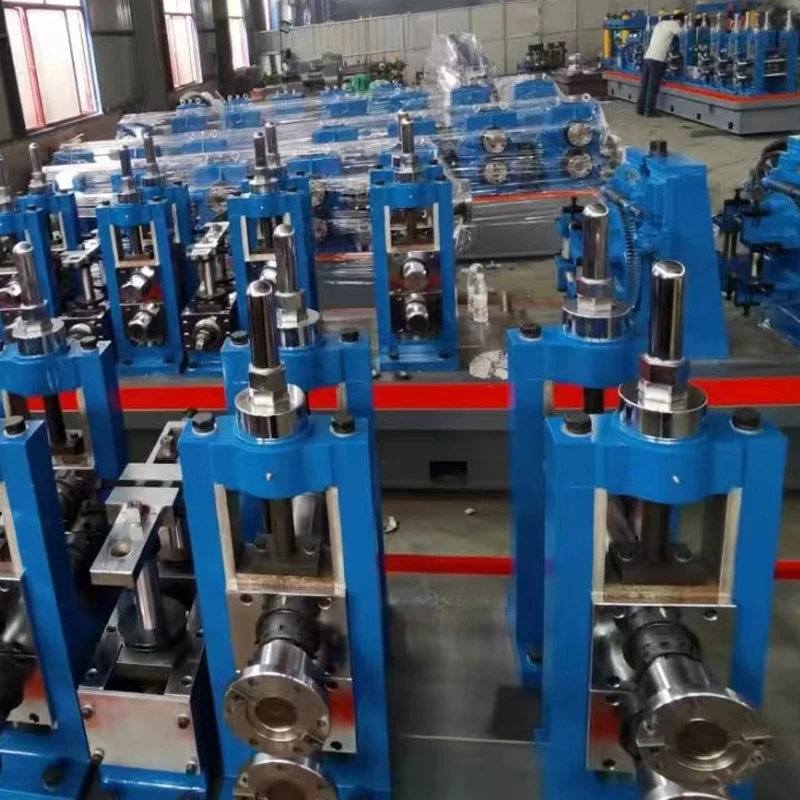
Achieving consistent precision in high-pressure pipeline production relies heavily on the integrity of the forming tools. For those seeking a reliable line pipe manufacturer, the focus often shifts toward the durability and metallurgy of roll molds, which are the primary drivers of wall thickness uniformity and dimensional accuracy. The quality of these molds directly affects the fatigue life of the production line and the structural integrity of the final welded pipe.
At Bazhou Xinghua Machinery Equipment Manufacturing Co., Ltd., we integrate advanced thermal processing and precision forging to produce roll molds that withstand the extreme stresses of industrial pipe forming. By optimizing the forging ratio and implementing rigorous hardness testing, our equipment ensures that steel pipe producers can reduce downtime and maximize output. This technical synergy between mold design and machinery performance is essential for meeting strict ISO and industry-specific standards for energy and water transport pipelines.

The Critical Role of Roll Mold Metallurgy in Welded Pipe Production
The efficiency of any welded pipe unit is fundamentally limited by the wear resistance of its forming rollers. In the demanding environment of metal forming, molds are subjected to continuous friction and high pressure. To combat this, we employ a rigorous multi-stage production process. It begins with precise material selection, where the cutting bar is cut according to a strict forging ratio of 3:2-2.5. This ensures that the internal grain structure of the metal is optimized for subsequent stresses.
Thermal management is the cornerstone of our metallurgical approach. Raw materials are heated to temperatures between 850°C and 1000°C for repeated forging. This cycle, typically repeated 2 to 4 times, refines the organizational structure of the steel, significantly enhancing wear resistance. Following the initial forging, a secondary heating phase between 780°C and 830°C is maintained for 72 hours to stabilize the material properties before it moves to precision machining.
- Grain Refinement: Repeated forging cycles to eliminate internal voids.
- Thermal Stabilization: Extended heating periods to prevent internal stress fractures.
- Dimensional Precision: Rough processing of inner holes and shapes based on technical drawings.

Precision Hardening and Quality Verification Protocols
To ensure that roll molds do not deform under the immense loads of a production line, a specialized quenching and tempering process is implemented. The workpieces are gradually warmed in a quenching furnace to 930-980°C. This critical transition, followed by controlled cooling, establishes the base hardness. However, because the hardness remains unstable immediately after quenching, low-temperature tempering is applied to bring the material to the exact industry standard required for heavy-duty pipe forming.
The final phase is an uncompromising inspection regime. Hardness detection is used to verify that every mold falls within the 58° to 62° HRC range. Only after this verification is the finishing process initiated, which includes planar finishing, inner hole polishing, and final well-finishing. This ensures that the mold interface is perfectly smooth, reducing friction during the rolling process and extending the lifespan of both the mold and the raw steel strip.
By maintaining these strict controls, we provide the technical foundation necessary for large-scale steel pipe companies to operate their automatic shearing, welding, and straightening equipment with maximum reliability. Our commitment to "fine processing" at every step ensures that the end product is not just a component, but a precision instrument for industrial growth.
Optimizing Pipeline Production via Automated Auxiliary Equipment
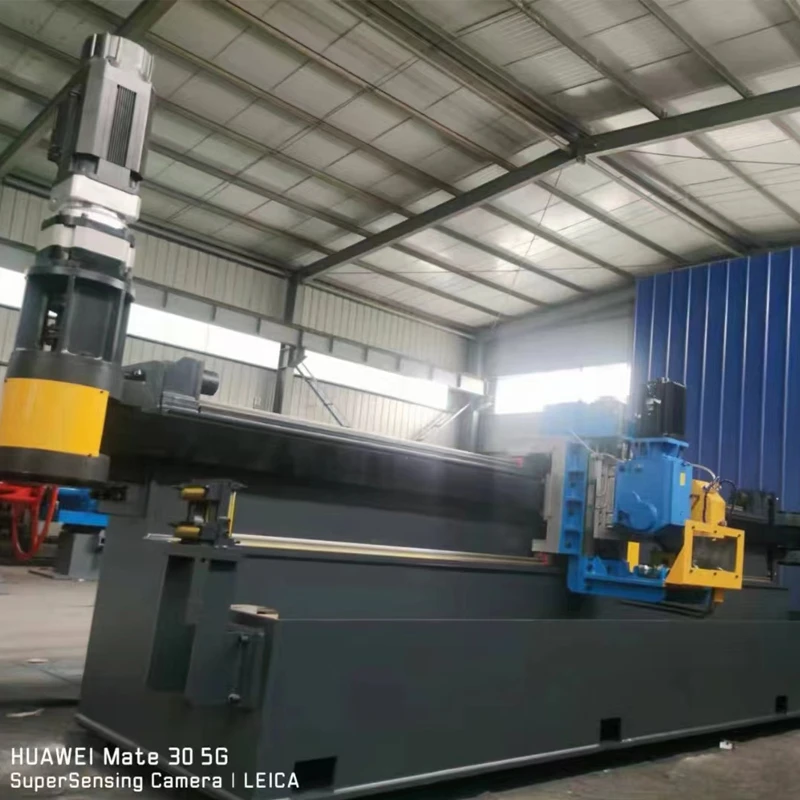
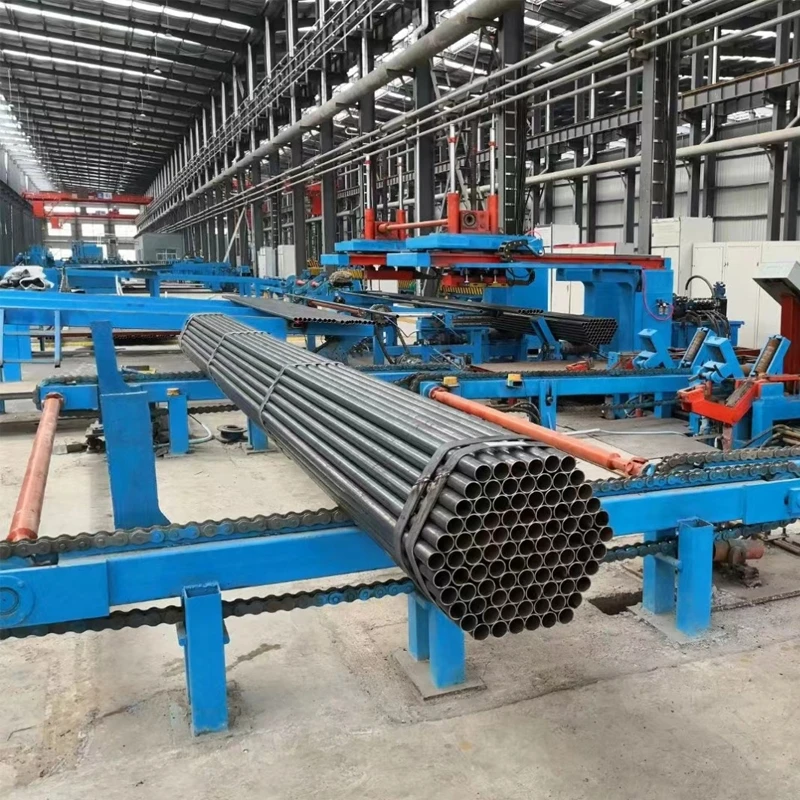
Beyond roll molds, the synchronization of auxiliary machinery determines the overall throughput of a pipe mill. The integration of feeding sections, straightening machines, and cold cutting flying saws creates a seamless flow of material. Automation in these areas is no longer an option but a necessity to solve labor shortages and reduce the physical intensity of worker tasks while simultaneously increasing operational efficiency.
For instance, automatic shearing and welding units must be perfectly calibrated with the longitudinal shearing units to prevent material waste. When high-precision roll molds are paired with automated balers and chamfering machines, the resulting production line can handle various specifications of welded pipe units with minimal manual intervention. This holistic approach to equipment design allows enterprises to improve their management levels and production capacity.
Our experience working with industry leaders like Youfa Group and Zhengda Pipe Manufacturing has highlighted the importance of customized solutions. Every mill has unique requirements based on the diameter and wall thickness of the pipes they produce. By offering a full range of supporting machines, we help manufacturers transition from fragmented operations to fully integrated, high-efficiency production ecosystems.
Roll Mold Technical Specification and Performance Matrix
| Processing Stage | Technical Parameter | Quality Objective | Verification Method |
|---|---|---|---|
| Initial Forging | 3:2 - 2.5 Ratio | Grain Refinement | Dimensional Check |
| Thermal Treatment | 850°C - 1000°C | Structural Homogeneity | Temperature Logging |
| Quenching | 930°C - 980°C | Core Hardening | Cooling Curve Analysis |
| Hardness Testing | 58° - 62° HRC | Wear Resistance | Hardness Detector |
| Final Finishing | Planar/Inner Hole | Surface Precision | Precision Gauging |
Evaluating Supplier Capabilities for Industrial Pipe Machinery
When procurement managers evaluate a machinery supplier, the focus must extend beyond the initial price to the long-term technical support and manufacturing depth. A capable partner should possess a complete internal production chain, including forging, rolling, assembly, welding, and heat treatment workshops. This vertical integration ensures that the manufacturer has total control over the quality of the roll molds and the precision of the auxiliary machinery.
Certifications such as ISO9001 are fundamental, but the true measure of expertise lies in the application of scientific innovation. The ability to apply for patent protection on independently developed products indicates a commitment to R&D and a capacity to solve specific on-site challenges, such as reducing labor intensity through automation. Buyers should look for suppliers who have a proven track record with large-scale steel pipe companies, as this demonstrates the equipment's ability to handle high-volume industrial loads.
Furthermore, the availability of comprehensive solutions—from the feeding section to the final cold cutting flying saw—reduces the risk of compatibility issues. A supplier that understands the interplay between the roller mold and the automatic welding unit can provide a more stable production environment, ensuring that the final pipes meet the required tolerances for industrial use.
Future Trends in Pipe Forming Automation and Efficiency
The trajectory of the metal forming industry is moving toward higher degrees of intelligence and precision. We are seeing an increased demand for "smart" production lines where feeding sections and shearing units communicate in real-time to adjust for material variance. This evolution requires roll molds that are not only hard but also precisely engineered to minimize energy consumption during the forming process.
As industry standards for pipeline safety become more stringent, the role of high-tech enterprises in developing new alloys and heat treatment methods becomes critical. The integration of innovative small and medium-sized enterprise strategies allows for faster iteration of equipment designs, enabling the rapid adoption of new technologies in the field of longitudinal shearing and automatic welding.
For enterprises looking to upgrade their facilities, the focus should be on scalability. Investing in equipment that can be easily adapted for different pipe specifications ensures a longer lifecycle for the investment. By prioritizing automation and precision metallurgy, manufacturers can secure a competitive edge in an increasingly demanding global market.
Technical Insights and Procurement FAQs
How does the forging ratio affect the lifespan of roll molds?
The forging ratio (typically 3:2 to 2.5) is essential for refining the internal grain structure of the steel. A correct ratio ensures that the material is dense and free of internal voids, which directly increases the mold's resistance to deformation and surface wear during the pipe forming process.
Why is low-temperature tempering necessary after quenching?
Quenching provides the necessary hardness, but it often leaves the material in a brittle state with unstable internal stresses. Low-temperature tempering stabilizes the microstructure, reducing brittleness while maintaining a high hardness level (58°-62° HRC), which is critical for preventing cracks under load.
What are the primary benefits of integrating cold cutting flying saws?
Cold cutting flying saws allow the production line to continue running without stopping for the cutting process. This significantly increases the overall throughput and ensures that the ends of the pipes are clean and precise, reducing the need for secondary chamfering or finishing.
Can these roll molds be customized for non-standard pipe specifications?
Yes, our professional R&D team designs molds according to specific technical drawings. We can adjust the inner hole and outer shape to match the exact requirements of your welded pipe units, ensuring a perfect fit for your unique production specifications.
How does ISO9001 certification impact the quality of the equipment?
ISO9001 certification ensures that a standardized quality management system is in place. This means every stage—from raw material heating to the final hardness detection—is documented and verified, providing a consistent level of reliability for every piece of equipment delivered.
What is the most common mistake when selecting forming rollers?
The most common mistake is focusing solely on hardness without considering the thermal history of the material. Molds that are hard but not properly tempered or forged are prone to catastrophic failure (cracking) under high-pressure industrial operations.
Technical References and Industry Standards
- ISO Quality Management Systems Standards
- ASTM International Material Testing Standards
- American Petroleum Institute (API) Pipe Specifications
- ASME Boiler and Pressure Vessel Code
Investing in high-precision roll molds and automated machinery is the most effective way to ensure long-term operational stability. By focusing on metallurgical excellence and system integration, your facility can achieve superior product quality and significantly lower operating costs.
Related Industrial Solutions