

Automatic Belling Machine: Precise Pipe Socketing Solutions
Introduction to Advanced Belling Machine Technology
In the rapidly evolving landscape of industrial manufacturing, precision and efficiency are paramount. The belling machine stands as a critical component in the production of high-quality plastic pipes, particularly for applications requiring robust and reliable jointing mechanisms. This advanced machinery is engineered to form the expanded end (bell) of a pipe, allowing for easy and secure connection with another pipe's spigot end, ensuring leak-proof and durable pipelines. Its significance spans across diverse sectors, from urban infrastructure to complex industrial installations, underpinning the integrity of water supply, drainage, and conduit systems globally.
Modern belling machine systems integrate cutting-edge automation and thermal control, moving beyond conventional methods to deliver superior accuracy and production throughput. These machines are essential not only for standard pipe manufacturing but also for specialized requirements that demand custom belling profiles and material compatibility. The demand for advanced manufacturing solutions extends to related machinery such as `purlin machine`, `shutter machine`, and `erw pipe machine` sectors, where precision forming and processing are equally vital. This article delves into the technical intricacies, application versatility, and strategic advantages offered by contemporary belling machines, providing B2B decision-makers with a comprehensive understanding of their value proposition in today's competitive market.
Industry Trends and Technological Evolution
The pipe manufacturing industry is experiencing transformative shifts driven by global urbanization, increasing environmental regulations, and the relentless pursuit of operational efficiency. Key trends impacting the design and functionality of the belling machine include:
- Automation and Industry 4.0 Integration: Advanced belling machine systems are increasingly integrated with PLC controls, HMI interfaces, and even IoT capabilities, allowing for remote monitoring, predictive maintenance, and seamless data exchange within a smart factory ecosystem. This enhances production control and reduces manual intervention.
- Energy Efficiency: With rising energy costs and environmental concerns, manufacturers are focusing on designs that minimize power consumption. This includes optimized heating elements, efficient hydraulic/pneumatic systems, and intelligent control algorithms that reduce energy waste during operation.
- Material Versatility: While traditionally used for PVC, modern belling machine models are adapted to handle a wider range of polymers, including HDPE, PP, and even composite materials, each with unique thermal and mechanical properties requiring precise control.
- Enhanced Precision and Customization: The demand for perfectly formed bells with tight tolerances for different pipe standards (e.g., ISO, DIN, ASTM) necessitates highly precise machinery. Customization options, such as multi-tooling heads for different belling types (e.g., solvent cement, rubber ring joint), are also becoming standard.
- Sustainable Manufacturing Practices: Efforts to reduce waste and incorporate recyclable materials are influencing machinery design, emphasizing longevity, reparability, and efficient material utilization.
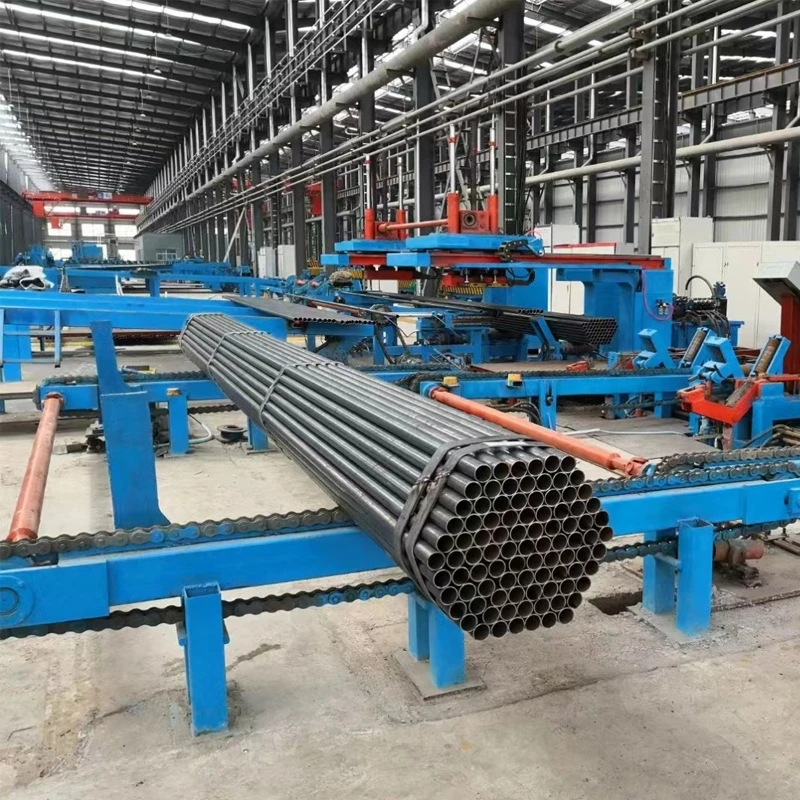
These trends highlight the continuous innovation in belling machine technology, ensuring that modern systems are not just tools for production but integral parts of an efficient, sustainable, and intelligent manufacturing workflow.
Process Flow: Manufacturing of a Belling Machine
The creation of a high-performance belling machine involves a meticulously engineered process, ensuring robust construction, precision operation, and extended service life. Each stage adheres to stringent quality control protocols, often benchmarked against international standards like ISO 9001 and ANSI. The typical manufacturing process includes:
- Design and Engineering: Utilizing CAD/CAM software, detailed blueprints are created, specifying structural components, hydraulic/pneumatic systems, electrical schematics, and control logic. Finite Element Analysis (FEA) simulates stress points to optimize material usage and ensure structural integrity.
- Material Selection: Critical components, such as frame elements, clamping mechanisms, and heating tool molds, are fabricated from high-grade alloy steels (e.g., S355JR, AISI 4140) for structural rigidity and wear resistance. Heating elements utilize specialized alloys like Kanthal. Precision-machined polymers and composites are used for non-contact parts requiring specific thermal or electrical properties.
- Raw Material Processing:
- Casting/Forging: Large structural components or specialized tool parts may undergo casting or forging to achieve specific metallurgical properties and complex geometries.
- CNC Machining: Precision components, including dies, molds, clamping jaws, and hydraulic cylinder parts, are machined to extremely tight tolerances using advanced CNC (Computer Numerical Control) milling, turning, and grinding machines, ensuring perfect alignment and fit.
- Surface Treatment: Components exposed to heat, wear, or corrosive environments undergo treatments such as nitriding, hard chrome plating, or specialized coatings to enhance durability and corrosion resistance.
- Assembly: Skilled technicians meticulously assemble the mechanical, hydraulic, pneumatic, and electrical subsystems. This includes installing sensors, wiring control panels, and integrating servo motors and gearboxes.
- Electrical and Control System Integration: PLC (Programmable Logic Controller) programming, HMI (Human-Machine Interface) development, and wiring of all electrical components are performed. Extensive functional testing ensures all control sequences, safety interlocks, and operational parameters meet specifications.
- Testing and Calibration: Each belling machine undergoes rigorous factory acceptance testing (FAT). This includes:
- Dimensional Accuracy: Verification of belling dimensions, concentricity, and parallelism using precision measuring instruments.
- Cycle Time Performance: Measurement of operational speed and throughput under various conditions.
- Safety System Checks: Ensuring all emergency stops, interlocks, and guarding mechanisms function correctly according to CE standards.
- Material Compatibility Tests: Running test pipes of specified materials and dimensions to confirm consistent belling quality.
- Quality Assurance and Documentation: A final comprehensive quality audit is conducted, and detailed operational manuals, maintenance guides, and compliance certificates are prepared.
The expected service life for a well-maintained belling machine often exceeds 15-20 years, a testament to robust design and material quality. These machines primarily serve target industries such as petrochemical (for conveying industrial fluids), metallurgy (for process piping), and critically, water supply & drainage and construction (for municipal and private infrastructure). In typical application scenarios, such as producing large diameter PVC-U pipes for municipal water networks, the energy-saving design minimizes operational costs, while the superior corrosion resistance of components ensures reliability even in harsh environments, reducing downtime and maintenance.
Technical Specifications and Performance Parameters
Understanding the technical specifications of a belling machine is crucial for aligning equipment capabilities with production demands. Modern systems are designed for high precision, versatility, and efficiency. Below is a representative table outlining key parameters for a typical advanced belling machine:
| Parameter | Specification Range | Notes |
|---|---|---|
| Pipe Diameter Range | 50 mm – 630 mm (2" – 24") | Customizable for larger/smaller diameters |
| Pipe Wall Thickness | 2 mm – 30 mm | Dependent on material and diameter |
| Belling Length | Up to 300 mm (12") | Adjustable per standard requirements (e.g., EN 1401, ASTM D3034) |
| Cycle Time | 20 – 60 seconds/bell | Varies with pipe size, material, and heating method |
| Heating Method | Infrared (IR) or Oven heating | IR for rapid, precise heating; oven for uniform, larger pipes |
| Control System | PLC with HMI Touchscreen | Siemens, Allen-Bradley, Mitsubishi options available |
| Power Consumption | 15 kW – 60 kW (Avg. running) | Peak consumption higher during heating cycle |
| Pneumatic Pressure | 0.6 – 0.8 MPa | Required for clamping and mandril operation |
| Cooling Method | Forced air or Water spray | Ensures shape retention and rapid cycle times |
| Material Compatibility | PVC-U, PVC-M, HDPE, PP, PPR | Specific tooling required for each material |
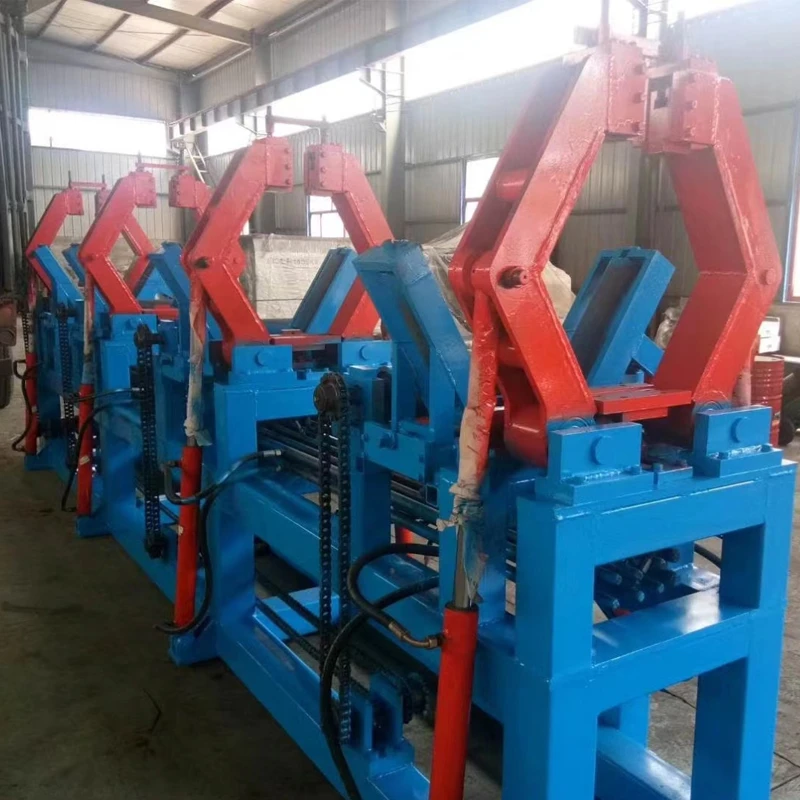
The control system is the brain of the belling machine, typically a high-performance PLC interfaced with a user-friendly HMI. This allows operators to precisely control heating temperature and duration, belling depth, and cooling time, ensuring consistent product quality regardless of pipe dimensions or material composition. Components like servo motors and robust hydraulic cylinders provide the necessary force and movement accuracy for flawless belling operations. Advanced diagnostic capabilities within the PLC further enhance reliability and facilitate proactive maintenance.
Diverse Application Scenarios
The versatility of the belling machine makes it indispensable across a spectrum of industries requiring reliable pipe jointing. Its ability to process various plastic pipe materials (PVC, HDPE, PP, etc.) allows for extensive application. Key scenarios include:
- Water Supply and Drainage Systems: This is arguably the largest application area. Belling machine systems produce pipes for municipal water distribution, sewage collection, and storm drainage. The ability to create robust, leak-proof joints is critical for preventing contamination and ensuring efficient flow in these essential infrastructures.
- Agriculture and Irrigation: For large-scale irrigation projects, efficiently joined pipes are crucial for water delivery. The speed and consistency of a belling machine ensure high production volumes for cost-effective agricultural solutions.
- Telecommunications and Cable Conduits: Protecting fiber optic and electrical cables requires durable conduits. Belling machines create secure connections for these protective casings, preventing water ingress and physical damage.
- HVAC and Ventilation Systems: Plastic pipes are increasingly used in certain HVAC applications. The belling machine ensures airtight connections for air ducts and condensate lines.
- Industrial Process Piping: In certain light industrial or chemical processing plants, plastic pipes are used for conveying non-aggressive fluids. The precision of the belling machine guarantees reliable seals in these environments.
The advantages in these typical scenarios are significant:
- Energy Saving: Modern belling machines feature optimized heating zones and intelligent temperature control, reducing energy consumption by up to 15-20% compared to older models. Precise heating minimizes heat loss and ensures only the necessary pipe section is softened.
- Corrosion Resistance: By producing perfect joints, the risk of leaks is minimized, protecting the integrity of the pipe system and preventing external corrosive elements from degrading pipe materials. Furthermore, the machine's own components are often made from corrosion-resistant materials or treated with protective coatings to ensure long-term operation in humid or dusty industrial settings.
- Increased Production Efficiency: Automated cycles and quick changeover times significantly boost throughput. A well-integrated belling machine can process pipes at rates exceeding 1,000 joints per 8-hour shift, depending on pipe size and material, dramatically reducing labor costs and improving overall line efficiency.
Technical Advantages and Innovation
The core strength of a state-of-the-art belling machine lies in its advanced technical features, designed to deliver unparalleled performance and reliability:
- Precision Heating Control: Modern machines utilize infrared (IR) heating elements with multiple zones, allowing for highly localized and uniform heating of the pipe end. PID (Proportional-Integral-Derivative) controllers maintain temperature within ±1°C, preventing material degradation and ensuring optimal softening for perfect belling. This minimizes material stress and ensures long-term joint integrity.
- Automated Mandrel Expansion: The belling process is driven by hydraulic or pneumatic mandrels that precisely expand the heated pipe end. Closed-loop feedback systems monitor pressure and position, ensuring consistent bell dimensions, concentricity, and wall thickness uniformity across all produced pipes.
- Rapid Cooling Systems: After forming, efficient cooling is critical to "set" the bell shape and prevent deformation. Forced air or water spray cooling systems accelerate this process, dramatically reducing cycle times without compromising dimensional stability. This is a key factor in maximizing production output.
- Quick Changeover Tooling: For manufacturers producing various pipe sizes and types, quick-change belling dies and mandrels are essential. Modern belling machine designs incorporate modular tooling systems that allow for changeovers in minutes, significantly reducing downtime and enhancing production flexibility.
- Integrated Diagnostics and Safety Features: PLC-based control systems include comprehensive self-diagnostics, providing real-time operational feedback and troubleshooting guides. Multiple safety interlocks, emergency stop buttons, and protective guarding comply with international safety standards (e.g., OSHA, CE), ensuring operator protection.
- Reduced Material Waste: The precision of the belling process minimizes rework and scrap material. Consistent quality ensures that each pipe bell meets specifications the first time, contributing to overall cost savings and environmental sustainability.
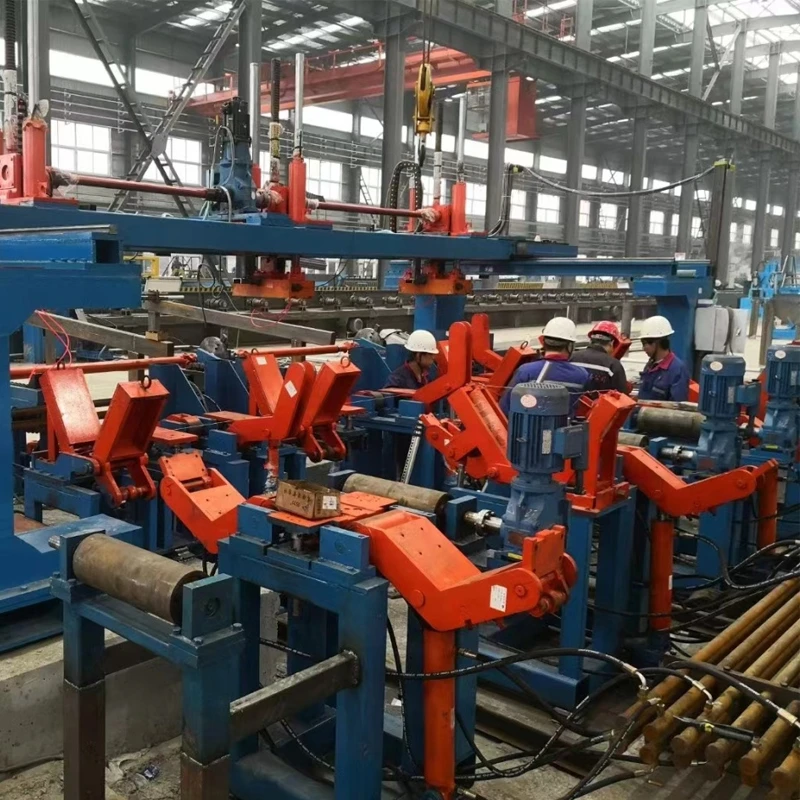
These innovations not only improve product quality and consistency but also contribute to lower operating costs, greater energy efficiency, and a safer working environment. The integration capabilities with other extrusion line components, such as `purlin machine` or `shutter machine` production lines, allow for highly optimized and synchronized manufacturing processes, boosting overall plant productivity.
Vendor Comparison and Differentiation
Selecting the right belling machine vendor is a strategic decision that impacts long-term operational efficiency and profitability. While many suppliers exist, key differentiators set leading manufacturers apart. A comparative analysis often focuses on aspects beyond initial purchase price:
| Feature/Criterion | Standard Vendor | Premium/Specialized Vendor |
|---|---|---|
| Automation Level | Semi-automatic, basic PLC | Fully automatic, Industry 4.0 ready, advanced PLC/HMI, remote diagnostics |
| Belling Precision & Consistency | Acceptable for general applications, some variance | High precision (±0.1mm), excellent repeatability, compliant with international standards |
| Energy Efficiency | Standard consumption | Optimized heating, energy-saving modes, 15-20% lower consumption |
| Material & Component Quality | Local/standard components | Premium global brands (Siemens, Rexroth, SMC), high-grade steel, robust construction |
| Customization Options | Limited standard options | Extensive customization for pipe sizes, materials, belling types, integration |
| After-Sales Support & Service | Regional, basic troubleshooting | Global network, 24/7 technical support, on-site commissioning, preventative maintenance programs |
| Certifications & Compliance | Basic local certifications | ISO 9001, CE, TUV, adherence to ASTM, DIN, EN standards |
| Longevity & ROI | Standard lifespan, moderate ROI | Extended service life (>15-20 years), high uptime, superior ROI through efficiency |
Premium vendors differentiate themselves through a commitment to R&D, utilizing proprietary heating and forming technologies, and employing only top-tier components from established global suppliers. They often provide more comprehensive pre-sales consultation and extensive after-sales support, including training, spare parts availability, and proactive maintenance programs. This ensures maximum uptime and optimal performance of the belling machine throughout its operational life. Furthermore, manufacturers with a proven track record, extensive client lists, and international certifications provide a higher level of trustworthiness and authoritativeness in the market, making them preferred partners for critical infrastructure projects, similar to how reliability is critical for `erw pipe machine` operations.
Customized Solutions for Unique Production Demands
While standard belling machine models cater to a wide range of applications, many industrial clients require tailored solutions to meet highly specific production demands, integrate with existing lines, or process unique materials. Customization is a hallmark of an expert vendor, ensuring the belling machine precisely aligns with operational objectives.
Customization options for a belling machine can include:
- Specialized Pipe Dimensions: Manufacturing pipe diameters outside standard ranges, including very small (e.g., 20mm) or exceptionally large (e.g., 1200mm+) pipes, requires custom mandrels, clamping systems, and heating zones.
- Unique Material Processing: While standard machines handle PVC, HDPE, and PP, some applications might involve less common polymers or composite pipes. This necessitates specific heating profiles, tooling materials (e.g., specialized coatings for reduced adhesion), and cooling methods.
- Integration with Existing Extrusion Lines: Seamless integration requires custom synchronization of speed, length measurement, and control signals with upstream extruders, pullers, and cutters. This ensures a continuous, efficient workflow, preventing bottlenecks.
- Specific Belling Profiles: Beyond standard solvent cement or rubber ring joints, some projects may require custom belling shapes or multiple belling operations for specialized fittings or connections. This involves custom-designed belling molds and multi-stage belling sequences.
- Automated Handling and Stacking: For high-volume production, integrating the belling machine with automated pipe handling, conveying, and stacking systems (like the Stacking Machine Products mentioned on the provided URL) can drastically improve efficiency and reduce labor, creating a fully automated production cell.
- Environmental Adaptations: For operations in extreme temperatures, high humidity, or corrosive atmospheres, customized machine enclosures, material selections, and enhanced environmental controls might be necessary to ensure reliability and longevity.
An experienced vendor will engage in a detailed consultation process, conducting thorough needs assessments and engineering analyses to develop a customized belling machine solution. This collaborative approach ensures that the final machinery not only meets technical specifications but also optimizes operational costs, boosts productivity, and provides a distinct competitive advantage for the client.
Real-World Case Studies and Client Successes
The tangible impact of a high-quality belling machine is best illustrated through real-world applications and client success stories. These examples demonstrate the machine's reliability, efficiency, and adaptability in challenging industrial environments.
Case Study 1: Large-Scale Municipal Water Project, EMEA Region
A major pipe manufacturer supplying a critical municipal water infrastructure project in a rapidly developing region required a belling machine capable of processing high volumes of PVC-U pipes ranging from 200mm to 630mm. The primary challenge was maintaining consistent bell dimensions and joint integrity under continuous 24/7 operation, crucial for reducing water loss and long-term network stability. Our customized `belling machine` solution, integrated with advanced IR heating and a robust PLC control system, achieved an average throughput of 850 bells per 8-hour shift for 300mm pipes, with a dimensional deviation of less than 0.15mm. This led to a 20% increase in production capacity and a significant reduction in joint failure rates compared to their previous equipment. Client feedback highlighted the machine's intuitive HMI and minimal maintenance requirements.
Case Study 2: High-Density Polyethylene (HDPE) Pipe for Mining Applications, South America
A specialized manufacturer producing HDPE pipes for corrosive slurry transport in open-pit mining operations needed a belling machine designed for the unique thermal properties of HDPE, which requires precise heating and controlled cooling to prevent thermal stress and material creep. The solution provided featured an advanced oven-heating system with multiple temperature zones and a rapid water-spray cooling module, specifically engineered for HDPE pipes up to 500mm diameter and 25mm wall thickness. This system successfully reduced cycle time by 30% compared to previous methods and improved joint strength by 15% (verified through pull-out tests), thereby extending the service life of pipelines in aggressive mining environments. The client praised the machine's robust construction and ability to withstand harsh operating conditions.
Case Study 3: Integrated Production Line for Electrical Conduits, Asia Pacific
A prominent producer of PVC electrical conduits sought to automate their entire production line, integrating the belling machine seamlessly with their extruder, cooling tank, haul-off, and cutter. The objective was to minimize manual handling and optimize throughput for conduits ranging from 50mm to 160mm. We supplied a compact, high-speed belling machine featuring synchronized controls that directly communicated with the upstream and downstream equipment. This enabled a fully automated process from raw material to finished, stacked pipes. The integration resulted in a 40% reduction in labor costs for the belling station and a 15% overall increase in line efficiency. The system's ability to handle high-speed production for multiple conduit sizes underscored its flexibility and contribution to profitability.
Trustworthiness: FAQ, Lead Time, Warranty, and Support
Establishing trust is fundamental in B2B partnerships. We address common concerns regarding the procurement and long-term operation of a belling machine:
Frequently Asked Questions (FAQ)
Q1: What types of pipes can your belling machine process?
A1: Our machines are designed to process various thermoplastic pipes, including PVC-U, PVC-M, HDPE, PP, and PPR. Specific tooling and heating profiles are configured for each material to ensure optimal belling quality.
Q2: What are the power requirements for your belling machine?
A2: Power requirements vary depending on the model and pipe diameter range, typically from 15 kW to 60 kW (average running power). We provide detailed electrical specifications and assistance with utility planning.
Q3: How difficult is it to operate and maintain the machine?
A3: Our belling machine features intuitive HMI interfaces and automated operation, minimizing operator training. Routine maintenance is straightforward, with clear instructions provided in the manual. We also offer comprehensive training programs for your technical staff.
Q4: Can the machine be integrated into an existing extrusion line?
A4: Yes, our belling machines are designed for seamless integration into existing or new extrusion lines. We provide necessary control interfaces and synchronization capabilities to ensure smooth operation with upstream and downstream equipment.
Lead Time and Fulfillment
Typical manufacturing lead times for a standard belling machine range from 8 to 12 weeks, depending on customization requirements and current production schedules. For highly specialized or large-scale orders, lead times may extend to 16-20 weeks. We maintain transparent communication throughout the manufacturing process, providing regular updates on milestones from design approval to factory acceptance testing (FAT) and final shipment. Expedited options may be available upon request, subject to production capacity.
Warranty Commitments
We stand by the quality and reliability of our belling machine products. All new machines come with a comprehensive 12-month warranty from the date of commissioning or 18 months from shipment, whichever comes first. This warranty covers manufacturing defects in materials and workmanship. Consumable parts are excluded, but critical components are covered for repair or replacement. Extended warranty options are available to provide additional peace of mind for long-term operations.
Customer Support and After-Sales Service
Our commitment extends beyond delivery. We offer a robust after-sales support system to ensure your belling machine operates at peak performance throughout its lifespan:
- Installation and Commissioning: Our expert engineers provide on-site installation, commissioning, and optimization services globally.
- Technical Training: Comprehensive training programs are offered for your operators and maintenance personnel, covering machine operation, routine maintenance, and basic troubleshooting.
- 24/7 Technical Assistance: Our dedicated support team is available around the clock via phone and email to provide immediate assistance for any operational queries or technical issues.
- Spare Parts Availability: We maintain a comprehensive inventory of genuine spare parts to minimize downtime. Critical components are stocked for immediate dispatch, ensuring quick resolution of any issues.
- Remote Diagnostics: Many of our advanced machines feature remote diagnostic capabilities, allowing our engineers to connect securely to your system for rapid troubleshooting and software updates.
- Preventative Maintenance Programs: We offer tailored service contracts for scheduled inspections and preventative maintenance, extending machine life and ensuring consistent performance.
Our global service network ensures that expert assistance is always within reach, supporting our clients wherever their operations are located. We are ISO 9001 certified, ensuring our processes meet international quality management standards.
Conclusion and Authoritative References
The modern belling machine is a cornerstone of efficient and high-quality plastic pipe manufacturing. Its evolution, driven by advancements in automation, precision engineering, and material science, underscores its pivotal role in diverse industries from water infrastructure to specialized industrial applications. Investing in a technologically advanced belling machine is not merely a purchase but a strategic decision that promises enhanced productivity, reduced operational costs, superior product quality, and long-term reliability. By partnering with a reputable vendor committed to customization, robust after-sales support, and adherence to international quality standards, businesses can ensure their pipe production capabilities remain competitive and aligned with future industrial demands. The seamless integration of these machines into a comprehensive production line, alongside other essential equipment such as `purlin machine` and `erw pipe machine` lines, paves the way for optimized manufacturing ecosystems.
References
- International Organization for Standardization (ISO). ISO 9001:2015 Quality management systems – Requirements.
- American Society for Testing and Materials (ASTM). ASTM D3034 Standard Specification for Type PSM Poly(Vinyl Chloride) (PVC) Sewer Pipe and Fittings.
- The European Committee for Standardization (CEN). EN 1401 Plastics piping systems for non-pressure underground drainage and sewerage – Unplasticized poly(vinyl chloride) (PVC-U).
- Plastics Industry Association. "Plastics Industry Trends Report." [Annual Publication].
- Machine Design Magazine. "Advances in Industrial Automation and Control Systems." [Periodical].
-
Comprehensive Guide to hdpe Making Machines: Global Impact, Features & TrendsNewsDec.02,2025
-
Comprehensive Guide to Garden Pipe Manufacturing Machine – Features, Benefits, and TrendsNewsDec.02,2025
-
Comprehensive Guide to Garden Pipe Making Machines: Features, Trends & BenefitsNewsDec.02,2025
-
Comprehensive Guide to Galvanized Pipe Making Machine – Durability & Innovation in Steel PipesNewsDec.02,2025
-
What Is an Extrusion Pipe Machine? Global Importance, Applications & BenefitsNewsDec.02,2025
-
Comprehensive Guide to ERW Tube Mill Machine: Global Insights and Industry ApplicationsNewsDec.02,2025
