

High-Efficiency Belling Machine: Precision Pipe End Forming Solutions
Introduction to Belling Machine Technology
In the realm of modern pipe manufacturing, the belling machine stands as a critical component, essential for producing high-quality, accurately formed pipe ends. This specialized equipment is fundamental for creating the flared, or "bell," shape at one end of a pipe, allowing for seamless, leak-proof connections in various piping systems. Its role is pivotal across industries ranging from municipal infrastructure to industrial applications, ensuring the integrity and efficiency of fluid transfer networks.
The demand for precision and reliability in pipe connections has driven continuous innovation in belling machine technology. Manufacturers and engineering firms require machinery that can handle diverse pipe materials—such as PVC, PE, and PP—with consistent accuracy, high throughput, and minimal operational costs. This article delves into the intricate details of belling machine operations, technical advantages, application versatility, and strategic considerations for B2B stakeholders.
Industry Trends in Automated Pipe Manufacturing
The global pipe manufacturing industry is witnessing significant trends driven by urbanization, infrastructure development, and a growing emphasis on sustainability. Automation and precision engineering are at the forefront, with a strong push towards integrated production lines. Modern trends highlight:
- Increased Automation and Integration: The shift from standalone units to fully integrated systems is paramount. Belling machines are increasingly designed for seamless integration with pipe extrusion lines, cutting systems, and stacking solutions, enhancing overall production efficiency and reducing manual intervention.
- Demand for Multi-Material Capability: While PVC remains dominant, the demand for belling machines capable of processing PE and PP pipes is rising, particularly for higher-pressure applications and corrosive environments.
- Energy Efficiency: With escalating energy costs and environmental regulations, manufacturers are prioritizing machines with optimized heating and cooling systems, reducing power consumption without compromising throughput.
- Smart Manufacturing (Industry 4.0): Integration of IoT sensors, real-time data analytics, and predictive maintenance features are becoming standard, enabling operators to monitor performance, anticipate issues, and optimize production schedules.
- Specialized Pipe Forming: Beyond standard O-ring and solvent cement belling, there's an increasing need for machines that can create specialized pipe ends for complex applications, including those typically processed by a purlin machine for structural components or a shutter machine for unique profiles. The flexibility of belling equipment to handle various pipe types, similar to how an erw pipe machine forms welded pipes, is gaining importance.
These trends underscore the importance of investing in advanced belling machine technology that offers not just performance but also adaptability and long-term cost-effectiveness.
Detailed Process Flow of a Belling Machine
The manufacturing process executed by a belling machine is a precise sequence of steps designed to shape the pipe end accurately and consistently. Understanding this flow is crucial for appreciating the engineering involved:
Key Stages of Belling Operation:
- Pipe Input & Clamping: An extruded pipe, typically cut to length, is fed into the belling machine. Precision clamping mechanisms secure the pipe firmly, ensuring stability during the heating and forming stages.
- Heating: The end of the pipe designated for belling is uniformly heated to its softening point. Common heating methods include infrared (IR) heaters or hot air circulation. The temperature profile is meticulously controlled to ensure consistent material plasticity across the pipe circumference, preventing material degradation or uneven expansion.
- Forming (Belling): Once the pipe end reaches the optimal temperature, a precisely shaped belling mandrel is inserted. The mandrel expands the pipe end to the desired bell shape and internal diameter. This can be for O-ring joints, solvent cement sockets, or plain end forming, depending on the application. The expansion is controlled pneumatically or hydraulically, ensuring smooth and uniform shaping.
- Cooling: Rapid and controlled cooling is initiated immediately after forming to set the bell shape permanently and prevent material shrinkage or distortion. This can involve forced air circulation or water spray, carefully managed to achieve optimal material crystallization.
- Ejection: The finished, belled pipe is then released and ejected from the machine, ready for subsequent processing (e.g., stacking, quality inspection).
Product Materials & Manufacturing Processes:
The belling machine itself is constructed from robust, high-performance materials. Structural frames often utilize high-grade carbon steel or alloy steel, fabricated through processes like welding and precision CNC machining to ensure rigidity and dimensional accuracy. Critical components such as mandrels and clamping jaws are made from hardened tool steel or special alloys, often enhanced with surface treatments (e.g., nitriding, chrome plating) to resist wear and corrosion, extending service life.
Testing Standards & Service Life:
To ensure the quality of belled pipes, manufacturing adheres to international standards such as ISO 9001 for quality management and relevant ASTM/DIN/ANSI standards for pipe dimensions and tolerances (e.g., ANSI B16.4 for pipe fittings). A well-maintained belling machine, constructed with quality components, typically boasts a service life of 15-20 years, even under continuous heavy-duty operation.
Target Industries & Advantages:
These machines are indispensable in target industries including: petrochemical, metallurgy, water supply & drainage, and general construction. Advantages in typical application scenarios include:
- Energy Saving: Advanced machines feature optimized heating elements and insulation, reducing energy consumption by up to 15-20% compared to older models.
- Corrosion Resistance: Material selection for critical parts ensures longevity, especially when processing pipes for aggressive environments, reducing maintenance costs.
- High Precision & Consistency: Digital controls (PLC, HMI) ensure precise temperature and pressure management, leading to uniform bell dimensions and superior joint integrity.
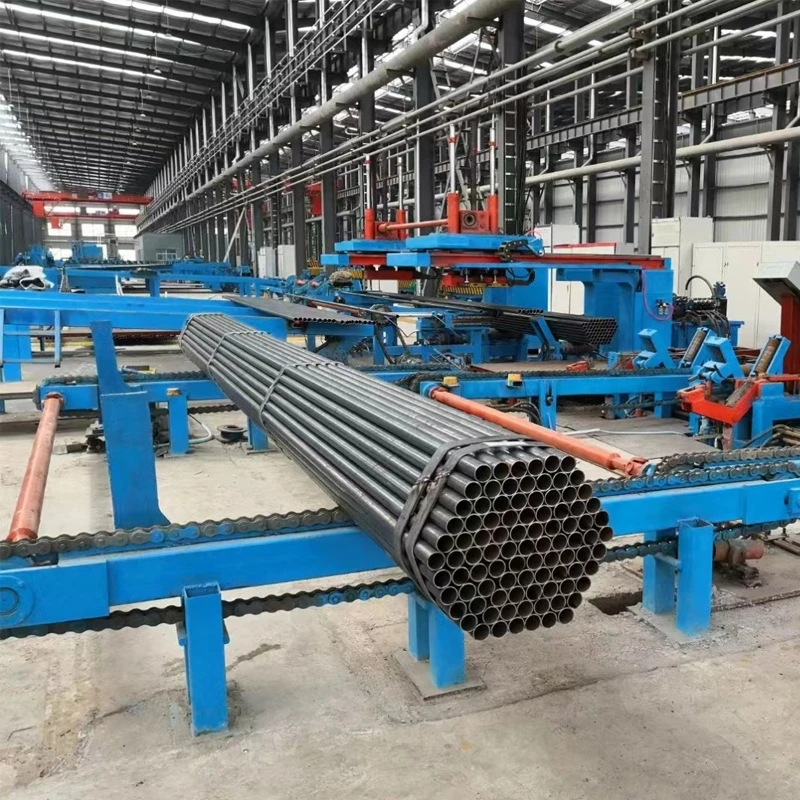
Technical Specifications and Parameters
The performance of a belling machine is defined by its technical specifications. These parameters are crucial for evaluating suitability for specific production needs.
| Parameter | Typical Range/Value | Significance |
|---|---|---|
| Pipe Diameter Range | 50 mm to 630 mm (or up to 1200 mm for large scale) | Determines the versatility of the machine for different pipe sizes. |
| Belling Type | O-ring joint, Solvent Cement, Plain End (Custom available) | Indicates compatibility with various connection methods. |
| Heating Method | Infrared (IR) Heating / Hot Air Circulation | Affects heating speed, uniformity, and energy efficiency. IR is often faster and more precise. |
| Total Power Consumption | 15 kW - 60 kW (depending on pipe size and speed) | Influences operational costs. Efficient models minimize power usage. |
| Production Capacity | 60 - 300 pipes/hour (varies with pipe diameter) | Key metric for production output and line efficiency. |
| Control System | PLC with HMI Touch Screen (e.g., Siemens, Schneider, Omron) | Enables precise control, recipe management, diagnostics, and user-friendliness. |
| Belling Accuracy | ±0.1 mm to ±0.3 mm (internal diameter) | Crucial for ensuring tight, leak-proof pipe connections. |
| Cooling Method | Forced Air / Water Spray | Impacts cooling time, shape retention, and overall cycle speed. |
| Machine Frame Material | High-Tensile Steel, Precision Welded & Machined | Ensures structural stability, vibration damping, and long-term durability. |
These specifications highlight a machine's capability to meet stringent production demands, emphasizing the balance between speed, precision, and operational efficiency.
Application Scenarios for Belling Machines
The versatility of belling machines makes them indispensable across a wide spectrum of industries and applications:
- Water Supply and Distribution Networks: Production of PVC, PE, and PP pipes for potable water, featuring O-ring joints for ease of installation and leak-proof performance under pressure.
- Sewerage and Drainage Systems: Manufacturing of large-diameter pipes for municipal and industrial wastewater, often using solvent cement or rubber gasket joints for robust, enduring connections in demanding underground environments.
- Agricultural Irrigation Systems: Creation of cost-effective, easily connectable pipes for efficient water distribution in farming, often requiring high-speed belling for large volumes.
- Industrial Fluid Transfer: For chemical processing plants or manufacturing facilities, special belling configurations might be required for pipes transporting various fluids, where material compatibility and joint integrity are paramount.
- Electrical Conduit Systems: Forming of PVC conduits with solvent cement ends for protecting electrical wiring, ensuring smooth internal surfaces for cable pulling and secure connections.
- Building and Construction: Used for creating HVAC ducting, plumbing systems, and specialized pipe structures within residential and commercial buildings.
The adaptability of a belling machine to produce various pipe end configurations makes it a cornerstone of modern pipe manufacturing, catering to diverse functional requirements.
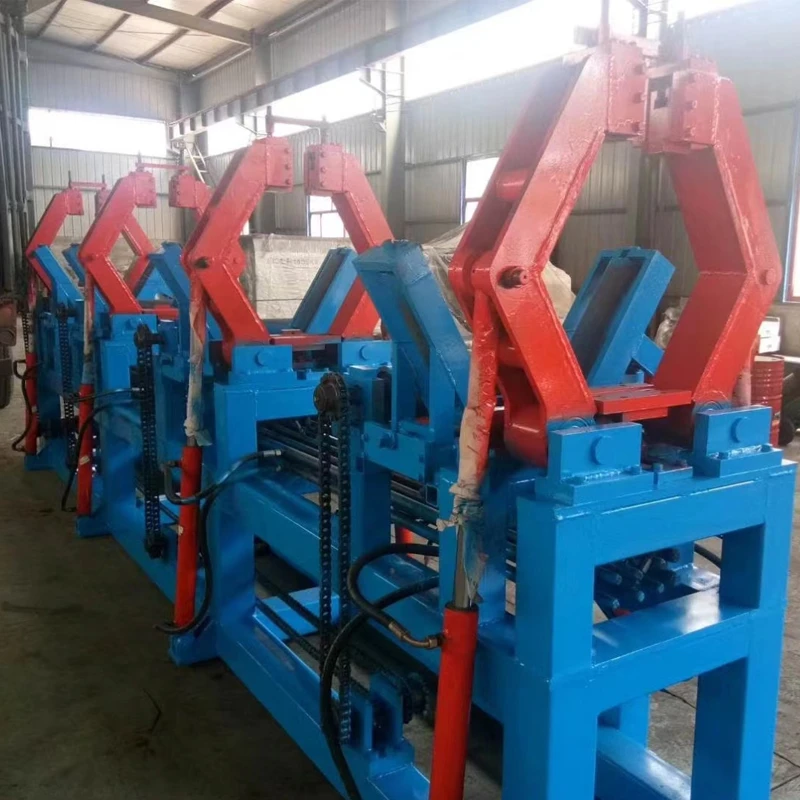
Technical Advantages of Advanced Belling Machines
Modern belling machines offer significant technical advantages that translate directly into operational efficiency and product quality for manufacturers:
- High Precision and Repeatability: Advanced PLC controls and servo-driven mechanisms ensure bell dimensions are consistent within microns, crucial for reliable pipe jointing and compliance with international standards (e.g., ISO 4427, ASTM D2241). This minimizes rework and material waste.
- Optimized Energy Consumption: Utilizing efficient IR heating elements and intelligent thermal management, modern machines reduce energy usage by up to 20-25% compared to conventional systems. This contributes to lower operating costs and a reduced carbon footprint.
- Enhanced Automation and Reduced Labor: Fully automated loading, heating, belling, and unloading processes minimize manual intervention, leading to higher throughput, reduced labor costs, and improved workplace safety. Integration with automatic stacking machines further streamlines post-production handling.
- Robust Construction and Durability: Constructed from heavy-duty, stress-relieved steel frames and using high-quality components from reputable brands (e.g., Siemens, Rexroth), these machines are built for continuous operation in harsh industrial environments, offering extended service life.
- Quick Changeover Systems: Tool-less or minimal-tooling mandrel and clamp changeover systems enable rapid adaptation to different pipe diameters and belling types, significantly reducing downtime and increasing production flexibility.
- Integrated Diagnostics and Remote Monitoring: HMI interfaces provide real-time operational data, fault diagnostics, and production analytics. Some advanced systems offer remote monitoring capabilities, allowing for proactive maintenance and troubleshooting, enhancing uptime and productivity.
These advantages collectively position advanced belling machines as a strategic investment for pipe manufacturers aiming for competitive edge and operational excellence.
Vendor Comparison for Belling Machine Solutions
Selecting the right belling machine vendor is a strategic decision influencing long-term operational costs, product quality, and competitive advantage. Key factors for comparison include technology, customization, after-sales support, and overall value proposition. Below is a comparative overview of common vendor characteristics:
| Feature | Vendor A (Entry-Level/Regional) | Vendor B (Mid-Tier/Balanced) | Vendor C (Premium/Specialized) |
|---|---|---|---|
| Technology Level | Basic hydraulic/pneumatic, manual adjustments | PLC control, semi-automatic, good precision | Advanced PLC, servo motors, full automation, IoT integration |
| Belling Accuracy | ±0.5 mm | ±0.2 - 0.3 mm | ±0.1 mm |
| Energy Efficiency | Standard | Good, optimized heating | Excellent, intelligent power management |
| Customization | Limited to standard configurations | Moderate options for pipe size/type | Extensive, bespoke engineering solutions |
| After-Sales Support | Regional, basic phone support | National/Limited international, remote & on-site | Global 24/7, extensive on-site, predictive maintenance |
| Certifications | Local safety standards | CE, some ISO standards | ISO 9001, CE, UL, stringent compliance |
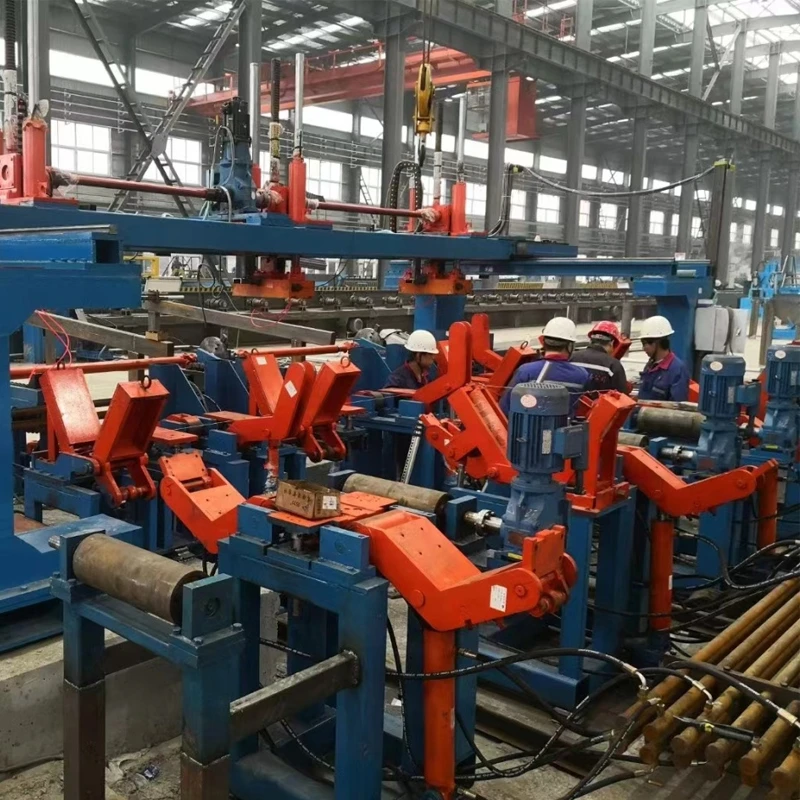
This comparison highlights that while entry-level machines offer a lower initial investment, premium solutions provide superior precision, efficiency, and comprehensive support, often resulting in a lower total cost of ownership over the machine's lifespan. Evaluating these aspects against specific production volume, quality requirements, and budget is critical.
Customized Belling Machine Solutions
Off-the-shelf belling machines may not always meet the unique demands of specialized production lines or niche markets. Leading manufacturers offer extensive customization options to tailor machinery precisely to client specifications. This ensures optimal performance and seamless integration into existing operations.
Areas of Customization:
- Pipe Diameter and Length Range: Custom machines can be engineered to handle exceptionally small or unusually large pipe diameters and varying lengths, beyond standard commercial offerings.
- Specialized Belling Profiles: Beyond standard O-ring and solvent cement, unique bell shapes for proprietary coupling systems or specific industrial applications can be designed and manufactured. This includes bell designs for multi-layer pipes or pipes with internal coatings.
- Material-Specific Adaptations: Fine-tuning heating elements, temperature control profiles, and mandrel materials for exotic polymers or highly sensitive plastic compounds ensures optimal belling without material degradation.
- Integration with Existing Production Lines: Custom solutions ensure seamless mechanical and electrical interface with upstream extrusion equipment and downstream handling systems (e.g., haul-offs, cutting, stacking machines). This often involves custom control software development.
- Automation Level: From semi-automatic setups with operator assistance to fully automated, robot-integrated systems for lights-out manufacturing, the level of automation can be scaled to meet throughput and labor efficiency goals.
- Environmental Considerations: Custom designs can incorporate enhanced energy recovery systems, noise reduction measures, or specialized ventilation for cleanroom environments.
Engaging with experienced engineering teams early in the procurement process allows for the development of a tailored belling machine solution that precisely addresses operational challenges and maximizes return on investment.
Application Case Studies
Real-world applications demonstrate the transformative impact of advanced belling machine technology:
Case Study 1: High-Volume PE Pipe Production for Municipal Water Infrastructure
A major municipal water authority required a solution to produce large quantities of high-pressure PE pipes (250-500mm diameter) with precise O-ring belling for a vast urban water supply network expansion project. Their existing equipment struggled with consistency and throughput for these demanding specifications.
- Challenge: Achieve high-speed production (over 100 pipes/hour) while maintaining O-ring groove precision within 0.1mm for leak-proof performance, under varied environmental conditions.
- Solution: Implemented a customized, fully automated belling machine featuring a dual-station design, advanced IR heating with multi-zone temperature control, and a high-accuracy servo-driven belling mandrel. The system included integrated cooling and automated stacking.
- Results: Production efficiency increased by 35%, exceeding project targets. Bell dimension consistency improved by 40%, significantly reducing field installation issues and ensuring robust pipeline integrity. Energy consumption was also reduced by 18% due to optimized heating cycles, contributing to operational savings. The project was completed ahead of schedule, with positive customer feedback on pipe quality.
Case Study 2: Corrosion-Resistant PP Pipe Manufacturing for Chemical Industry
A leading chemical manufacturer needed PP pipes (110-315mm diameter) with specialized solvent cement belling for corrosive chemical waste drainage. Their existing machine caused material stress, leading to hairline cracks and joint failures.
- Challenge: Bell PP pipes for solvent welding without inducing internal stress or thermal degradation, critical for preventing chemical leaks in highly aggressive environments.
- Solution: A specially engineered belling machine with a fine-tuned hot-air heating system and custom-designed, low-friction mandrels. The machine's PLC was programmed with specific temperature and pressure profiles optimized for PP's unique thermal properties, incorporating a slower cooling phase to mitigate stress.
- Results: Eliminating material stress during belling resulted in a 100% reduction in joint failures attributed to machine processing. The produced pipes exhibited superior chemical resistance and mechanical strength, leading to a safer and more reliable drainage system. The specialized machine also offered quicker setup times for different PP pipe sizes.
Frequently Asked Questions (FAQ) about Belling Machines
- Q1: What types of plastic pipes can a belling machine process?
- A: Modern belling machines are typically designed to process various thermoplastic pipes, including PVC (Polyvinyl Chloride), PE (Polyethylene), and PP (Polypropylene). Advanced models often include customizable heating profiles and tooling to optimize processing for each material.
- Q2: What are the common belling joint types available?
- A: The most common joint types are O-ring joint (for rubber gasket sealing), solvent cement joint (for chemical bonding), and plain end (for butt welding or other mechanical connections). Specialized machines can also form custom bell profiles.
- Q3: How does a belling machine ensure precision and consistency?
- A: Precision is ensured through advanced PLC (Programmable Logic Controller) systems, HMI (Human Machine Interface) for precise parameter input, and often servo-motor driven mechanisms for controlled movement of mandrels. Uniform heating and rapid, controlled cooling cycles also contribute to consistent bell formation, typically achieving tolerances of ±0.1mm.
- Q4: What safety features are integrated into modern belling machines?
- A: Contemporary machines incorporate multiple safety features such as emergency stop buttons, protective interlocks on access doors, light curtains, overload protection for motors, and comprehensive guarding around moving parts and heating zones to ensure operator safety.
- Q5: What is the typical lead time for a new belling machine?
- A: Standard models typically have a lead time of 8-12 weeks from order confirmation to delivery. Highly customized or large-scale integrated solutions may require 16-24 weeks or more, depending on complexity and specific component sourcing.
Lead Time, Warranty, and After-Sales Support
Lead Time and Fulfillment:
Our commitment to efficient delivery ensures minimal disruption to your production schedule. For standard belling machine models, the typical lead time from order confirmation to factory dispatch is 8-12 weeks. Customized solutions, due to their bespoke engineering and specialized component requirements, generally entail a lead time of 16-24 weeks. We maintain transparent communication throughout the manufacturing and logistics process, providing regular updates on your order status. Pre-shipment testing and quality assurance checks are meticulously performed to guarantee product readiness upon arrival.
Warranty Commitments:
All our belling machine products come with a comprehensive 12-month warranty covering manufacturing defects and critical components, effective from the date of installation or 18 months from shipment, whichever comes first. This warranty includes parts and labor for covered repairs, excluding normal wear-and-tear items such as heating elements or seals. Extended warranty packages, offering up to 24 or 36 months of coverage, are available upon request to provide additional peace of mind and long-term operational security.
Customer Support and After-Sales Service:
Our dedication extends beyond the sale of the machine. We offer robust after-sales support designed to maximize your equipment's uptime and performance. This includes:
- 24/7 Technical Assistance: Our global team of expert technicians is available around the clock to provide remote troubleshooting and technical guidance via phone, email, or video conferencing.
- On-Site Installation and Training: We provide professional installation services and comprehensive operational and maintenance training for your staff at your facility, ensuring seamless integration and efficient operation from day one.
- Spare Parts Availability: A readily available inventory of genuine spare parts is maintained to facilitate quick replacements and minimize downtime. Critical components can be dispatched globally within 24-48 hours.
- Preventive Maintenance Programs: Tailored maintenance contracts are offered to schedule regular inspections and proactive servicing, extending the lifespan of your machine and ensuring continuous peak performance.
Our goal is to forge lasting partnerships, providing unparalleled service and support to ensure your investment in our belling machine technology delivers sustained value.
Authoritative References
This content draws upon established industry standards and academic research in polymer processing and manufacturing:
- ISO 4427-2:2019. Plastics piping systems for water supply, and for drainage and sewerage under pressure — Polyethylene (PE) — Part 2: Pipes. International Organization for Standardization.
- ASTM D2241. Standard Specification for Poly(Vinyl Chloride) (PVC) Pressure-Rated Pipe (SDR Series). ASTM International.
- Rosato, D. V., & Rosato, D. V. (2000). Plastic pipe and fittings. Carl Hanser Verlag GmbH Co KG.
- Crawford, R. J. (1998). Plastics engineering. Butterworth-Heinemann.
- Sadlier, M. (2007). Pipe, Pipeline and Tube Technology. Woodhead Publishing.
-
Comprehensive Guide to hdpe Making Machines: Global Impact, Features & TrendsNewsDec.02,2025
-
Comprehensive Guide to Garden Pipe Manufacturing Machine – Features, Benefits, and TrendsNewsDec.02,2025
-
Comprehensive Guide to Garden Pipe Making Machines: Features, Trends & BenefitsNewsDec.02,2025
-
Comprehensive Guide to Galvanized Pipe Making Machine – Durability & Innovation in Steel PipesNewsDec.02,2025
-
What Is an Extrusion Pipe Machine? Global Importance, Applications & BenefitsNewsDec.02,2025
-
Comprehensive Guide to ERW Tube Mill Machine: Global Insights and Industry ApplicationsNewsDec.02,2025
