

High-Quality Line Pipe Steel for Oil & Gas | Reliable Solutions
Understanding the Critical Role of Line Pipe Steel in Modern Infrastructure
The backbone of global energy and resource transportation, line pipe steel is an indispensable material for constructing pipelines that traverse vast distances, often under extreme environmental conditions. These pipelines facilitate the safe and efficient conveyance of oil, natural gas, water, and other critical fluids, serving as lifelines for industries ranging from petrochemicals to municipal water supply. The demand for robust, reliable, and high-performance line pipe continues to escalate, driven by expanding energy needs and infrastructure development worldwide.
At its core, line pipe refers to steel pipes designed for the transmission of fluids. The steel grades, manufacturing processes, and subsequent treatments are engineered to meet stringent international standards for pressure resistance, corrosion inhibition, and structural integrity. This foundational element ensures operational safety and longevity across diverse applications, making material selection and manufacturing precision paramount.
Current Industry Trends Shaping Line Pipe Manufacturing
The global pipeline industry is currently undergoing significant transformation, influenced by a confluence of technological advancements, environmental regulations, and shifting energy landscapes. Key trends impacting the demand and specifications for line pipe steel include:
- Decarbonization and Energy Transition: A growing emphasis on reducing carbon emissions is driving investment in infrastructure for cleaner energy sources. This includes pipelines for hydrogen, carbon capture and storage (CCS) projects, and biofuels. These applications often require specialized linepipe materials and coatings capable of handling unique fluid properties and higher pressures.
- Increased Demand for Larger Diameters and Higher Pressures: As energy projects scale up to meet global demand, there is a consistent push for pipelines with larger diameters and higher operating pressures to maximize throughput. This necessitates advanced steel grades with superior strength-to-weight ratios and enhanced fracture toughness.
- Digitalization and Smart Pipelines: The integration of IoT sensors, AI-driven monitoring, and predictive maintenance technologies is becoming standard. While not directly impacting the physical steel, these innovations require precise dimensional control and material consistency to facilitate seamless sensor integration and reliable data acquisition throughout the steel pipe line.
- Strict Environmental and Safety Regulations: Regulatory bodies worldwide are imposing stricter standards for pipeline safety, environmental protection, and leak prevention. This mandates more rigorous testing, higher quality control during manufacturing, and a focus on materials with enhanced corrosion resistance and improved weldability, especially for projects involving welded gas pipe.
- Advanced Material Development: Research and development are continuously yielding new steel alloys and composites that offer improved performance characteristics, such as increased resistance to stress corrosion cracking (SCC), hydrogen-induced cracking (HIC), and extreme temperatures.
These trends collectively underscore the critical need for continuous innovation in line pipe steel manufacturing, ensuring that materials meet evolving operational demands and regulatory landscapes.
Detailed Process Flow for Welded Line Pipe Steel Production
The manufacturing of line pipe steel involves a sophisticated series of processes designed to transform raw steel into high-integrity pipes. While seamless pipes are forged from solid billets, welded line pipes, particularly for larger diameters, are predominantly produced from steel plates or coils. The primary methods for welded line pipe include Electric Resistance Welding (ERW), Submerged Arc Welding (SAW – Longitudinal (LSAW) and Helical/Spiral (HSAW)), and High-Frequency Induction (HFI) welding.
Materials and Initial Preparation:
- Raw Material: High-quality steel coils (for ERW/HFI) or plates (for LSAW/HSAW) are selected based on required steel grades (e.g., API 5L Gr. B, X42, X52, X60, X70, X80). These materials are typically low-carbon manganese steels with controlled microstructures for excellent weldability and toughness.
- Edge Preparation: For plate-based processes, edges are precisely trimmed and beveled to ensure optimal welding surfaces. For coil-based processes, coil ends are squared and sometimes edge-milled.
Manufacturing Processes:
Here we focus on the common welded pipe methods:
1. UOE/JCOE Process (for LSAW pipes):
- U - U-Forming: The steel plate is progressively formed into a U-shape using a forming machine.
- O - O-Forming: The U-shaped plate is then formed into a complete O-shape (cylinder) using a powerful crimping machine.
- E - Expanding: The O-formed pipe is cold-expanded mechanically to achieve precise diameter, improve dimensional accuracy, and enhance material yield strength.
- JCOE Variation: Involves J-C-O forming sequence, often used for very thick or high-grade plates.
After forming, internal and external SAW welding completes the seam.
2. HSAW (Helical Submerged Arc Welding) Process:
A continuous steel coil is fed at an angle, and the edges are formed helically into a pipe shape. Continuous welding (SAW) is then applied along the spiral seam. This is cost-effective for larger diameters and specific applications like welded gas pipe.
3. ERW/HFI (Electric Resistance Welding / High-Frequency Induction) Process:
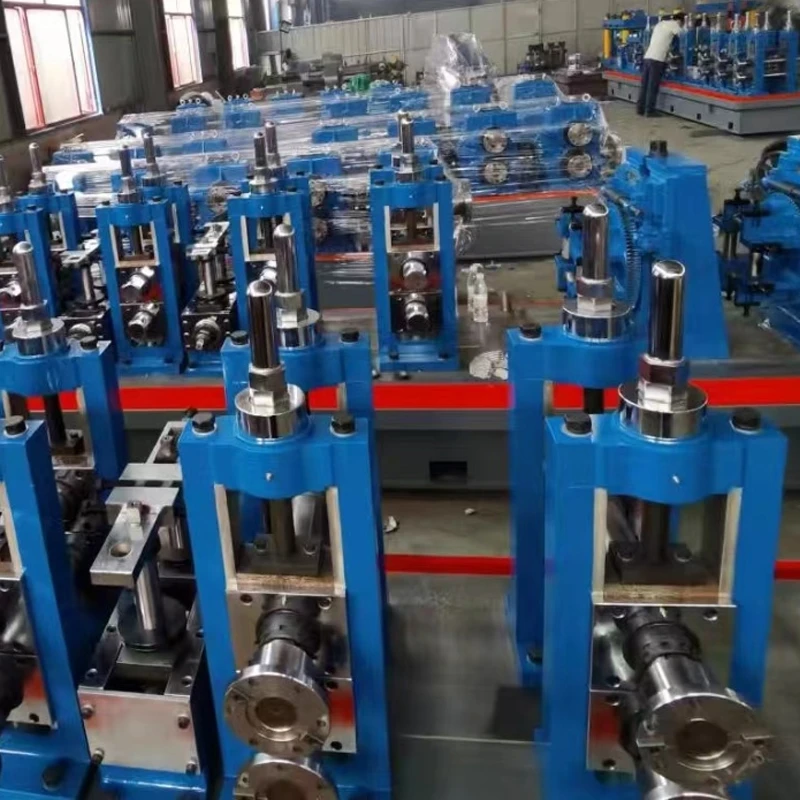
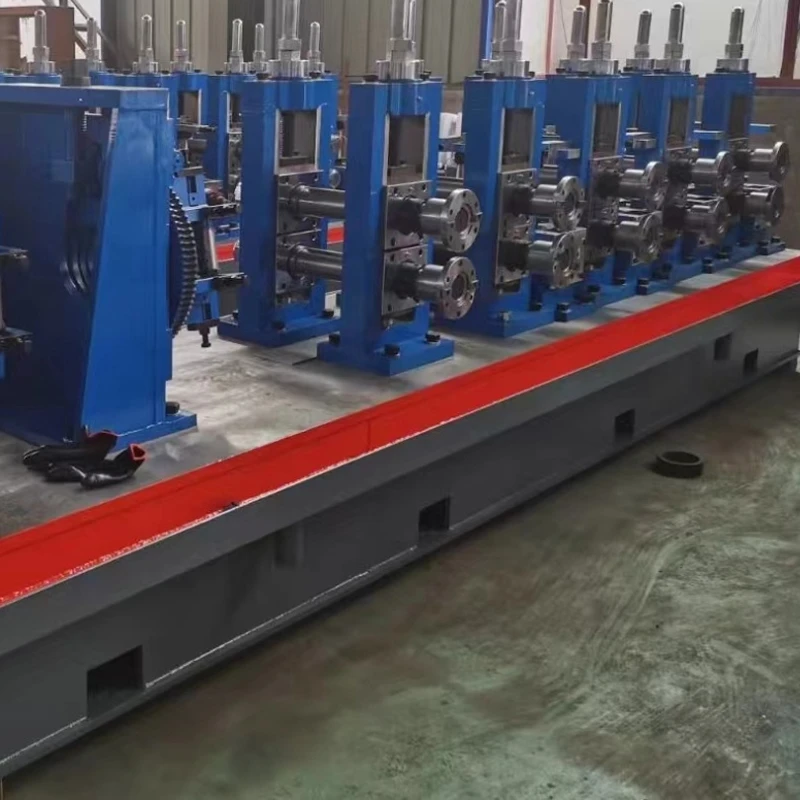
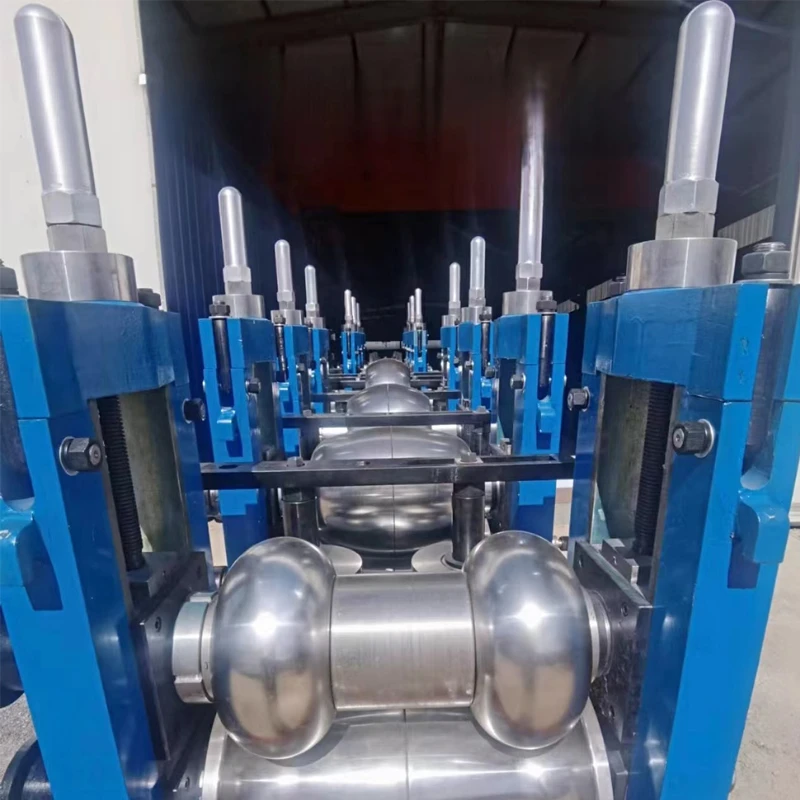
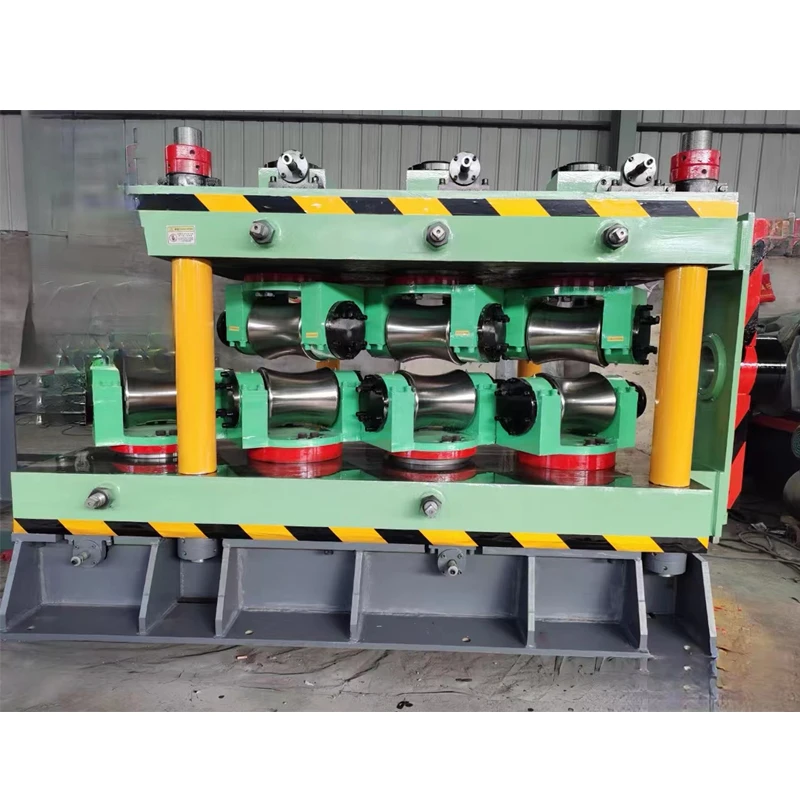
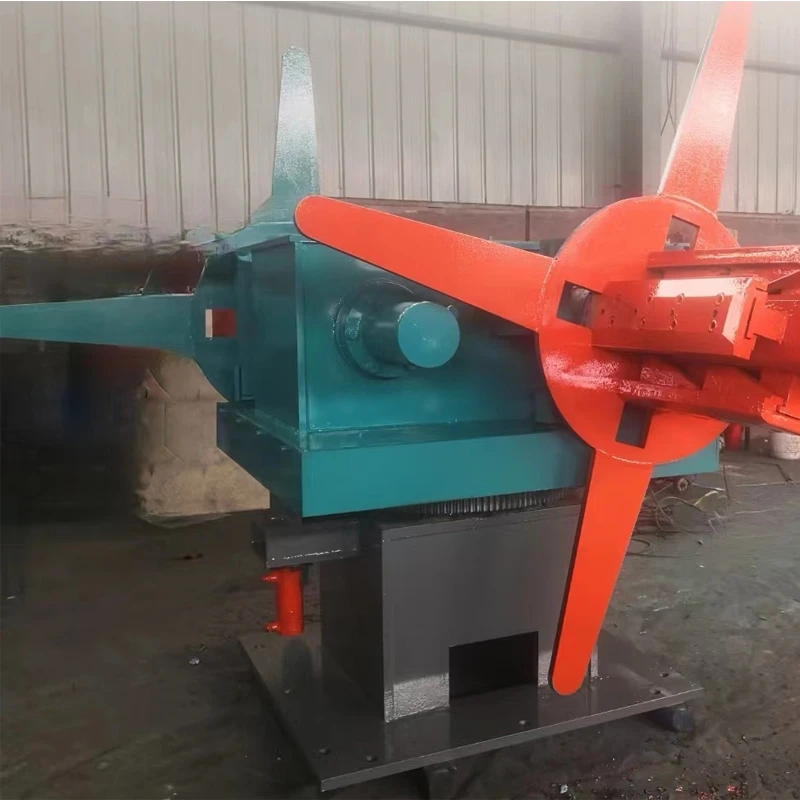
Steel coil is continuously uncoiled, flattened, and formed into an open-seam tube. High-frequency electrical current heats the edges to forging temperature, and pressure rollers forge them together without filler metal, creating a strong, clean weld. This method is ideal for smaller to medium diameter line pipe steel.
Post-Welding and Finishing:
- Heat Treatment: Depending on the steel grade and desired properties, pipes may undergo heat treatment (e.g., normalizing, quenching, tempering) to refine grain structure and improve mechanical properties.
- Sizing and Straightening: Pipes are sized to final dimensions and straightened to ensure precise alignment.
- End Finishing: Pipe ends are beveled for field welding.
- Non-Destructive Testing (NDT): Comprehensive NDT methods like ultrasonic testing (UT), radiographic testing (RT), magnetic particle inspection (MPI), and visual inspection are applied to detect any internal or surface defects.
- Hydrostatic Testing: Each pipe is subjected to internal pressure testing to verify its strength and leak-tightness under specified operating conditions, adhering to standards like API 5L/ISO 3183.
- Protective Coating: External and internal coatings (e.g., FBE, 3LPE, liquid epoxy) are applied to provide corrosion resistance, prolong service life, and meet specific project requirements for the steel pipe line.
Testing Standards and Service Life:
All manufacturing stages and final products adhere to stringent international standards, primarily API Specification 5L (ISO 3183), ASTM A53, and ANSI B36.10M. These standards dictate chemical composition, mechanical properties, dimensions, testing procedures, and acceptable defect levels. Adherence to these standards, combined with advanced manufacturing and quality control, ensures a service life often exceeding 50 years, even in challenging environments.
Target industries include petrochemical (oil & gas transmission), metallurgy (slurry pipelines), water supply & drainage, and power generation. The advantages demonstrated are consistently high energy saving through optimized flow, superior corrosion resistance via advanced coatings and material selection, and exceptional structural integrity under dynamic loads.
Technical Specifications and Parameters of Line Pipe Steel
Selecting the appropriate line pipe steel requires a thorough understanding of its technical specifications. These parameters define the pipe's suitability for specific applications, dictating its performance under pressure, temperature, and corrosive environments. The following table provides typical specifications based on API 5L, the globally recognized standard for line pipe.
Typical API 5L Line Pipe Steel Specifications
| Parameter | API 5L Grade (Typical) | Value/Range | Description/Relevance |
|---|---|---|---|
| Material Grade | API 5L Gr. B to X80 (and higher) | Yield Strength: 245 MPa (X42) to 555 MPa (X80) | Higher grades offer greater strength, allowing thinner walls for same pressure, reducing material weight and cost. |
| Outer Diameter (OD) | All grades | Typically 21.3 mm (0.84 in) to 1524 mm (60 in) | Determined by flow rate requirements. LSAW/HSAW for larger, ERW for smaller/medium. |
| Wall Thickness (WT) | All grades | Typically 3.2 mm (0.125 in) to 40 mm (1.57 in) | Impacts pressure resistance; calculated based on design pressure, diameter, and material strength. |
| Tensile Strength | X42 to X80 | 415 MPa (X42) to 620 MPa (X80) | Resistance to breaking under tension. Critical for structural integrity during installation and operation. |
| Impact Toughness | All grades | Charpy V-notch values specified, e.g., >40J @ 0°C | Resistance to brittle fracture, especially important for cold climate operations and seismic activity. |
| Chemical Composition | All grades | C (max 0.28%), Mn, Si, P, S, Nb, V, Ti (controlled) | Ensures weldability, strength, and resistance to HIC/SCC. Carbon Equivalent (CEQ) is key. |
| Pressure Rating | Varies by OD/WT/Grade | e.g., 1000 psi to 3000+ psi (70 to 200+ bar) | Maximum internal pressure the pipe can safely withstand. |
Beyond these core mechanical properties, other factors like surface finish, straightness, end configuration, and compatibility with various external and internal coatings are critical. Compliance with standards and certifications from bodies like API (American Petroleum Institute) ensures the authoritative backing of product quality and reliability for any steel pipe line project.
Key Application Scenarios for Line Pipe Steel
The versatility and robust nature of line pipe steel make it indispensable across a multitude of critical industrial applications. Its primary function revolves around the safe and efficient transport of various media over short or vast distances.
- Oil and Natural Gas Transmission: This is arguably the most prominent application. Pipelines transport crude oil, refined petroleum products, and natural gas from production sites (onshore and offshore) to refineries, storage facilities, and distribution networks. High-pressure gas transmission lines, often utilizing X70 or X80 grade linepipe, exemplify the demanding requirements.
- Water Supply and Drainage Systems: Large-diameter pipes are crucial for municipal water supply systems, irrigation projects, and industrial water transport. Corrosion-resistant coatings are particularly important here to ensure potable water quality and long service life.
- Slurry and Mining Applications: For transporting mineral slurries (e.g., iron ore, coal, bauxite) over long distances, pipelines made from abrasion-resistant line pipe steel are used. These pipes require internal linings to withstand the erosive nature of the transported material.
- Carbon Capture, Utilization, and Storage (CCUS): With growing environmental concerns, pipelines for transporting captured CO2 to storage sites or for industrial utilization are becoming increasingly important. These applications require materials compatible with supercritical CO2, often involving specific steel grades and welding procedures.
- Hydrogen Transportation: As hydrogen emerges as a key future energy carrier, existing and new pipeline infrastructure is being adapted or built for its transport. This poses unique material challenges due to hydrogen embrittlement risks, requiring specialized steel and design considerations for hydrogen-ready linepipe.
Customer Feedback Insight: "Our recent natural gas project demanded extremely high-pressure resistance and superior weldability for the pipeline infrastructure. The LSAW line pipe steel supplied exceeded our expectations, reducing field welding time and ensuring a flawless installation even in challenging terrain. The technical support provided during material selection was invaluable."
Service Case Detail: In a recent deep-water offshore project, custom-manufactured X65 line pipe steel, with advanced anti-corrosion three-layer polyethylene (3LPE) coating, was deployed for a subsea oil export pipeline. The stringent manufacturing tolerances, coupled with extensive non-destructive testing, ensured the pipe's integrity against external pressure, internal flow-induced vibration, and galvanic corrosion in a marine environment for its projected 40-year service life.
Technical Advantages of Advanced Line Pipe Solutions
Modern line pipe steel solutions offer a range of significant technical advantages that contribute to the efficiency, safety, and longevity of pipeline infrastructure. These benefits are the result of continuous innovation in material science, manufacturing processes, and quality assurance.
- Superior Corrosion Resistance: Advanced internal and external coatings (e.g., Fusion Bond Epoxy (FBE), 3-Layer Polyethylene/Polypropylene (3LPE/3LPP), internal epoxy linings) provide robust barriers against corrosive media, extending the operational life of the pipeline significantly. Specialized steel alloys also offer intrinsic resistance to sour gas environments and stress corrosion cracking.
- High Strength-to-Weight Ratio: The development of high-strength low-alloy (HSLA) steels, such as API 5L X80 and X100, allows for thinner pipe walls while maintaining the required pressure containment capabilities. This reduces material tonnage, decreases transportation and installation costs, and minimizes the environmental footprint of the steel pipe line project.
- Enhanced Toughness and Ductility: Modern thermomechanically controlled process (TMCP) steels exhibit excellent toughness, particularly at low temperatures, making them ideal for installations in Arctic regions or areas prone to seismic activity. High ductility ensures the pipe can deform without brittle fracture under unexpected loads or ground movement.
- Optimized Flow Characteristics (Energy Saving): Internal coatings (e.g., flow efficiency coatings) can significantly reduce friction within the pipe, leading to lower pumping or compression energy requirements. This translates directly into operational energy savings and reduced greenhouse gas emissions over the pipeline's lifespan.
- Excellent Weldability: Despite their high strength, modern line pipe steel grades are engineered for excellent field weldability, facilitating faster and more reliable jointing during construction. Controlled carbon equivalent (CEQ) and micro-alloying elements play a crucial role in achieving this balance.
- Reliability and Safety: Comprehensive NDT, hydrostatic testing, and adherence to international standards (API 5L, ISO 3183) ensure that each pipe segment meets rigorous safety criteria, minimizing the risk of leaks, ruptures, and environmental incidents throughout the pipeline's operational life, especially for critical welded gas pipe applications.
Vendor Comparison and Selection Criteria for Line Pipe Steel
Choosing the right supplier for line pipe steel is a critical decision that impacts project timelines, budget, and long-term operational integrity. A comprehensive evaluation of potential vendors goes beyond mere price comparison and involves assessing various technical and logistical factors.
Key Comparison Factors:
| Criterion | High-Tier Vendor (Example) | Standard Vendor (Example) | Impact on Project |
|---|---|---|---|
| Certifications & Standards | API 5L, ISO 9001, ISO 14001, OHSAS 18001, specific client audits | API 5L (basic), ISO 9001 | Ensures product quality, environmental responsibility, and safety compliance. Reduces project risk. |
| Product Range & Customization | Full range of OD, WT, grades (X42-X100), advanced coatings, specialized solutions (e.g., HIC resistant, sour service) | Limited range, standard grades (B-X65), basic coatings | Flexibility for unique project requirements, optimizing pipe for specific environments. |
| Quality Control & Testing | In-house R&D, advanced NDT (phased array UT), comprehensive mechanical testing, independent third-party verification | Standard NDT (conventional UT), basic mechanical tests | Higher assurance of defect-free product, reduced field failures, and increased pipeline reliability. |
| Lead Time & Logistics | Optimized production schedule, global logistics network, project management support, on-time delivery track record | Standard lead times, limited logistics support, potential delays | Crucial for project schedule adherence, minimizing downtime, and ensuring continuity of supply. |
| Technical Support & After-Sales | Dedicated engineering support, installation guidance, problem-solving, long-term warranty, 24/7 service | Basic documentation, limited post-sales interaction | Ensures optimal product usage, efficient issue resolution, and prolonged pipeline performance. |
When evaluating suppliers for a major line pipe steel project, consider their track record with similar-scale projects, financial stability, and long-term commitment to R&D. A strategic partnership with a reputable vendor contributes significantly to project success and minimizes future operational risks.
Customized Solutions and Engineering Expertise
In complex infrastructure projects, off-the-shelf solutions often fall short of meeting unique operational demands and environmental challenges. This is where customized line pipe steel solutions, backed by extensive engineering expertise, become invaluable. Suppliers who can offer bespoke manufacturing capabilities provide a significant competitive advantage.
- Tailored Dimensions: Beyond standard API 5L dimensions, projects may require specific outer diameters (OD), wall thicknesses (WT), or pipe lengths to optimize hydraulic performance, minimize field welds, or comply with trenching limitations. Advanced manufacturers can produce linepipe to exact customer specifications.
- Specific Material Grades: While API 5L covers a broad spectrum, certain applications (e.g., extremely sour service, high-temperature operations, or seismic zones) might necessitate modifications to chemical composition for enhanced resistance to HIC, SCC, or improved toughness. Metallurgical experts collaborate with clients to define these precise material chemistries.
- Advanced Coating Systems: Customization extends to external and internal coatings. This could involve multi-layer coating systems for extreme environments (e.g., deep-sea, rocky terrain), specialized internal coatings for abrasive slurries, or custom color-coding for identification.
- End Preparation for Welding: Custom bevels, pup joints, or pre-fabricated spools can be supplied to facilitate faster and more efficient field welding, reducing construction time and improving weld quality for the entire steel pipe line.
- Technical Consultation and Design Support: A strong vendor provides engineering support from the conceptual design phase through commissioning. This includes finite element analysis (FEA) for stress analysis, corrosion modeling, and material selection recommendations to ensure the optimal and safest pipeline design.
Partnering with a manufacturer capable of delivering customized line pipe steel solutions ensures that the pipeline infrastructure is perfectly aligned with project-specific challenges, leading to enhanced performance, reduced long-term maintenance, and greater overall economic value.
Application Case Studies: Line Pipe Steel in Action
Case Study 1: Transcontinental Natural Gas Pipeline Expansion
Challenge: An international energy consortium initiated a major expansion of a transcontinental natural gas pipeline, spanning over 1,500 km across diverse terrains including mountains, deserts, and wetlands. The project required high-strength, large-diameter pipes capable of operating at extreme pressures and maintaining integrity in varying seismic conditions, all while adhering to strict environmental regulations.
Solution: We supplied UOE LSAW line pipe steel, API 5L Gr. X80, with an outer diameter of 48 inches (1219 mm) and a wall thickness of 25.4 mm. Each pipe underwent advanced TMCP processing to ensure superior toughness and fracture arrest properties. External 3LPE coating was applied for robust corrosion protection, and internal flow-coat epoxy reduced friction by 8%, contributing to energy efficiency. Comprehensive NDT, including automated ultrasonic testing (AUT) for weld seams and full-body UT, was implemented to guarantee zero defects.
Outcome: The pipeline was successfully commissioned ahead of schedule. The high-strength X80 pipes allowed for optimized design pressures, resulting in a 15% reduction in pumping stations required, leading to significant capital and operational savings. The advanced coatings and material properties ensured the pipeline's long-term reliability and environmental safety, serving as a critical artery for national energy supply.
Case Study 2: Offshore Deep-Water Oil Export Line
Challenge: A major oil and gas company required an export pipeline for a new deep-water offshore platform. The pipeline needed to withstand external hydrostatic pressure at depths exceeding 1,000 meters, resist internal sour crude oil (H2S and CO2) corrosion, and endure dynamic fatigue from subsea currents, all while ensuring a 30-year design life without intervention.
Solution: Specialized API 5L Gr. X65 linepipe was provided, manufactured via the LSAW process. The steel chemistry was precisely controlled for enhanced HIC (Hydrogen Induced Cracking) and SCC (Sulphide Stress Corrosion Cracking) resistance. The pipes featured a heavy-duty 3LPP (3-Layer Polypropylene) coating for superior abrasion resistance during laying and protection against marine corrosion. Additionally, a specialized internal glass flake epoxy lining was applied to mitigate internal sour crude corrosion. Each pipe was subjected to rigorous collapse pressure testing and fatigue analysis to simulate deep-water conditions.
Outcome: The custom-engineered line pipe steel ensured the successful installation and reliable operation of the subsea export line. The enhanced material and coating system provided critical protection against the harsh deep-water and sour service environments, safeguarding production assets and preventing costly environmental incidents, affirming the integrity of the steel pipe line.
Ensuring Trustworthiness: FAQ, Lead Time, Warranty & Support
At the core of any successful B2B partnership is trust, built upon transparency, reliable service, and unwavering support. We are committed to upholding these values for our line pipe steel solutions.
Frequently Asked Questions (FAQ)
Q: What are the primary factors influencing the selection of line pipe steel grade?
A: Key factors include operating pressure and temperature, fluid corrosivity (e.g., sour service), ambient environmental conditions (e.g., low temperature toughness), and construction methods. Higher pressure and more corrosive environments typically require higher API 5L grades and specialized coatings.
Q: How do you ensure the quality and integrity of your welded line pipes?
A: Our manufacturing process adheres strictly to international standards like API 5L and ISO 3183. We implement a multi-stage quality control system including rigorous raw material inspection, in-process monitoring, extensive Non-Destructive Testing (NDT) such as UT and RT on weld seams and pipe bodies, and final hydrostatic pressure testing for every pipe section.
Q: Can you provide customized coating solutions for specific project requirements?
A: Yes, we specialize in providing tailored coating solutions, including FBE, 3LPE, 3LPP, internal liquid epoxy, and other specialty linings. Our engineering team works closely with clients to recommend and apply the most suitable coating system based on environmental factors, fluid characteristics, and design life requirements.
Q: What is the typical lead time for a custom order of welded line pipe?
A: Lead times vary depending on the pipe dimensions, material grade, order volume, and coating specifications. For standard orders, production typically ranges from 8 to 12 weeks. Custom or large-scale projects may require 12 to 20 weeks. We provide a detailed production schedule and regular updates upon order confirmation.
Lead Time and Fulfillment
Our streamlined production process and robust supply chain management enable us to offer competitive lead times. We maintain a strong inventory of raw materials and strategically plan production schedules to meet project deadlines. For urgent requirements, expedited manufacturing options may be available upon consultation. Our logistics team also ensures efficient global delivery, handling all aspects from customs clearance to final site delivery.
Warranty Commitments
We stand by the quality and performance of our line pipe steel products. All our pipes are supplied with a comprehensive warranty against manufacturing defects, adhering to industry standards and specific contract terms. Our commitment extends to ensuring product compliance with all agreed-upon specifications and international standards, guaranteeing peace of mind for our clients.
Customer Support and After-Sales Service
Our relationship with clients extends far beyond delivery. We provide dedicated technical support throughout the project lifecycle, from initial consultation and material selection to installation guidance and post-commissioning assistance. Our expert team is available to address any technical queries or operational challenges, ensuring the long-term success and optimal performance of your pipeline infrastructure.
Authoritative References
- American Petroleum Institute (API) - API Specification 5L, Specification for Line Pipe.
- International Organization for Standardization (ISO) - ISO 3183, Petroleum and natural gas industries - Steel pipe for pipeline transportation systems.
- ASTM International - ASTM A53 / A53M, Standard Specification for Pipe, Steel, Black and Hot-Dipped, Zinc-Coated, Welded and Seamless.
- Journal of Pipeline Science and Engineering.
- The Materials Information Society (ASM International) - Engineered Materials Handbook, Volume 1: Properties and Selection.
-
Comprehensive Guide to hdpe Making Machines: Global Impact, Features & TrendsNewsDec.02,2025
-
Comprehensive Guide to Garden Pipe Manufacturing Machine – Features, Benefits, and TrendsNewsDec.02,2025
-
Comprehensive Guide to Garden Pipe Making Machines: Features, Trends & BenefitsNewsDec.02,2025
-
Comprehensive Guide to Galvanized Pipe Making Machine – Durability & Innovation in Steel PipesNewsDec.02,2025
-
What Is an Extrusion Pipe Machine? Global Importance, Applications & BenefitsNewsDec.02,2025
-
Comprehensive Guide to ERW Tube Mill Machine: Global Insights and Industry ApplicationsNewsDec.02,2025
