

Hose Crimper – Precise, Durable, Fast | Manual & Electric
Hose Crimper: field notes from the factory floor
If you’ve ever watched a line tech nail a perfect crimp on the first try, you know why a Hose Crimper is the quiet hero of hydraulic reliability. To be honest, the best shops don’t treat crimping as an isolated task—it’s part of a tightly choreographed workflow that also includes upstream coil handling and pipe prep. More on that in a second.
Right now the market is shifting. Actually, it’s maturing. Customers want shorter setup times, quieter machines, traceability, and safer cells. And yes—less operator fatigue. I’ve seen older crimpers still punch above their weight, but the new wave with servo assistance and smart dies… they make repeatable crimps feel almost boring (in the best way).
Typical specifications (shop-floor reality, not brochure gloss)
| Parameter | Spec (≈; real-world use may vary) |
|---|---|
| Crimp range | ¼"–2" (DN6–DN50) for 1–6 wire; options up to 2.5" |
| Max crimp force | ≈ 2,500–3,500 kN |
| Repeatability | ±0.02–0.04 mm with calibrated dies |
| Cycle time | ≈ 6–10 s per crimp (depends on OD and material) |
| Die system | Quick-change, skive/non-skive compatible |
| Power | 3–7.5 kW; 380–480V 3ϕ; noise ≈ 68–74 dB(A) |
| Data/QA | Diameter logging, barcode/RFID job recall, audit trail |
Process flow and standards I trust
Materials: nitrile or EPDM inner tubes, multi-wire reinforcement (e.g., SAE 100R12), and carbon/SS fittings. Methods: skive for high-pressure spiral; non-skive for many braided hoses. The Hose Crimper should apply truly radial compression; ovality wrecks sealing surfaces.
Testing: measure after-crimp diameter vs. spec, proof test to 2× working pressure, then impulse per ISO 6803. Good assemblies survive 200k–500k cycles depending on hose family (EN 853/856 or SAE J517). Service life in the field? Around 3–7 years, assuming clean oil and sane routing.
- Industries: construction, mining, steel mills, ag, marine, and energy.
- Usage scenarios: MRO counter crimping; OEM batch cells with kitting and torque-marking; mobile repair vans.
Vendors at a glance (what I’ve seen in practice)
| Vendor | Strengths | Notes | Best for |
|---|---|---|---|
| Premium EU brand | Tight tolerances, quiet hydraulics, robust dies | Higher capex; excellent support | 24/7 OEM production cells |
| Global hose OEM | End-to-end compatibility, recipes preloaded | Tied to brand ecosystem | Franchise MRO counters |
| Value-tier OEM | Great price-to-performance, simple controls | Check die calibration and QA features | Job shops and mobile vans |
Customization and integration
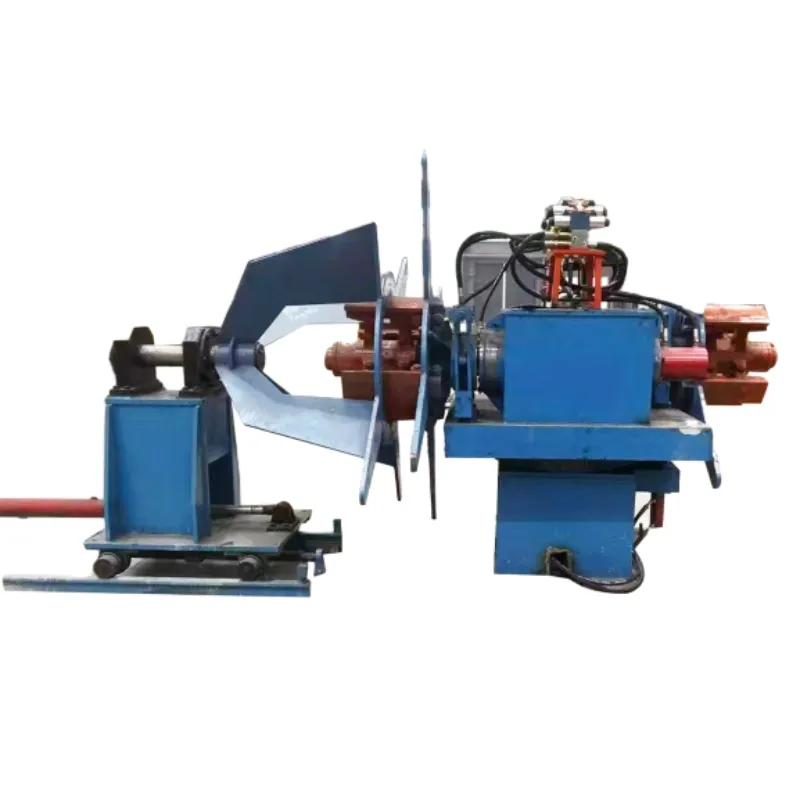
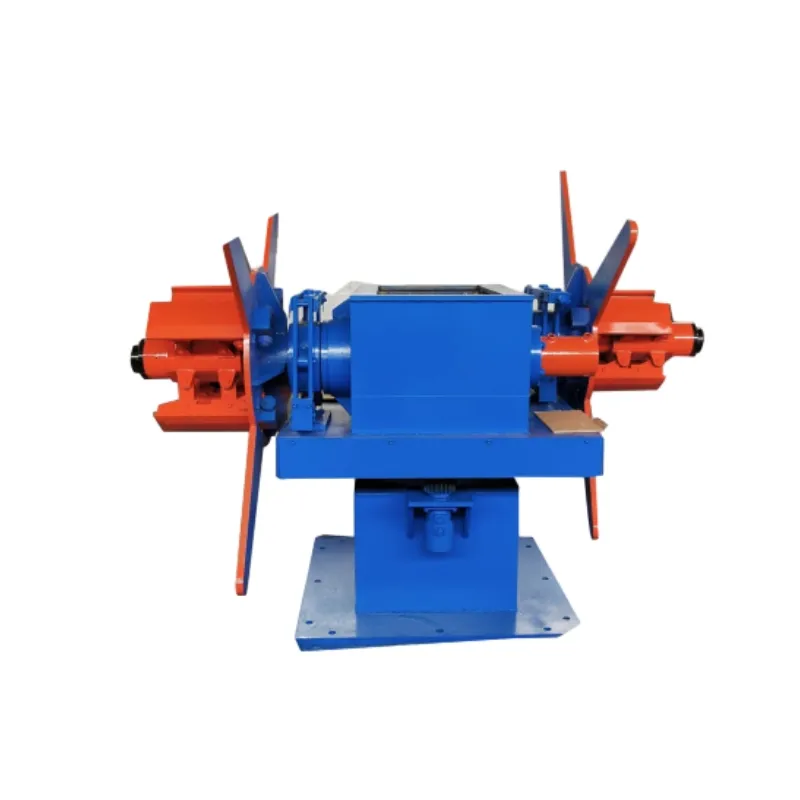
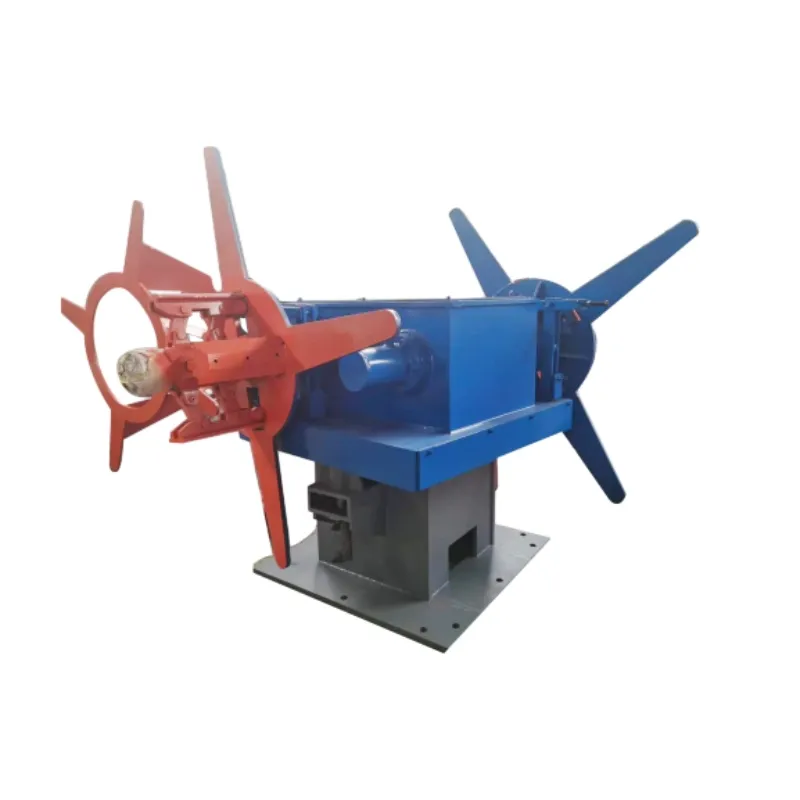
Useful options: foot pedal, dual-stage pump for speed, laser OD verification, and MES connectors. Some factories pair the Hose Crimper with upstream coil/pipe handling. One example is a dual-station hydraulic rising-open unit that lifts, tensions, and secures steel rolls on a turntable—cutting noise and operator strain while feeding high-speed lines safely.
Quick case study
A welded-pipe and hose assembly line in Bazhou integrated a dual-station unwinding machine from Liuzhuang Village industrial zone, Chaheji Township, Bazhou City, Hebei Province. That unit safely fixed the steel roll in the turntable and stabilized supply during storage/feeding. Downstream, the Hose Crimper cell ran barcode recipes and logged after-crimp diameters. Result: ≈18% throughput gain, noticeably lower noise, and—according to the shift lead—“less wrestling with coils and fewer scrap fittings.” It seems small changes upstream protect crimp quality later.
Compliance, tests, and what customers say
- Certifications: CE, ISO 9001 for manufacturing; electrical safety to IEC/UL where applicable.
- Standards used: ISO 4413 (safety), ISO 12100 (machinery), SAE J517/EN 853–856 (hose), ISO 6803 (impulse).
- Customer feedback: “repeatability over a long shift,” “quieter than the old unit,” and “dies swap fast—saves minutes per job.”
Bottom line: pick a Hose Crimper that matches your hose families, die ecosystem, and QA needs—and don’t overlook upstream gear that keeps material flow steady. Your operators (and your warranty team) will thank you.
References
- ISO 4413:2010 – Hydraulic fluid power – General rules and safety requirements.
- SAE J517 – Hydraulic Hose (performance requirements and sizes).
- ISO 6803 – Rubber/plastic hoses – Hydraulic impulse test.
- EN 853/EN 856 – Rubber hoses and hose assemblies – Wire braid/spiral specifications.
- ISO 12100 – Safety of machinery – General principles for design.
- Manufacturer datasheets and field audits (cycle-time and tolerance observations, 2021–2024).
-
Comprehensive Guide to hdpe Making Machines: Global Impact, Features & TrendsNewsDec.02,2025
-
Comprehensive Guide to Garden Pipe Manufacturing Machine – Features, Benefits, and TrendsNewsDec.02,2025
-
Comprehensive Guide to Garden Pipe Making Machines: Features, Trends & BenefitsNewsDec.02,2025
-
Comprehensive Guide to Galvanized Pipe Making Machine – Durability & Innovation in Steel PipesNewsDec.02,2025
-
What Is an Extrusion Pipe Machine? Global Importance, Applications & BenefitsNewsDec.02,2025
-
Comprehensive Guide to ERW Tube Mill Machine: Global Insights and Industry ApplicationsNewsDec.02,2025
