

Hose Crimper: Need Precision, Power, and Portability?
What’s Really Changing in the hose crimper market
If you’ve spent any time on a shop floor lately, you can feel it: demand is up, tolerances are tighter, and traceability isn’t a “nice-to-have” anymore. The modern hose crimper is less a brute-force press and more a precision workstation with data, safety, and speed baked in. And yes, price still matters—especially for field-service outfits trying to stay lean.
Industry trends I’m seeing
- Servo-electric controls and closed-loop diameter feedback for crimp accuracy (≈ ±0.05 mm in good conditions).
- Barcode-driven recipes with audit logs for ISO/CE compliance; some units export directly to MES/ERP.
- Noise reduction enclosures; shops shooting for ≤70–75 dB to keep OSHA folks happy.
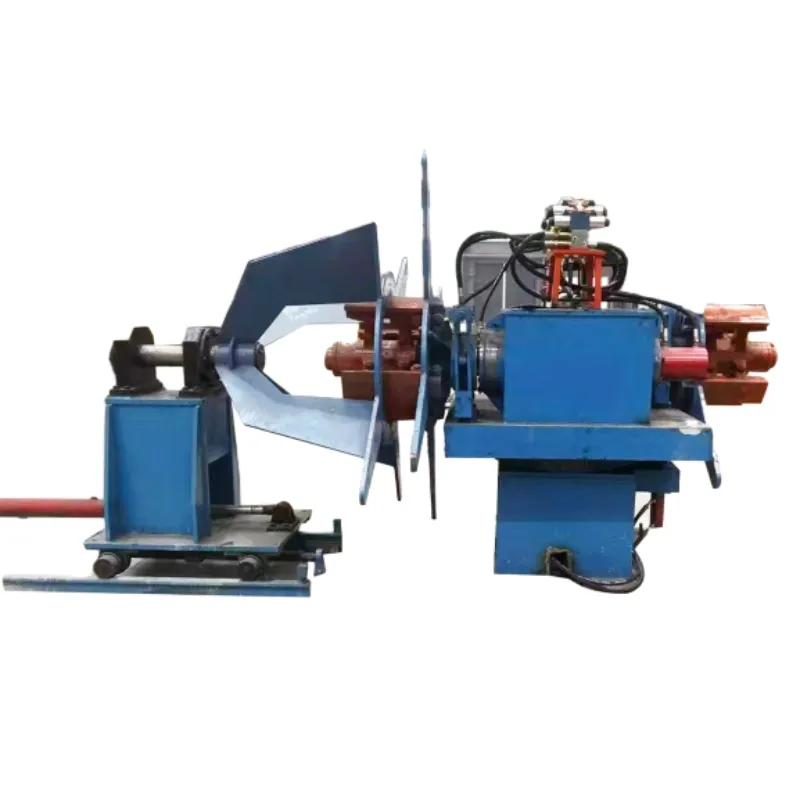
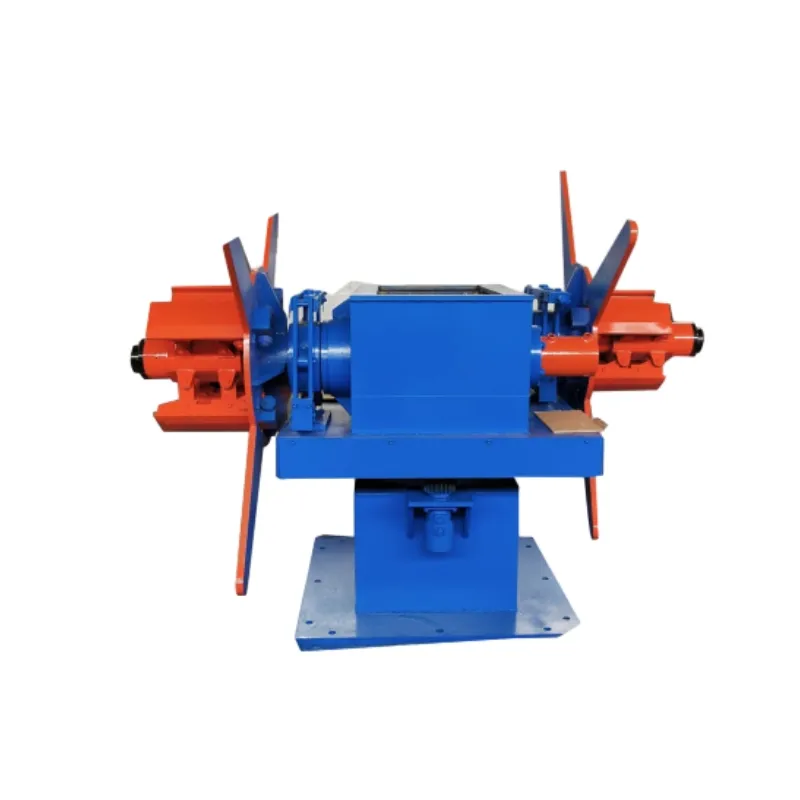
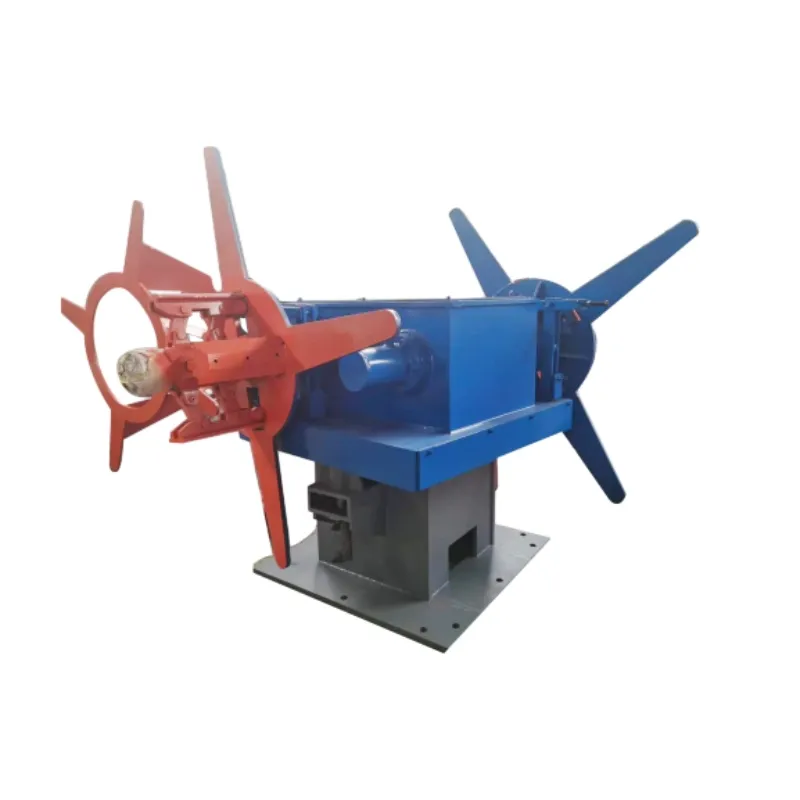
- Upstream automation. For example, XH Equipment in Bazhou, Hebei (Liuzhuang Village industrial zone, Chaheji Township) supplies dual-station hydraulic unwinding machines feeding coil/strip lines—different product, same philosophy: keep operators safe, keep lines moving.
Typical specs of a production-grade hose crimper
| Max crimp force | ≈ 2,000–3,500 kN (real-world use may vary) |
| Hose capacity | Up to 2″ 4SP/6SP; some heavy-duty units to 3″ industrial |
| Die opening | ≈ 120–145 mm with base dies |
| Crimp tolerance | ±0.05–0.10 mm with calibration |
| Cycle time | 4–10 s typical per crimp |
| Power/drive | Hydraulic or servo-electric; 3–7.5 kW motors |
| Noise level | ≈ 70–75 dB with enclosure |
| Service life | 500k–1M cycles between major overhauls (with proper maintenance) |
Where it gets used (and what actually works)
Mobile service trucks, mining and quarry maintenance, OEM assembly cells, marine and oil & gas skids—each needs a slightly different hose crimper. Field rigs crave compact frames and 12/24 V options; factories need fast cycles, guards, and recipe locks for EN/ISO audits.
A straightforward process flow still wins: cut → deburr/clean → optional skive → lube → crimp per recipe → verify diameter → proof test. Look for machines aligned with SAE J517 and ISO 1436 hose families; proof testing typically at 1.5× working pressure, burst per EN 853/854/855/856 families. Keep logs. Inspect ferrule bite, ovality, and pull-out force if you want zero comebacks.
Vendor snapshot (quick, imperfect, but practical)
| Vendor | Capacity (approx.) | Controls | Certs/Compliance | Notes |
|---|---|---|---|---|
| XH Equipment (Bazhou, Hebei) | Up to 2″ (varies by model) | Hydraulic; recipe presets | CE, ISO 9001 (factory-level) | Strong on upstream machines (e.g., dual-station unwinders) and value. |
| Uniflex (DE) | 2″–3″ industrial | Digital, micrometer-set; options for data logs | CE, ISO | Fast cycle times; robust die ecosystem. |
| Parker Parkrimp | Up to 2″ 6-wire | Recipe-driven for Parker hoses | CE, UL (select models) | Great when you’re standardized on Parker fittings. |
Customization that matters
- Die set mix for niche fittings (JIC, DIN 2353, BSPP) and skive/no-skive ferrules.
- Programmable diameter correction by hose lot, plus barcode recipe locks.
- Safety: two-hand controls, light curtains per ISO 13849-1 and ISO 12100.
- Data: export CSV/PDF crimp reports; optional ISO 17025 calibration certificates.
Field notes, quick
- Mining contractor: standardized hose crimper recipes cut leakage claims 42% over six months; audit logs helped training.
- Appliance OEM: servo-electric unit shaved ≈1.2 s/cycle, saving one headcount on a two-shift line.
- Pipe mill tie-in: a dual-station hydraulic unwinder (like XH’s) stabilized upstream supply, lowering changeover noise and operator strain—which, honestly, is half the battle.
Testing snapshot: 1.5× WP proof for 60 s, burst margins per hose spec, crimp diameter verified at four quadrants; we’ve seen Cpk > 1.33 on stable lines. Customers keep saying the boring stuff—clean cuts, correct lube, and gauge blocks—wins the day.
Citations
- ISO 1436:2020 Rubber hoses and hose assemblies—Hydraulic—Wire-braid reinforced.
- SAE J517 Hydraulic Hose.
- EN 853/854/855/856 Hydraulic hose series (wire braid/spiral/textile).
- ISO 4413 Hydraulic fluid power—General rules and safety requirements.
- OSHA 1910.95 Occupational noise exposure.
- ISO 12100 Safety of machinery—Risk assessment.
- ISO 13849-1 Safety-related parts of control systems.
-
Comprehensive Guide to hdpe Making Machines: Global Impact, Features & TrendsNewsDec.02,2025
-
Comprehensive Guide to Garden Pipe Manufacturing Machine – Features, Benefits, and TrendsNewsDec.02,2025
-
Comprehensive Guide to Garden Pipe Making Machines: Features, Trends & BenefitsNewsDec.02,2025
-
Comprehensive Guide to Galvanized Pipe Making Machine – Durability & Innovation in Steel PipesNewsDec.02,2025
-
What Is an Extrusion Pipe Machine? Global Importance, Applications & BenefitsNewsDec.02,2025
-
Comprehensive Guide to ERW Tube Mill Machine: Global Insights and Industry ApplicationsNewsDec.02,2025
