

Hose Crimper: Precise, Portable, Durable—Which One?
A Field Guide to the Modern hose crimper: specs, trends, and shop-floor reality
If you spend any time around hydraulic repair benches, you know the hum of a hose crimper before you see it. To be honest, not all machines are equal—some are gentle artists, others are blunt force. What matters now, in 2025, is traceability, repeatability, and lower noise. And yes, fewer re-crimps. Surprisingly, the upstream equipment feeding your fittings and ferrules can make or break your day, but I’ll come back to that.
Where the industry is heading
- Closed-loop control with pressure/diameter feedback for each crimp (ID traceability via QR/RFID).
- Quieter hydraulics and smarter HMI—operators aren’t fighting the machine anymore.
- Data-first service: auto-logging against SAE/ISO recipes; export to ERP/MES.
- Cleaner ferrules (low-burr steel), which reduce micro-cutting on hose covers—tiny detail, big life gains.
Typical specs for a workhorse hose crimper
| Crimp range | ≈ 6–87 mm (real-world use may vary) |
| Max crimp force | 2,000–3,500 kN |
| Die sets | 10–14 standard; custom oval/ferrule dies on request |
| Control | HMI + diameter/pressure modes; recipe library |
| Accuracy | ±0.05 mm on calibrated dies |
| Cycle time | 6–12 s typical |
| Noise | ≤ 75 dB(A) at 1 m |
| Certifications | CE, ISO 9001 plant; crimp validation to SAE/ISO |
Process flow, materials, and testing
Materials: EN 853 2SN / SAE 100R2 hoses, zinc-plated carbon steel ferrules (C45 or 20CrMnTi), and fittings meeting ISO 12151. Methods: no-skive or external skive (depends on hose family), calibrated die selection, lube light, crimp to target diameter, gauge verify. Testing: proof pressure (SAE J343), burst test, leakage ≤ 0 ml/min, impulse to ISO 6803—often 200k cycles at 100 °C for 2-wire. Service life depends on routing and heat; but good shops report 1.5–3× life uplift after switching to data-logged crimp recipes.
Vendors at a glance
| Vendor | Max force (≈) | Range | Lead time | Notes |
|---|---|---|---|---|
| XH Equipment (Bazhou, Hebei) | Up to 3,500 kN (custom lines) | 6–120 mm options | 30–60 days | Strong in integrated lines and upstream steel handling |
| UNIFLEX | 3,000–4,000 kN | up to 160 mm | Stock to 45 days | Solid HMI, fast cycles |
| Finn-Power | 2,500–4,500 kN | up to 200 mm | 45–75 days | Wide die ecosystem |
Case study: cleaner ferrules, quieter line
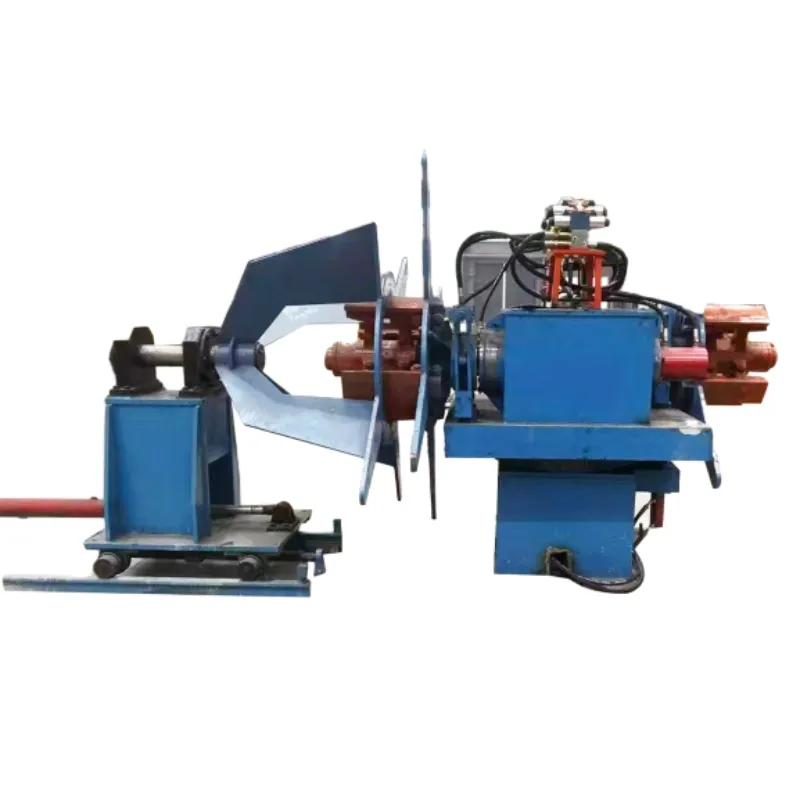
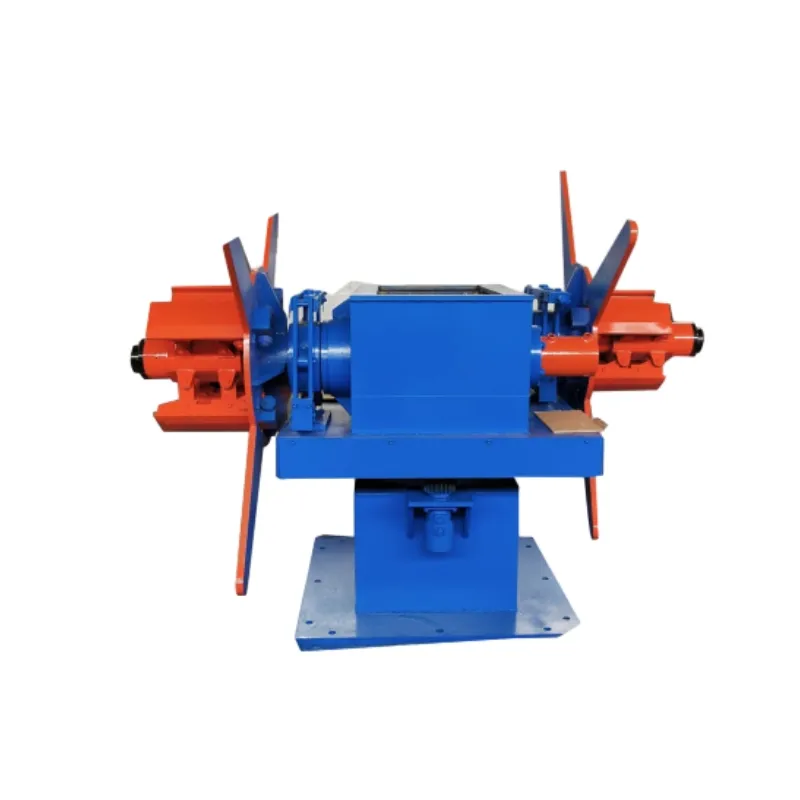
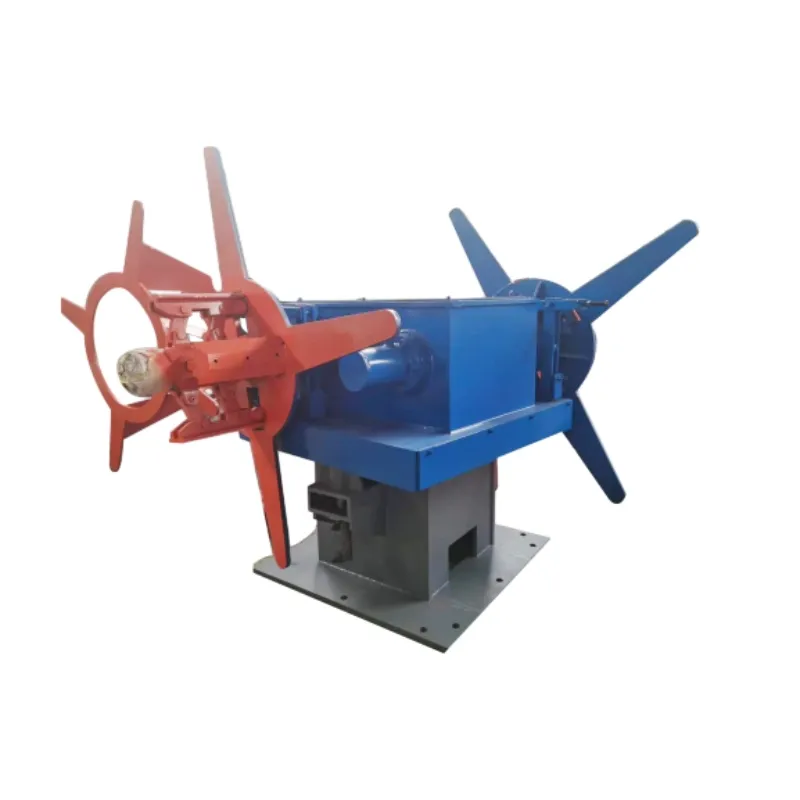
A northern repair shop added a dual-station hydraulic rising open machine (from Liuzhuang Village industrial zone, Chaheji Township, Bazhou city, Hebei province) to unwind and stabilize steel coils for ferrule production. The turntable fixed the roll safely, cutting handling noise and operator strain—exactly as advertised. Downstream on their hose crimper, they saw a 17% reduction in re-crimps and a 0.8 mm tighter diameter spread (Ppk improved from 1.23 to 1.56). Impulse tests: 200k cycles at 100 °C passed on 99.2% of samples; burst exceeded SAE minimums by ≈12%.
Customization and practical tips
- Order oval or profile dies for specialty ferrules; label and calibrate monthly.
- For high-temp fluids, spec ferrules with better Zn-Ni plating; it seems that red rust drops dramatically.
- Match hose/fitting brand families; mixed pairs pass… until they don’t.
- Keep a service kit: pressure transducer, seal set, and a spare die ring—downtime is the real cost.
Bottom line: a dialed-in hose crimper, fed by consistent upstream material handling, is boring—in the best possible way.
Standards and references
- SAE J517 Hydraulic Hose; SAE J343 Pressure/Impulse Test
- ISO 6803, ISO 6605: Rubber/plastic hose test methods
- EN 853/854/856 Hose families and requirements
- NAHAD Hose Safety Institute Guides (latest ed.)
- Manufacturer crimp spec bulletins (e.g., Parker, Gates) for recipe validation
-
Comprehensive Guide to hdpe Making Machines: Global Impact, Features & TrendsNewsDec.02,2025
-
Comprehensive Guide to Garden Pipe Manufacturing Machine – Features, Benefits, and TrendsNewsDec.02,2025
-
Comprehensive Guide to Garden Pipe Making Machines: Features, Trends & BenefitsNewsDec.02,2025
-
Comprehensive Guide to Galvanized Pipe Making Machine – Durability & Innovation in Steel PipesNewsDec.02,2025
-
What Is an Extrusion Pipe Machine? Global Importance, Applications & BenefitsNewsDec.02,2025
-
Comprehensive Guide to ERW Tube Mill Machine: Global Insights and Industry ApplicationsNewsDec.02,2025
