

Line Pipe Steel – API 5L, Corrosion‑Resistant, Fast Delivery
What Buyers Really Need to Know About line pipe steel and Modern ERW Production Lines
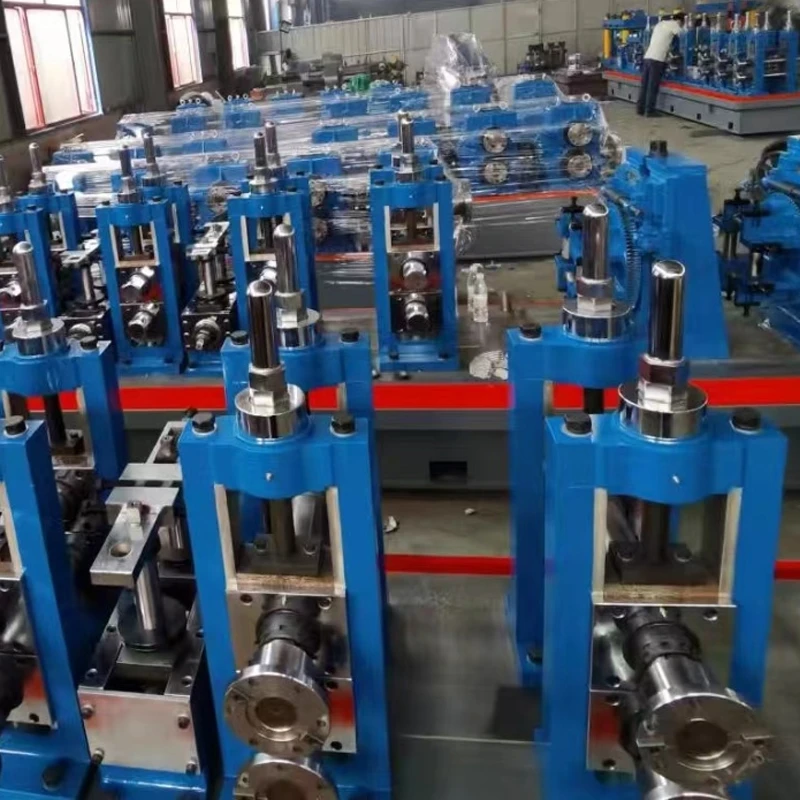
If you spend enough time on mill floors (and I do), you notice something: great line pipe steel performance usually starts with a stable, well-tuned ERW line. At XH Equipment’s facility in Liuzhuang Village industrial zone, Chaheji Township, Bazhou city, Hebei province, the Welded Pipe Production Line for φ76—φ89 mm has been quietly becoming a go-to for mid-diameter energy and utility projects. Actually, it’s the boring stuff—repeatability, setup discipline, inline NDT—that makes or breaks field results.
Industry snapshot
Three converging trends are reshaping line pipe steel: higher-grade coils (API 5L up to X60 in this diameter band), sour-service compliance, and tighter wall/OD controls for automated field welding. Many buyers, to be honest, still chase headline speeds; but most veteran QA folks care more about consistent bead heat input and post-weld sizing stability.
Product quick specs (φ76—φ89 HF Straight Seam ERW)
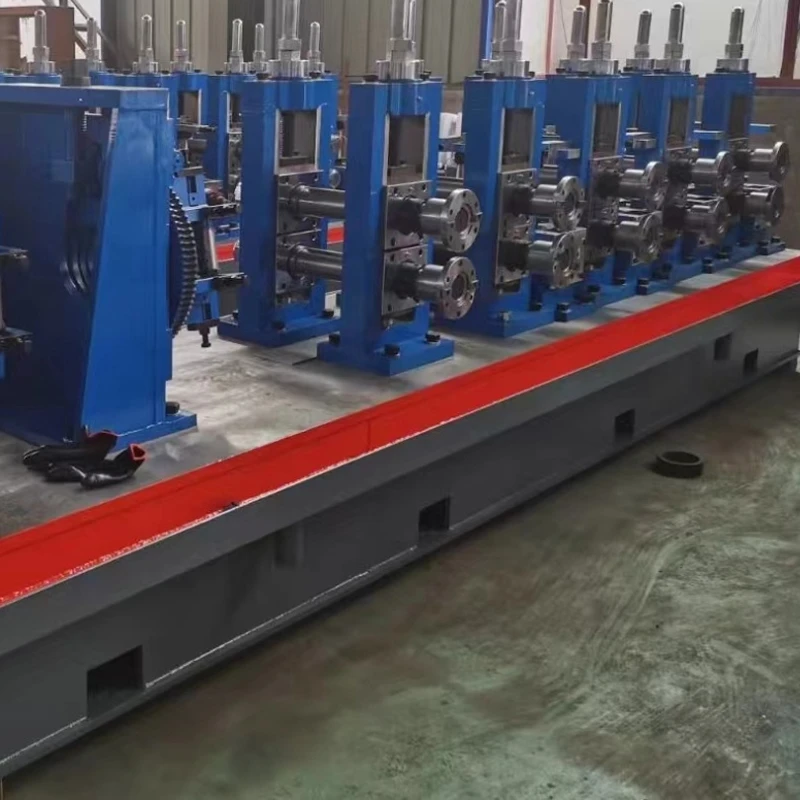
| Diameter range | φ76—φ89 mm |
| Wall thickness | 2.0–5.0 mm |
| Applicable grades | API 5L Gr.B–X56 (≈X60 depending on thickness and coil); ASTM A53; EN 10208 |
| Line speed | ≈20–80 m/min (real-world use may vary) |
| HF welder power | ≈200–400 kW |
| OD tolerance | ±0.5% (typical, per API 5L practice) |
| Cut lengths | 6–12 m standard; others on request |
Process flow that actually holds up
Materials: coil steels for line pipe steel such as API 5L Gr.B/X42/X52/X56; optional HIC-resistant coil for sour media.
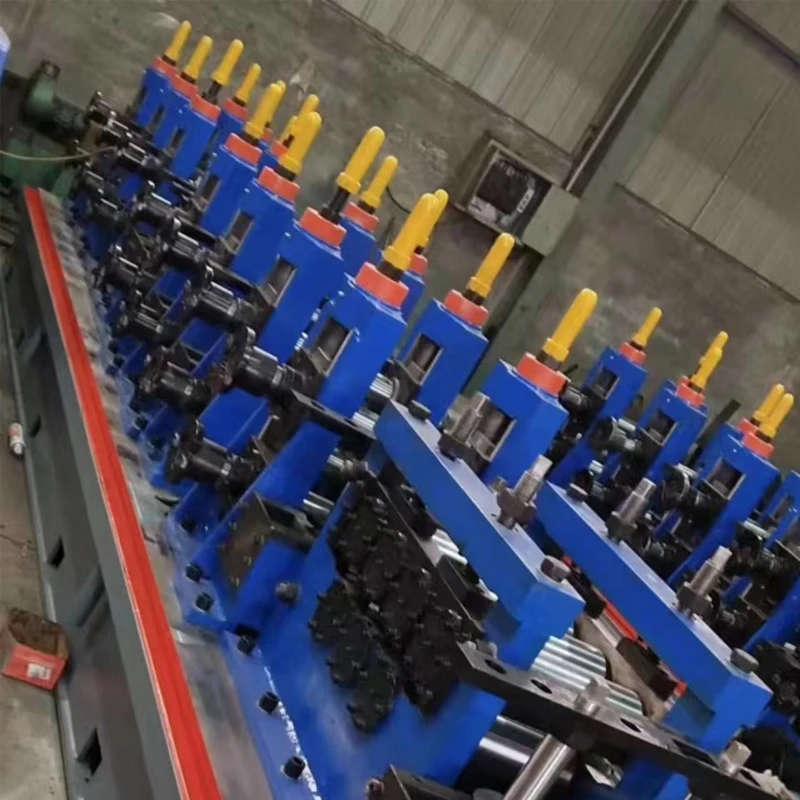
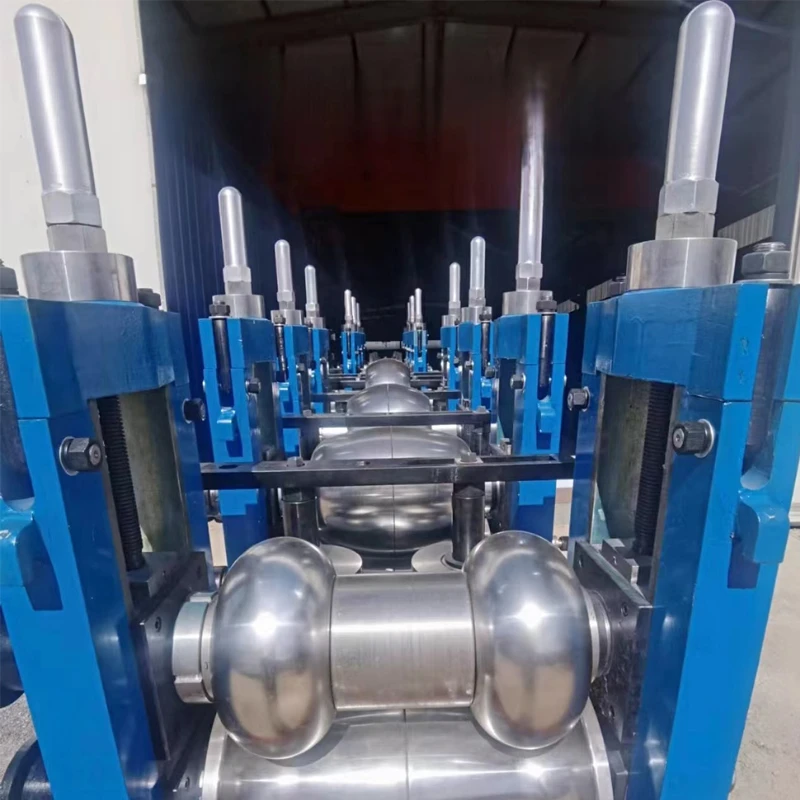
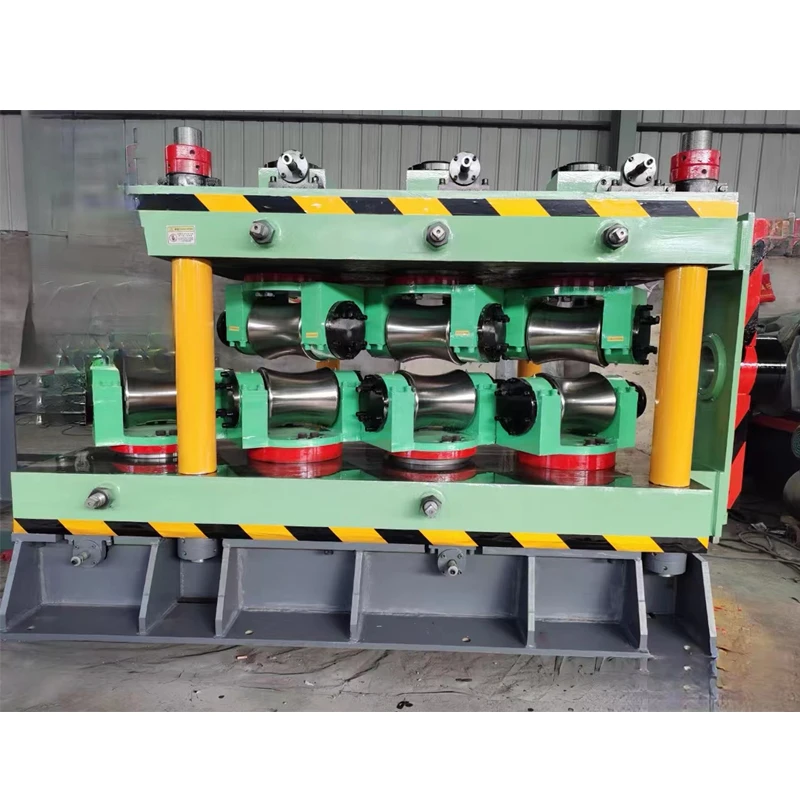
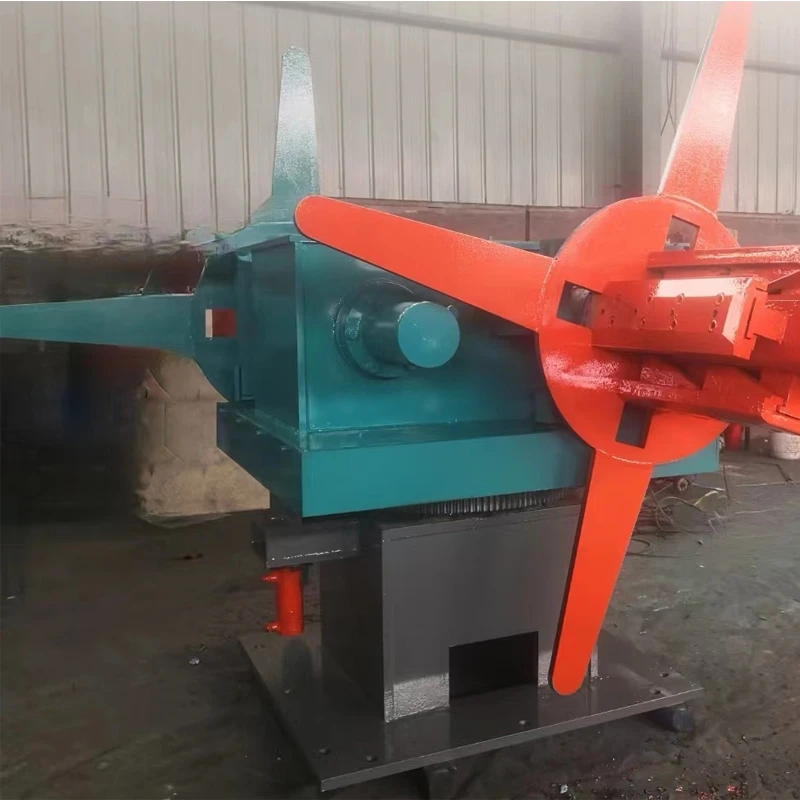
Method: slitting → accumulator → forming (breakdown/fin-pass) → high-frequency (HF) ERW → OD/ID bead scarfing → sizing/straightening → inline NDT (UT/EC) → hydrostatic test → beveling/marking → packing. Some customers add FBE/3LPE coating downstream.
Testing standards: API 5L / ISO 3183 for dimensional and mechanicals; hydrotest pressure typically up to 70 bar for this size band; UT along the weld seam 100%; impact tests (Charpy V-notch) as required; flattening/bend tests per ASTM A53 where applicable.
Service life: around 20–30+ years with proper coating and cathodic protection (soil class matters). In moderately corrosive water, expect maintenance intervals to tighten—no surprises there.
Where it’s used
- Oil and gas transmission (sweet and mildly sour)
- City water and district heating lines
- CO₂ gathering lines for EOR and pilot CCS networks
- Industrial air, slurry, and utility service where line pipe steel tolerances are critical
Vendor comparison (field-notes version)
| Vendor | HF/NDT integration | Customization | After-sales | Lead time |
|---|---|---|---|---|
| XH Equipment (Bazhou) | Inline UT/EC standard; hydro integration ready | Forming rolls, welder power, cut-lengths | Fast (WeChat-savvy) and practical | ≈8–14 weeks |
| Vendor A (Global) | Excellent, but premium-priced | Extensive, modular | Structured, ticket-based | ≈14–24 weeks |
| Vendor B (Local fab) | Basic UT add-on | Limited | Variable | ≈10–16 weeks |
Customization and certifications
Common asks: quick-change roll stands for grade changes, upgraded scarfers for cleaner IDs (many customers say that alone reduces post-processing), and bead-heat closed-loop control. Certifications typically aligned to ISO 9001; production geared to API 5L, ISO 3183, ASTM A53, and NACE MR0175 considerations for sour service components in the line.
Real-world case (abridged)
A North China utility upgraded to this φ76—φ89 line for a district-heating loop. Commissioning took a week; OD drift over 8-hour shifts stayed within ≈0.35%. Weld seam UT rejects dropped by roughly 18% after dialing in HF power and fin-pass roll gaps. The client’s remark: “Surprisingly low scrap when switching from X42 to X52.” That’s the quiet value in line pipe steel production done right.
Bottom line
If you need consistent φ76—φ89 pipes for oil, gas, water, or CO₂ duties, pair capable coils with a disciplined ERW line and robust NDT. It seems that buyers who prioritize weld stability and sizing over headline speed end up winning on total cost—less rework, faster tie-ins, happier inspectors.
Authoritative citations
- API Specification 5L: Specification for Line Pipe, latest edition.
- ISO 3183: Petroleum and natural gas industries — Steel pipe for pipeline transportation systems.
- ASTM A53/A53M: Standard Specification for Pipe, Steel, Black and Hot-Dipped, Zinc-Coated, Welded and Seamless.
- NACE MR0175/ISO 15156: Petroleum and natural gas industries — Materials for use in H2S-containing environments.
-
Comprehensive Guide to hdpe Making Machines: Global Impact, Features & TrendsNewsDec.02,2025
-
Comprehensive Guide to Garden Pipe Manufacturing Machine – Features, Benefits, and TrendsNewsDec.02,2025
-
Comprehensive Guide to Garden Pipe Making Machines: Features, Trends & BenefitsNewsDec.02,2025
-
Comprehensive Guide to Galvanized Pipe Making Machine – Durability & Innovation in Steel PipesNewsDec.02,2025
-
What Is an Extrusion Pipe Machine? Global Importance, Applications & BenefitsNewsDec.02,2025
-
Comprehensive Guide to ERW Tube Mill Machine: Global Insights and Industry ApplicationsNewsDec.02,2025
