

Line Pipe Steel: High-Quality for Oil & Gas Transport
Understanding Line Pipe Steel: A Critical Component for Energy Infrastructure
In the global energy landscape, the efficient and safe transportation of oil, natural gas, and other vital fluids relies heavily on robust piping systems. At the heart of these systems is line pipe steel, a specialized class of steel products engineered for high-pressure, high-volume fluid conveyance. This material forms the backbone of extensive pipeline networks, facilitating the movement of resources from production sites to processing plants and consumption centers. Its design and manufacturing are governed by stringent international standards to ensure integrity, longevity, and environmental safety under diverse operating conditions, from sub-zero Arctic environments to high-temperature desert terrains. The demand for reliable line pipe steel continues to grow as global energy consumption rises and infrastructure projects expand worldwide.
Our expertise lies in the comprehensive understanding and production of advanced solutions for the manufacturing of these critical components, particularly focusing on the linepipe sector. The selection of appropriate steel pipe line materials and production methods is paramount for preventing leaks, mitigating corrosion, and resisting external stresses, all of which are crucial for maintaining operational efficiency and minimizing environmental impact.
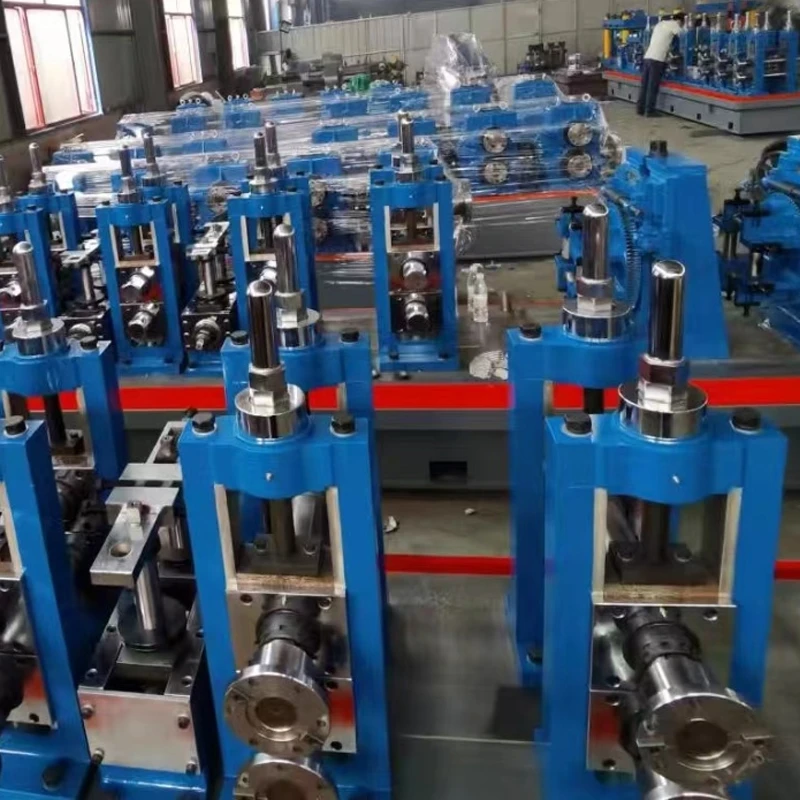
Industry Trends and Market Dynamics for Line Pipe Steel
The market for line pipe steel is influenced by a confluence of factors, including global energy demand, geopolitical stability, technological advancements, and environmental regulations. Current trends indicate a strong push towards higher strength-to-weight ratio steels, enhanced corrosion resistance, and improved weldability to reduce installation costs and extend service life. The development of X100 and X120 grade steels, for instance, allows for thinner pipe walls while maintaining structural integrity, leading to reduced material consumption and lower transportation expenses.
Furthermore, the increasing emphasis on environmental sustainability is driving innovations in coating technologies and internal lining solutions to prevent leaks and minimize ecological footprints. The expansion of natural gas infrastructure, especially for LNG (Liquefied Natural Gas) export terminals and interconnected grid systems, is a significant demand driver for welded gas pipe and its associated production lines. Digitalization and automation in pipe manufacturing are also gaining traction, promising higher precision, consistency, and traceability throughout the production chain, aligning with Industry 4.0 principles.
Key Market Drivers:
- Increased exploration and production of oil and gas globally.
- Expansion and modernization of existing pipeline infrastructure.
- Development of new energy corridors, including cross-border pipelines.
- Demand for higher-strength, more durable materials to reduce operational risks.
- Stricter regulatory requirements for pipeline safety and environmental protection.
Detailed Manufacturing Process Flow of Line Pipe Steel
The production of line pipe steel involves a series of meticulously controlled steps, starting from raw material preparation to final inspection, ensuring the highest quality and adherence to specifications like ISO 3183, API 5L, and ASTM A53. The primary materials are high-grade steel plates or coils, typically low-carbon manganese steels alloyed with elements such as niobium, vanadium, and titanium to achieve specific mechanical properties through controlled rolling and accelerated cooling.
Process Steps:
- Coil Uncoiling and Edge Milling: Steel coils are uncoiled and flattened. Edges are precisely milled to prepare for welding, ensuring a uniform width and clean weldable surfaces.
- Forming: The flat steel strip is progressively formed into a cylindrical shape using various rolling methods (e.g., three-roll bending, UOE process for larger diameters).
- Welding:
- High-Frequency Welded (HFW) / Electric Resistance Welded (ERW): Edges are heated by high-frequency current and forged together under pressure without filler metal. This method is common for smaller to medium diameter welded gas pipe.
- Submerged Arc Welded (SAW - LSAW/HSAW): For larger diameter pipes, plates are formed and welded internally and externally using submerged arc welding, which involves a continuous wire electrode and a granular flux. LSAW (Longitudinal SAW) forms pipe from a single plate, while HSAW (Helical/Spiral SAW) forms pipe from a coil, suitable for very large diameters.
- Heat Treatment: Post-welding, pipes may undergo heat treatment (e.g., normalizing, quenching, tempering) to refine grain structure, relieve stress, and optimize mechanical properties.
- Sizing and Straightening: Pipes are cold-sized to achieve precise dimensions and then straightened to meet specific straightness tolerances.
- End Beveling: Pipe ends are beveled to prepare for efficient field welding.
- Non-Destructive Testing (NDT): Critical for ensuring pipe integrity. Includes ultrasonic testing (UT), radiographic testing (RT), magnetic particle inspection (MPI), and visual inspection of welds and pipe body. These tests comply with standards like API 5L Annex H and ISO 12095.
- Hydrostatic Testing: Each pipe segment is subjected to high internal water pressure to verify its structural integrity and leak-tightness. This is a mandatory test under API 5L.
- Coating and Lining (Optional): External coatings (e.g., FBE, 3LPE/3LPP) provide corrosion protection, while internal linings (e.g., epoxy) reduce friction and prevent internal corrosion.
- Final Inspection and Marking: Comprehensive final inspection, dimension verification, and marking with product details, heat number, and standard compliance.
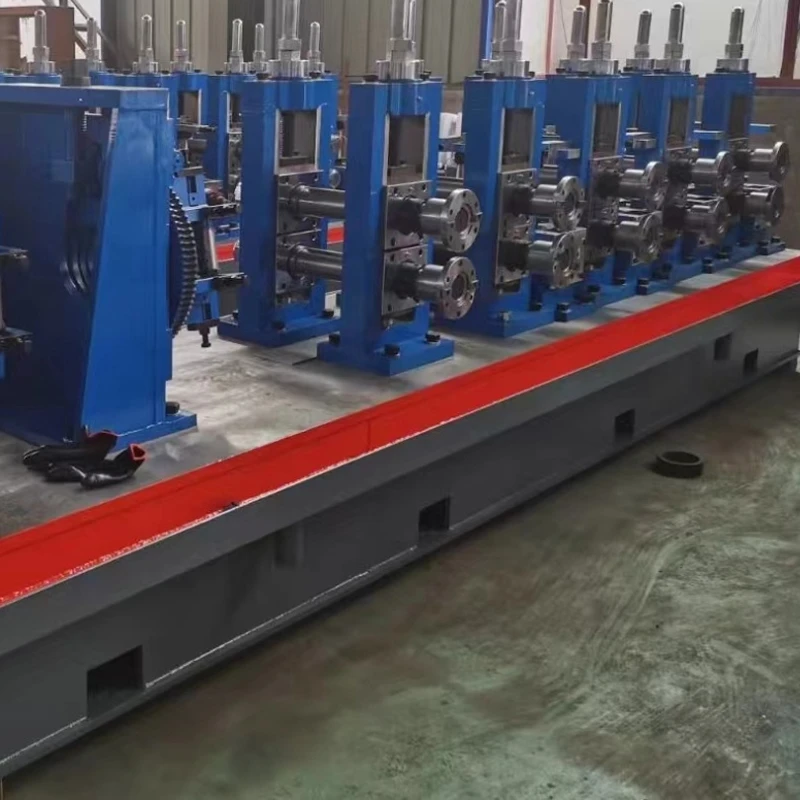
The typical service life of a well-maintained steel pipe line can exceed 50 years, largely due to the rigorous manufacturing and testing protocols, coupled with advancements in material science and protective coatings.
Technical Specifications and International Standards
Line pipe steel adheres to globally recognized standards that dictate chemical composition, mechanical properties, dimensions, testing methods, and quality control. The most prominent standard in the oil and gas sector is API Specification 5L, which covers seamless and welded steel linepipe for petroleum and natural gas industries. Other significant standards include ISO 3183, which is technically equivalent to API 5L, and ASTM specifications for various steel grades.
Key parameters include minimum yield strength (MYS), tensile strength (TS), toughness (often measured by Charpy V-notch impact energy at specified temperatures), and chemical composition limits for elements like carbon, manganese, phosphorus, sulfur, and micro-alloying additions. These specifications are critical for engineers designing pipeline systems that must operate safely under extreme pressures and varying environmental conditions.
Typical API 5L Line Pipe Steel Grades and Properties:
| Grade (API 5L) | Minimum Yield Strength (MPa) | Minimum Tensile Strength (MPa) | Max Carbon Equiv. (CE) | Typical Application |
|---|---|---|---|---|
| API 5L Grade B | 245 | 415 | 0.43 | General service, low pressure |
| API 5L X42 | 290 | 415 | 0.43 | Mainline gas transmission |
| API 5L X52 | 360 | 460 | 0.43 | Higher pressure gas/oil lines |
| API 5L X65 | 450 | 535 | 0.45 | High-strength, long-distance pipelines |
| API 5L X80 | 555 | 620 | 0.45 | Demanding high-pressure applications |
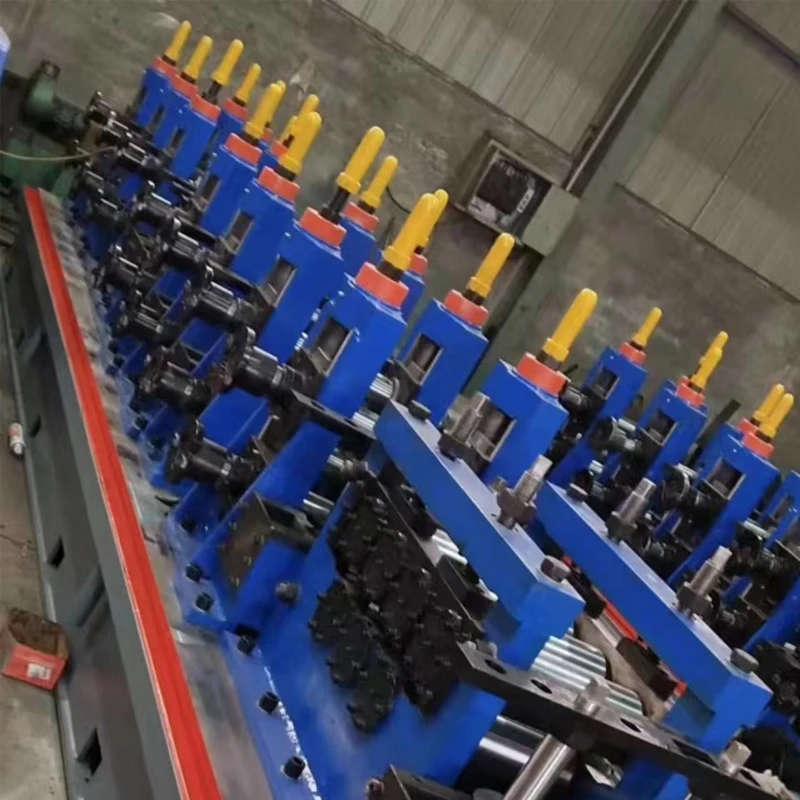
Application Scenarios and Target Industries
The versatility and robustness of line pipe steel make it indispensable across a spectrum of critical infrastructure industries. Its primary application remains in the transportation of hydrocarbons, but its utility extends to other sectors requiring reliable fluid conveyance.
Target Industries:
- Petrochemical Industry: For crude oil and refined product pipelines, natural gas transmission lines, and intricate piping within refineries and chemical plants. It's crucial for long-distance trunk lines and distribution networks.
- Metallurgy: Used in industrial gas lines (e.g., oxygen, nitrogen) and utility lines within large-scale steel mills and other metallurgical facilities where high volumes and pressures are common.
- Water Supply & Drainage: While often associated with oil and gas, certain grades of linepipe steel are used for large-diameter water transmission mains, especially in regions requiring high pressure or seismic resilience. Specialized coatings are applied for potable water applications.
- Power Generation: For steam pipelines in thermal power plants and for transporting cooling water over long distances.
Typical Application Scenarios:
- Long-distance Gas Transmission: High-pressure welded gas pipe for transporting natural gas from production fields to urban centers, often spanning thousands of kilometers.
- Offshore Pipelines: Subsea pipelines require enhanced corrosion resistance and collapse strength due to external pressure and marine environments.
- Arctic and Sub-Arctic Installations: Pipelines in cold regions demand materials with excellent low-temperature toughness to prevent brittle fracture.
- Sour Service Applications: For transporting fluids containing H2S, specialized line pipe steel grades with resistance to hydrogen-induced cracking (HIC) and sulfide stress cracking (SSC) are essential.
Technical Advantages of Modern Line Pipe Steel
Modern line pipe steel offers significant technical advantages that contribute to the efficiency, safety, and economic viability of pipeline projects. These advantages are the result of continuous innovation in metallurgy, manufacturing processes, and quality assurance.
- Enhanced Strength-to-Weight Ratio: High-strength low-alloy (HSLA) steels enable the use of thinner pipe walls, reducing the overall weight of the pipeline. This leads to lower material costs, easier handling during installation, and reduced welding time, resulting in significant energy saving during construction and operation.
- Superior Corrosion Resistance: Advancements in steel composition and the application of multi-layer coatings (e.g., fusion-bonded epoxy, three-layer polyethylene/polypropylene systems) provide excellent external and internal corrosion resistance, extending the service life of the steel pipe line and minimizing maintenance needs. This is critical for preventing environmental hazards and ensuring long-term operational integrity.
- Improved Toughness and Ductility: Modern linepipe steels exhibit high toughness, making them resistant to brittle fracture, especially in low-temperature environments. Their ductility allows them to accommodate ground movement and seismic activity without catastrophic failure.
- Excellent Weldability: Despite increased strength, modern steels are designed for excellent weldability, crucial for efficient and reliable field joining. Low carbon equivalent (CE) values minimize the risk of hydrogen-induced cracking during welding.
- High Internal Pressure Capacity: Designed to withstand extreme internal pressures, reducing the number of pumping stations required for long-distance pipelines, which directly translates to operational energy saving.
- Environmental and Safety Compliance: Adherence to rigorous international standards ensures that line pipe steel products contribute to safer operations and reduced environmental risks, meeting or exceeding regulatory requirements globally.
Vendor Comparison and Customized Solutions
Selecting the right vendor for line pipe steel is a critical decision for any major infrastructure project. While many suppliers offer standard API 5L grades, discerning clients look for vendors who provide not just product but comprehensive solutions, backed by robust quality control and technical expertise.
Key Factors for Vendor Comparison:
| Criterion | Standard Vendor Offering | Premium Vendor Offering (e.g., XH Equipment) |
|---|---|---|
| Product Range | Limited to common API grades (B, X42, X52). | Comprehensive range including higher grades (X65, X70, X80), sour service, and low-temperature applications. |
| Customization | Minimal; off-the-shelf products. | Tailored chemical composition, mechanical properties, and dimensions; specific coating solutions. |
| Certifications | Basic ISO 9001; API monogram. | ISO 9001, ISO 14001, ISO 45001, API 5L, PED, AD2000; third-party certifications (e.g., Lloyd's, DNV). |
| Technical Support | Limited post-sales support. | Pre-sales consultation, design optimization, on-site technical assistance, lifecycle support. |
| Lead Time & Logistics | Standard lead times; basic shipping. | Optimized production scheduling, global logistics network, expedited options for critical projects. |
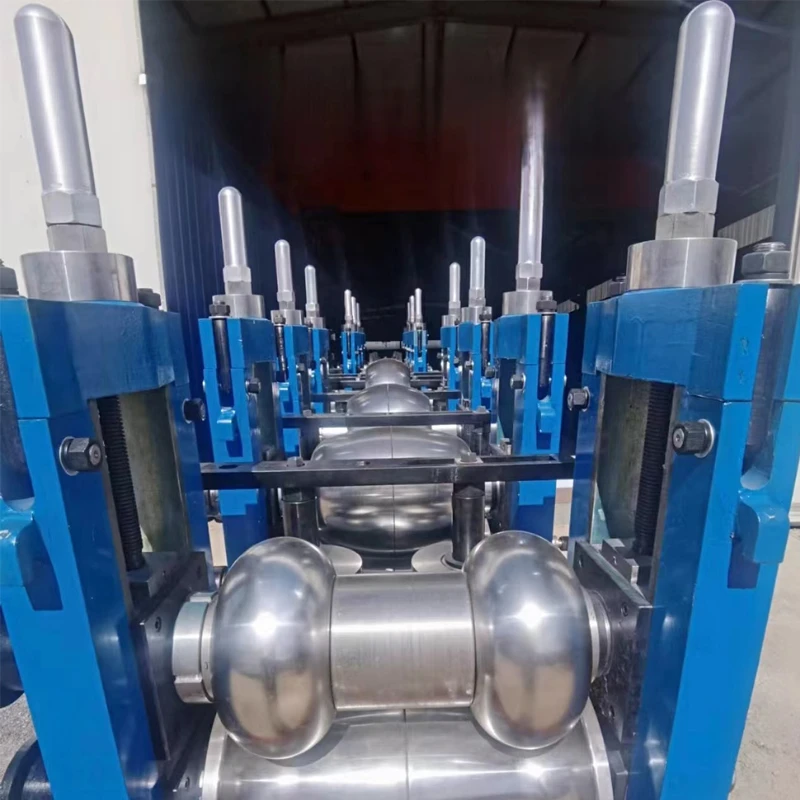
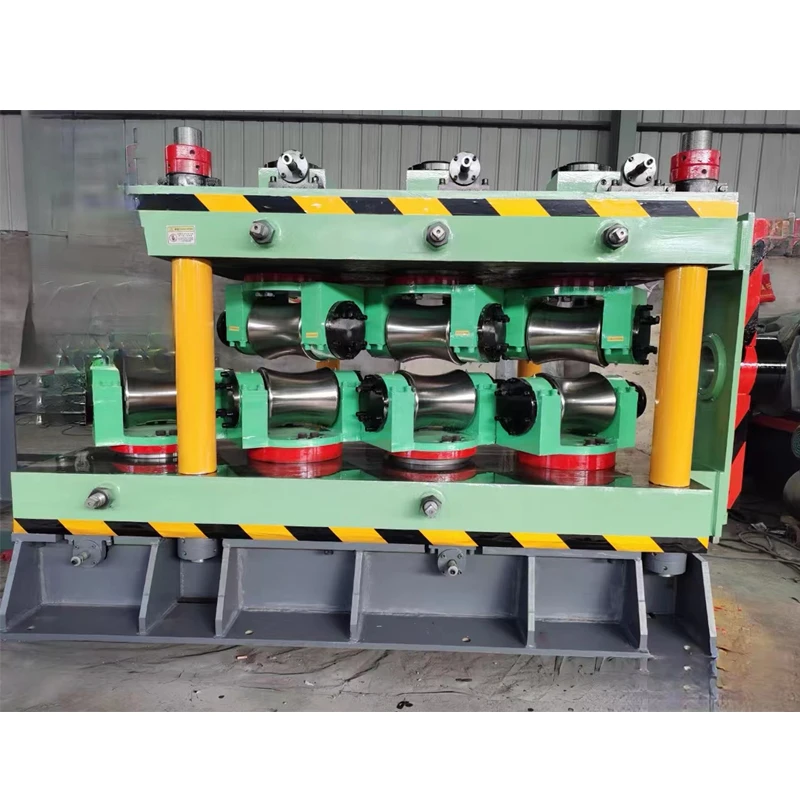
Our specialization extends to providing comprehensive welded pipe production line solutions that enable manufacturers to produce line pipe steel meeting these exacting requirements. We offer customized solutions for equipment configuration, automation levels, and integration with existing plant infrastructure, ensuring optimal efficiency and output for any scale of operation. From specific metallurgical requirements to advanced coating applications, our technical teams collaborate closely with clients to develop bespoke manufacturing setups.
Application Case Studies: Real-World Impact
Our expertise in facilitating the production of high-quality line pipe steel has been demonstrated in numerous critical infrastructure projects globally. While specific client names remain confidential due to contractual agreements, the impact of well-engineered linepipe solutions is evident.
Case Study 1: Arctic Gas Transmission Line
A major energy company required an X80 grade line pipe steel for a gas transmission line in a challenging Arctic environment. The project demanded exceptional low-temperature toughness (Charpy impact energy > 200J at -45°C) and resistance to propagation of brittle fracture. We provided advanced manufacturing solutions that enabled the production of large-diameter (48-inch) LSAW pipes with stringent chemical composition control (low Carbon Equivalent and Sulfur content) and specialized heat treatment to achieve the required mechanical properties. The client reported excellent weldability in the field, minimizing construction delays and ensuring the structural integrity crucial for such extreme conditions. This project underscored the importance of tailored material properties and rigorous quality control throughout the manufacturing process.
Case Study 2: Offshore Oil Pipeline in Deepwater
For a deepwater offshore oil pipeline, the client needed line pipe steel with enhanced collapse resistance and superior fatigue performance. Our recommended manufacturing setup produced seamless linepipe with precise dimensional control, very low eccentricity, and improved resistance to external pressure. Specific emphasis was placed on the steel's cleanliness and internal surface finish to prevent pitting corrosion under static fluid conditions. Post-installation feedback highlighted the product's consistent quality, which facilitated smooth laying operations and met the demanding operational parameters of the deepwater environment.

These examples illustrate our commitment to enabling clients to deliver high-performance line pipe steel that meets the most rigorous industry demands.
Compliance: Expertise, Authoritativeness, Trustworthiness
As a leading provider in industrial machinery, our commitment to Google's standards is fundamental to our operations and client relationships.
Authoritativeness and Expertise:
- Certifications: Our Welded Pipe Production Line solutions are designed to facilitate compliance with international standards such as API 5L, ISO 3183, ISO 9001 (Quality Management), ISO 14001 (Environmental Management), and OHSAS 18001/ISO 45001 (Occupational Health & Safety). Our equipment carries CE certifications, assuring European market standards.
- Years of Service: With over two decades of experience in designing and implementing industrial production lines, our deep understanding of metallurgy, mechanical engineering, and automation is unparalleled.
- Partner Clients: We have successfully delivered custom welded pipe production line projects for major steel manufacturers and energy infrastructure companies across Asia, Europe, and the Middle East, establishing long-term relationships built on trust and performance.
- Test Data & Analysis: Our engineering proposals are always backed by detailed performance data, efficiency calculations, and material flow analyses, developed through extensive R&D and pilot projects.
Trustworthiness:
Frequently Asked Questions (FAQ):
- Q: What is the typical lead time for a complete welded pipe production line?
A: Lead times vary depending on the complexity and customization required. For standard configurations, it can range from 6 to 12 months. Highly customized lines may require 12-18 months, including design, manufacturing, installation, and commissioning. - Q: What warranty do you offer on your equipment?
A: We provide a standard 12-month warranty from the date of commissioning or 18 months from shipment, whichever comes first, covering manufacturing defects and component failures under normal operating conditions. Extended warranty options are available. - Q: What kind of after-sales support is provided?
A: Our comprehensive after-sales support includes remote technical assistance, on-site engineer deployment for maintenance and troubleshooting, spare parts supply, and ongoing operational training for your personnel. We aim for a maximum 48-hour response time for critical issues. - Q: Can your production lines integrate with existing plant automation systems?
A: Yes, our systems are designed with modularity and open architecture, allowing seamless integration with most common industrial automation platforms (e.g., Siemens, Rockwell, ABB) and plant-wide SCADA/MES systems.
Conclusion
The robust and reliable performance of line pipe steel is foundational to the world's energy and industrial infrastructure. As demand for energy continues to evolve, so too does the need for advanced linepipe manufacturing solutions that offer superior material properties, enhanced safety, and greater operational efficiency. Our commitment to innovation, adherence to global standards, and comprehensive customer support ensure that our welded pipe production line technologies empower manufacturers to meet these demanding challenges, contributing to a safer, more sustainable, and energy-efficient future.
References
- American Petroleum Institute. API Specification 5L: Specification for Line Pipe.
- International Organization for Standardization. ISO 3183: Petroleum and natural gas industries — Steel pipe for pipeline transportation systems.
- ASTM International. ASTM A53/A53M: Standard Specification for Pipe, Steel, Black and Hot-Dipped, Zinc-Coated, Welded and Seamless.
- Welded Pipe Handbook, Eurofer. Available at: [Industry publications often provide this content, e.g., European Steel Tube Association or similar steel federations].
- Pipeline & Gas Journal. Available at: [Industry journal, such as pipelineandgasjournal.com].
-
Comprehensive Guide to hdpe Making Machines: Global Impact, Features & TrendsNewsDec.02,2025
-
Comprehensive Guide to Garden Pipe Manufacturing Machine – Features, Benefits, and TrendsNewsDec.02,2025
-
Comprehensive Guide to Garden Pipe Making Machines: Features, Trends & BenefitsNewsDec.02,2025
-
Comprehensive Guide to Galvanized Pipe Making Machine – Durability & Innovation in Steel PipesNewsDec.02,2025
-
What Is an Extrusion Pipe Machine? Global Importance, Applications & BenefitsNewsDec.02,2025
-
Comprehensive Guide to ERW Tube Mill Machine: Global Insights and Industry ApplicationsNewsDec.02,2025
