

Line Pipe Steel – High Strength, Corrosion Resistant, API 5L
Inside the Production of Line Pipe Steel: What Really Matters in 2025
If you care about pipeline reliability (and who doesn’t after the last few years of scrutiny?), you’ll want to understand how line pipe steel gets made, tested, and certified. I’ve walked a few mills—some immaculate, some… not so much—and the difference shows up later, out in the field, when operators talk about downtime and weld repairs.
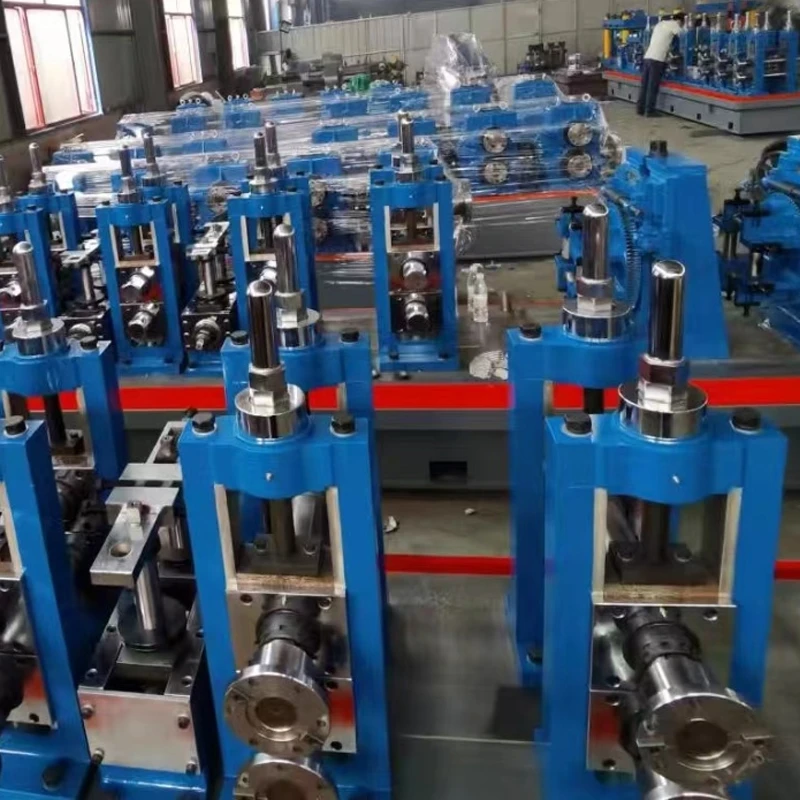
The short story: HF welded beats the schedule, not the standards
High-frequency (HF) straight seam welded lines have become the workhorse for line pipe steel from 76 to 89 mm OD in midstream tie-ins and gathering lines. The truth is, a modern HF line—when tuned right—delivers tighter ovality and wall control than many expect, and the NDT suite is way better than the “old school welded” reputation might suggest.
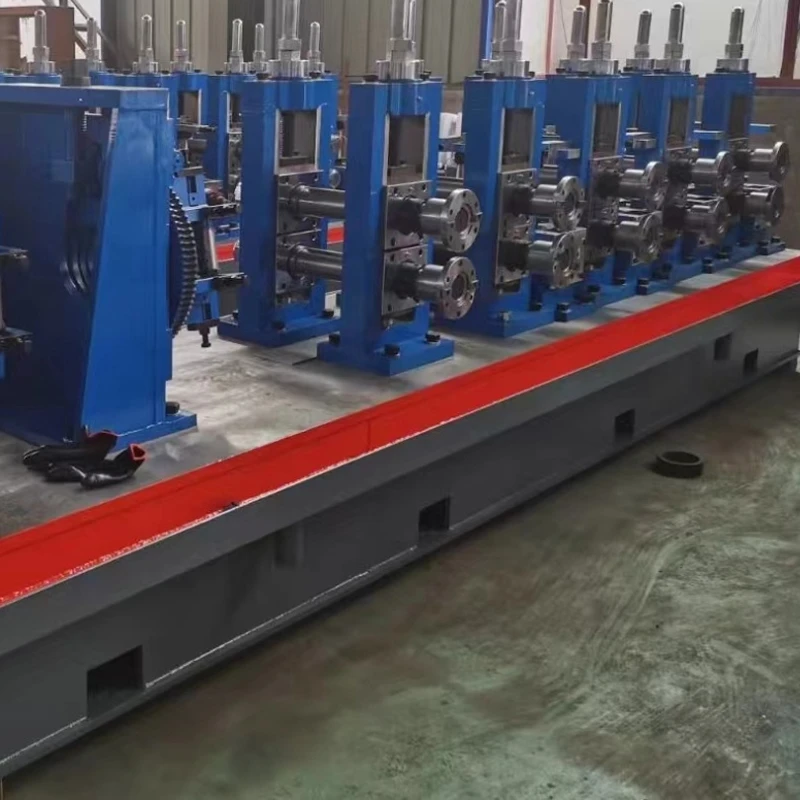
Product snapshot (φ76—φ89 HF Straight Seam Welded Pipe Line)
| OD range | φ76—φ89 mm |
| Wall thickness | 2.0–5.0 mm |
| Typical grades | API 5L B to around X60 (actual capability depends on coil chemistry and setup) |
| Material input | Low-carbon/low-alloy steel strip, normalized or TMCP; ≤ ≤ S, P per spec |
| Compliance target | API 5L / ISO 3183 (real-world certification depends on project audits) |
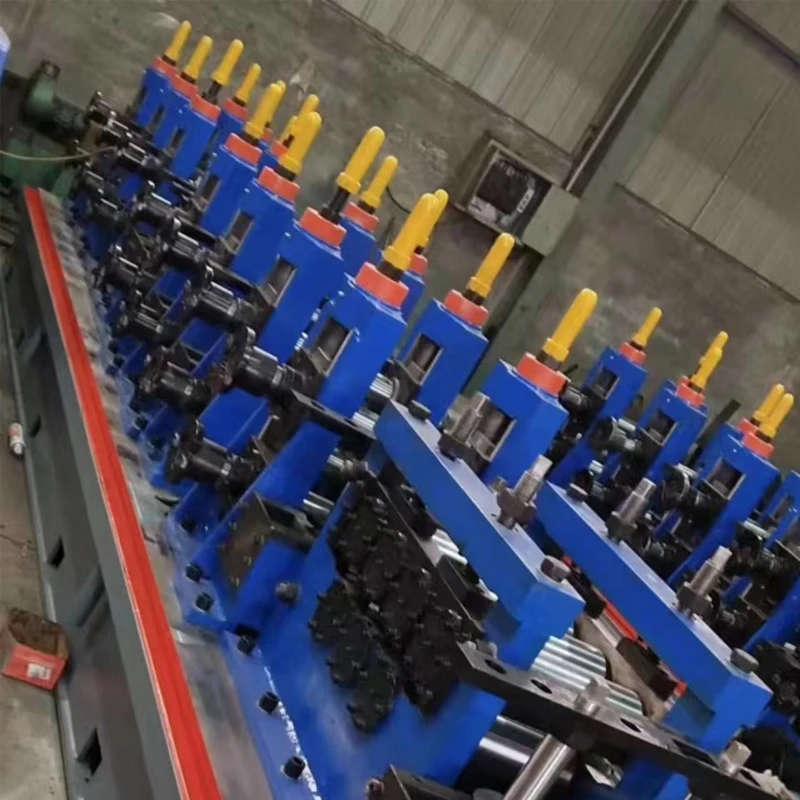
Process flow (what operators actually run)
Uncoiling → leveling → edge milling → HF induction welding → seam bead removal → water cooling → sizing/straightening → NDT (UT/ECT) → hydrostatic test → cutting → end facing/beveling → marking → bundling. To be honest, the difference is in the tuning: forming rolls, weld heat input, and closed-loop sizing make or break consistency.
-
- Testing standards typically reference API 5L/ISO 3183; some buyers layer in project specs (DNV-ST-F101 offshore, or operator-specific NDE maps).
- Service life: ≈20–30 years with proper coating and CP; corrosive service may shorten that—operators know the drill.
- Industries: oil & gas gathering, CO2 pilot lines, water injection, district heating, and occasionally structural where code allows.
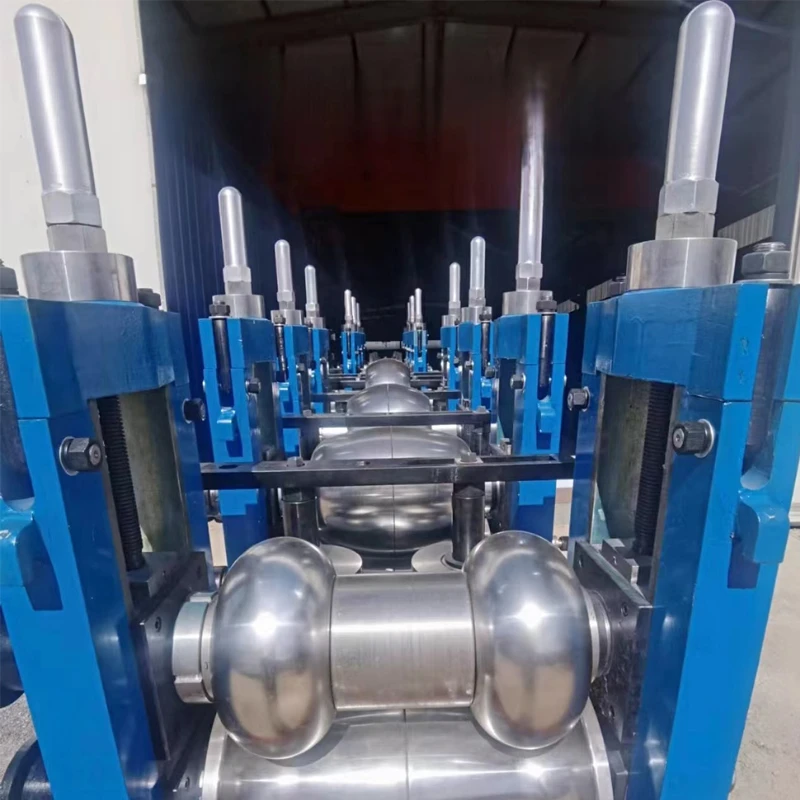
Why buyers choose this line
-
- Tight OD/wall control for line pipe steel in the 76–89 mm window.
- Integrated NDT and hydro to cut rework.
- Faster changeovers (it seems that quick roll change cassettes help a lot).
- Origin: Liuzhuang Village industrial zone, Chaheji Township, Bazhou, Hebei—an area with deep bench strength in forming mills.
Typical test cards (indicative)
| Hydrostatic test | Up to project P×t/2R calculations; hold ≈ 5–10 s (per order) |
| UT/ECT | Full-body + weld seam, calibration blocks per API 5L Annexes |
| Flattening/bend | Accept per grade; no cracks/laminations (real-world use may vary) |
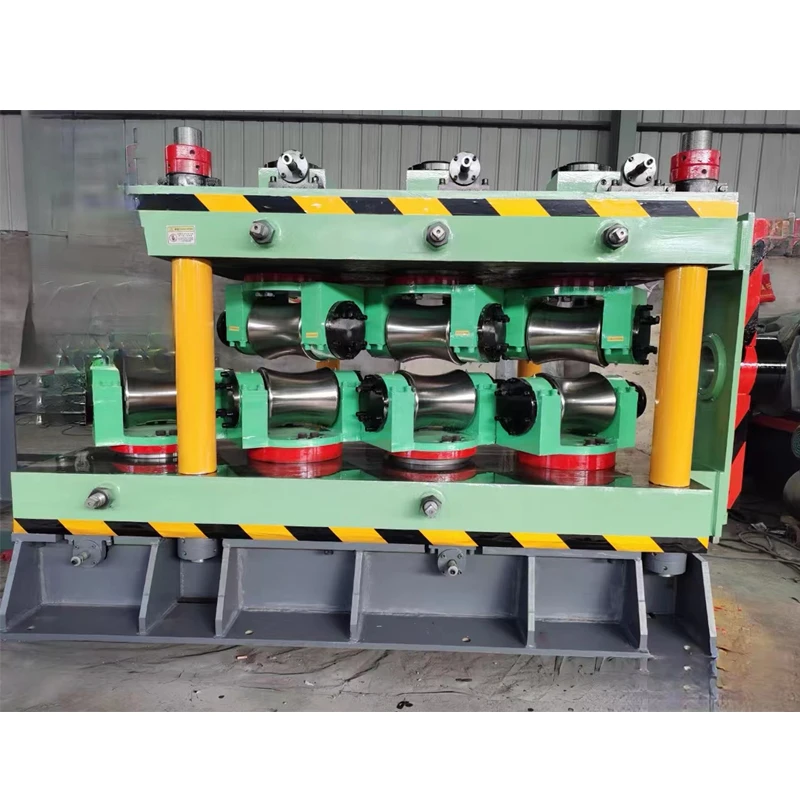
Customization that actually helps
Options include coil car/uncoiler tonnage upgrades, edge milling width control, automatic seam tracking, inline beveling, and recipe-based roll setups. Many customers say the inline marking/traceability module saves headaches at site acceptance.
Vendor comparison (buyer’s-eye view)
| Vendor | Range focus | Cert posture | After-sales | Notes |
|---|---|---|---|---|
| XH Equipment (Bazhou) | φ76—φ89 (core); thicker walls optional | ISO 9001; API 5L output readiness per audit | On-site commissioning + remote | Good spare parts availability |
| Vendor B | φ60—φ168 | ISO; project-specific approvals vary | Third-party service | Longer lead time |
| Vendor C | φ89—φ219 | ISO; DNV familiarity offshore | Mixed reviews | Higher capex, strong automation |
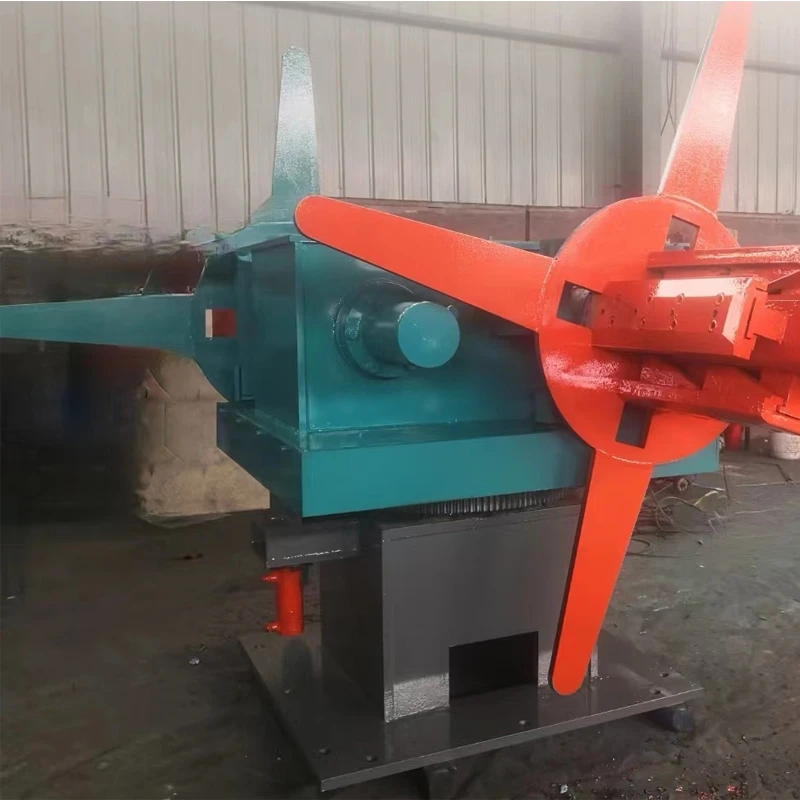
Mini case notes
- Southeast Asia gathering upgrade: switchover to HF line for line pipe steel 88.9×4.5 mm reduced weld repair rate from “painful” to “boring” (their words). Delivery held through a rainy-season shutdown—surprisingly smooth.
- Central Asia district heating: operators liked the sizing/straightening predictability; coatings adhered more uniformly, which is the quiet hero in service life.
Final take
If your spec leans API 5L/ISO 3183 and your diameter sits in the 76–89 band, this welded line is a practical way to produce line pipe steel without compromising on NDT or documentation. Actually, plan the audits early and you’ll sail through ITPs.
Origin: Liuzhuang Village industrial zone, Chaheji Township, Bazhou city, Hebei province.
Authoritative references
- API 5L: Specification for Line Pipe
- ISO 3183: Petroleum and natural gas industries — Steel pipe for pipeline transportation systems
- ASME B31.4: Pipeline Transportation Systems for Liquids and Slurries
- DNV-ST-F101: Submarine Pipeline Systems
- ASTM E213/E273: Nondestructive Testing—Ultrasonic/ECT of Metal Pipe
-
Comprehensive Guide to hdpe Making Machines: Global Impact, Features & TrendsNewsDec.02,2025
-
Comprehensive Guide to Garden Pipe Manufacturing Machine – Features, Benefits, and TrendsNewsDec.02,2025
-
Comprehensive Guide to Garden Pipe Making Machines: Features, Trends & BenefitsNewsDec.02,2025
-
Comprehensive Guide to Galvanized Pipe Making Machine – Durability & Innovation in Steel PipesNewsDec.02,2025
-
What Is an Extrusion Pipe Machine? Global Importance, Applications & BenefitsNewsDec.02,2025
-
Comprehensive Guide to ERW Tube Mill Machine: Global Insights and Industry ApplicationsNewsDec.02,2025
