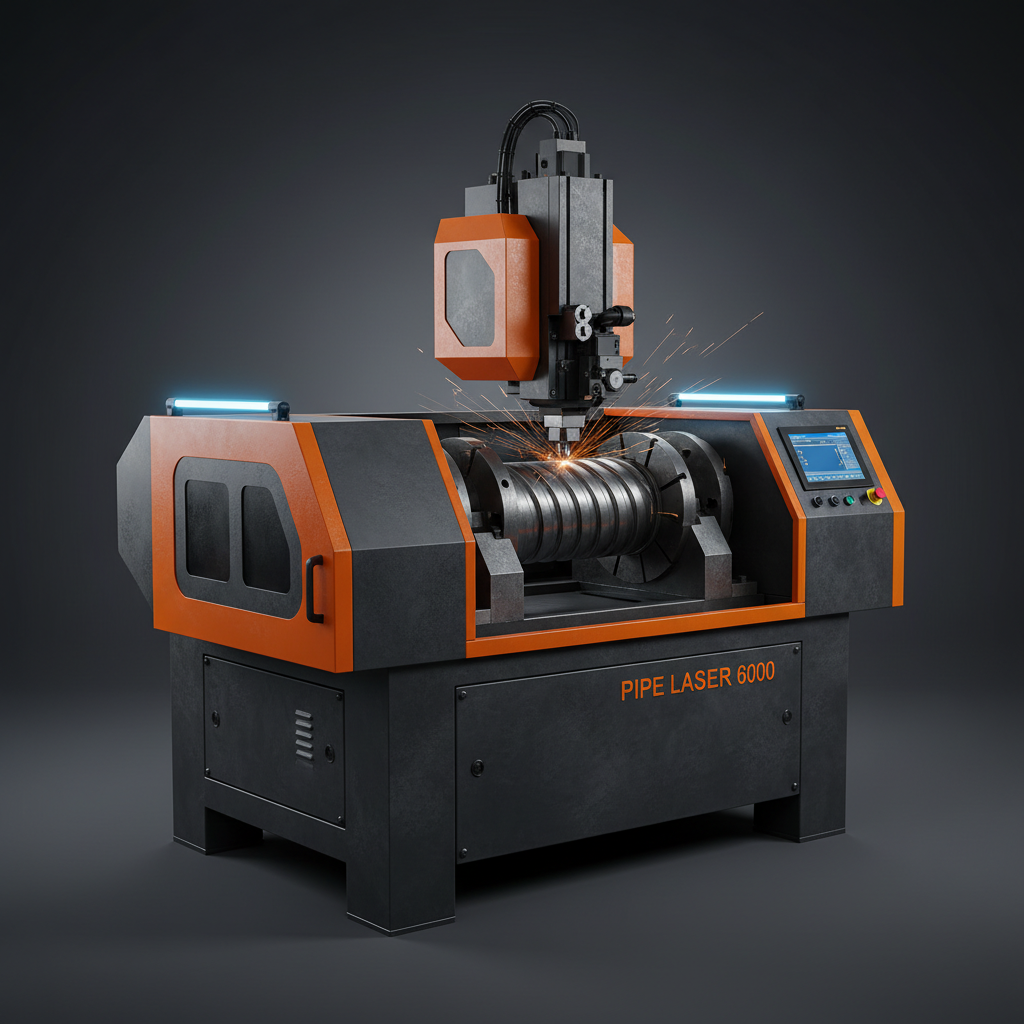
Professional conduit pipe machine manufacturer industrial solutions
Precision in conduit production depends heavily on the integrity of the rolling process and the durability of the tooling involved. For industrial operators, securing a reliable conduit pipe machine manufacturer means investing in equipment that minimizes material waste and maximizes structural consistency. Whether producing electrical conduits or specialized industrial piping, the synergy between high-grade roller molds and automated welding units determines the final product's wall thickness and concentricity.
The technical challenge lies in the metallurgy of the rolls. Poorly treated molds lead to premature wear and surface defects on the pipe, increasing rejection rates. By implementing a rigorous multi-stage forging and quenching process, manufacturers can ensure that the equipment withstands the immense pressures of longitudinal welding and cold cutting. This guide explores the engineering requirements for high-performance conduit production and the quality benchmarks that professional buyers should prioritize when evaluating equipment suppliers.

The Metallurgy of High-Precision Roller Molds for Pipe Production
The lifespan and accuracy of a conduit production line are fundamentally tied to the roll mold process. Achieving a professional finish requires a structured approach to material processing, starting with a precise forging ratio of 3:2 to 2.5. This ensures the internal grain structure of the steel is optimized for the mechanical stresses it will encounter during high-speed rolling.
A critical phase in the manufacturing of these components is the thermal treatment. Raw materials are typically heated to between 850°C and 1000°C for repeated forging (usually 2-4 times), which significantly enhances wear resistance. Following this, a stabilization period of 72 hours at 780°C to 830°C is maintained. This meticulous temperature control prevents internal stresses that could lead to deformation under operational loads.
The final hardness is achieved through a quenching process, where workpieces are heated to 930-980°C and then physically cooled. To stabilize the hardness levels, low-temperature tempering is applied. Professional quality inspectors verify that the final hardness reaches a range of 58° to 62° HRC. This level of hardness is essential for maintaining the dimensional tolerances of the conduit over millions of cycles, ensuring that the final conduit pipe machine manufacturer delivers a product that meets international standards.

Integrating Automation in Welded Pipe Units and Auxiliary Equipment
Modern production lines have evolved beyond simple rolling. To solve staffing challenges and reduce labor intensity, the integration of automated feeding sections and straightening machines is now a necessity. By combining automatic shearing and welding units with cold cutting flying saws, manufacturers can achieve a continuous production flow that minimizes human error and increases overall throughput.
The role of auxiliary machinery, such as balers and chamfering machines, is often overlooked but critical for the final presentation and usability of the pipe. A complete solution ensures that every stage—from raw coil feeding to the final squared end—is handled by synchronized equipment. This prevents the bottlenecking commonly found in fragmented production setups.
Furthermore, the application of longitudinal shearing units allows for greater versatility in raw material preparation. When these automated systems are paired with high-precision roller molds, the resulting conduit exhibits superior straightness and a seamless weld. This integration not only improves efficiency but also allows enterprises to scale their production capacity without a linear increase in labor costs.
Buyer's Checklist for Evaluating Conduit Production Equipment
When selecting an equipment partner, procurement managers must look beyond the initial price tag and evaluate the total cost of ownership. The most critical factor is the consistency of the rolling molds. Inquire about the quenching and tempering cycles used by the supplier, as this directly impacts how often you will need to replace expensive tooling.
Consider the following operational requirements when assessing a supplier's capabilities:
- Material Compatibility: Can the machinery handle various steel grades and wall thicknesses without compromising the weld quality?
- Automation Level: Does the system include automatic shearing and flying saws to reduce manual intervention?
- Technical Support: Does the manufacturer provide on-site optimization and training for the technical staff?
- Certification: Is the supplier ISO9001 certified, ensuring a standardized quality management system?
Reliability is also evidenced by the supplier's track record with large-scale industrial groups. Partnerships with major steel pipe companies indicate that the equipment can handle high-volume production environments. A manufacturer that invests in a professional R&D team and holds patents for their technological innovations is more likely to provide a future-proof solution.
Technical Comparison of Tooling and Process Standards
| Process Stage | Technical Requirement | Impact on Quality | Standard Value |
|---|---|---|---|
| Initial Forging | Forging Ratio Optimization | Grain Structure Density | 3:2 - 2.5 Ratio |
| Thermal Treatment | Repeated Forging (2-4 times) | Surface Wear Resistance | 850°C - 1000°C |
| Stabilization | Controlled Cooling/Heating | Dimensional Stability | 780°C - 830°C (72h) |
| Quenching | Rapid Physical Cooling | Core Hardness | 930°C - 980°C |
| Final Detection | Hardness Testing (HRC) | Tooling Lifespan | 58° - 62° HRC |
Operational Challenges and Engineering Solutions in Pipe Milling
One of the most common issues in conduit production is the instability of the pipe diameter during long production runs. This is often caused by thermal expansion of the rollers or uneven wear of the molds. To mitigate this, engineering teams must implement precise planar finishing and inner hole finishing during the mold manufacturing stage, ensuring the roll's geometry is perfect before it ever touches a piece of steel.
Another challenge is the weld seam quality. If the feeding section is not perfectly synchronized with the welding unit, the resulting seam can be inconsistent, leading to failures in pressure tests. High-tech enterprises solve this by deploying advanced automation that adjusts the feeding speed in real-time, maintaining a constant gap for the welding arc.
The use of specialized cold cutting flying saws further enhances the process by eliminating the need to stop the line for cutting. This not only maintains the momentum of the production flow but also ensures that the cut edges are clean and burr-free, reducing the need for secondary chamfering operations.
Future Trends in Automated Conduit Manufacturing
The industry is moving toward a "Smart Factory" model where the equipment is not just automated but intelligent. We are seeing a shift toward sensors that can detect mold wear in real-time, alerting operators before a part fails and causes a production shutdown. This predictive maintenance approach is becoming a standard requirement for high-efficiency plants.
Additionally, there is a growing demand for customization in conduit specifications. The ability to quickly swap roller molds for different diameters while maintaining the same quality standard is a key competitive advantage. Suppliers who provide modular equipment designs allow their clients to adapt to market changes more rapidly.
Sustainability is also playing a role, with new designs focusing on reducing energy consumption during the heating and forging phases. By optimizing the thermal cycles and utilizing more energy-efficient welding technologies, manufacturers can lower their carbon footprint while increasing their profit margins through reduced operational costs.
Frequently Asked Questions About Conduit Production Lines
How does the forging ratio affect the quality of the roller molds?
A forging ratio of 3:2 to 2.5 ensures that the steel is compressed and refined properly. This optimizes the internal organization of the material, which significantly improves the wear resistance and durability of the mold during the pipe rolling process.
What is the purpose of the 72-hour heating period after forging?
This period, maintained between 780°C and 830°C, serves as a stabilization phase. It relieves internal stresses created during the repeated forging process, preventing the mold from cracking or warping during the final quenching stage.
What hardness range is ideal for industrial conduit rolling tools?
The standard hardness for high-quality rolls is between 58° and 62° HRC. This balance ensures the tool is hard enough to resist wear from the steel pipe but not so brittle that it fractures under the operational pressure of the machine.
Can automation truly reduce the need for skilled labor in pipe plants?
Yes, by integrating automatic shearing, welding, and cold cutting flying saws, the physical labor intensity is greatly reduced. This solves staffing problems by allowing a smaller team to manage a larger volume of production with higher consistency.
How do I verify the quality of a pipe equipment supplier?
Check for ISO9001 certification, look for "High-tech Enterprise" status, and verify their partnerships with established steel pipe groups. A supplier with a dedicated R&D team and a full range of workshops (forging, rolling, heat treatment) is generally more reliable.
What are the main benefits of using a flying saw in the production line?
A flying saw allows for the cutting of pipes without stopping the rolling process. This maintains a continuous production speed, increases efficiency, and ensures a precise, clean cut that meets the required length specifications every time.
Industry Technical References
- Technical Overview of Pipe Manufacturing Processes
- ISO Standards for Quality Management in Manufacturing
- ASTM International Standards for Steel Conduit
- Research on Metallurgy and Quenching of Tool Steel
Selecting the right production partner involves balancing technical specifications with long-term reliability. By focusing on the metallurgical quality of the molds and the integration of automation, enterprises can ensure a high-yield production environment. If you are looking to optimize your conduit output, we recommend evaluating the supplier's heat treatment capabilities and their experience with large-scale industrial installations.
Related Articles