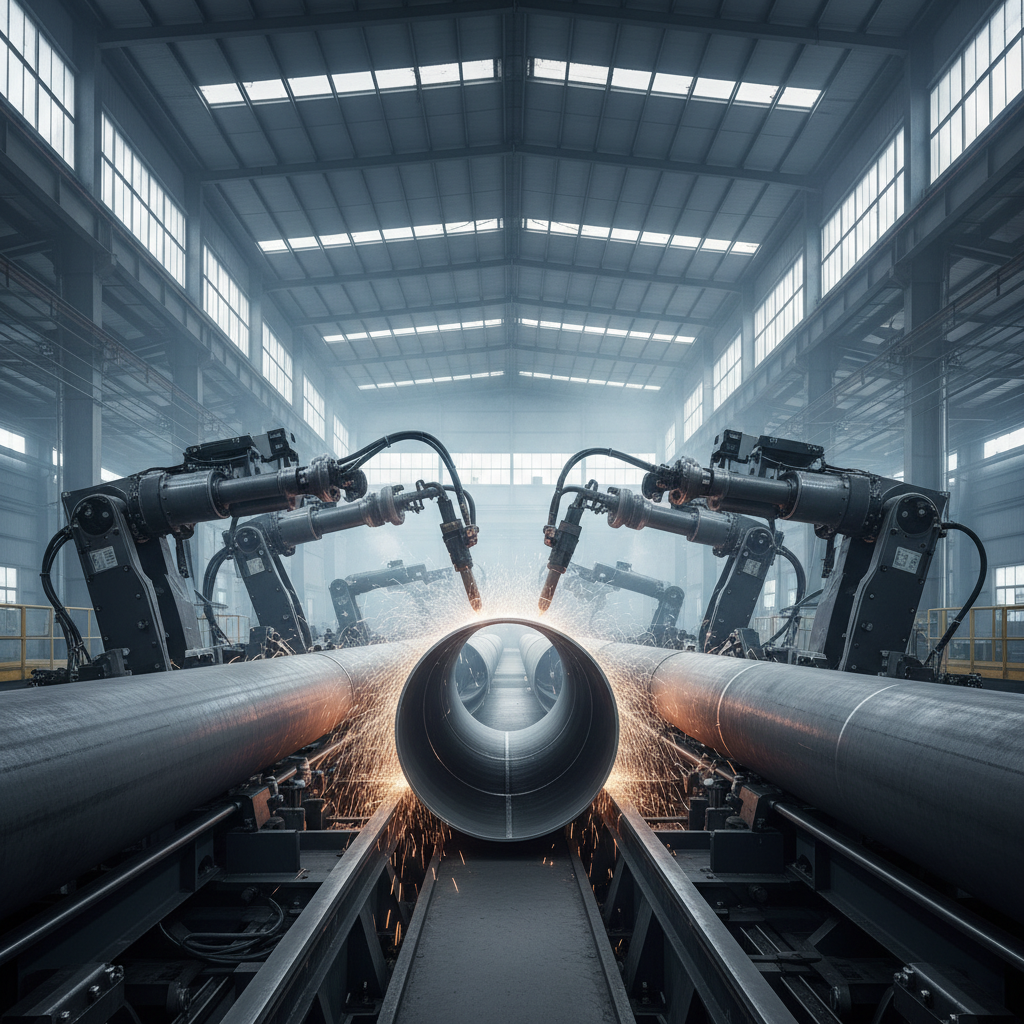
The demand for efficient and precise metal cutting solutions has surged globally, driven by advancements in manufacturing, infrastructure development, and various industrial applications. A key player in meeting this demand is the pipe cutting laser, a technology that offers unparalleled accuracy, speed, and versatility compared to traditional methods. Understanding its capabilities is crucial for businesses seeking to optimize their operations and remain competitive in today’s rapidly evolving landscape.
The rise of automation and Industry 4.0 further amplifies the importance of the pipe cutting laser. As companies strive for greater efficiency and reduced waste, laser cutting technology offers a compelling solution. From shipbuilding and pipeline construction to automotive manufacturing and aerospace engineering, the applications are diverse and constantly expanding. This trend indicates a sustained growth trajectory for the laser cutting market worldwide.
Investment in pipe cutting laser systems isn’t simply about acquiring equipment; it’s about embracing a future of precision manufacturing, reduced material costs, and enhanced product quality. The benefits extend beyond immediate operational improvements, contributing to long-term sustainability and market leadership.
Introduction to Pipe Cutting Laser Technology
The introduction of the pipe cutting laser has revolutionized metal fabrication, offering a non-contact cutting method that drastically improves precision and efficiency. This technology utilizes a focused laser beam to melt, burn, or vaporize material, creating clean and accurate cuts. It’s a substantial leap forward from traditional methods like sawing or plasma cutting.
Initially adopted by large-scale manufacturing operations, pipe cutting laser technology is now becoming increasingly accessible to smaller businesses and specialized workshops. The decreasing cost of laser systems coupled with advancements in software and automation are driving this trend, making precision metal cutting available to a broader range of applications.
Defining Pipe Cutting Laser Systems
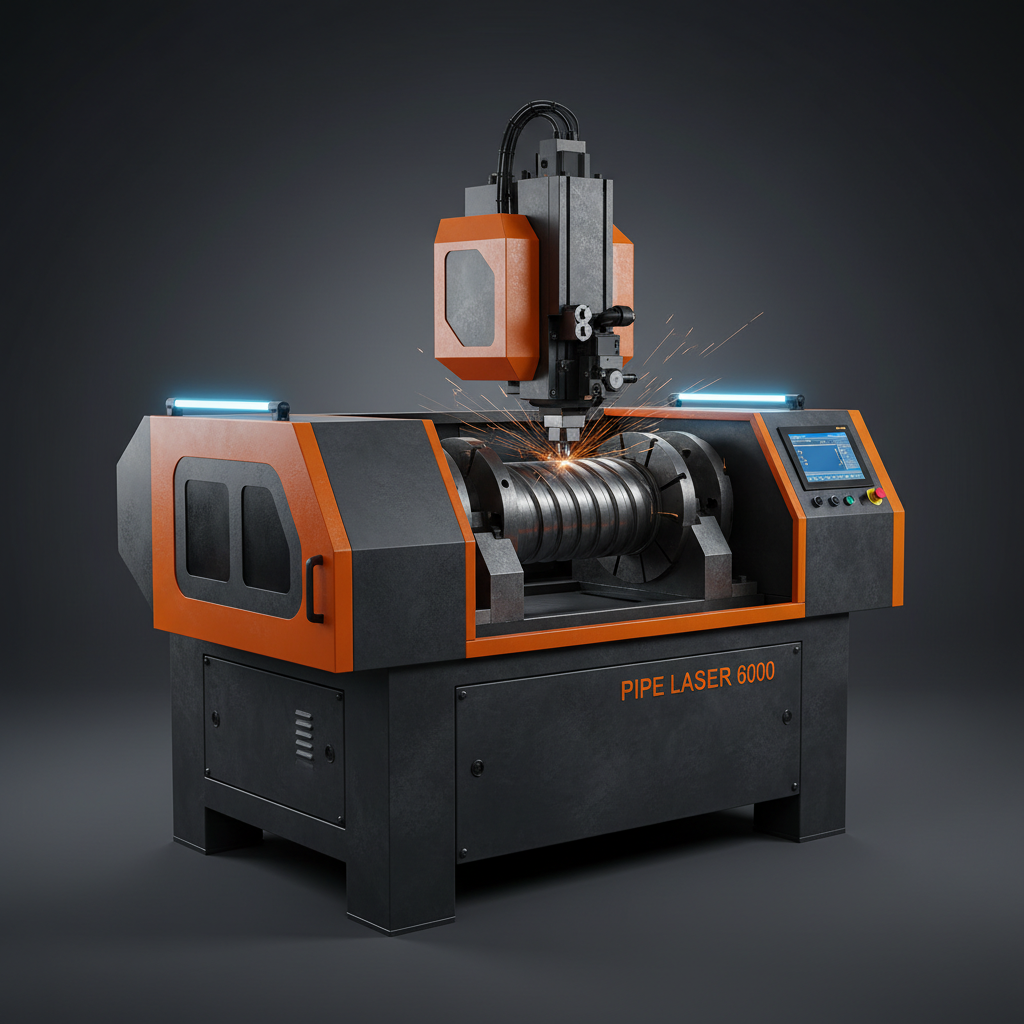
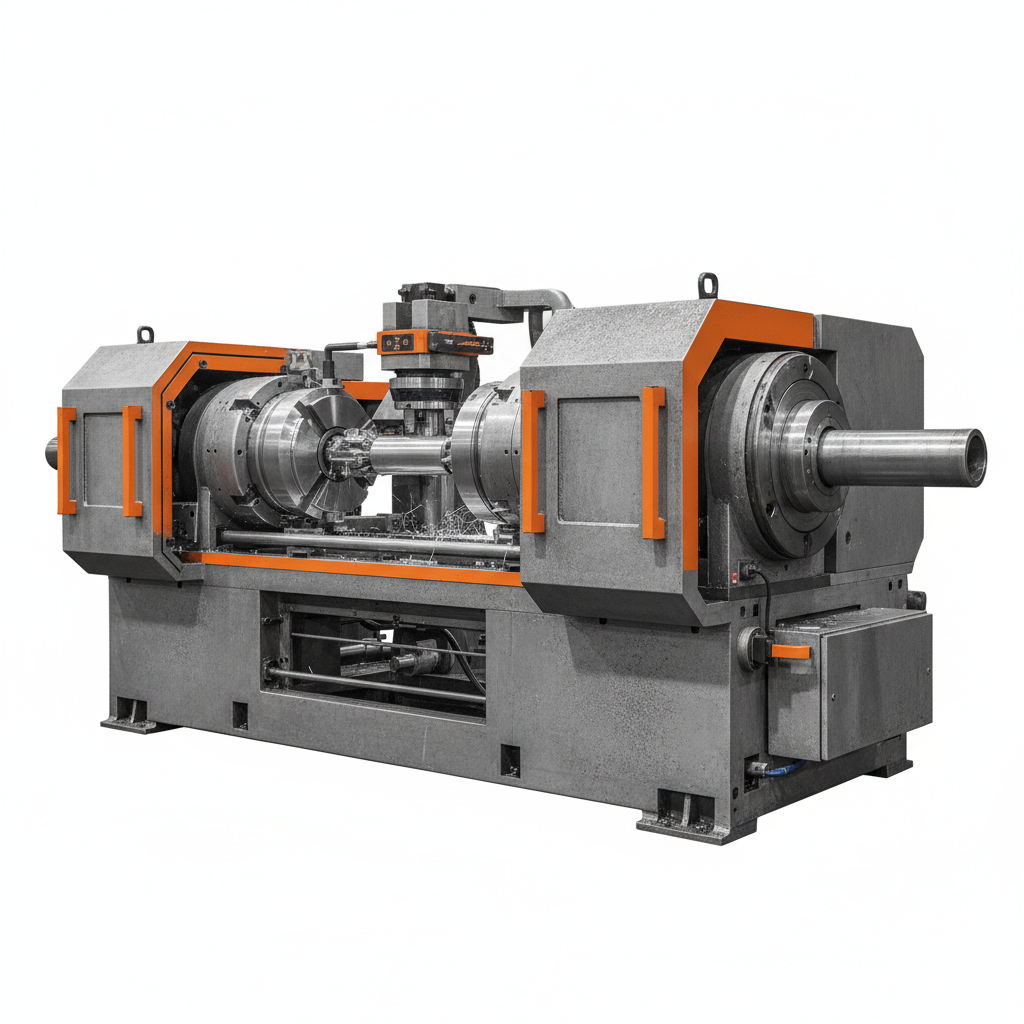
A pipe cutting laser system is a sophisticated assembly of components working in harmony to deliver precise cutting results. At its core is the laser source, generating a high-energy beam. This beam is then guided and focused by a series of mirrors and lenses onto the pipe surface. The system typically includes a motion control system to precisely position the laser head along the pipe's circumference.
Unlike traditional methods that rely on physical contact, laser cutting is a non-contact process, minimizing material deformation and reducing the need for secondary finishing operations. This makes it ideal for delicate materials or applications where maintaining dimensional accuracy is critical.
Different types of lasers are employed, including fiber lasers, CO2 lasers, and Nd:YAG lasers, each offering distinct advantages depending on the material being cut and the desired cut quality. Fiber lasers are currently the most popular choice for pipe cutting due to their efficiency, speed, and ability to cut a wide range of metals.
Core Components and Operational Factors
Several key factors determine the performance and effectiveness of a pipe cutting laser system. Laser power is a primary consideration, with higher power allowing for faster cutting speeds and the ability to cut thicker materials. The wavelength of the laser also influences its compatibility with different materials.
The quality of the beam, measured by its focusability and mode, is crucial for achieving precise and clean cuts. Gas assist systems, typically using oxygen, nitrogen, or argon, are employed to remove molten material and protect the lens, further enhancing cut quality. The right choice of gas assist depends on the material being cut.
Finally, the control software and motion system play a vital role in automating the cutting process and ensuring accuracy. Advanced software can optimize cutting parameters, nest parts efficiently, and monitor system performance in real-time. Proper maintenance and calibration of all components are essential for consistent results.
Global Applications Across Industries
The pipe cutting laser finds widespread application across a diverse range of industries. In the oil and gas sector, it’s used for cutting pipes for pipelines, offshore platforms, and refineries. The shipbuilding industry utilizes laser cutting for producing complex hull components and structural parts.
Automotive manufacturers employ pipe cutting laser technology for creating exhaust systems, chassis components, and structural elements. Aerospace companies leverage its precision for cutting lightweight alloys used in aircraft construction. In construction, laser cutting is used for creating structural steel components and architectural elements.
Pipe Cutting Laser Application Breakdown by Industry
Advantages and Long-Term Value Proposition
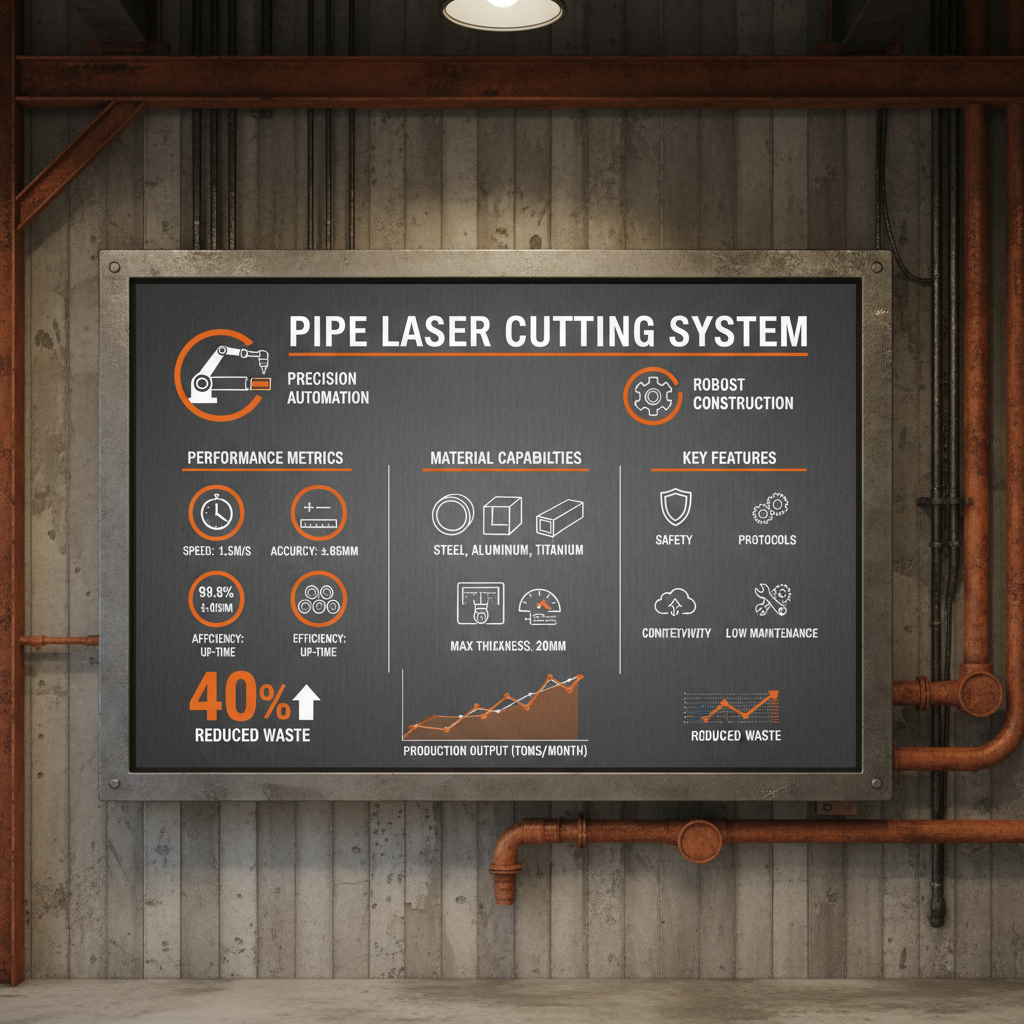
The benefits of implementing a pipe cutting laser extend far beyond simply achieving faster cutting speeds. Significant cost savings are realized through reduced material waste, minimized secondary processing, and lower labor requirements. The precision of laser cutting also leads to fewer rejects and higher product quality.
From a sustainability perspective, laser cutting generates less heat-affected zone, minimizing material distortion and reducing the need for rework. Its energy efficiency and minimal waste contribute to a smaller environmental footprint. This aligns with growing corporate social responsibility goals.
Future Trends in Pipe Cutting Laser Technology
The future of pipe cutting laser technology is focused on increased automation, enhanced efficiency, and expanded capabilities. Integration with artificial intelligence (AI) and machine learning (ML) will enable self-optimizing systems that automatically adjust cutting parameters for optimal results.
Developments in laser sources, such as solid-state lasers with higher power and improved beam quality, will allow for cutting even thicker materials and achieving finer tolerances. Remote monitoring and diagnostics will become increasingly common, allowing for proactive maintenance and reduced downtime.
The integration of 3D laser cutting technology is also on the rise, enabling the creation of complex shapes and geometries beyond the capabilities of traditional 2D laser cutting systems. This will open up new possibilities for product design and manufacturing.
Challenges and Innovative Solutions
Despite its many advantages, pipe cutting laser technology faces certain challenges. The initial investment cost can be substantial, especially for high-power systems. Maintaining and calibrating the equipment requires skilled technicians.
Addressing these challenges requires innovative solutions. Leasing and financing options can make laser cutting technology more accessible to smaller businesses. Remote diagnostics and preventative maintenance programs can reduce downtime and lower maintenance costs.
Furthermore, ongoing advancements in laser technology are driving down costs and improving reliability. The development of user-friendly software and automated systems is simplifying operation and reducing the need for highly specialized training.
Summarizing Key Challenges and Solutions in Pipe Cutting Laser Implementation
| Challenge |
Impact on Operations |
Proposed Solution |
Implementation Cost (1-10) |
| High Initial Investment |
Restricts access for smaller businesses |
Leasing options, financing plans |
4 |
| Skilled Technician Requirement |
Increased labor costs, potential downtime |
Comprehensive training programs, remote support |
6 |
| Material Limitations |
Certain materials require specific laser types |
Selecting appropriate laser source based on material |
3 |
| Maintenance Complexity |
Potential for unexpected downtime, high repair costs |
Preventative maintenance schedules, remote diagnostics |
5 |
| Safety Concerns |
Potential for laser exposure, fire hazards |
Enclosed laser systems, safety protocols, operator training |
7 |
| Process Optimization |
Maximizing cutting speed and quality |
AI-powered cutting parameter adjustment, nesting software |
4 |
FAQS
Fiber lasers and CO2 lasers differ primarily in their laser source. Fiber lasers generally excel at cutting reflective metals like aluminum and stainless steel with higher speed and precision. CO2 lasers, while versatile, are often better suited for non-metals like plastics and wood. Fiber lasers also require less maintenance and consume less power than CO2 lasers, making them a more cost-effective choice for many metal fabrication applications, particularly when pipe cutting laser is the focus.
A pipe cutting laser system requires regular maintenance to ensure optimal performance and longevity. This includes cleaning lenses and mirrors, inspecting and replacing nozzles, checking gas assist systems, and calibrating the motion control system. While fiber lasers generally require less maintenance than CO2 lasers, a preventative maintenance schedule is crucial. Routine checks and proactive component replacement can minimize downtime and extend the lifespan of the system.
Safety is paramount when operating a pipe cutting laser. Always wear appropriate personal protective equipment (PPE), including laser safety glasses specifically designed for the laser's wavelength. Ensure the laser enclosure is properly sealed to prevent laser beam leakage. Implement strict lockout/tagout procedures during maintenance. Train operators thoroughly on safe operating procedures and emergency shutdown protocols.
A pipe cutting laser can cut a wide range of materials, including carbon steel, stainless steel, aluminum, copper, brass, and various alloys. Fiber lasers are particularly effective on metals, while CO2 lasers can cut non-metals like acrylic, wood, and plastics. The specific material and thickness will influence the required laser power and cutting parameters. Material reflectivity also impacts cut quality.
Laser cutting and plasma cutting are both used for metal fabrication, but they differ significantly. Laser cutting offers superior precision, a narrower kerf (cut width), and a cleaner cut edge with minimal heat-affected zone. Plasma cutting is generally faster and more cost-effective for cutting thicker materials. However, it produces a rougher cut edge and generates more fumes. For high-precision pipe cutting laser applications, laser cutting is typically preferred.
The ROI for a pipe cutting laser system varies depending on factors like utilization rate, material costs, labor savings, and the complexity of the parts being cut. However, businesses often experience a significant ROI within 1-3 years due to reduced material waste, increased production speed, improved part quality, and lower labor costs. A detailed cost-benefit analysis is recommended to determine the specific ROI for your application.
Conclusion
In conclusion, the pipe cutting laser has emerged as a transformative technology for metal fabrication, offering unprecedented precision, speed, and efficiency. From its diverse range of applications across industries to its long-term value proposition in terms of cost savings and sustainability, it’s clear that this technology is reshaping the landscape of manufacturing. Embracing laser cutting is no longer simply a matter of technological advancement, but a strategic imperative for businesses seeking to remain competitive in a rapidly evolving global market.
Looking ahead, continued innovation in laser technology, coupled with the integration of AI and automation, will further enhance the capabilities and accessibility of pipe cutting laser systems. Investing in this technology not only streamlines operations but also positions companies for long-term success in a future defined by precision, efficiency, and sustainability.