

API 5L Line Pipe Steel: Welded & Seamless Pipe Solutions
In the critical infrastructure of energy and fluid transportation, the integrity and performance of piping materials are paramount. Central to this domain is line pipe steel, an engineered material specifically designed for the robust demands of conveying oil, natural gas, water, and other industrial fluids over long distances. This specialized steel product forms the backbone of global pipeline networks, ensuring safe, efficient, and reliable transport under varying environmental and operational conditions. Understanding the intricacies of its manufacturing, technical specifications, and diverse applications is crucial for B2B decision-makers and engineers responsible for project planning and material procurement.
Detailed Manufacturing Process of Line Pipe Steel
The production of line pipe steel involves a sophisticated multi-stage process, meticulously controlled to meet stringent industry standards such as API 5L and ISO 3183. This ensures the pipes can withstand high pressures, corrosive environments, and dynamic stresses throughout their service life.
Process Flow:
- Material Selection and Preparation: High-quality steel coils or plates, typically carbon steel or low-alloy steels (e.g., X42, X52, X65, X70 grades as per API 5L), are selected based on the required mechanical properties, toughness, and chemical composition. These materials are chosen for their excellent weldability, strength, and corrosion resistance. The plates are meticulously cleaned and inspected for surface defects.
- Forming: The steel plates are cold-formed into a cylindrical shape. For smaller diameter pipes, this often involves roll forming or UOE (U-ing, O-ing, Expanding) processes. For larger diameters, JCOE (J-ing, C-ing, O-ing, Expanding) or three-roll bending might be used. This step precisely shapes the material into the desired pipe circumference.
-
Welding:
The formed cylinder is then welded longitudinally. Common methods include:
- Electric Resistance Welding (ERW) / High-Frequency Induction (HFI) Welding: Used for smaller to medium diameter pipes. Heat is generated by electrical resistance or induction, fusing the edges without filler metal. This results in a clean, strong weld.
- Submerged Arc Welding (SAW): Preferred for larger diameter pipes and thicker walls. This process uses a continuous wire electrode and granular flux, protecting the weld from atmospheric contamination and ensuring deep penetration and robust weld integrity. SAW can be single-pass or multi-pass, performed internally and externally.
- Heat Treatment: Post-welding, pipes often undergo heat treatment (e.g., normalizing, quenching and tempering) to refine the grain structure, relieve residual stresses, and enhance mechanical properties like toughness and yield strength, particularly in the weld seam and heat-affected zone (HAZ). This step is critical for ensuring uniform material properties across the pipe.
- Sizing and Straightening: The pipes are then sized to their exact outer diameter and straightened to meet dimensional tolerances. This ensures compatibility with fittings and facilitates efficient installation.
-
Non-Destructive Testing (NDT) & Inspection:
Rigorous testing is applied to guarantee quality and integrity. This includes:
- Hydrostatic Testing: Each pipe is pressurized with water to a specified test pressure to verify its strength and leak tightness.
- Ultrasonic Testing (UT): Detects internal flaws, laminations, or weld defects.
- Radiographic Testing (RT): Uses X-rays or gamma rays to find internal discontinuities, particularly in weld areas.
- Magnetic Particle Inspection (MPI): Identifies surface and near-surface flaws.
- Visual Inspection: Checks for surface imperfections, dimensional accuracy, and end finishes.
- Corrosion Protection (Coating): Depending on the application, pipes may receive internal and external coatings to prevent corrosion. Common external coatings include FBE (Fusion Bond Epoxy), 3LPE (3-Layer Polyethylene), and 3LPP (3-Layer Polypropylene). Internal coatings reduce friction and prevent internal corrosion from the transported medium.
- Marking and Dispatch: Each pipe is marked with critical information including grade, heat number, dimensions, and manufacturer details, ensuring traceability. Pipes are then prepared for shipment.
This meticulous process ensures that the resulting line pipe steel products are of the highest quality, suitable for the rigorous demands of target industries such as petrochemical, metallurgy, and municipal water supply & drainage, offering an extended service life and demonstrating advantages like energy saving through reduced friction and superior corrosion resistance.
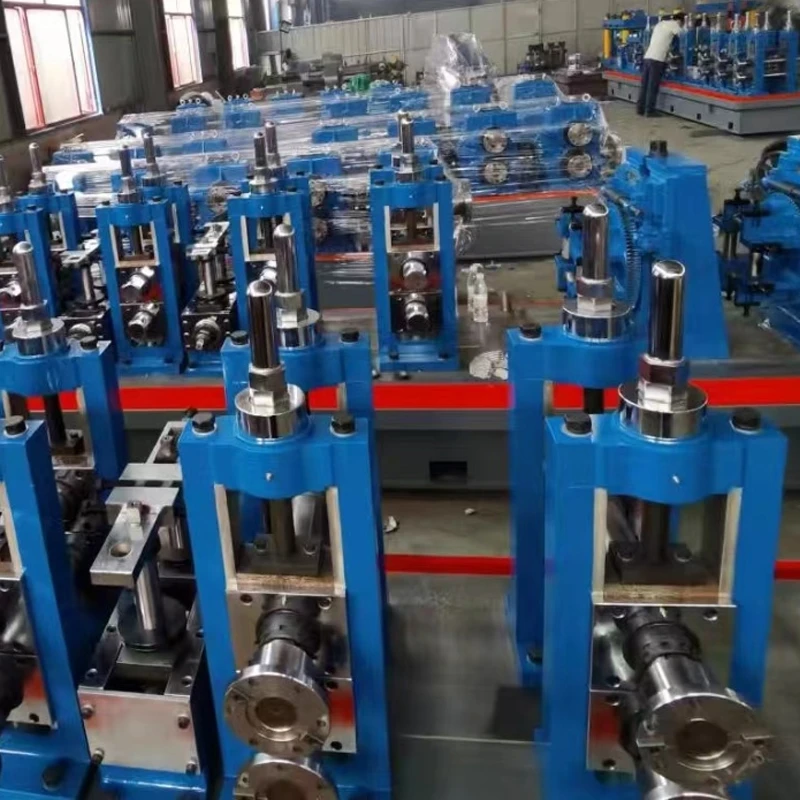
Sophisticated manufacturing lines ensure precision in line pipe steel production.
Current Industry Trends in Line Pipe Steel
The line pipe steel sector is continuously evolving, driven by global energy demands, environmental regulations, and technological advancements. Key trends include:
- Higher Strength Grades: There's a persistent drive towards higher strength-to-weight ratio steels (e.g., X80, X100, X120). These grades allow for thinner pipe walls, reducing material consumption and transportation costs, while maintaining or even increasing pressure capabilities. This is particularly relevant for high-pressure gas transmission, requiring advanced micro-alloying and thermomechanical controlled process (TMCP) techniques.
- Enhanced Corrosion Resistance: As pipelines traverse diverse terrains and encounter varied corrosive media, advanced internal and external coating systems (e.g., multi-layer coatings, internal flow-efficiency coatings) are becoming standard. Specialty steels with increased resistance to H2S (sour service) and CO2 corrosion are also gaining prominence for specific applications like carbon capture and storage (CCS) pipelines and sour gas fields.
- Digitalization and Automation: Integration of Industry 4.0 technologies, including AI-driven NDT, predictive maintenance, and real-time process monitoring, is optimizing manufacturing efficiency, improving quality control, and reducing human error in the production of line pipe steel and welded gas pipe.
- Environmental Sustainability: Manufacturers are focusing on reducing the environmental footprint of steel production, including optimizing energy consumption, reducing waste, and developing recyclable materials. The demand for pipes for hydrogen transport and carbon capture pipelines is also shaping future material requirements.
- Global Infrastructure Development: Emerging economies and ongoing energy transition projects continue to drive significant demand for steel pipe line infrastructure, necessitating robust supply chains and adaptable manufacturing capabilities.
Technical Specifications and Parameters of Line Pipe Steel
The performance and reliability of line pipe steel are defined by a comprehensive set of technical specifications, primarily governed by API Specification 5L for Line Pipe. These parameters ensure suitability for various demanding applications.
| Parameter | Description / Common Values | Relevant Standard / Notes |
|---|---|---|
| Steel Grades (API 5L) | Gr. B, X42, X46, X52, X56, X60, X65, X70, X80, X100, X120. (Higher numbers indicate higher yield strength). | API Specification 5L |
| Product Specification Levels (PSL) | PSL1 (standard requirements), PSL2 (more stringent chemical composition, mechanical properties, and NDT). | API Specification 5L |
| Outer Diameter (OD) | Typically 0.5 inches (12.7 mm) to 60 inches (1524 mm) and larger. | Varies by manufacturing method (ERW/HFI vs. SAW) |
| Wall Thickness (WT) | Commonly 0.125 inches (3.18 mm) to 1.5 inches (38.1 mm). | Determined by pressure rating and design factor |
| Yield Strength (min) | E.g., X52: 52,000 psi (360 MPa); X70: 70,000 psi (485 MPa). | Critical for pressure containment |
| Tensile Strength (min) | E.g., X52: 66,000 psi (455 MPa); X70: 82,000 psi (565 MPa). | Indicates ultimate material strength |
| Impact Toughness (Charpy V-notch) | Minimum absorbed energy at specified temperatures (e.g., 20 Joules at 0°C). | Critical for low-temperature service and fracture prevention (PSL2) |
| Chemical Composition | Controlled limits for C, Mn, Si, P, S, Nb, V, Ti, Cu, Ni, Cr, Mo (e.g., CEQ limits). | Affects weldability, strength, and corrosion resistance |
| Hydrostatic Test Pressure | Typically 90-100% of Specified Minimum Yield Strength (SMYS) hoop stress. | Ensures structural integrity and leak-tightness |
These specifications are rigorously tested and verified throughout the production cycle, ensuring that each length of line pipe steel meets the exact requirements for its intended application. Adherence to these standards is fundamental for pipeline safety and operational longevity.
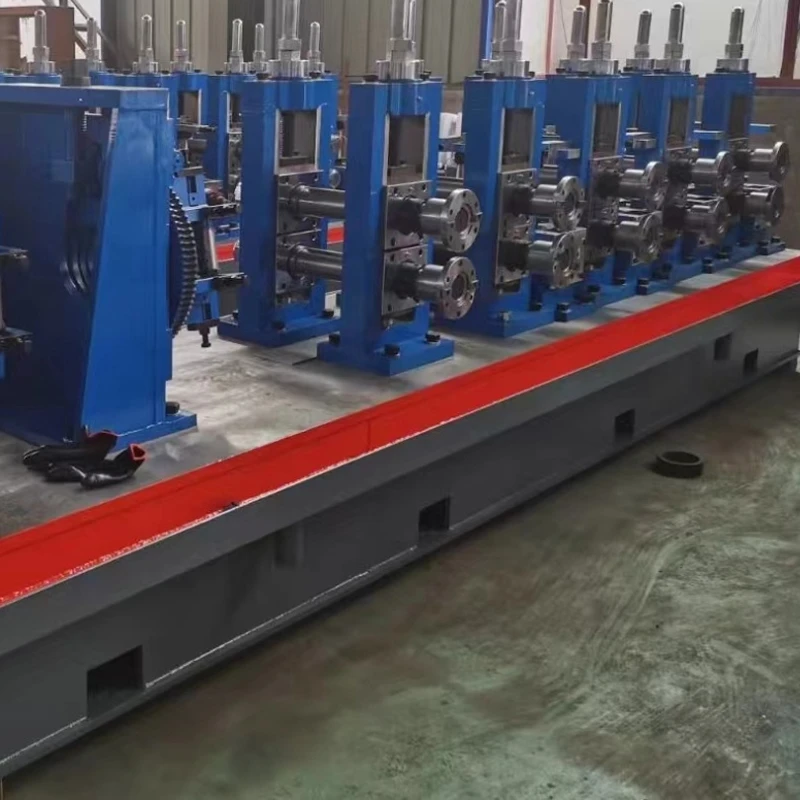
Quality assurance and testing are paramount for reliable line pipe steel.
Application Scenarios for Line Pipe Steel
The versatility and robustness of line pipe steel make it indispensable across a multitude of industries where reliable and efficient fluid or gas transport is essential.
- Oil and Gas Transmission: This is the primary application, encompassing long-distance pipelines for crude oil, refined petroleum products, and natural gas. These pipelines often traverse challenging terrains and climates, requiring line pipe steel that can withstand high pressures, extreme temperatures, and corrosive elements. For instance, large-diameter linepipe made from X70 or X80 steel is commonly used for major natural gas trunk lines, where high strength reduces wall thickness and construction costs.
- Water Supply and Drainage: Municipal and industrial water systems rely on line pipe steel for transporting potable water, wastewater, and irrigation water. The pipes are often coated internally and externally to prevent corrosion and maintain water quality. Large diameter steel pipes are crucial for urban infrastructure projects requiring substantial flow rates.
- Chemical and Petrochemical Industries: In chemical plants and refineries, line pipe steel is used for transferring various chemicals, effluents, and steam. Special consideration is given to corrosion resistance, often requiring specific alloy compositions or specialized internal linings.
- Carbon Capture, Utilization, and Storage (CCUS): With growing environmental concerns, pipelines for transporting captured CO2 are an emerging application. These projects demand specialized line pipe steel with enhanced resistance to CO2 corrosion and fracture propagation, ensuring long-term containment.
- Hydrogen Transport: As the world shifts towards a hydrogen economy, existing and new pipeline infrastructure will be needed for hydrogen transport. This application presents unique challenges related to hydrogen embrittlement, driving innovation in line pipe steel metallurgy.
The adaptability of line pipe steel to diverse media and environments underscores its critical role in modern industrial and energy landscapes.
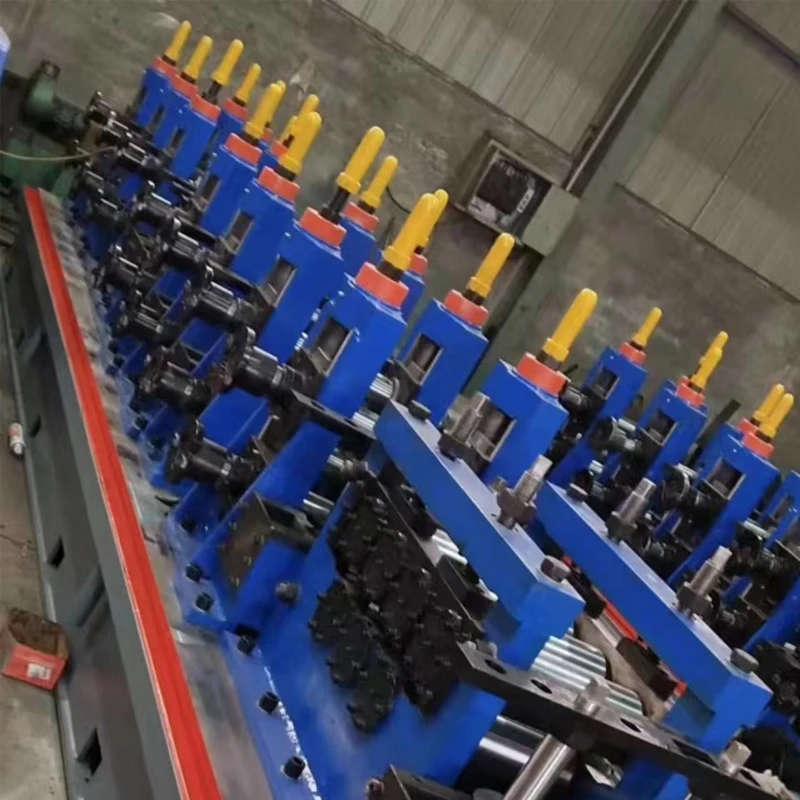
Line pipe steel is essential for vast infrastructure projects.
Technical Advantages of Line Pipe Steel
The inherent properties and advanced manufacturing of line pipe steel offer several distinct advantages that contribute to its widespread adoption in critical infrastructure.
- High Strength-to-Weight Ratio: Modern line pipe steel grades (e.g., X65, X70, X80) provide exceptional yield strength, allowing for the design of pipelines with thinner walls while maintaining high operating pressures. This directly translates to lower material costs, reduced freight expenses, and easier installation, leading to significant project savings.
- Excellent Weldability: The chemical composition of line pipe steel is carefully balanced to ensure superior weldability, crucial for field jointing and the long-term integrity of the pipeline. Low carbon equivalents (CEQ) and specific alloying elements facilitate strong, ductile welds that resist cracking, even in challenging environmental conditions.
- Corrosion Resistance: Through sophisticated external coatings (e.g., FBE, 3LPE) and internal liners, line pipe steel offers robust protection against both external environmental corrosion and internal corrosion from aggressive media. Specialized steel grades are also developed for sour service applications, resisting sulfide stress cracking.
- High Ductility and Toughness: These pipes exhibit excellent ductility, allowing them to deform under stress without brittle fracture, which is vital for pipelines operating in seismically active regions or subject to ground movement. High toughness, often measured by Charpy impact values, ensures resistance to crack propagation, even at low operating temperatures.
- Long Service Life: Designed and manufactured to stringent international standards (e.g., API 5L, ISO), line pipe steel pipelines are built for a service life of 50 years or more with proper maintenance, offering a high return on investment and ensuring long-term operational reliability.
- Cost-Effectiveness: While initial investment can be substantial, the long-term operational efficiency, minimal maintenance requirements, and extended service life make line pipe steel a highly cost-effective solution for large-scale fluid and gas transportation projects.
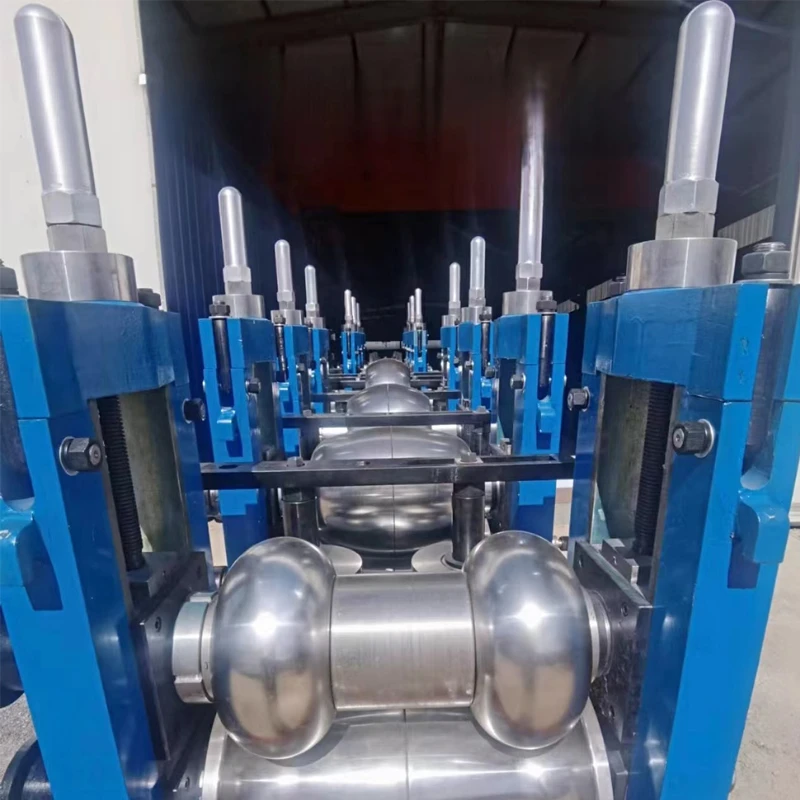
Advanced coatings protect line pipe steel from environmental degradation.
Vendor Comparison: Choosing the Right Line Pipe Steel Supplier
Selecting a supplier for line pipe steel requires careful consideration of various factors beyond just price. A reliable vendor ensures product quality, adherence to specifications, timely delivery, and comprehensive support. Here’s a comparative overview of factors to consider:
| Criterion | High-Tier Vendor (e.g., XH Equipment) | Standard Vendor |
|---|---|---|
| Product Quality & Certifications | API 5L, ISO 9001, CE, ASTM, NACE. Full traceability and material test reports (MTRs) for every batch. Advanced NDT capabilities. | Basic API/ISO. Limited NDT. MTRs might be less detailed or unavailable for all batches. |
| Customization & Engineering Support | Offers bespoke grades, specialized coatings, unique dimensions, and end preparations. In-house engineering teams for technical consultations and project-specific solutions. | Primarily standard products. Limited flexibility for custom orders. Technical support is general. |
| Lead Time & Logistics | Reliable lead times with robust supply chain management. Flexible shipping options (sea, rail, road) and global delivery capabilities. | Lead times can be inconsistent. Logistics might be restricted to certain regions or transport modes. |
| After-Sales Support & Warranty | Comprehensive warranty, dedicated customer service, technical troubleshooting, and on-site support for complex issues. | Standard, often limited warranty. Reactive customer support. |
| Reputation & Experience | Decades of experience in the industry, extensive portfolio of major projects, positive customer testimonials, and strategic partnerships. | Newer to the market or smaller scale projects. Limited references. |
For mission-critical applications involving line pipe steel, partnering with a vendor that demonstrates consistent expertise, authoritative certifications, and a proven track record (like XH Equipment with its specialized welded pipe production line offerings) is essential for minimizing risks and ensuring project success.
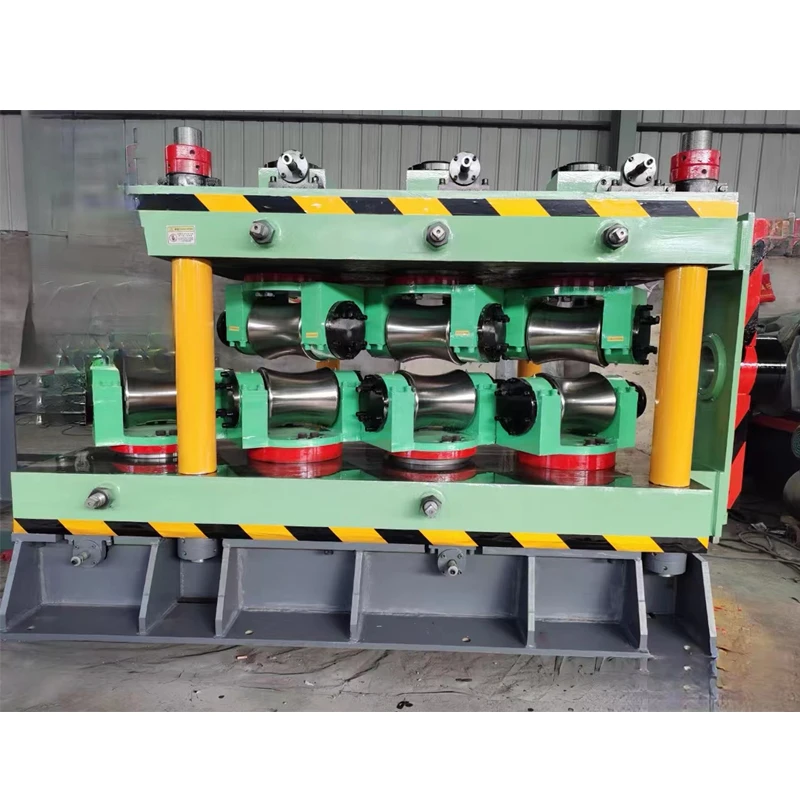
Automated systems enhance efficiency in line pipe steel fabrication.
Customized Solutions for Line Pipe Steel Projects
Every major pipeline project presents unique challenges, whether due to environmental conditions, specific fluid characteristics, or demanding operational parameters. Recognizing this, leading manufacturers offer highly customized line pipe steel solutions.
- Specialty Steel Grades: Beyond standard API 5L grades, suppliers can engineer custom steel chemistries to meet extreme demands, such as ultra-high strength for arctic conditions, enhanced toughness for seismic zones, or superior sour service resistance for corrosive gas fields.
- Tailored Coating Systems: While standard FBE and 3LPE coatings are common, projects may require multi-layer anti-corrosion and insulation coatings for subsea applications, or internal flow-efficiency coatings to reduce friction and pumping costs for gas linepipe.
- Non-Standard Dimensions and Lengths: Manufacturers can produce line pipe steel in non-standard diameters, wall thicknesses, and custom lengths to minimize field welds and optimize construction timelines, reducing both labor costs and potential failure points.
- Advanced End Preparations: Custom bevels, pup joints, or pre-fabricated spool pieces can be supplied to facilitate easier and faster field welding, improving overall project efficiency and safety.
- Logistics and Project Management: Integrated suppliers offer comprehensive project management services, including inventory management, just-in-time delivery, and specialized logistics for remote or challenging construction sites, ensuring the continuous flow of line pipe steel materials.
These customized solutions underscore the importance of early engagement with manufacturers, allowing for bespoke engineering that optimizes performance, cost, and longevity of the steel pipe line infrastructure.
Application Case Studies
Real-world projects demonstrate the effectiveness and reliability of line pipe steel in demanding applications.
Case Study 1: Transcontinental Natural Gas Pipeline
A major energy consortium embarked on a project to construct a 1,500 km welded gas pipe for natural gas transmission across diverse geographical regions, including mountainous terrain and agricultural lands. The primary challenge was to ensure high-pressure capacity and long-term integrity while minimizing environmental impact and construction costs.
- Solution: We supplied API 5L X70 PSL2 linepipe with 48-inch diameter and specialized 3LPE external coating. The high-grade steel reduced the required wall thickness, leading to significant material and freight savings. The 3LPE coating provided robust corrosion protection for the projected 50+ year service life.
- Outcome: The project was completed on schedule and within budget, with the pipeline demonstrating exceptional operational stability. The chosen line pipe steel facilitated efficient construction and reduced the overall carbon footprint of the project through optimized material use.
Case Study 2: Subsea Oil Export Line
An offshore oil development required a new subsea export steel pipe line to transport crude oil from a platform to an onshore processing facility. The environment presented challenges of high external pressure, low seabed temperatures, and potential internal corrosion from the crude oil.
- Solution: API 5L X65 PSL2 linepipe with enhanced Charpy impact toughness was selected for its performance in low temperatures and resistance to fracture propagation. The pipes were supplied with a multi-layer insulation and anti-corrosion coating system, specifically designed for subsea application, and an internal anti-corrosion liner.
- Outcome: The subsea pipeline was successfully installed and commissioned, demonstrating reliable flow assurance and integrity. The robust design and advanced coating of the line pipe steel ensured long-term operational stability in the harsh marine environment.
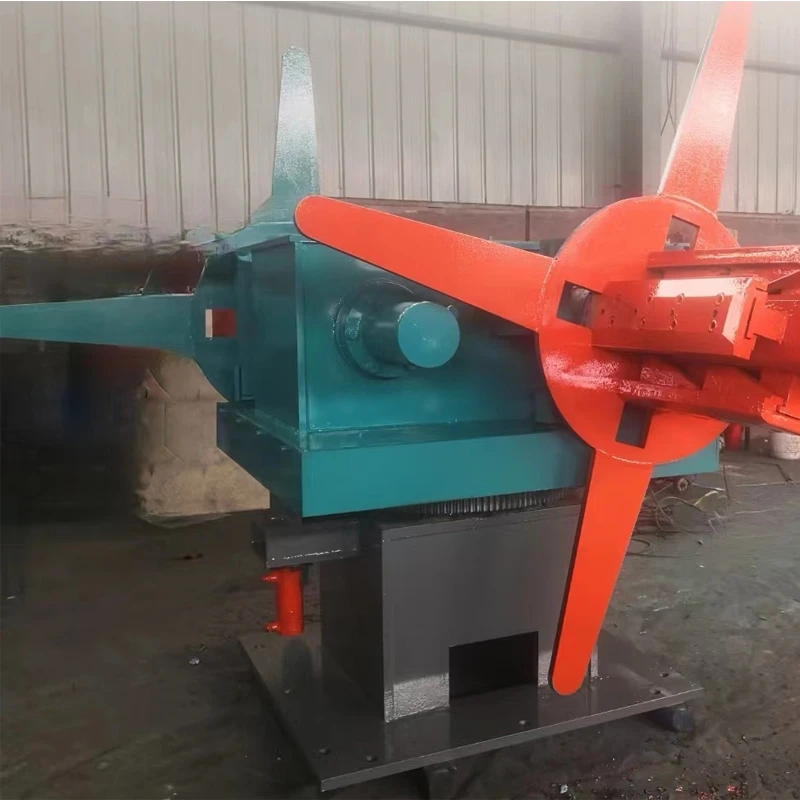
Finished line pipe steel ready for dispatch to major infrastructure projects.
Trust & Support: FAQ, Lead Time, Warranty & Customer Service
Building trust in the B2B sector for critical components like line pipe steel hinges on transparency, robust support, and clear commitments.
Frequently Asked Questions (FAQ):
- Q: What is the typical service life of line pipe steel?
- A: With proper design, material selection, coating, and maintenance, line pipe steel can have a service life exceeding 50 years, often reaching 70-100 years for well-managed pipelines.
- Q: How do you ensure the quality of your linepipe products?
- A: Our quality assurance adheres strictly to international standards like API 5L and ISO 9001. We employ a multi-stage inspection process, including material composition analysis, advanced NDT (UT, RT, MPI), hydrostatic testing, and dimensional verification for every pipe section.
- Q: Can you provide custom line pipe steel solutions for specific project requirements?
- A: Absolutely. We specialize in customized solutions, including tailored steel grades, unique coating systems (e.g., internal flow-efficiency coatings, special insulation), non-standard dimensions, and specific end preparations. Our engineering team collaborates closely with clients from the design phase to delivery.
- Q: What are the main differences between PSL1 and PSL2 line pipe steel?
- A: PSL2 specifies more stringent requirements than PSL1, including tighter chemical composition controls, higher toughness requirements (Charpy impact tests are mandatory), mandatory NDT of weld seams, and specific fracture toughness testing (e.g., DWTT) for certain grades. PSL2 is typically used for higher pressure, larger diameter, or more critical applications.
Lead Time & Fulfillment:
Lead times for line pipe steel vary depending on pipe diameter, wall thickness, steel grade, coating requirements, order volume, and current production schedules. Standard API 5L grades may have shorter lead times (e.g., 4-8 weeks), while highly customized or large-volume orders can extend to 12-20 weeks or more. We employ advanced production planning and logistics to ensure efficient fulfillment and provide transparent, real-time updates on order status. Our global network enables us to optimize delivery routes and ensure timely arrival at project sites worldwide.
Warranty Commitments:
All our line pipe steel products come with a comprehensive warranty against manufacturing defects and non-conformance to agreed specifications and international standards (API 5L, ISO, ASTM). The specific terms and duration of the warranty are detailed in our contractual agreements, reflecting our confidence in the quality and durability of our products. We stand behind our materials and processes, offering peace of mind to our clients.
Customer Support:
Our dedicated customer support team provides expert assistance from initial consultation through post-delivery support. We offer technical guidance, respond promptly to inquiries, and provide troubleshooting services. Clients can reach us via phone, email, or through our online portal for any support needs related to their line pipe steel projects. We are committed to fostering long-term partnerships built on trust and exceptional service.
Conclusion
Line pipe steel remains a cornerstone of global energy and infrastructure, demanding precision engineering, rigorous quality control, and continuous innovation. From advanced material science to sophisticated manufacturing processes and comprehensive testing, every stage ensures the reliability and longevity of critical pipeline networks. As industries evolve and new demands arise, such as hydrogen transport and carbon capture, the evolution of line pipe steel will continue to play a pivotal role in shaping a sustainable future.
References
- API Specification 5L, "Specification for Line Pipe," American Petroleum Institute.
- ISO 3183, "Petroleum and natural gas industries—Steel pipe for pipeline transportation systems," International Organization for Standardization.
- NACE SP0472-2010, "Methods and Controls to Prevent In-Service Environmental Cracking of Carbon Steel Weldments in Corrosive Petroleum Refining Environments," NACE International.
- "The Future of Line Pipe: Challenges and Opportunities," World Steel Association, 2023.
- "Pipeline Design & Construction: A Practical Approach," M. Mohitpour, H. Golshan, A. Murray, ASME Press.
-
Comprehensive Guide to hdpe Making Machines: Global Impact, Features & TrendsNewsDec.02,2025
-
Comprehensive Guide to Garden Pipe Manufacturing Machine – Features, Benefits, and TrendsNewsDec.02,2025
-
Comprehensive Guide to Garden Pipe Making Machines: Features, Trends & BenefitsNewsDec.02,2025
-
Comprehensive Guide to Galvanized Pipe Making Machine – Durability & Innovation in Steel PipesNewsDec.02,2025
-
What Is an Extrusion Pipe Machine? Global Importance, Applications & BenefitsNewsDec.02,2025
-
Comprehensive Guide to ERW Tube Mill Machine: Global Insights and Industry ApplicationsNewsDec.02,2025
