

Hose Crimper | Manual, Electric & Hyd - Precision & Durability
Optimizing Fluid Transfer Systems: An In-Depth Look at the Industrial Hose Crimper
In the intricate landscape of modern industrial operations, the integrity and reliability of fluid transfer systems are paramount. At the heart of ensuring this reliability lies the hose crimper – a critical piece of equipment responsible for securely joining hoses and fittings. This article delves into the technical profundity, operational advantages, and strategic considerations surrounding these indispensable machines, offering insights for B2B decision-makers and engineering professionals seeking to optimize their fluid power applications.
Industry Trends Shaping Hose Crimper Technology
The market for industrial fluid power components, including the vital hose crimper, is experiencing rapid evolution driven by demands for increased efficiency, precision, and automation. Key trends include:
- Automation and Digitalization: The integration of PLC and HMI control systems for programmable crimping cycles, automatic die recognition, and data logging, minimizing human error and enhancing repeatability.
- Enhanced Precision and Repeatability: Advanced sensor technology and closed-loop hydraulic systems ensure micron-level crimp accuracy, crucial for high-pressure and critical applications.
- Material Science Innovations: Development of lighter, stronger, and more corrosion-resistant materials for both crimper components and hose fittings, extending service life in harsh environments.
- Energy Efficiency: Implementation of variable displacement pumps and intelligent motor controls to reduce power consumption, aligning with global sustainability initiatives.
- Modularity and Versatility: Design of machines that can easily adapt to a wide range of hose diameters, materials, and fitting types through quick-change die systems and adjustable settings.
- IoT and Predictive Maintenance: Future crimpers will increasingly incorporate IoT sensors for real-time monitoring of performance, enabling predictive maintenance and reducing unscheduled downtime.
These trends are critical for industries like offshore drilling, heavy construction, and renewable energy, where equipment downtime can lead to significant financial losses and safety risks. The demand for a reliable hose crimper that meets these evolving requirements is higher than ever.
The Manufacturing Process of a High-Performance Hose Crimper
The creation of a robust and precise hose crimper is a meticulous process demanding stringent quality control and advanced engineering. From raw material selection to final assembly, every stage is critical to ensuring the machine's reliability and longevity.
Key Process Flow Steps:
- Material Selection and Preparation:
- Frame Components: High-tensile strength alloy steels (e.g., Q345B, S355JR) for the main frame, ensuring structural rigidity and shock absorption.
- Crimping Dies: Specialized tool steels like 42CrMo4 or D2, chosen for their exceptional hardness, wear resistance, and toughness after heat treatment.
- Hydraulic Components: High-grade cast iron or steel for pump bodies, cylinders, and valves, engineered to withstand extreme pressures.
- Precision Machining:
- Casting/Forging: Large structural components undergo casting or forging to achieve initial robust forms and desired material grain structures.
- CNC Machining: Critical parts such as die holders, crimping heads, and piston rods are machined on multi-axis CNC centers. This ensures tolerances as tight as ±0.01 mm, vital for crimping accuracy and consistency.
- Heat Treatment and Surface Finishing:
- Hardening and Tempering: Crimping dies and other wear-prone parts undergo precise heat treatment processes (e.g., induction hardening, nitriding) to achieve desired hardness (e.g., 58-62 HRC for dies) and ductility.
- Grinding and Polishing: Surfaces requiring high precision and low friction are ground and polished.
- Corrosion Protection: Components are treated with durable coatings, such as powder coating or chrome plating, to enhance corrosion resistance and extend operational life, especially in aggressive environments like marine or petrochemical.
- Hydraulic and Electrical System Integration:
- High-efficiency hydraulic pumps (e.g., Rexroth, Parker) are integrated with precision valves and cylinders.
- Advanced electrical control systems (e.g., Siemens, Schneider) with intuitive HMI touchscreens are installed, allowing for precise control of crimping parameters and diagnostic capabilities.
- Assembly and Calibration:
- Experienced technicians meticulously assemble all components.
- Each machine undergoes rigorous calibration to ensure crimping pressure, opening diameter, and die closure are within specified tolerances.
- Testing and Quality Assurance:
- Performance Testing: Each hose crimper is subjected to extensive load and cycle testing to verify its crimping force, speed, and repeatability under various conditions.
- Adherence to Standards: Machines are tested to meet international standards such as ISO 9001 (Quality Management), ISO 10555 (Hose Assembly), CE Marking (European Safety), and relevant ASTM or ANSI standards for hydraulic equipment.
- Service Life: Designed for an operational service life exceeding 15 years with proper maintenance, with critical components like dies engineered for over 100,000 crimp cycles.
Target Industries and Key Advantages:
Our advanced hose crimper solutions cater to a broad spectrum of industries, including:
- Petrochemical: Ensuring leak-proof connections for high-pressure and corrosive fluid transfer, demonstrating superior corrosion resistance through specialized coatings and materials.
- Metallurgy: Robust crimping for hydraulic systems in heavy machinery operating in extreme temperatures and abrasive environments.
- Construction & Mining: On-site and workshop crimping for hydraulic lines of excavators, loaders, and drills, critical for minimizing downtime.
- Water Supply & Drainage: Reliable sealing for water and wastewater treatment systems, where durability and resistance to various chemicals are paramount.
- Marine & Offshore: Corrosion-resistant solutions for hydraulic systems exposed to saltwater and harsh weather conditions.
Advantages in these scenarios include significant energy saving through efficient hydraulic power units, superior corrosion resistance due to advanced material treatments, and enhanced operational safety from precise crimping and robust construction.
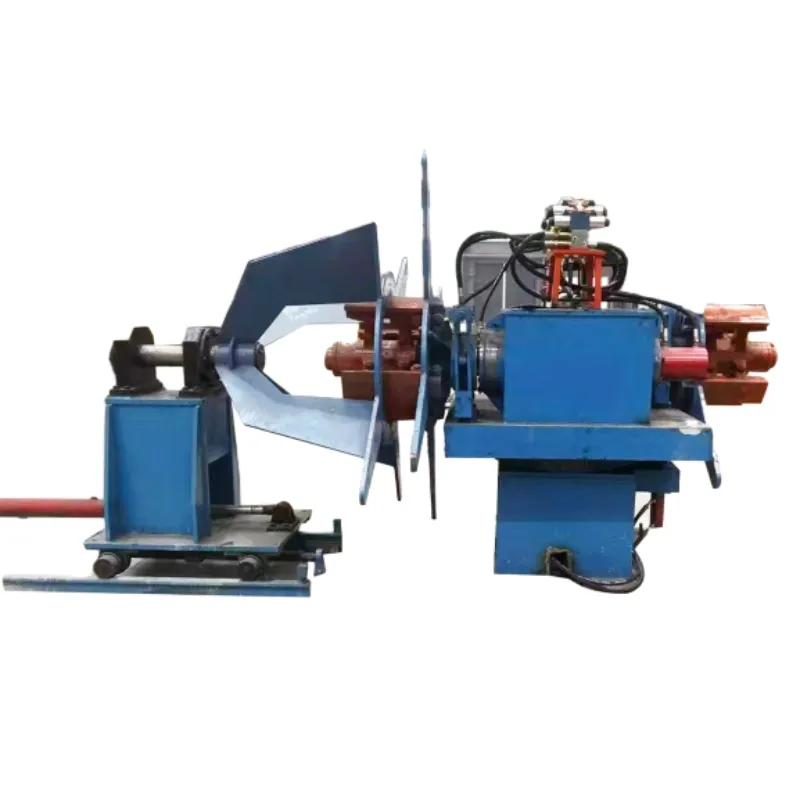
Figure 1: Illustration of precision CNC machining in the production of a hose crimper component.
Technical Specifications and Parameters for Optimal Performance
Selecting the appropriate hose crimper requires a thorough understanding of its technical capabilities. Modern crimpers come in various configurations, including the versatile hyd hose crimper for heavy industrial use, the portable manual hose crimper for field repairs, and the efficient electric hose crimper for workshop environments.
Typical Hose Crimper Specifications:
| Parameter | Hydraulic Hose Crimper (Industrial) | Electric Hose Crimper (Workshop) | Manual Hose Crimper (Portable) |
|---|---|---|---|
| Crimping Force | 200 - 600 Tons | 50 - 150 Tons | 10 - 30 Tons |
| Hose ID Range (Max) | DN 50 (2") to DN 300 (12") | DN 6 (1/4") to DN 76 (3") | DN 6 (1/4") to DN 38 (1 1/2") |
| Die Opening (Max) | +70 mm | +30 mm | +15 mm |
| Motor Power | 5.5 kW - 22 kW | 1.5 kW - 3 kW | N/A (Manual) |
| Voltage | 3-Phase 380V/440V | 1-Phase 220V/3-Phase 380V | N/A |
| Control System | PLC with HMI Touchscreen | Digital/Analog, Push Button | Mechanical, Hand Pump |
| Dimensions (LxWxH) | ~1500x1200x1800 mm | ~700x500x1000 mm | ~400x200x300 mm |
| Weight | ~1500 kg - 5000 kg | ~100 kg - 300 kg | ~10 kg - 30 kg |
| Noise Level | <75 dB | <70 dB | N/A (Silent) |
These parameters are critical for matching the machine's capabilities with specific application requirements, ensuring efficient and safe operations. When looking for a hose crimper for sale, detailed parameter comparison is essential.
Diverse Application Scenarios of Hose Crimpers
The versatility of a well-engineered hose crimper extends across a myriad of industries and operational contexts. From heavy industrial manufacturing to specialized field service, these machines are integral to creating durable and reliable fluid power connections.
- Heavy Construction & Mining: On-site repair and assembly of hydraulic lines for excavators, bulldozers, drills, and other heavy equipment. Minimizing downtime is critical, and a portable or robust workshop crimper ensures quick turnaround.
- Agriculture: Maintenance and manufacturing of hydraulic systems for tractors, harvesters, and irrigation equipment. The ability to crimp a wide range of hoses for varying pressure applications is key.
- Transportation (Automotive, Marine, Rail): Production of brake lines, fuel lines, air conditioning hoses, and other hydraulic/pneumatic systems. Precision and high-volume capabilities are often required here.
- Manufacturing & Automation: Integration into assembly lines for mass production of hydraulic and industrial hose assemblies, often utilizing automated or semi-automated crimpers for speed and consistency.
- Oil & Gas / Petrochemical: Fabrication of custom high-pressure hoses for exploration, drilling, refining, and transfer operations. The need for leak-free, corrosion-resistant connections is paramount for safety and environmental compliance.
- Power Generation: Maintenance of hydraulic systems in turbines, control mechanisms, and cooling systems in conventional and renewable energy plants (e.g., wind turbines).
- General Industrial Maintenance: Repair and replacement of hydraulic and industrial hoses across various factory settings, requiring a versatile machine capable of handling diverse hose types.
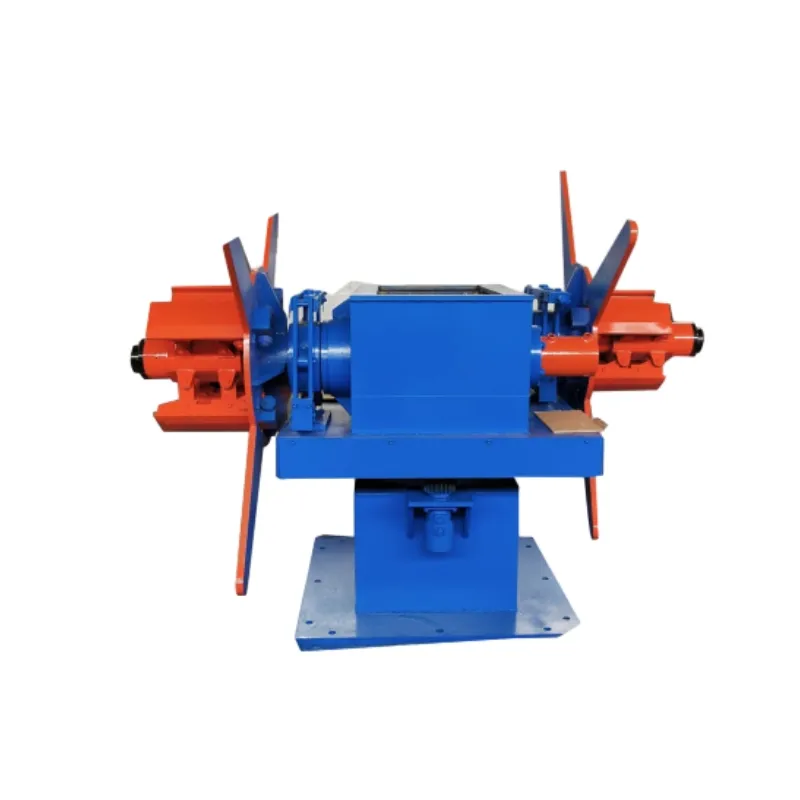
Figure 2: A hydraulic hose crimper actively used in an industrial maintenance setting.
These diverse applications underscore the critical role of the hose crimper in ensuring operational continuity and safety across the industrial landscape. The choice of machine depends heavily on the specific hose types, required crimping force, volume of work, and environmental conditions.
Technical Advantages of Advanced Hose Crimping Systems
Modern hose crimping technology offers significant technical advantages that translate directly into improved operational efficiency, safety, and cost savings for businesses. These benefits are derived from continuous innovation in design, materials, and control systems.
- Unparalleled Precision and Repeatability: Advanced machines feature micro-meter adjustment systems and digital controls (often with non-contact measuring sensors) that ensure crimp diameters are consistently within ±0.1 mm. This eliminates under-crimping or over-crimping, which are common causes of premature hose failure.
- Enhanced Operational Efficiency: Quick-change die systems, rapid crimping cycles, and intuitive HMI interfaces reduce setup times and increase throughput. Automated models can process hundreds of assemblies per hour, significantly boosting productivity for high-volume operations.
- Robust Durability and Longevity: Constructed from high-strength steels and equipped with hardened, precision-ground dies, modern crimpers are built for continuous heavy-duty use. This minimizes maintenance requirements and extends the machine's service life, providing an excellent return on investment.
- Superior Safety Features: Integrated safety interlocks, emergency stop buttons, pressure relief valves, and protective shields are standard. These features protect operators from potential hazards associated with high-pressure hydraulic systems, adhering to strict safety standards such as Machinery Directive 2006/42/EC.
- Versatile Application Capability: A single industrial hose crimper can often accommodate a vast range of hose types (e.g., hydraulic, industrial, automotive) and sizes (from 1/4" to 12") by simply changing die sets. This flexibility reduces the need for multiple specialized machines.
- Reduced Energy Consumption: Utilizing efficient hydraulic pumps with variable frequency drives and intelligent power management systems, modern crimpers can significantly reduce energy consumption compared to older models, contributing to lower operational costs and environmental compliance.
- Advanced Diagnostic and Data Logging: Integrated control systems can log crimp data (diameter, force, time), enabling quality control traceability, troubleshooting, and predictive maintenance. This data is invaluable for industries with strict regulatory compliance.
These advantages collectively underscore the strategic importance of investing in high-quality crimping technology for any organization reliant on fluid power systems.
Vendor Comparison and Customized Solutions
Choosing the right hose crimper vendor is as crucial as selecting the machine itself. A comprehensive evaluation involves comparing not just product specifications but also service, support, and customization capabilities.
Key Factors for Vendor Comparison:
- Reputation and Experience: Look for vendors with decades of experience in hydraulic equipment manufacturing and a strong track record of reliability and innovation.
- Product Range and Technology: Assess if the vendor offers a broad spectrum of crimpers (e.g., hyd hose crimper, electric, manual) and integrates the latest technologies (e.g., CNC control, IoT readiness).
- Certifications and Compliance: Verify adherence to international quality standards (ISO 9001), safety certifications (CE, UL), and industry-specific regulations.
- After-Sales Support & Service Network: Evaluate the availability of technical support, spare parts, training programs, and a global service network for prompt assistance.
- Customization Capabilities: A reputable vendor should offer tailored solutions for unique operational requirements.
Customized Solutions:
Beyond standard models, specialized applications often demand bespoke solutions. Leading manufacturers provide extensive customization options, including:
- Application-Specific Die Sets: Design and fabrication of custom crimping dies for unusual hose diameters, non-standard fittings, or unique material requirements.
- Integrated Automation: Development of fully automated crimping cells that can be integrated into existing production lines, complete with conveyor systems, robotic loading/unloading, and advanced quality inspection.
- Environmental Adaptations: Machines designed for extreme temperatures, explosive atmospheres (ATEX compliance), or corrosive environments, featuring specialized materials and sealed components.
- Software and Connectivity: Custom HMI programming for specific operational sequences, integration with MES/ERP systems, and advanced remote diagnostics capabilities.
- Dual-Station Configurations: For high-volume production, dual-station machines, inspired by the efficiency principles of systems like the 76 Unit Dual Station Unwinding Machine (though a crimper example), allow for continuous operation and significantly increased throughput.
These tailored approaches ensure that the investment in a hose crimper perfectly aligns with the operational demands and long-term strategic goals of the enterprise.
Real-World Application Case Studies
Understanding the practical impact of a high-quality hose crimper is best illustrated through real-world applications. These case studies highlight how precision crimping technology addresses critical industrial challenges.
Case Study 1: Enhancing Safety and Efficiency in Offshore Oil & Gas
A major offshore drilling contractor faced persistent issues with hydraulic hose failures on their subsea blowout preventers (BOPs), leading to costly downtime and significant safety risks. The previous crimping process lacked the required precision and repeatability for ultra-high-pressure applications (up to 10,000 PSI).
Solution: Implementation of a robust, fully automated hyd hose crimper with closed-loop crimp diameter control and digital traceability. This machine was equipped with specialized dies designed for exotic alloy fittings and multi-spiral high-pressure hoses, meeting API 16D and DNV GL standards.
Results: Over an 18-month period, the client reported a 70% reduction in hydraulic hose failures on critical BOP lines. The enhanced precision and consistency of the crimps significantly improved system reliability, leading to a 25% decrease in unscheduled maintenance activities and a substantial improvement in worker safety. The data logging feature also provided an auditable trail for regulatory compliance.
Case Study 2: Streamlining Production in Heavy Equipment Manufacturing
A leading manufacturer of heavy construction equipment sought to optimize its hydraulic hose assembly line. Their existing setup, comprising several older hose crimper units, was a bottleneck, characterized by slow cycle times, frequent die changes, and inconsistent crimp quality for diverse hose specifications.
Solution: Installation of a high-speed, multi-die electric hose crimper featuring a quick-change die rack system and integrated material handling. The machine's intelligent software allowed pre-programmed crimping recipes for over 50 different hose and fitting combinations, minimizing operator input and errors.
Results: The new crimping system reduced the average assembly time per hose by 40%, increasing overall line throughput by 30%. Crimp quality consistency improved by 95%, virtually eliminating rework. The ergonomic design and automated features also led to a 15% reduction in operator fatigue and improved workplace safety. This also positioned the company to be competitive when providing a hose crimper for sale themselves, indirectly.
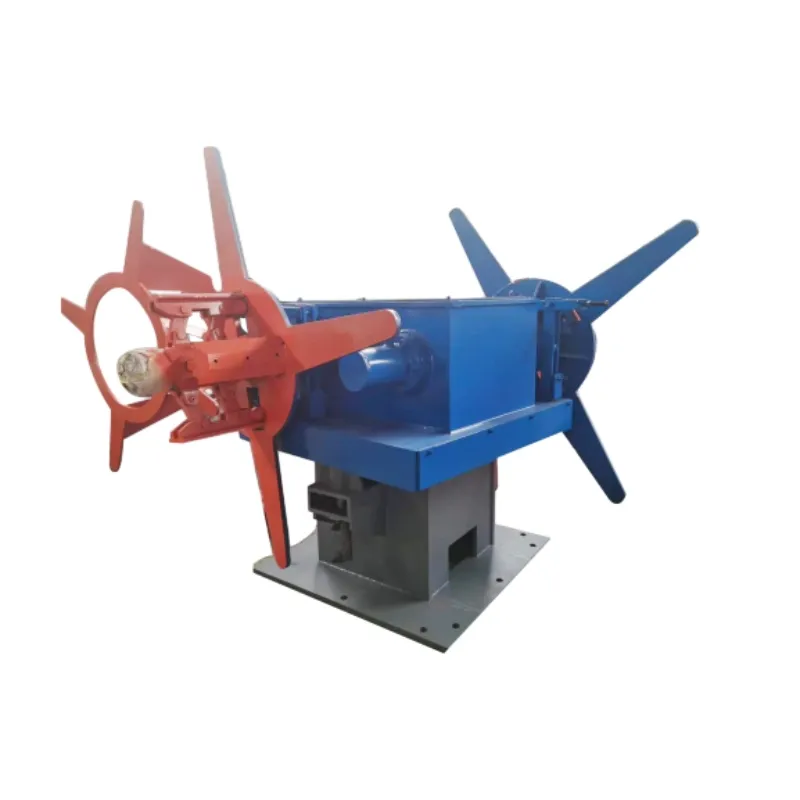
Figure 3: Custom hydraulic hose assemblies being produced with a precision hose crimper.
Trust and Support: FAQ, Lead Time, Warranty, and After-Sales Services
Establishing trust with B2B clients requires transparency and robust support infrastructure. We are committed to providing comprehensive information and dedicated services for every hose crimper we supply.
Frequently Asked Questions (FAQ):
- Q: What factors determine the right hose crimper for my needs?
- A: Key factors include the maximum hose diameter and number of spirals (e.g., 2-wire, 4-wire, 6-wire), the types of fittings, required crimping force, daily production volume, and specific application environment (workshop, field, automated line). Our experts can assist in a detailed needs assessment.
- Q: How often should hose crimper dies be replaced?
- A: The lifespan of crimping dies varies significantly based on material, usage frequency, and the types of hoses/fittings. High-quality dies designed for industrial use can last for 100,000 to 200,000 crimps or more. Regular inspection for wear and tear is crucial, and replacement is recommended when wear impacts crimp quality or consistency.
- Q: What maintenance is required for a hydraulic hose crimper?
- A: Regular maintenance includes checking hydraulic fluid levels and quality, inspecting for leaks, lubricating moving parts (especially the die guiding system), cleaning the machine, and verifying electrical connections. Annual professional servicing is recommended to ensure optimal performance and extend machine life.
- Q: Can a single machine handle different types of hoses (e.g., hydraulic, industrial, automotive)?
- A: Many modern industrial hose crimper units are highly versatile and can handle various hose types by simply changing the die sets. It is important to confirm the machine's specific crimping range and die availability for your required hose and fitting combinations.
Lead Time & Fulfillment Details:
Standard models of our industrial hose crimper units typically have a lead time of 4-6 weeks, depending on current production schedules. For highly customized solutions or specialized large-scale systems, lead times may range from 8-12 weeks. We offer global shipping capabilities, with logistics support to ensure timely and secure delivery to your facility. Expedited manufacturing and shipping options are available upon request for urgent projects.
Warranty Commitments:
All our hose crimper machines come with a comprehensive 12 to 24-month warranty on mechanical and hydraulic components, starting from the date of installation or commissioning. Extended warranty plans are available for additional peace of mind. Our warranty covers manufacturing defects and material failures under normal operating conditions.
Dedicated Customer Support:
We pride ourselves on offering exceptional after-sales support to ensure the maximum uptime and performance of your investment. Our support services include:
- 24/7 Technical Assistance: Access to our expert technical team for troubleshooting and operational guidance.
- On-Site Training and Installation: Professional technicians available for installation, commissioning, and comprehensive operator training at your facility.
- Spare Parts Availability: A readily available inventory of genuine spare parts to minimize repair times.
- Preventative Maintenance Programs: Tailored service agreements to schedule regular inspections and maintenance, preventing potential issues before they arise.
Our commitment to customer satisfaction extends throughout the entire lifecycle of our products, ensuring that your operations run smoothly and efficiently.
References
- International Organization for Standardization. (2023). ISO 9001: Quality Management Systems – Requirements. Geneva, Switzerland: ISO.
- Hydraulic Institute. (2022). Standards for Hydraulic Systems and Components. Parsippany, NJ: Hydraulic Institute.
- Machinery Directive 2006/42/EC. (2006). Directive on machinery. Official Journal of the European Union.
- American Society for Testing and Materials. (2023). ASTM F1387 - 19 Standard Specification for Performance of Piping and Tubing Mechanically Attached Fittings. West Conshohocken, PA: ASTM International.
- Parker Hannifin Corporation. (2021). Hose & Fittings Catalog Handbook. Cleveland, OH: Parker Hannifin.
-
Comprehensive Guide to hdpe Making Machines: Global Impact, Features & TrendsNewsDec.02,2025
-
Comprehensive Guide to Garden Pipe Manufacturing Machine – Features, Benefits, and TrendsNewsDec.02,2025
-
Comprehensive Guide to Garden Pipe Making Machines: Features, Trends & BenefitsNewsDec.02,2025
-
Comprehensive Guide to Galvanized Pipe Making Machine – Durability & Innovation in Steel PipesNewsDec.02,2025
-
What Is an Extrusion Pipe Machine? Global Importance, Applications & BenefitsNewsDec.02,2025
-
Comprehensive Guide to ERW Tube Mill Machine: Global Insights and Industry ApplicationsNewsDec.02,2025
