

Belling Machine for PVC Pipes - Fast, Precise, Durable
A Field Report on the Belling Machine Market: Specs, Real-World Use, and How to Choose
If you work with PVC, PP-R, or PE pipe, you already know: the finishing step can make or break line efficiency. A modern Belling Machine forms precise sockets (R-type, U-type, gasket or solvent-weld), keeps up with extrusion, and—this part is underrated—plays nicely with upstream and downstream automation. I’ve watched lines in Hebei and Emilia-Romagna run side-by-side; the best setups blend stable heating profiles with smart sensing and gentle handling. Not flashy, just consistent.
What’s Trending
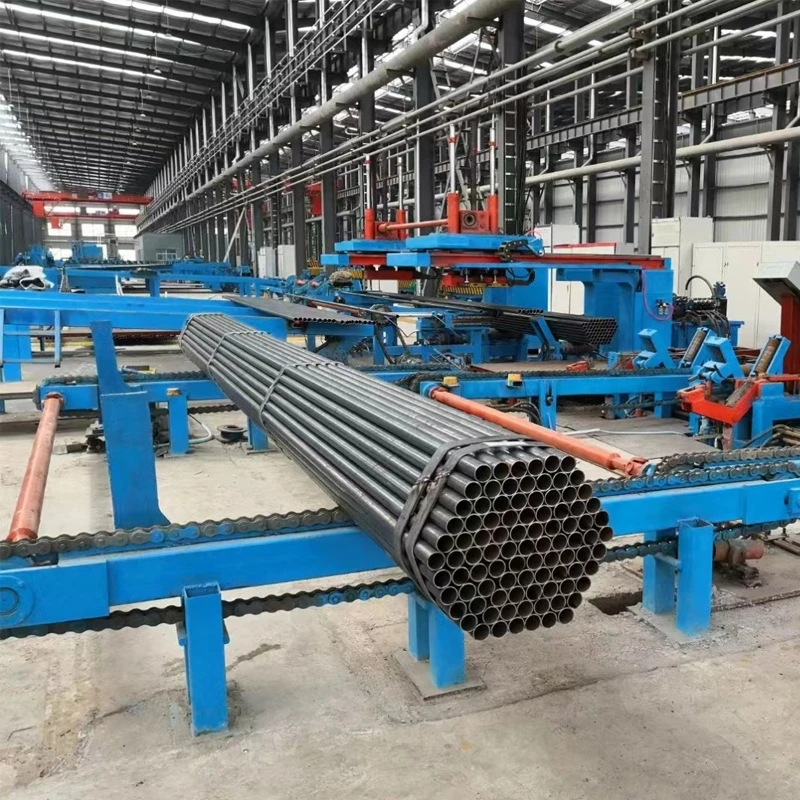
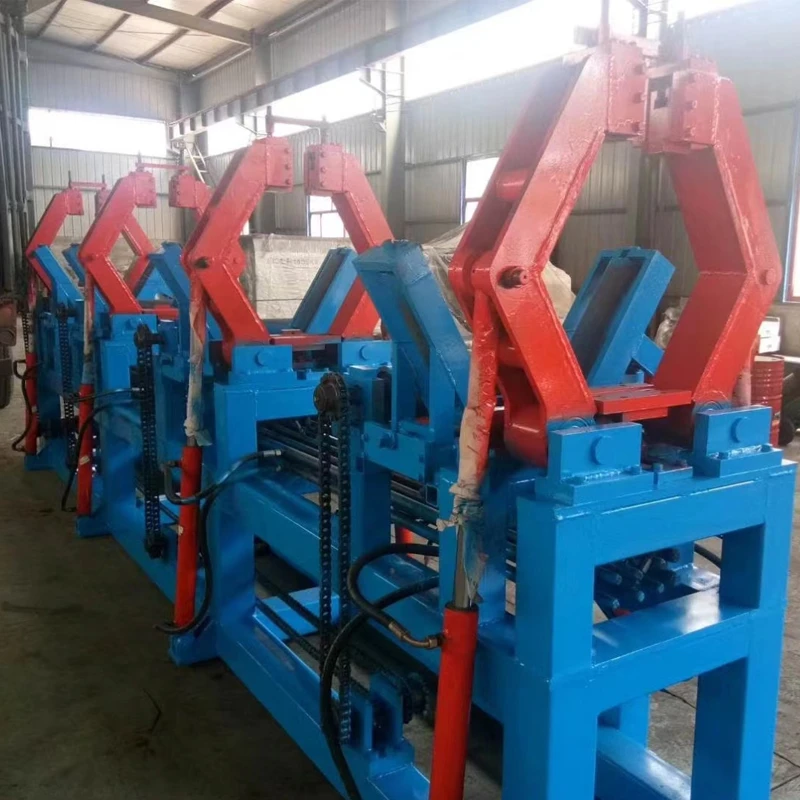
Three trends keep coming up in factory visits: energy-optimized heating (IR + hot-air hybrids), closed-loop dimension control with laser/CCD gauges, and full-line integration—especially pairing the Belling Machine with stacking/coding/packaging cells. One vendor I visited in Liuzhuang Village industrial zone, Chaheji Township, Bazhou City, Hebei Province runs an automated cell where belling hands off directly to a fully automatic coding and stacking unit. It uses hydraulic plus motor sensing to keep bundle shape, then feeds straight into a strapping head—surprisingly tidy and fast.
Typical Technical Specifications (example configuration)
| Parameter | Spec (≈, real-world use may vary) |
|---|---|
| Pipe Materials | PVC-U, PVC-C, PP-R, PE |
| Diameter Range | Ø50–400 mm (custom up to Ø630 mm) |
| Bell Types | R, U, gasket (EN 681-1), solvent-weld |
| Heating Method | Infrared + hot-air tunnel with PID control |
| Cycle Rate | 6–18 sockets/min depending on OD and material |
| Power / Air / Vacuum | 18–45 kW; 0.6–0.8 MPa; 7.5–11 kW vacuum pump |
| Control | PLC + HMI, recipe storage, auto alarm/diagnostics |
| Compliance | CE, ISO 12100 safety; guarding to ISO 13857 |
| Service Life | 10–15 years with routine maintenance |
Process Flow, Testing, and Quality
Input straight-length pipe → pre-heating to glass-transition window → mandrel forming with vacuum sleeve → calibration/cooling → gasket insertion (if needed) → dimension check → marking → handoff to stacking/packaging. For performance, factories typically check socket ID/ovality (≤1.5%), bell depth, and sealing integrity. I often see vacuum leak tests at ≈ −0.03 MPa for 60 s and hydrostatic proof on pressure classes per ISO 1452-2 or ASTM D2241. For sewer-grade PVC (ASTM D3034/ASTM F679; EN 1401-1; ISO 4435), ring stiffness and impact are common checkpoints. Many customers say that closed-loop heaters reduce scrap by a noticeable 2–4% on shift startup—small, but it adds up.
Applications
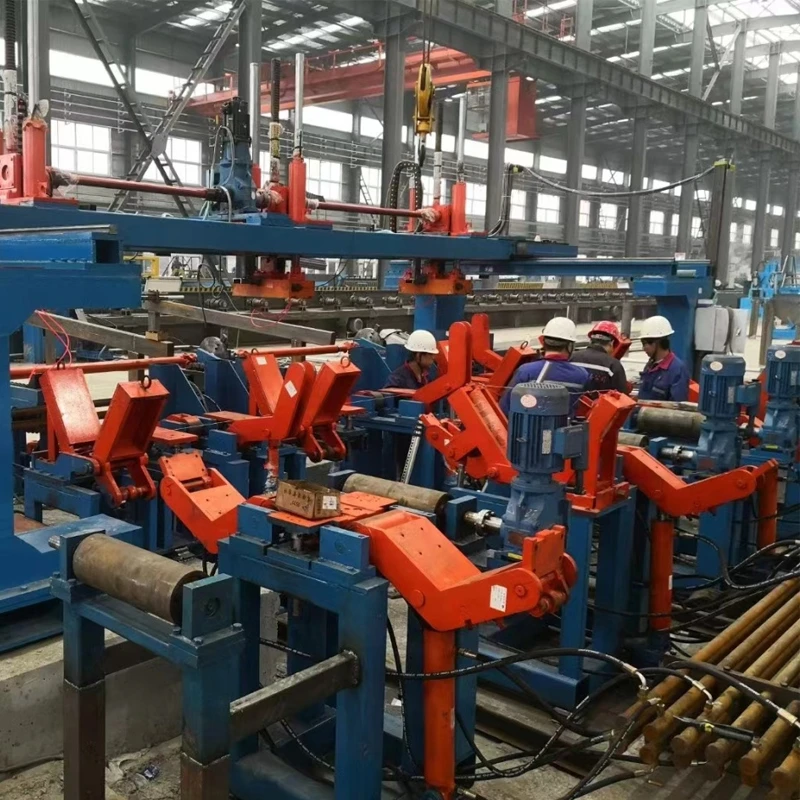
Municipal sewer and drainage, potable water (PVC-U per ISO 1452), electrical conduit, cable duct, irrigation. In retrofits, a Belling Machine with smart buffering stabilizes uneven upstream extrusion—actually a quiet hero on mixed-diameter days.
Vendor Landscape (shortlist comparison)
| Vendor | Strengths | Line Speed | Integration | Approx. Cost |
|---|---|---|---|---|
| XH Equipment (Hebei) | Good value, strong stacking/coding linkage | Mid–High | Turnkey cell with auto packaging | $–$$ |
| SICA (Italy) | High precision, wide range of bell types | High | Strong with European lines | $$$ |
| Adescor (Canada) | Robust build, North America support | Mid–High | Flexible cells | $$–$$$ |
Customization and Integration
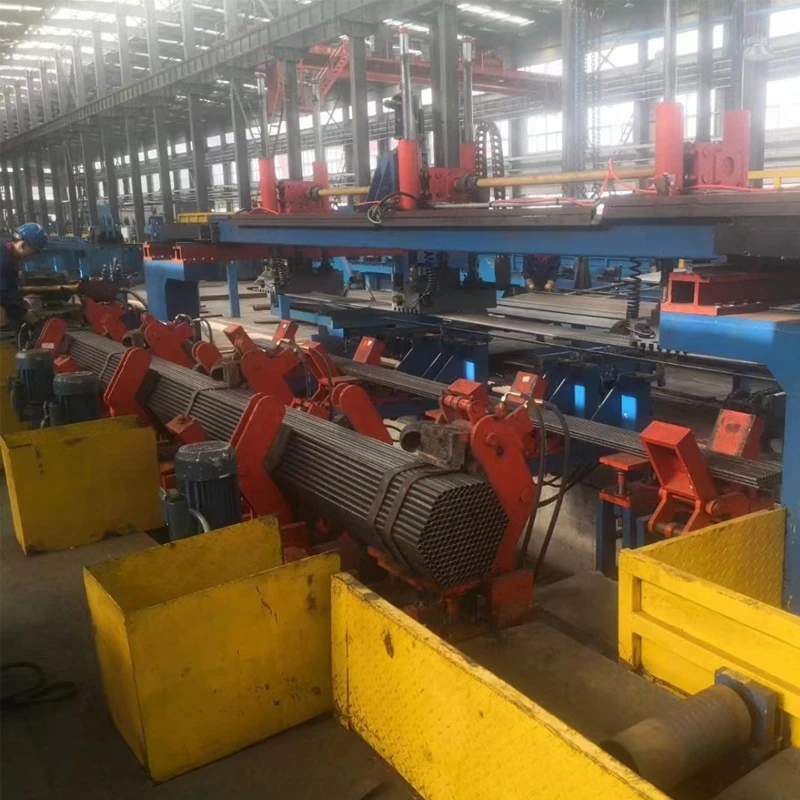
Common custom options: diameter extensions, dual-oven modules, auto-gasket insertion, camera-based socket ID, and recipe locking for QA. When matched with a fully automatic coding and stacking machine (hydraulic + motor sensing to shape and count layers, then feed to a strap head with pre-tension), I’ve seen 8–12% better end-of-line OEE. To be honest, the ergonomic gains—less manual stacking—matter just as much.
Quick Case Note
A North China municipal pipe producer upgraded to a Belling Machine with vacuum calibration plus integrated stacking/coding. After a two-week ramp, scrap dropped from 4.8% to ≈2.1%, socket leak failures went to near-zero (EN 681-1 gaskets), and night-shift throughput improved by one extra pallet per hour. Not dramatic, but steady—and they kept it.
Standards and References
-
Comprehensive Guide to hdpe Making Machines: Global Impact, Features & TrendsNewsDec.02,2025
-
Comprehensive Guide to Garden Pipe Manufacturing Machine – Features, Benefits, and TrendsNewsDec.02,2025
-
Comprehensive Guide to Garden Pipe Making Machines: Features, Trends & BenefitsNewsDec.02,2025
-
Comprehensive Guide to Galvanized Pipe Making Machine – Durability & Innovation in Steel PipesNewsDec.02,2025
-
What Is an Extrusion Pipe Machine? Global Importance, Applications & BenefitsNewsDec.02,2025
-
Comprehensive Guide to ERW Tube Mill Machine: Global Insights and Industry ApplicationsNewsDec.02,2025
