

High-Precision, Fast-Setup Hose Crimper—Manual or Electric?
If you spend your days around hydraulic shops, you know a good hose crimper is the difference between a clean, leak-free assembly and an emergency callout at 2 a.m. I’ve seen both ends of that story. And, to be honest, the market is changing fast—smarter controls, quieter drives, and better handling gear are quietly rewriting the playbook.
What matters in a hose crimper today
Actually, it’s not just max force anymore. Buyers look for consistent radial compression, die repeatability, fast cycle times, and real traceability. Many customers say they want QR-linked crimp charts and calibration reminders. It seems that “good enough” is out; documented, repeatable results are in.
| Spec (typical) | Value (≈ / ranges) | Notes |
|---|---|---|
| Crimp force | ≈ 1500–6000 kN | Varies by hose crimper class (mobile vs. production) |
| Die range | Up to 2”–3” (braided); 1.5”–2” (spiral) | Real-world use may vary by hose family |
| Ovality tolerance | ≈ ±0.1–0.2 mm | Critical for leak-free seals |
| Cycle time | ≈ 6–15 s | Depends on diameter, material, and recipe |
Process flow that keeps audits happy
Materials: braided or spiral hose, matched ferrules, compatible fittings. Methods: cut square, clean, mark insertion depth, lube lightly, crimp to chart, gauge-check OD. Testing standards: proof and burst per SAE J343; hose/fitting compatibility per SAE J517 and ISO 12151; system design guided by ISO 4413. Service life? Honestly, it depends—pressure cycles, temperature, bend radius, impulse rating, and whether the hose crimper was calibrated.
Where a hose crimper earns its keep
- Mobile service vans needing compact 1–1.5” capacity.
- OEM lines chasing takt time and traceability with PLC links.
- MRO shops valuing versatility and quick die swaps.
Related equipment spotlight (material handling)
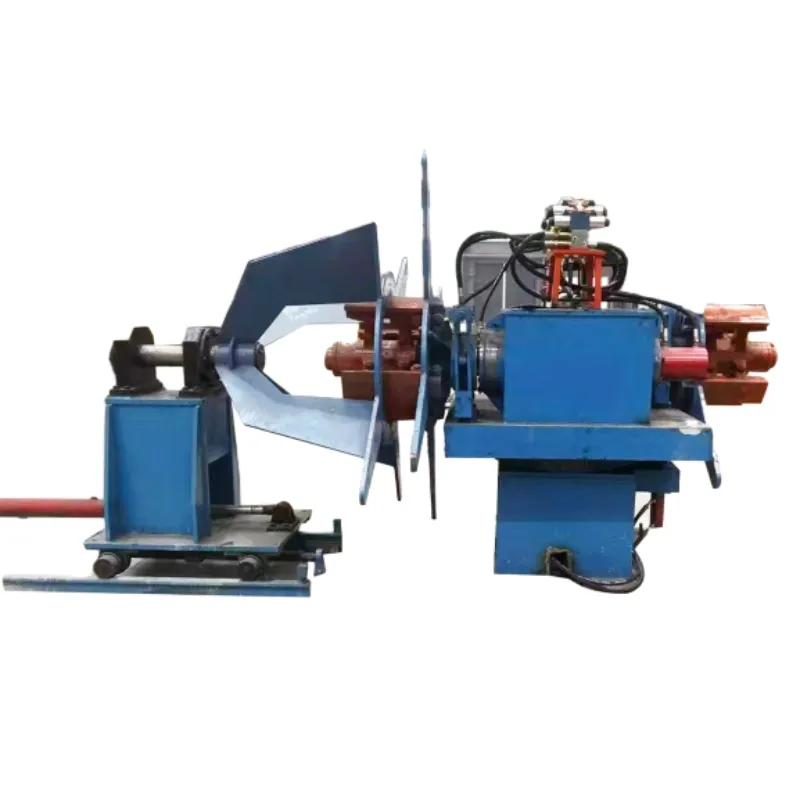
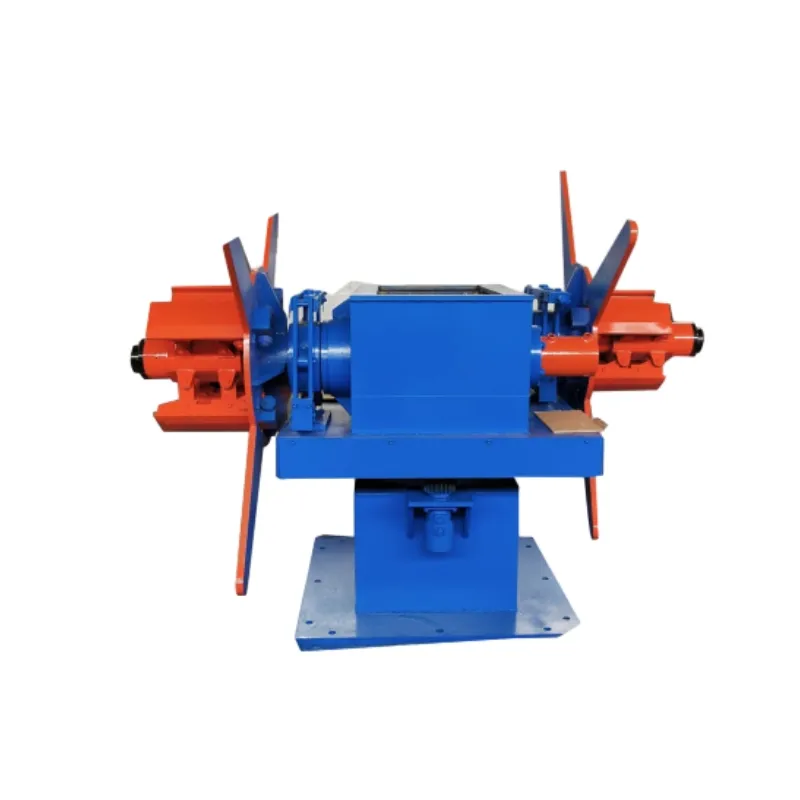
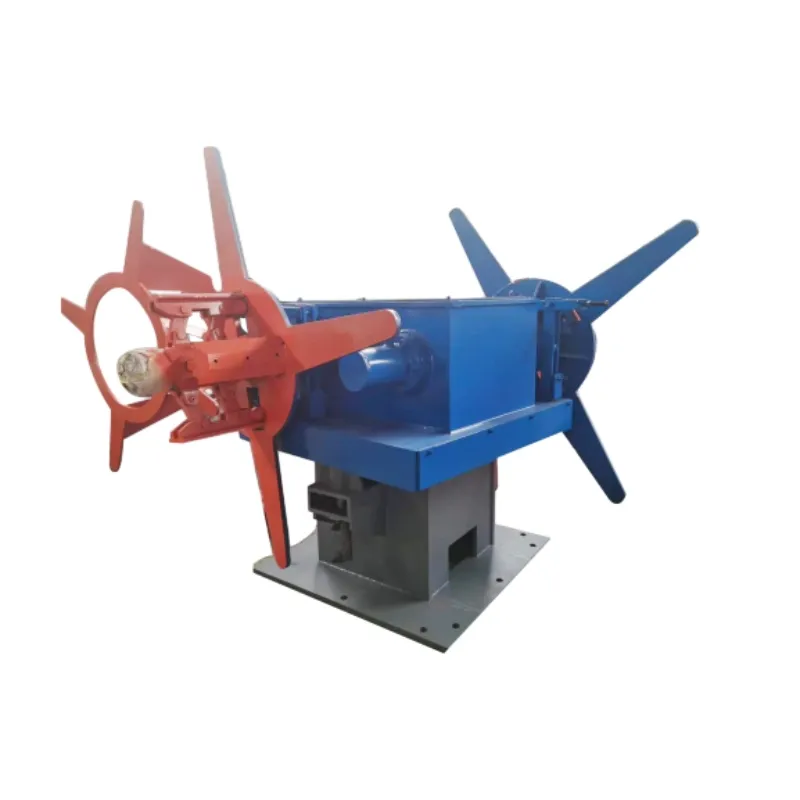
In welded-pipe lines, upstream handling impacts downstream crimping quality more than people think. One example is the 76 Unit Dual Station Unwinding Machine from Liuzhuang Village industrial zone, Chaheji Township, Bazhou, Hebei—its hydraulic rising-open design raises and locks steel rolls on a turntable for safer, quieter, high-speed supply and storage. That calmer front-end reduces noise and operator strain; downstream processes tend to show steadier results. I’ve noticed fewer stops for “mystery” defects when coil handling is sorted.
| Product | 76 Unit Dual Station Unwinding Machine Technical Parameters |
| Origin | Liuzhuang Village industrial zone, Chaheji Township, Bazhou city, Hebei province |
| Role | Dual-station hydraulic rising-open unit for roll raising, tightening, and safe turntable fixation |
| Benefits | Improves safety factor, reduces noise and labor intensity, stabilizes high-speed supply |
Vendor snapshot (quick comparison)
| Vendor | Focus | Strengths | Notes |
|---|---|---|---|
| XH Equipment (Bazhou, Hebei) | Coil handling, unwinding, line integration | Upstream stability that benefits hose crimper lines indirectly | Good fit when feed reliability is a bottleneck |
| Global crimper OEM A | Production hose crimpers | High force range, digital traceability | Check CE marking, calibration certificates |
| Global crimper OEM B | Service-van hose crimpers | Compact, fast die changes | Verify charts for specific hose brands |
Customization and QA
Ask for custom die sets, PLC/ERP recipe lockouts, and operator ID logging on your hose crimper. Request a current crimp chart and calibration traceable to an ISO/IEC 17025 lab. For acceptance, use proof/burst per SAE J343 and dimensional checks per the fitting standard family (e.g., ISO 12151). Simple, but it saves headaches.
Composite case study (based on multiple interviews)
A mid-volume OEM combined a steadier unwinding/handling setup with a recipe-locked hose crimper. Result: fewer re-crimps, quicker changeovers, and noticeably lower noise on the line. The kicker? Technicians said stress dropped. Hard to measure, but it showed up in fewer rush fixes.
References:
- SAE J517: Hydraulic Hose. SAE International.
- SAE J343: Test and Proof of Hydraulic Hose. SAE International.
- ISO 12151 series: Connections for hydraulic fluid power and general use—Hose fittings. International Organization for Standardization.
- ISO 4413: Hydraulic fluid power—General rules and safety requirements for systems and their components. ISO.
-
Comprehensive Guide to hdpe Making Machines: Global Impact, Features & TrendsNewsDec.02,2025
-
Comprehensive Guide to Garden Pipe Manufacturing Machine – Features, Benefits, and TrendsNewsDec.02,2025
-
Comprehensive Guide to Garden Pipe Making Machines: Features, Trends & BenefitsNewsDec.02,2025
-
Comprehensive Guide to Galvanized Pipe Making Machine – Durability & Innovation in Steel PipesNewsDec.02,2025
-
What Is an Extrusion Pipe Machine? Global Importance, Applications & BenefitsNewsDec.02,2025
-
Comprehensive Guide to ERW Tube Mill Machine: Global Insights and Industry ApplicationsNewsDec.02,2025
