

High-Precision Flying Saw for Efficient Metal Processing
Industry Trends & The Evolution of Cold Cutting Flying Saw Technology
The global manufacturing landscape is undergoing significant transformation, driven by an imperative for higher precision, increased throughput, and enhanced material integrity. In industries ranging from metallurgy and automotive to construction and petrochemicals, the demand for efficient and precise material processing solutions is paramount. Traditional cutting methods often struggle with heat-affected zones, material deformation, and slower operational speeds, leading to reduced product quality and higher operational costs.
This environment has catalyzed the rapid evolution of advanced cutting technologies, with the flying saw emerging as a cornerstone for continuous production lines. Specifically, cold cutting flying saws represent a significant leap forward, addressing the limitations of their hot cutting counterparts by eliminating thermal stress and maintaining the inherent properties of the material. This innovation is crucial for applications involving high-strength alloys, specialized pipe manufacturing, and profiles where metallurgical integrity is non-negotiable. The market trend indicates a strong shift towards automated, integrated, and intelligent cutting solutions that minimize downtime and optimize resource utilization, positioning advanced flying saw systems as critical investments for modern industrial operations.
Key drivers include the push for Industry 4.0 integration, focusing on predictive maintenance, real-time data analysis, and seamless connectivity within production ecosystems. Manufacturers are seeking solutions that not only cut materials but also contribute to overall operational intelligence and sustainability goals, making the cold cutting flying saw an indispensable tool in achieving these objectives.
Detailed Process Flow: Manufacturing the Cold Cutting Flying Saw
The manufacturing of a high-performance Cold Cutting Flying Saw is an intricate process demanding precision engineering, advanced materials, and rigorous quality control. The aim is to produce a machine capable of continuous, high-speed, and burr-free cutting without inducing thermal distortion in the workpiece.
Key Stages of Manufacturing:
- 1. Material Selection & Sourcing: High-grade alloy steels (e.g., CrMoV, NiCrMo) are meticulously selected for critical components such as saw blades, gears, and structural frames. These materials offer superior wear resistance, tensile strength, and fatigue life, essential for the demanding operational environment of a flying shear machine. Precision bearings, servo motors, and advanced control electronics are sourced from certified global suppliers to ensure reliability and performance.
- 2. Component Fabrication:
- Casting/Forging: Large structural components and gear blanks undergo precision casting or forging processes to achieve optimal grain structure and mechanical properties. These are often followed by normalizing or annealing heat treatments to relieve internal stresses.
- CNC Machining: Critical parts, including shafts, gears, housing, and frames, are machined on multi-axis CNC machines to achieve micron-level tolerances. This ensures perfect alignment, minimal backlash, and smooth operation, directly impacting the accuracy of the flying shear design.
- Heat Treatment: Components requiring exceptional hardness and wear resistance (e.g., saw blades, gear teeth) undergo specialized heat treatments such as carburizing, nitriding, or induction hardening. This enhances their service life significantly.
- Surface Finishing: Precision grinding, honing, and protective coatings (e.g., chrome plating, specialized paints) are applied to enhance durability, corrosion resistance, and aesthetic appeal. This is particularly important for equipment exposed to harsh industrial environments.
- 3. Assembly: Skilled technicians meticulously assemble the machine, integrating mechanical, electrical, and hydraulic/pneumatic systems. This stage involves precise alignment of axes, calibration of sensors, and installation of the motion control system. The synchronous movement required for a flying shear machine demands exceptional assembly accuracy.
- 4. Testing & Quality Assurance: Each Cold Cutting Flying Saw undergoes rigorous testing to meet stringent international standards (e.g., ISO 9001, ANSI B11.1).
- Dimensional Accuracy: CMM (Coordinate Measuring Machine) inspections verify component dimensions.
- Functional Testing: Comprehensive operational tests under varying load conditions, material types, and speeds are conducted to ensure consistent cut length accuracy, burr-free cuts, and smooth synchronization.
- Vibration Analysis: Ensures minimal vibration during operation, which is critical for blade life and cut quality.
- Safety Protocol Checks: All safety interlocks and emergency stop systems are verified according to CE/OSHA standards.
- Noise Level Assessment: Ensuring compliance with industrial noise regulations.
Service Life & Target Industries:
Designed for durability, these machines typically offer a service life exceeding 15-20 years with proper maintenance, due to robust construction and high-quality components. Target industries include: petrochemical (pipeline manufacturing), metallurgy (steel and aluminum profiles, tubes), water supply & drainage (large diameter pipes), automotive (chassis components, exhaust systems), and construction (structural beams, rebars).
Advantages in Typical Application Scenarios:
- Energy Saving: Cold cutting eliminates the need for post-cut cooling, reducing energy consumption associated with heating and subsequent cooling processes. The precise cutting mechanism also minimizes material waste.
- Corrosion Resistance: Utilization of stainless steel or specially treated components in critical areas ensures exceptional corrosion resistance, particularly vital in chemical processing or marine environments.
- Enhanced Material Integrity: By avoiding heat input, the metallurgical structure of the material remains unaltered, preserving critical properties like strength, hardness, and ductility. This is paramount for high-performance applications.
- High Precision & Speed: Advanced servo control systems enable synchronous movement with the continuous product, delivering extremely accurate cut lengths at high line speeds, enhancing overall production efficiency.
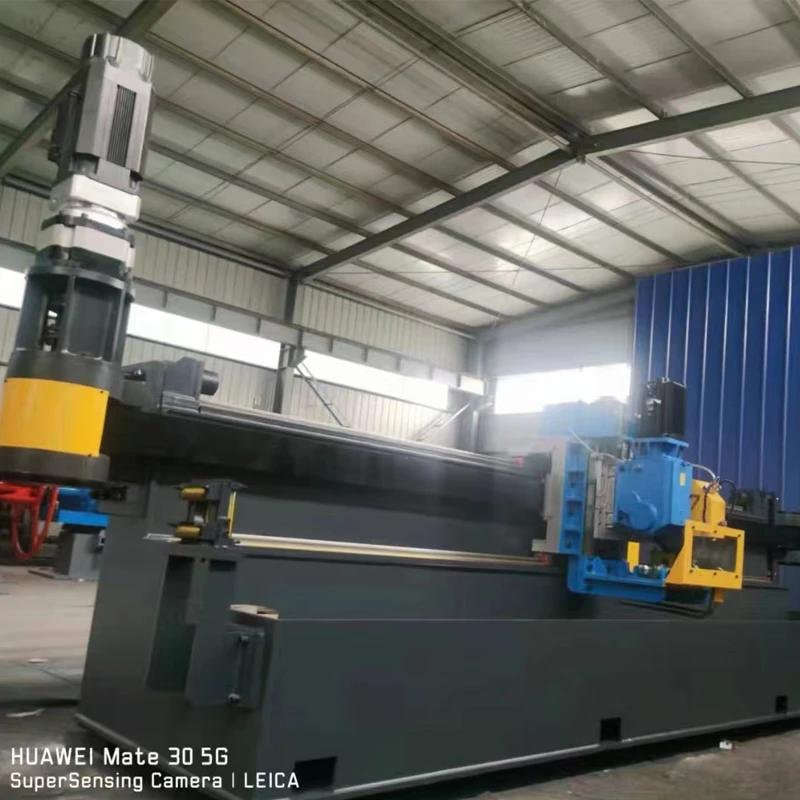
Fig 1: A typical Cold Cutting Flying Saw in operation, demonstrating seamless integration.
Technical Specifications & Parameters
The performance of a Cold Cutting Flying Saw is defined by a range of critical technical parameters that dictate its suitability for specific industrial applications. These specifications ensure precision, speed, and reliability in continuous production lines.
| Parameter | Value/Range | Unit | Notes |
|---|---|---|---|
| Max. Line Speed | Up to 120 | m/min | Synchronized with product speed |
| Cut Length Accuracy | ±0.5 to ±1.5 | mm | Depends on line speed and material |
| Material Diameter/Profile Size | Φ20 - Φ610 | mm | Customizable for larger sizes |
| Saw Blade Diameter | 600 - 1600 | mm | HSS or Carbide-tipped |
| Cutting Motor Power | 55 - 250 | kW | Adjustable based on material and thickness |
| Feed System | Servo-driven | - | High-precision linear guides, rack & pinion |
| Control System | PLC with HMI | - | User-friendly interface, diagnostic capabilities |
| Noise Level (dB) | < 85 | dB(A) | Under typical operating conditions |
| Operating Temperature | -5 to +45 | °C | Optimized for industrial environments |
These parameters are crucial for engineers and procurement specialists to assess the machine's suitability for their specific production requirements. The ability to precisely control the cutting process, often leveraging advanced air metal shear technology within the cold cutting framework, ensures superior product quality and efficiency.
Application Scenarios & Industry Impact
The versatility and precision of a Cold Cutting Flying Saw make it an invaluable asset across a multitude of heavy industries, where continuous production and material integrity are paramount. Its ability to perform clean, accurate cuts on materials moving at high speeds without generating significant heat expands its application considerably beyond traditional methods.
Primary Application Industries:
- Steel and Tube Mills: The core application for the flying saw machine. It is integrated directly into continuous production lines for steel pipes, profiles, and bars, performing on-the-fly cutting to desired lengths. This includes seamless steel pipes, welded pipes, structural steel, and rebar. Its cold cutting characteristic prevents changes in metallurgical structure that can occur with hot cutting, which is vital for high-strength steel products.
- Non-ferrous Metals Production: Similar to steel, aluminum, copper, and brass profiles and tubes benefit from cold cutting to maintain their temper and surface finish. The flying saw ensures precise cuts without burrs, reducing downstream processing requirements.
- Automotive Industry: For the production of specialized chassis components, exhaust systems, and other structural parts from continuously formed profiles, the cold cutting flying shear provides high-volume, precision cutting that meets stringent quality standards.
- Construction Sector: Used in the production of structural elements like beams, columns, and purlins from roll-formed sections, ensuring accurate lengths for immediate assembly. This speeds up construction and reduces on-site waste.
- Petrochemical and Energy: Essential for cutting pipes and tubes used in oil and gas pipelines, refinery infrastructure, and power generation components. The integrity of the cut surface is critical for welding and long-term performance in high-pressure environments.
Typical Scenarios Demonstrating Advantages:
- High-Speed Tube Mills: In a scenario where a tube mill produces pipes at speeds of 60-100 m/min, a cold cutting flying saw can execute cuts every few seconds with sub-millimeter accuracy, completely integrated into the PLC control system of the mill. This maximizes throughput and minimizes human intervention.
- Precision Profile Cutting: For specialized architectural or industrial profiles that demand pristine cut edges for subsequent assembly or aesthetic reasons, the cold cutting process prevents discoloration, warping, and burrs, reducing secondary finishing operations.
- Minimizing Waste: In expensive material production, the high accuracy of cut length directly translates to minimized scrap rates. This economic advantage is significant for high-volume producers, providing a substantial return on investment.
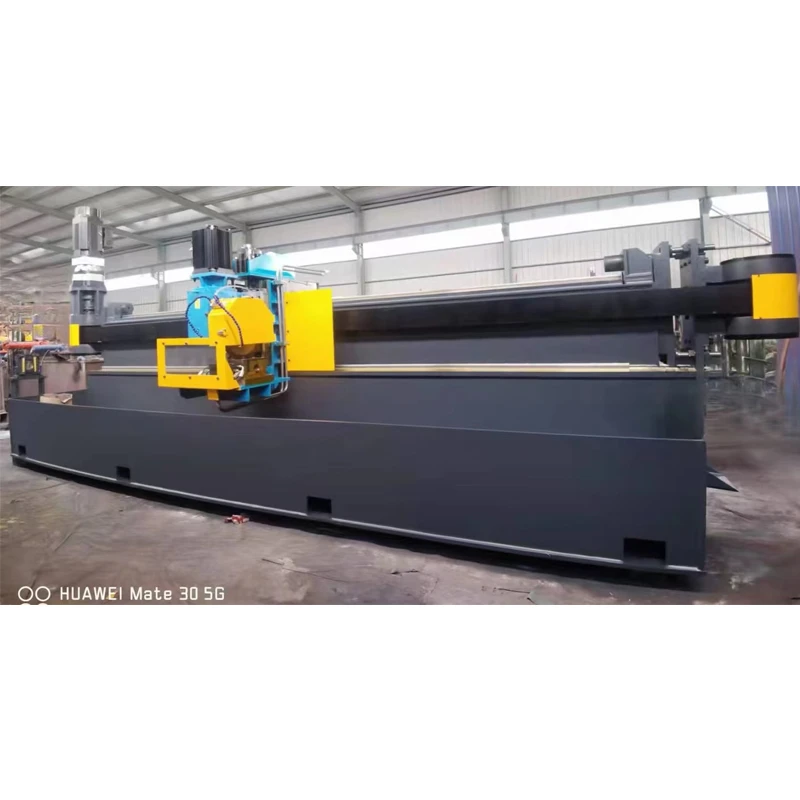
Fig 2: Precision cutting in action by a high-speed flying shear.
Technical Advantages of Cold Cutting Flying Saw Systems
The adoption of Cold Cutting Flying Saw technology offers a distinct competitive edge, delivering a blend of operational efficiencies and quality improvements critical for modern manufacturing.
- Superior Cut Quality: Unlike hot cutting methods, cold cutting avoids the formation of heat-affected zones (HAZ) and minimizes burr formation. This preserves the material's original metallurgical properties, ensuring a clean, square, and consistent cut edge, which is vital for subsequent processing like welding or bending.
- High Precision and Accuracy: Equipped with advanced servo drives and precise motion control systems, the flying shear can synchronize its movement with the continuous flow of the product (tube, pipe, or profile). This enables cut-length accuracies typically within ±0.5 mm to ±1.5 mm, even at high line speeds, significantly reducing material waste and ensuring product conformity.
- Increased Production Efficiency: The ability to cut on-the-fly eliminates the need to stop the production line, drastically increasing throughput. This continuous operation maximizes uptime and optimizes overall production capacity, directly impacting profitability.
- Reduced Operating Costs:
- Lower Energy Consumption: Eliminates the energy expenditure associated with post-cut cooling processes.
- Reduced Scrap Rates: Precise cutting minimizes material waste.
- Less Secondary Processing: The clean cuts often negate the need for deburring, grinding, or straightening, saving labor and time.
- Extended Tool Life: Modern blade materials and cooling systems (if applicable, though cold cutting minimizes heat generation) contribute to longer saw blade life.
- Enhanced Safety: Automated operation and integrated safety features (e.g., interlocks, light curtains) reduce direct human interaction with moving parts and sharp blades, improving workplace safety compared to manual or semi-manual cutting operations.
- Environmental Benefits: Cold cutting processes typically produce fewer fumes and particulates compared to hot cutting, contributing to a cleaner working environment and potentially reducing air filtration requirements. The reduced material waste also supports sustainability initiatives.
Vendor Comparison: Cold Cutting Flying Saw Providers
Selecting the right Cold Cutting Flying Saw supplier is a strategic decision that impacts long-term operational efficiency, maintenance costs, and product quality. A thorough comparison based on key performance indicators (KPIs) is essential. Below is a comparative analysis of typical vendor offerings, highlighting differentiators.
| Feature/Vendor | XHEquipment (Our Product) | Vendor B (Competitor) | Vendor C (Specialized Niche) |
|---|---|---|---|
| Max Line Speed | Up to 120 m/min | Up to 100 m/min | Up to 80 m/min (for large diameters) |
| Cut Length Accuracy | ±0.5 mm | ±1.0 mm | ±1.5 mm |
| Max Material Diameter | 610 mm (customizable) | 508 mm | 800 mm (limited speed) |
| Control System | Siemens/Allen-Bradley PLC, HMI | Proprietary PLC | Mitsubishi PLC |
| Servo Drive Brand | Fanuc/Bosch Rexroth | Local brand | Yaskawa |
| Blade Change System | Quick-change mechanism | Standard bolt-on | Semi-automatic |
| After-Sales Support | Global, 24/7 Remote & On-site | Regional, limited remote | Local, primarily on-site |
| Certifications | ISO 9001, CE, TUV | ISO 9001 | CE |
This comparison underscores the importance of evaluating not just raw specifications but also the quality of components, the sophistication of control systems, and the robustness of after-sales support. Providers specializing in flying shear design often integrate proprietary technologies that offer marginal gains in specific parameters, but a balanced approach to reliability, performance, and service is crucial for long-term operational success.
Customized Solutions & Tailored Engineering
While standard Cold Cutting Flying Saw models cater to a broad range of industrial requirements, many specialized applications demand bespoke engineering solutions. Recognizing that 'one size fits all' is rarely true in complex manufacturing environments, we offer comprehensive customization capabilities to meet unique operational constraints and production goals.
Our approach to customized solutions begins with an in-depth consultation and site assessment. Our team of expert engineers collaborates closely with clients to understand specific material types, production speeds, desired cut lengths, environmental conditions, and integration requirements within existing production lines. This granular understanding forms the basis for a tailored flying shear design that optimizes performance and efficiency.
Areas of Customization Include:
- Material Handling Systems: Integration with specialized infeed and outfeed conveyors, clamping mechanisms, and material guidance systems designed for unique profiles or extremely delicate materials.
- Cut Length & Speed Adaptability: Engineering for exceptionally long or short cut lengths, or for extreme line speeds, beyond standard parameters. This often involves specialized servo motor configurations and enhanced structural rigidity.
- Automated Blade Management: Solutions for automated blade changing, monitoring of blade wear, and integration with blade sharpening services to minimize downtime and optimize tool life.
- Integrated Control Systems: Seamless integration with existing plant PLCs, SCADA systems, and MES (Manufacturing Execution Systems) for centralized control, data acquisition, and remote diagnostics. This is key for Industry 4.0 readiness.
- Environmental Adaptations: Modifications for operation in challenging environments, such as high humidity, extreme temperatures, corrosive atmospheres, or cleanroom specifications, incorporating appropriate materials and sealing.
- Safety Features: Customized safety enclosures, light barriers, and specialized interlocks to meet specific local safety regulations or corporate safety standards beyond basic compliance.
By providing tailored solutions, we empower our clients to achieve unparalleled levels of efficiency, precision, and safety, ensuring their cold cutting flying saw machine is perfectly aligned with their unique operational demands and long-term business objectives. Our commitment to innovation and customer-centric engineering ensures that even the most complex cutting challenges can be met with robust and reliable solutions.
Application Case Studies & Customer Success
Real-world application demonstrates the transformative impact of Cold Cutting Flying Saw technology. Our installations consistently deliver measurable improvements in productivity, product quality, and cost efficiency for our clients across diverse sectors.
Case Study 1: High-Speed Automotive Exhaust Pipe Production
- Client: A leading automotive component manufacturer in Europe.
- Challenge: Production of stainless steel exhaust pipes at high volumes required extremely precise cut lengths (±0.8mm) for robotic welding, with minimal burring to avoid post-processing, at line speeds up to 90 m/min. Their existing friction saw caused excessive burr and heat deformation, leading to high scrap rates and re-work.
- Solution: We designed and installed a custom Cold Cutting Flying Saw system featuring a high-speed servo-driven carriage and a specialized HSS saw blade with a mist lubrication system. The control system was integrated with the client's existing production line PLC for seamless operation.
- Results: The client achieved a 98% reduction in post-cut deburring operations, a 15% increase in line speed, and a significant 5% reduction in material scrap. The cut accuracy consistently met the tight specifications, directly improving the efficiency of the robotic welding stations. Customer feedback indicated "exceptional reliability and a clear return on investment within 18 months."
Case Study 2: Large Diameter Water Pipe Manufacturing
- Client: A major infrastructure pipe manufacturer in North America.
- Challenge: Cutting large diameter (up to 600mm) mild steel pipes with wall thicknesses of 15-25mm to precise lengths for municipal water projects. Existing methods were slow and often left an uneven cut, requiring extensive finishing.
- Solution: We provided a heavy-duty Cold Cutting Flying Saw with a larger blade diameter (1200mm) and a robust gantry-style carriage. The system was equipped with a high-torque cutting motor and an advanced clamping mechanism to ensure stability during cutting.
- Results: The cutting cycle time per pipe was reduced by 30%, increasing overall line throughput. Cut quality was dramatically improved, eliminating the need for secondary grinding and beveling in most cases. This led to an estimated 20% cost saving in finishing operations and a significant improvement in worker safety by minimizing manual handling of heavy pipes.
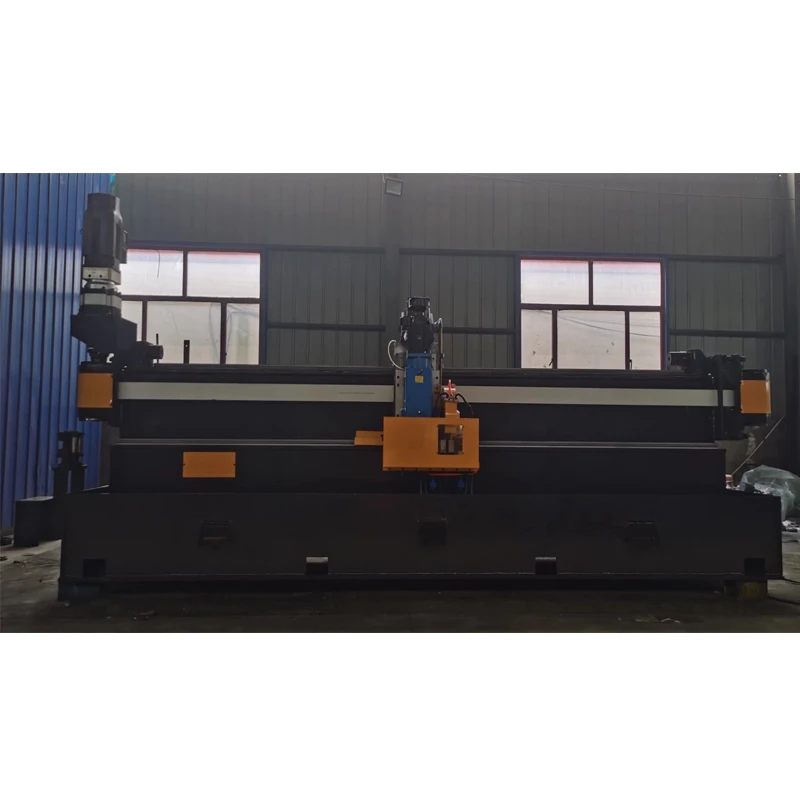
Fig 3: An operator monitoring the precision cutting process of a flying saw machine.
Frequently Asked Questions (FAQ)
Q1: What types of materials can the Cold Cutting Flying Saw process?
A1: Our Cold Cutting Flying Saw systems are designed to process a wide range of ferrous and non-ferrous metals, including carbon steel, stainless steel, alloy steel, aluminum, copper, and brass profiles, pipes, and tubes. The specific capabilities depend on the blade type and machine configuration.
Q2: What is the typical lead time for a customized flying shear solution?
A2: Lead times vary based on the complexity of the customization and current production schedules. For standard models, lead time is typically 12-16 weeks. For highly customized solutions, this can range from 20-30 weeks, including design, manufacturing, testing, and delivery. Specific timelines are provided during the quotation process.
Q3: What kind of warranty do you offer for your Cold Cutting Flying Saw machines?
A3: We offer a standard 12-month warranty on all mechanical and electrical components from the date of commissioning or 18 months from shipment, whichever comes first. Extended warranty options and comprehensive service contracts are also available to provide long-term peace of mind and minimize unexpected costs.
Q4: How do you provide after-sales support and technical assistance?
A4: Our commitment extends beyond delivery. We provide comprehensive after-sales support including remote diagnostics, phone and email technical support, and on-site service by factory-trained engineers. We maintain a global network of service partners and a robust spare parts inventory to ensure rapid response and minimal downtime. Training for your operational and maintenance staff is also a standard part of our offering.
Q5: Is integration with existing production lines feasible?
A5: Absolutely. Our Cold Cutting Flying Saw systems are designed for seamless integration into existing or new production lines. Our engineers work closely with your team to ensure compatibility with your current material handling, electrical, and control systems, often supporting various PLC platforms (e.g., Siemens, Allen-Bradley, Mitsubishi) and communication protocols.
Contact & Fulfillment Information
For further inquiries regarding our Cold Cutting Flying Saw solutions, customized engineering, or to request a detailed quotation, please contact our sales and technical team. We are dedicated to providing timely and effective support to meet your industrial cutting needs.
- Sales Inquiries: sales@xhequipment.com
- Technical Support: support@xhequipment.com
- Phone: +86-XXX-XXXX-XXXX
- Website: www.xhequipment.com
Lead Time and Fulfillment:
Our standard lead time for Cold Cutting Flying Saw systems typically ranges from 12 to 20 weeks, depending on the machine's complexity and customization requirements. This includes design finalization, manufacturing, rigorous factory acceptance testing (FAT), and preparation for shipment. Expedited options may be available upon request, subject to additional charges and production capacity. We maintain transparency throughout the production cycle, providing regular updates on your order status.
Warranty and After-Sales Commitment:
We stand by the quality and reliability of our Cold Cutting Flying Saw products with a comprehensive warranty. All new machines come with a 12-month parts and labor warranty, or 2000 operational hours, whichever comes first, from the date of commissioning. Our dedicated after-sales support team is available globally to provide technical assistance, spare parts, and on-site servicing to ensure your equipment operates at peak performance throughout its lifespan. Preventive maintenance programs and operator training are also key components of our service offering.
References
- ISO 9001:2015 Quality Management Systems – Requirements. International Organization for Standardization.
- ANSI B11.1-2009 (R2019) Safety Requirements for Mechanical Power Presses. American National Standards Institute.
- Kalpakjian, S., & Schmid, S. R. (2014). Manufacturing Engineering and Technology (7th ed.). Pearson.
- The Fabricator. (Various Articles on Tube & Pipe Production). FMA Communications.
- Metal Forming Magazine. (Various Articles on Cold Forming and Cutting Technologies). Gardner Business Media.
-
Comprehensive Guide to hdpe Making Machines: Global Impact, Features & TrendsNewsDec.02,2025
-
Comprehensive Guide to Garden Pipe Manufacturing Machine – Features, Benefits, and TrendsNewsDec.02,2025
-
Comprehensive Guide to Garden Pipe Making Machines: Features, Trends & BenefitsNewsDec.02,2025
-
Comprehensive Guide to Galvanized Pipe Making Machine – Durability & Innovation in Steel PipesNewsDec.02,2025
-
What Is an Extrusion Pipe Machine? Global Importance, Applications & BenefitsNewsDec.02,2025
-
Comprehensive Guide to ERW Tube Mill Machine: Global Insights and Industry ApplicationsNewsDec.02,2025
