

Hose Crimper for Sale | Manual/Electric, Durable, Precision
Hose crimper reality check: trends, specs, and an upstream hero you might be overlooking
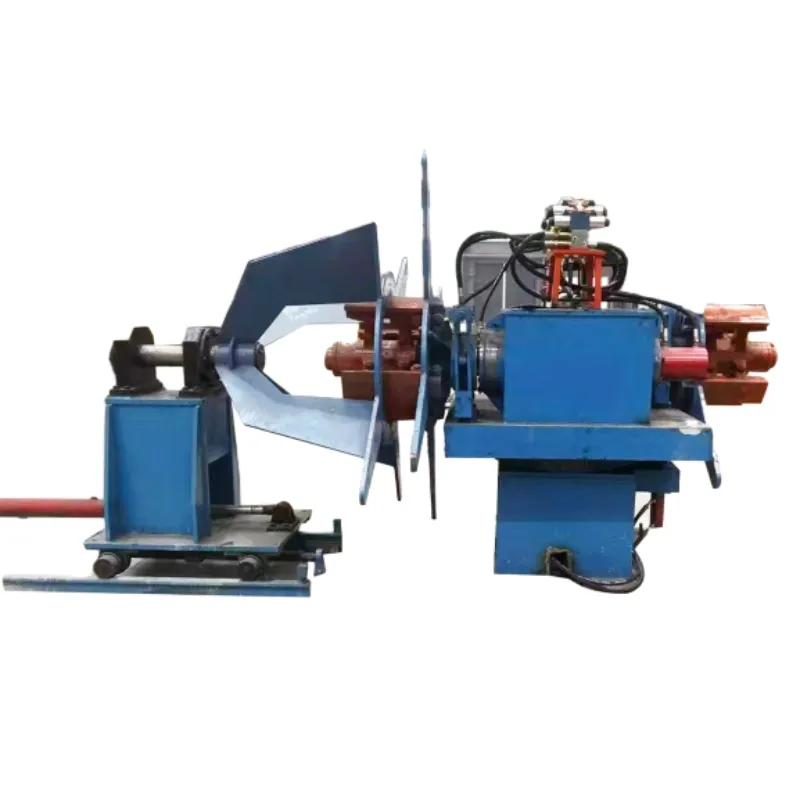
If you care about productivity and uptime, a good hose crimper is only half the story. The other half is what feeds your line: materials handling, coil prep, and steady supply. I’ve spent enough time on factory floors to see this firsthand—when upstream falters, your crimping station idles. That’s why I’m highlighting a less flashy but crucial partner in the chain: the 76 Unit Dual Station Unwinding Machine (from Liuzhuang Village industrial zone, Chaheji Township, Bazhou city, Hebei province). It’s designed for welded pipe lines—exactly the kind of tubing and ferrule supply routes many crimping operations rely on.
Industry trends: what’s changing on the crimping floor
- Integrated traceability: pairing hose crimper data (crimp diameter, batch IDs) with coil/lot info from upstream.
- Noise and ergonomics: dual-station hydraulic unwinders reduce manual handling and, in practice, cut dB levels during reel changes.
- Safety-first: lockout/tagout, light curtains, and turntable interlocks; think ISO 4413 and ISO 12100 mindsets.
- Energy-smart hydraulics: accumulator-assisted lifts and VFD-driven pay-off for smoother line speed.
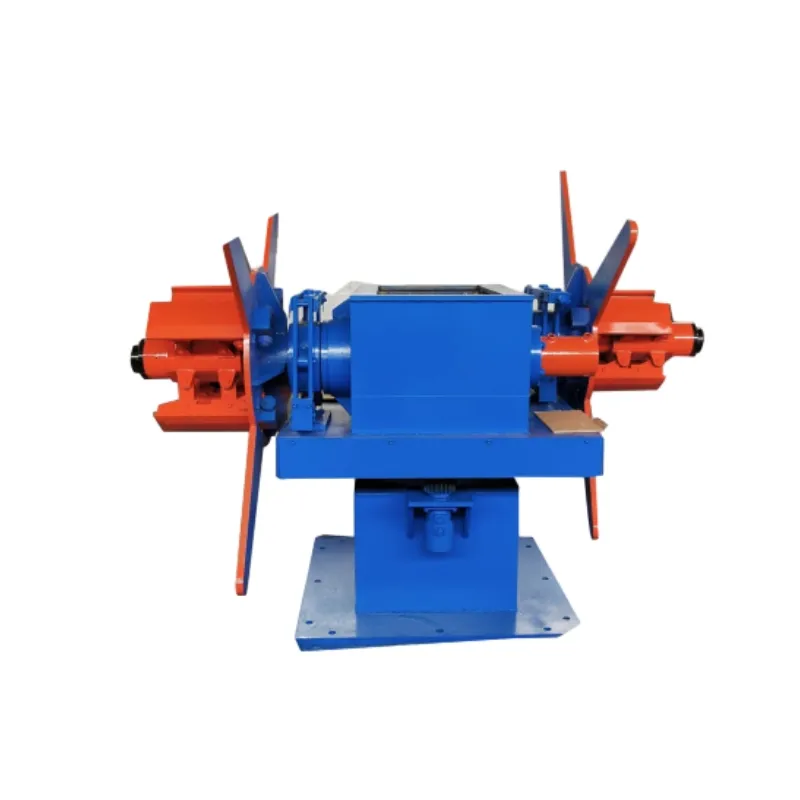
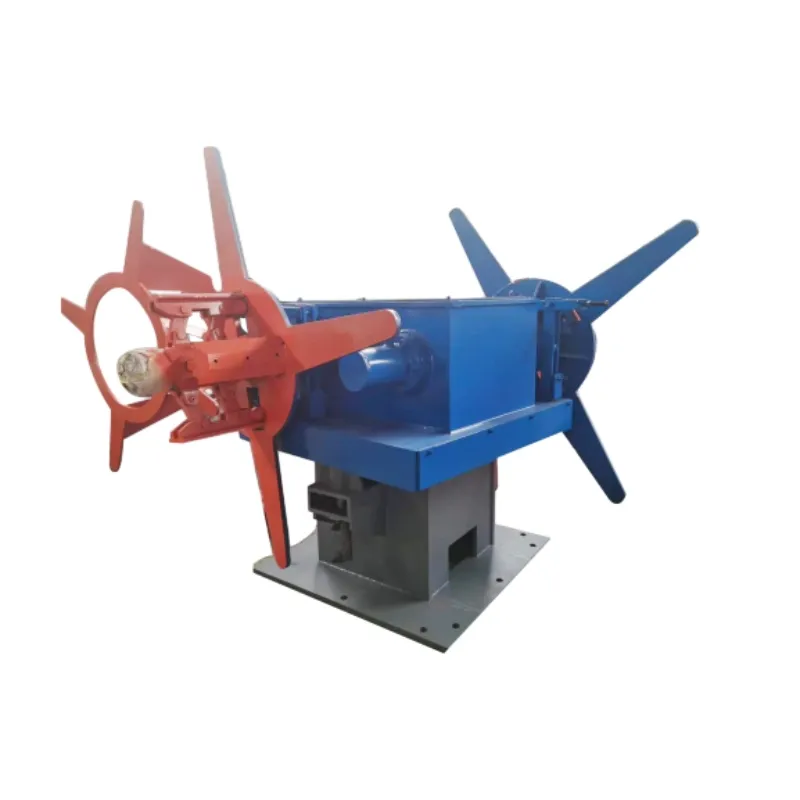
The featured dual-station hydraulic rising open machine raises and clamps steel rolls on a turntable. In plain English: faster coil changeovers, less lifting, fewer “oh no” moments. Many customers say it noticeably reduces worker fatigue and production noise, which tracks with what I’ve observed.
Key specs (practical view) and process flow
Typical materials: carbon steel coils (for welded tube/ferrules), structural steel frame, hydraulic cylinders, PLC control. Methods: hydraulic lift, turntable clamping, tension control, synchronized pay-off to the forming/welding section. Testing: runout checks, noise measurements, clamp load verification, safety interlock tests.
| Parameter | Typical value (≈ / range) | Notes (real-world may vary) |
|---|---|---|
| Coil OD / Width | ≈ 800–1600 mm / ≈ 100–600 mm | Sized for welded tube/ferrule production lines |
| Max coil weight | ≈ 3–10 t | Depends on turntable and hub design |
| Hydraulic system | ≈ 7–16 MPa operating | ISO 4413-compliant layout is recommended |
| Line speed | ≈ 20–80 m/min | Matched to downstream forming/welding |
| Noise (idle/changeover) | ≈ 68–78 dB(A) | Measured per ISO 11201 |
| Service life | ≈ 8–12 years | With preventive maintenance |
Where it fits: OEM hose assembly cells, ferrule/tube fabrication feeding hose crimper stations, mobile service depots (scaled-down), and high-mix industrial distributors.
Customization and compliance
- Options: mandrel sizes, clamp jaws, PLC brand (Siemens/Omron), safety light curtains, pit or floor-mount, quick-change chucks.
- Certifications: CE Machinery Directive, ISO 9001 for the manufacturer, electrical conformity to IEC 60204-1.
- Hose assembly tie-in: crimp QC per ISO 17165-2 and SAE J517; burst/impulse testing downstream.
Vendor snapshot (quick, honest take)
| Vendor | Focus | Customization | Lead time | Certs | Notes |
|---|---|---|---|---|---|
| XH Equipment (Hebei) | Dual-station unwinders, welded pipe line gear | High | ≈ 6–12 weeks | ISO/CE | Strong value; factory-direct service |
| Uniflex | Premium hose crimper systems | Medium | ≈ 4–10 weeks | CE | Excellent repeatability |
| Finn-Power / Parker | Industrial crimpers, lineside tooling | Medium | ≈ 5–12 weeks | CE/UL | Global support footprint |
Field note: a quick case
A Midwestern OEM paired a dual-station unwinder with their high-tonnage hose crimper cells. Changeover dropped from ~14 minutes to ~5, coil-related stops fell by 60%, and operator noise exposure at changeover dipped ~6 dB(A). Not a moonshot, but across three shifts the math is compelling.
Bottom line
If you’re chasing better crimp consistency and throughput, start a meter upstream. Stable coil handling and safe, quiet changeovers de-risk the whole cell. The dual-station hydraulic rising open machine from Hebei is a solid example—practical, customizable, and built for the grind.
References
- ISO 4413: Hydraulic fluid power — General rules and safety requirements for systems and their components.
- ISO 17165-2: Hydraulic fluid power — Hose assemblies — Guidelines for routing, installation, and maintenance.
- SAE J517: Hydraulic Hose standard and SAE J343: Tests and Procedures for Hose Assemblies.
- ISO 11201: Acoustics — Noise emitted by machinery — Determination of emission sound pressure levels at a workstation.
- IEC 60204-1: Safety of machinery — Electrical equipment of machines.
-
Comprehensive Guide to hdpe Making Machines: Global Impact, Features & TrendsNewsDec.02,2025
-
Comprehensive Guide to Garden Pipe Manufacturing Machine – Features, Benefits, and TrendsNewsDec.02,2025
-
Comprehensive Guide to Garden Pipe Making Machines: Features, Trends & BenefitsNewsDec.02,2025
-
Comprehensive Guide to Galvanized Pipe Making Machine – Durability & Innovation in Steel PipesNewsDec.02,2025
-
What Is an Extrusion Pipe Machine? Global Importance, Applications & BenefitsNewsDec.02,2025
-
Comprehensive Guide to ERW Tube Mill Machine: Global Insights and Industry ApplicationsNewsDec.02,2025
