

Line Pipe Steel | High Strength, Anti-Corrosion, API/ISO
What’s Really Happening With Line Pipe Supply, Quality, and Production
If you work anywhere near pipelines, you’ve heard the phrase line pipe steel more times than you can count. Demand is steady, specs are tightening, and—somewhat surprisingly—procurement is getting more technical by the month. I’ve walked a few mills this year and, to be honest, consistency is what buyers obsess over now: weld integrity, ovality, traceability, and documentation that actually matches what ships.
Where high-frequency welded lines fit today
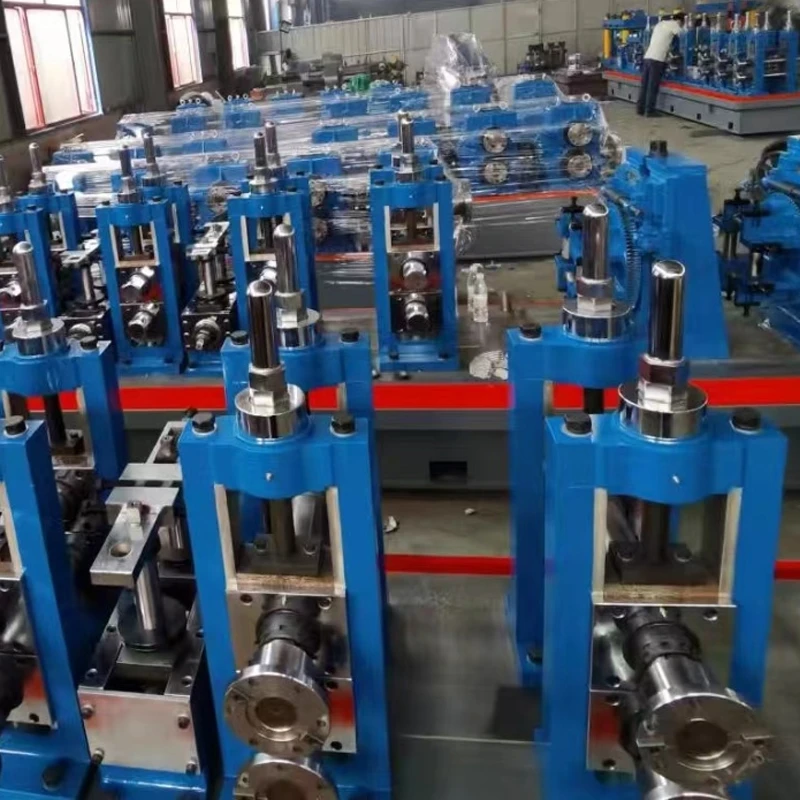
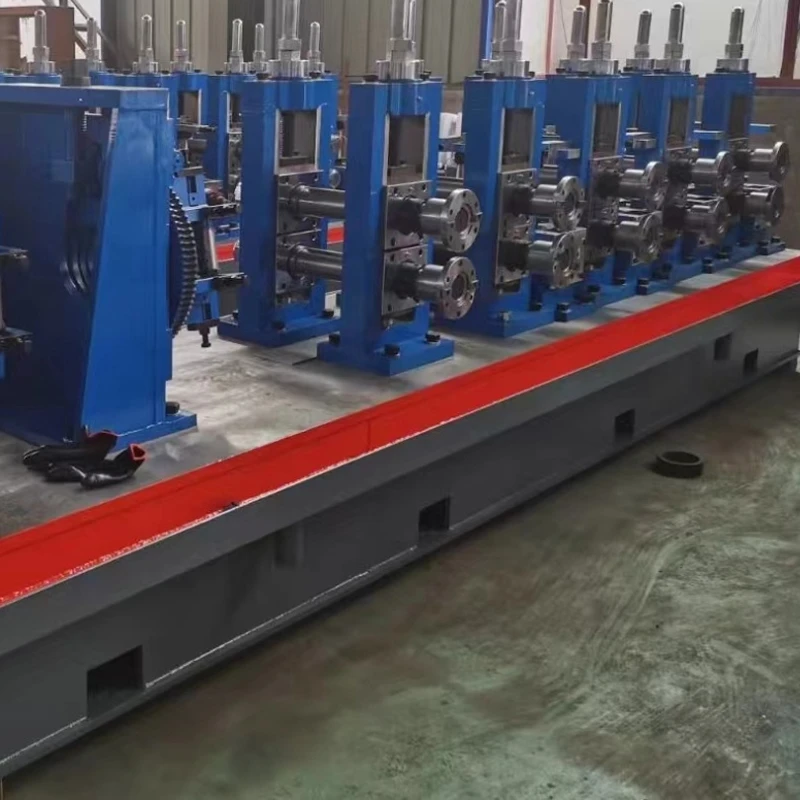
For mid-range diameters and cost control, high-frequency straight seam lines still carry a lot of weight. The φ76—φ89 High Frequency Straight Seam Welded Pipe Production Line—built in the Liuzhuang Village industrial zone, Chaheji Township, Bazhou city, Hebei province—targets that exact window. It seems that buyers like the balance: predictable throughput with modern quality gates. I guess that’s why many customers say it’s their “get-it-done” workhorse for gathering lines, water injection, and structural carry-over.
Product snapshot (quick but relevant)
| Product Name | Welded Pipe Production Line (HFW, straight seam) |
| Diameter Range | φ76—φ89 mm |
| Wall Thickness | 2.0–5.0 mm |
| Typical Material | Carbon steel strip suited for pipeline grades (per purchaser spec) |
| Standards Supported | API 5L, ISO 3183 (as applicable to project orders) |
| Notes | Performance depends on coil quality and setup; real-world use may vary. |
Process flow, testing, and service life (the practical bits)
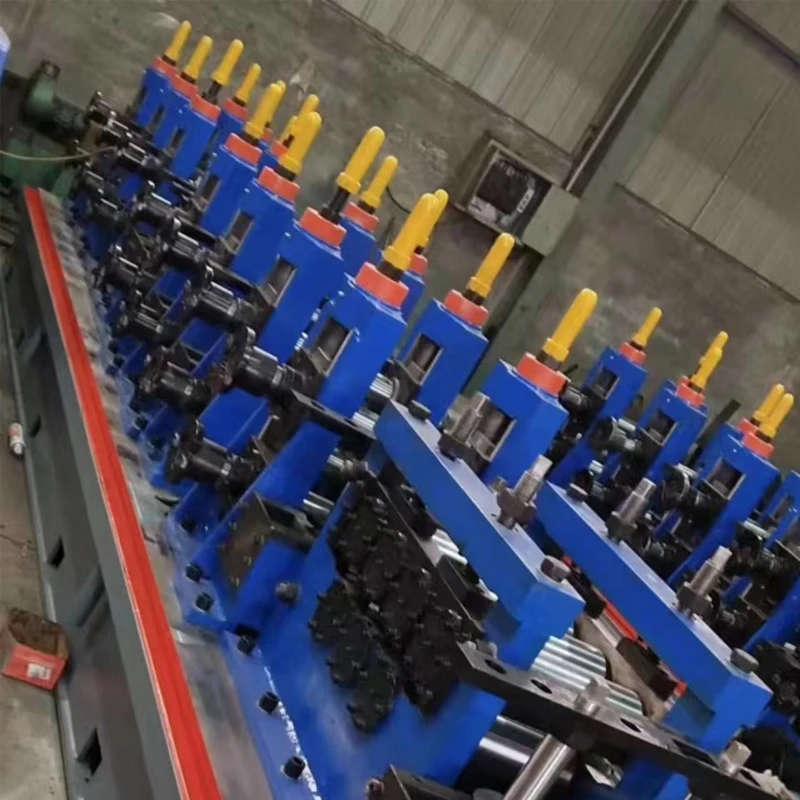
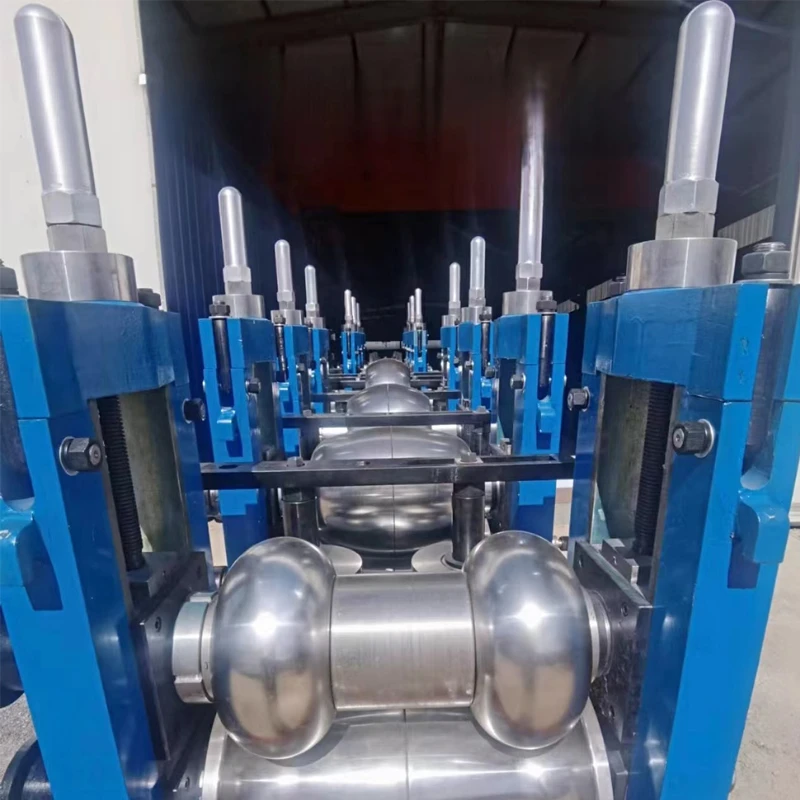
Materials: hot-rolled steel strip with controlled chemistry; edge integrity matters more than people admit. Methods: forming → high-frequency induction welding → internal/external bead control → sizing → cut-to-length. Testing: visual, dimensional, NDT (e.g., eddy current or UT per project), hydrostatic when specified by the purchase order. Documentation: MTCs aligned to API 5L/ISO 3183 where required. Service life? It’s not a single number—coating, cathodic protection, and operating conditions dominate. In benign water service, I’ve seen long runs; in sour gas, you engineer conservatively and follow ASME B31.4/B31.8.
Where it’s used and why it works
- Oil & gas gathering, water injection, utility lines (onshore).
- Industrial fluid transport and construction columns where line pipe steel specs overlap structural needs.
- Temporary lines where schedule matters and SAW lead-times feel too long.
Advantages: efficient throughput, consistent seam quality (with tight setup), and documented traceability. However, remember: weld heat input and coil edge prep can make or break your final toughness, especially when you’re chasing low-temperature impact values.
Vendor landscape (what buyers quietly compare)
| Vendor | Strengths | Customization | After-Sales |
|---|---|---|---|
| XH Equipment (Bazhou, Hebei) | Focus on φ76–φ89 range; practical HFW know-how; sensible pricing | Roll sets, NDT add-ons, marking/traceability options | On-site commissioning + operator training, according to buyers |
| General OEM A | Broader diameter portfolio | Deep integration; longer lead times ≈ | Structured SLAs (region dependent) |
| General OEM B | High automation level | Strong digital QC; premium pricing | Global spares; response varies by site |
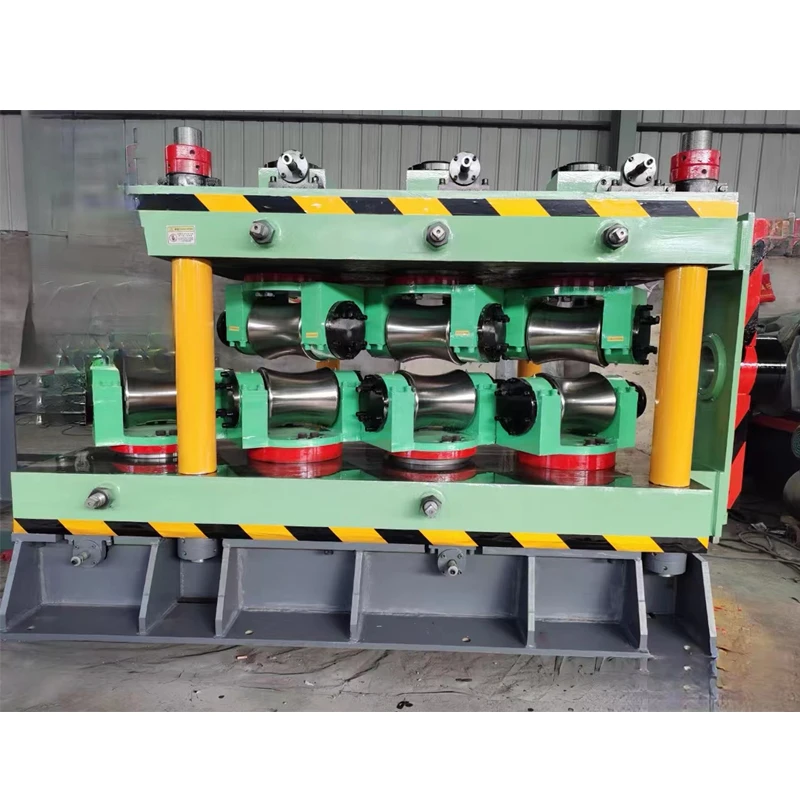
Customization to watch
- Grade envelope tuning for line pipe steel (edge mill, HAZ control).
- NDT packages: eddy current vs. UT, depending on defect sensitivity targets.
- Data layer: QR/heat tracking, MTC digitization, and production dashboards.
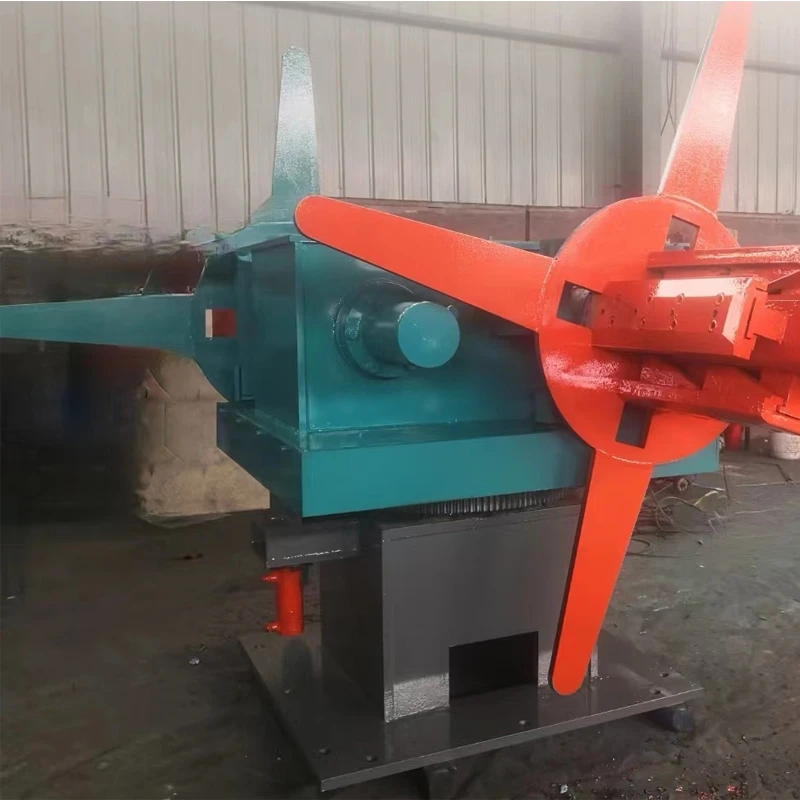
One mid-size operator told me they cut defect escapes by “around 30%” after tightening edge trimming and adding real-time weld power trending. Not a lab study—just field reality.
Bottom line
For φ76—φ89 mm, HFW straight seam remains a practical path when the spec allows. Pair it with rigorous edge prep, disciplined heat input, and standards-backed testing (API 5L/ISO 3183). Do that, and your line pipe steel program will look a lot less stressful—on paper and in the ditch.
Authoritative citations
- API 5L: Specification for Line Pipe, American Petroleum Institute. https://www.api.org
- ISO 3183: Petroleum and natural gas industries — Steel pipe for pipeline transportation systems. https://www.iso.org
- ASME B31.4/B31.8: Pipeline Transportation Piping Codes, The American Society of Mechanical Engineers. https://www.asme.org
-
Comprehensive Guide to hdpe Making Machines: Global Impact, Features & TrendsNewsDec.02,2025
-
Comprehensive Guide to Garden Pipe Manufacturing Machine – Features, Benefits, and TrendsNewsDec.02,2025
-
Comprehensive Guide to Garden Pipe Making Machines: Features, Trends & BenefitsNewsDec.02,2025
-
Comprehensive Guide to Galvanized Pipe Making Machine – Durability & Innovation in Steel PipesNewsDec.02,2025
-
What Is an Extrusion Pipe Machine? Global Importance, Applications & BenefitsNewsDec.02,2025
-
Comprehensive Guide to ERW Tube Mill Machine: Global Insights and Industry ApplicationsNewsDec.02,2025
