

Oct . 06, 2025 00:40
Back to list
Looking for a Flying Saw with High-Speed Precision Cutting?
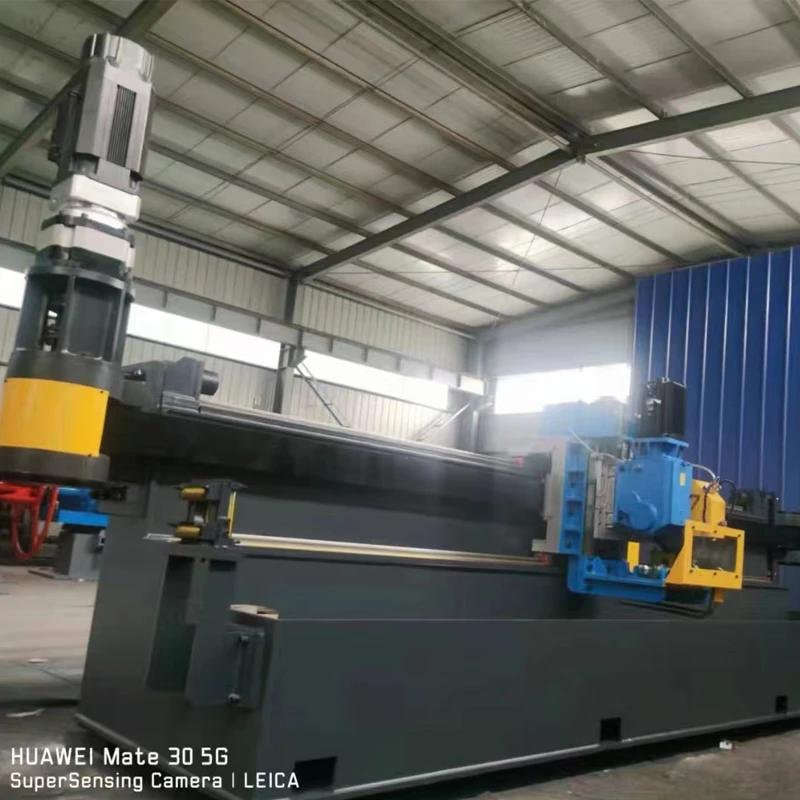
If you’ve ever stood next to a tube mill at full tilt, you know the old abrasive cutters are, well, loud and messy. That’s why so many mills are moving to the flying saw—in this case, a CNC Cold Cutting unit that tracks the tube and slices cleanly without throwing a shower of sparks. To be honest, the first time I watched it keep pace with a 100 m/min line, I expected chatter. It didn’t happen. Clean edge, square cut, minimal burr. Surprisingly calm.
 Industry trend check: cold cutting has jumped from “nice-to-have” to standard spec on new welded-tube lines, especially for furniture tubing, light automotive, and conduit. The shift is driven by better servo synchronization, smarter HMI diagnostics, and, frankly, the cost of secondary deburr. Many customers say the payback shows up in the first quarter.
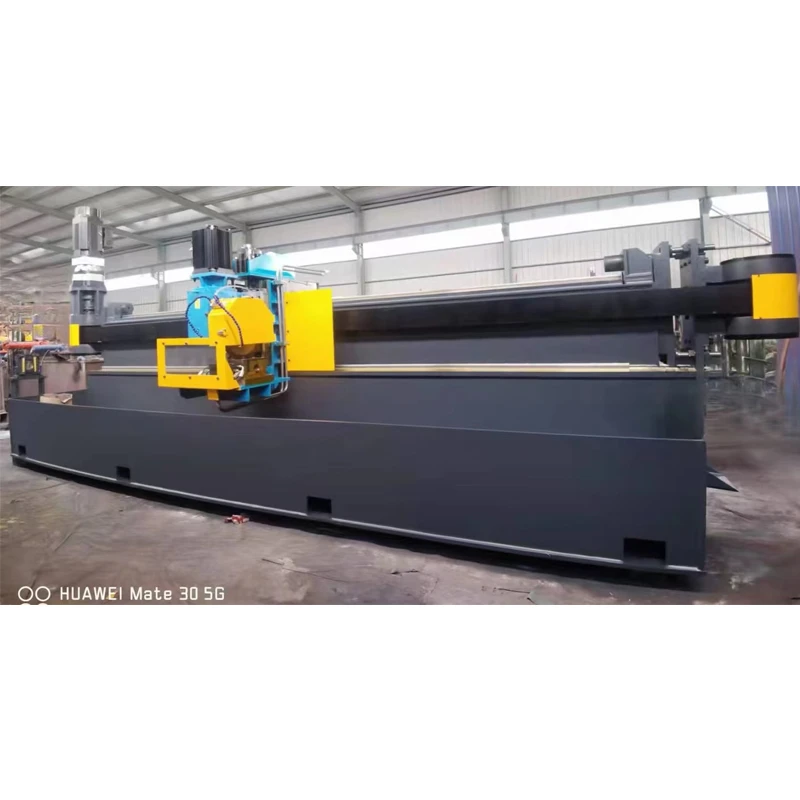
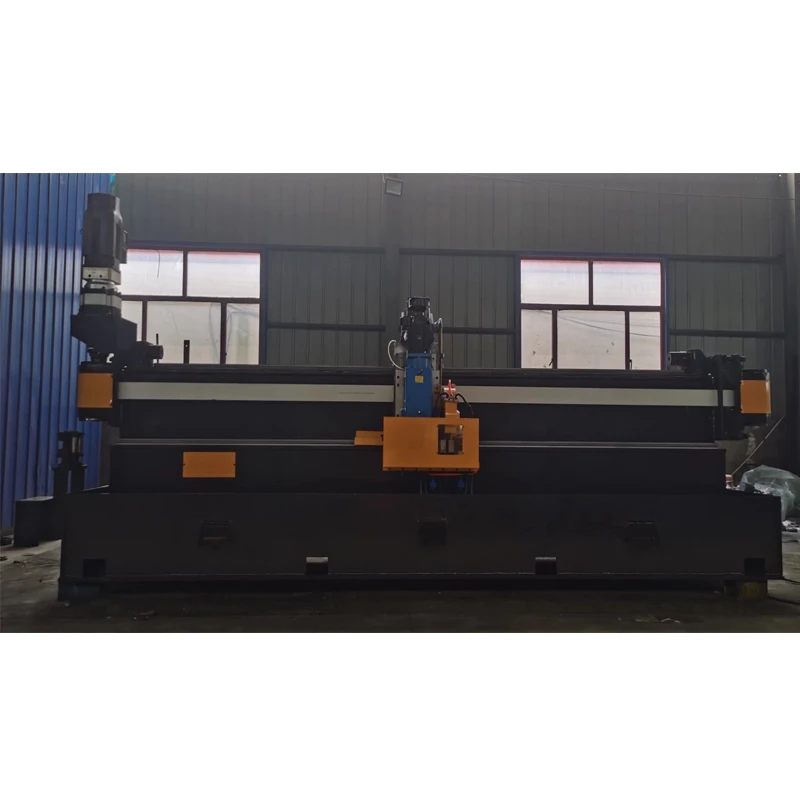
Product snapshot from Bazhou, Hebei (origin: Liuzhuang Village industrial zone, Chaheji Township, Bazhou city, Hebei province): this CNC Cold Cutting flying saw is tuned for carbon steel—Q195/Q235/Q355—round pipe diameter ≈19.5–32 mm, thickness ≈2.0–2.75 mm. The ethos is simple: track, clamp, cut, and keep moving.
Industry trend check: cold cutting has jumped from “nice-to-have” to standard spec on new welded-tube lines, especially for furniture tubing, light automotive, and conduit. The shift is driven by better servo synchronization, smarter HMI diagnostics, and, frankly, the cost of secondary deburr. Many customers say the payback shows up in the first quarter.
Product snapshot from Bazhou, Hebei (origin: Liuzhuang Village industrial zone, Chaheji Township, Bazhou city, Hebei province): this CNC Cold Cutting flying saw is tuned for carbon steel—Q195/Q235/Q355—round pipe diameter ≈19.5–32 mm, thickness ≈2.0–2.75 mm. The ethos is simple: track, clamp, cut, and keep moving.
 How it works on the line:
- Material: welded round tube (Q195/Q235/Q355) exits the mill.
- Method: encoder reads line speed; carriage of the flying saw accelerates to match; pneumatic/servo clamp stabilizes the tube; blade performs cold cut at synchronized feed; offcuts guided to a chute.
- Testing standards: length and squareness per ISO 2768; tube dimensional check per ASTM A513/EN 10305; noise logging to ISO 11202; CE compliance toward 2006/42/EC.
- Service life: HSS blade ≈8,000–15,000 cuts before regrind; TCT ≈5,000–10,000 (depends on wall thickness/lube). Linear guides are rated >20,000 km travel; servo MTBF figures from vendors are usually 20,000+ hrs.
Typical applications:
- Furniture and fitness tubing (fast changeovers matter).
- Automotive seating and brackets (burr control helps downstream welding).
- Electrical conduit and shopfittings (consistent length packs better).
In fact, one Tianjin furniture-tube producer told me they cut rework by “about a third” after switching from abrasive to a flying saw.
How it works on the line:
- Material: welded round tube (Q195/Q235/Q355) exits the mill.
- Method: encoder reads line speed; carriage of the flying saw accelerates to match; pneumatic/servo clamp stabilizes the tube; blade performs cold cut at synchronized feed; offcuts guided to a chute.
- Testing standards: length and squareness per ISO 2768; tube dimensional check per ASTM A513/EN 10305; noise logging to ISO 11202; CE compliance toward 2006/42/EC.
- Service life: HSS blade ≈8,000–15,000 cuts before regrind; TCT ≈5,000–10,000 (depends on wall thickness/lube). Linear guides are rated >20,000 km travel; servo MTBF figures from vendors are usually 20,000+ hrs.
Typical applications:
- Furniture and fitness tubing (fast changeovers matter).
- Automotive seating and brackets (burr control helps downstream welding).
- Electrical conduit and shopfittings (consistent length packs better).
In fact, one Tianjin furniture-tube producer told me they cut rework by “about a third” after switching from abrasive to a flying saw.
 Customization notes I’ve seen requested:
- Diameter window tweaks (e.g., 12–60 mm), thicker walls with TCT packages.
- Integration with existing PLC brands (Siemens/Rockwell), plus length-measure encoders tied into MES.
- Enclosures for noise control and mist extraction, and automatic tube bundling after the flying saw.
Real-world results (condensed case notes):
- North China conduit line: length CpK improved from 1.1 to 1.6; average deburr time down 40%.
- ASEAN auto-seat tube maker: blade life stabilized at ~10,500 cuts (HSS) after MQL tuning and clamp pad swap.
Quick tip: keep a blade log (cuts, material, lube), calibrate the measuring wheel weekly, and audit squareness every shift. It seems obvious, but it’s the difference between “good” and “repeatably good.”
References:
1. ISO 9001:2015 Quality management systems.
2. EU Machinery Directive 2006/42/EC.
3. ASTM A513: Standard Specification for Electric-Resistance-Welded Carbon Steel Mechanical Tubing.
4. ISO 11202: Acoustics—Noise emitted by machinery at operator’s position.
5. EN 10305-3: Welded precision steel tubes—Technical delivery conditions.
Customization notes I’ve seen requested:
- Diameter window tweaks (e.g., 12–60 mm), thicker walls with TCT packages.
- Integration with existing PLC brands (Siemens/Rockwell), plus length-measure encoders tied into MES.
- Enclosures for noise control and mist extraction, and automatic tube bundling after the flying saw.
Real-world results (condensed case notes):
- North China conduit line: length CpK improved from 1.1 to 1.6; average deburr time down 40%.
- ASEAN auto-seat tube maker: blade life stabilized at ~10,500 cuts (HSS) after MQL tuning and clamp pad swap.
Quick tip: keep a blade log (cuts, material, lube), calibrate the measuring wheel weekly, and audit squareness every shift. It seems obvious, but it’s the difference between “good” and “repeatably good.”
References:
1. ISO 9001:2015 Quality management systems.
2. EU Machinery Directive 2006/42/EC.
3. ASTM A513: Standard Specification for Electric-Resistance-Welded Carbon Steel Mechanical Tubing.
4. ISO 11202: Acoustics—Noise emitted by machinery at operator’s position.
5. EN 10305-3: Welded precision steel tubes—Technical delivery conditions.
Industry trend check: cold cutting has jumped from “nice-to-have” to standard spec on new welded-tube lines, especially for furniture tubing, light automotive, and conduit. The shift is driven by better servo synchronization, smarter HMI diagnostics, and, frankly, the cost of secondary deburr. Many customers say the payback shows up in the first quarter.
Product snapshot from Bazhou, Hebei (origin: Liuzhuang Village industrial zone, Chaheji Township, Bazhou city, Hebei province): this CNC Cold Cutting flying saw is tuned for carbon steel—Q195/Q235/Q355—round pipe diameter ≈19.5–32 mm, thickness ≈2.0–2.75 mm. The ethos is simple: track, clamp, cut, and keep moving.
Key Specifications (real-world use may vary)
| Cutting material | Q195/Q235/Q355 carbon steel |
| Round pipe range | Ø19.5–32 mm; thickness 2.0–2.75 mm |
| Line speed (tracking) | ≈30–120 m/min |
| Length tolerance | ±0.5 mm at 6 m typical (ISO 2768-mK reference) |
| Cut squareness | ≤0.3 mm/Ø30 mm |
| Burr height | ≤0.05–0.10 mm typical |
| Blade | HSS or TCT cold-saw blade; MQL cooling |
| Drive/control | AC servo carriage + encoder sync; PLC/HMI |
| Noise | ≤85 dB(A) with enclosure (ISO 11202) |
How it works on the line:
- Material: welded round tube (Q195/Q235/Q355) exits the mill.
- Method: encoder reads line speed; carriage of the flying saw accelerates to match; pneumatic/servo clamp stabilizes the tube; blade performs cold cut at synchronized feed; offcuts guided to a chute.
- Testing standards: length and squareness per ISO 2768; tube dimensional check per ASTM A513/EN 10305; noise logging to ISO 11202; CE compliance toward 2006/42/EC.
- Service life: HSS blade ≈8,000–15,000 cuts before regrind; TCT ≈5,000–10,000 (depends on wall thickness/lube). Linear guides are rated >20,000 km travel; servo MTBF figures from vendors are usually 20,000+ hrs.
Typical applications:
- Furniture and fitness tubing (fast changeovers matter).
- Automotive seating and brackets (burr control helps downstream welding).
- Electrical conduit and shopfittings (consistent length packs better).
In fact, one Tianjin furniture-tube producer told me they cut rework by “about a third” after switching from abrasive to a flying saw.
Vendor snapshot (indicative comparison)
| Item | XH Equipment (Hebei) | Vendor A (EU brand) | Vendor B (Local) |
|---|---|---|---|
| Cut method | Cold saw, servo tracking | Cold saw, advanced diagnostics | Abrasive or cold (option) |
| Diameter focus | 19.5–32 mm | 10–60 mm | 20–38 mm |
| Length tolerance | ≈±0.5 mm typical | ≈±0.3–0.5 mm | ≈±1.0 mm |
| Certifications | ISO 9001; CE | ISO 9001; CE; optional UL | Varies |
| Lead time | ≈6–10 weeks | ≈10–16 weeks | ≈8–12 weeks |
Customization notes I’ve seen requested:
- Diameter window tweaks (e.g., 12–60 mm), thicker walls with TCT packages.
- Integration with existing PLC brands (Siemens/Rockwell), plus length-measure encoders tied into MES.
- Enclosures for noise control and mist extraction, and automatic tube bundling after the flying saw.
Real-world results (condensed case notes):
- North China conduit line: length CpK improved from 1.1 to 1.6; average deburr time down 40%.
- ASEAN auto-seat tube maker: blade life stabilized at ~10,500 cuts (HSS) after MQL tuning and clamp pad swap.
Quick tip: keep a blade log (cuts, material, lube), calibrate the measuring wheel weekly, and audit squareness every shift. It seems obvious, but it’s the difference between “good” and “repeatably good.”
References:
1. ISO 9001:2015 Quality management systems.
2. EU Machinery Directive 2006/42/EC.
3. ASTM A513: Standard Specification for Electric-Resistance-Welded Carbon Steel Mechanical Tubing.
4. ISO 11202: Acoustics—Noise emitted by machinery at operator’s position.
5. EN 10305-3: Welded precision steel tubes—Technical delivery conditions.
Latest news
-
Comprehensive Guide to hdpe Making Machines: Global Impact, Features & TrendsNewsDec.02,2025
-
Comprehensive Guide to Garden Pipe Manufacturing Machine – Features, Benefits, and TrendsNewsDec.02,2025
-
Comprehensive Guide to Garden Pipe Making Machines: Features, Trends & BenefitsNewsDec.02,2025
-
Comprehensive Guide to Galvanized Pipe Making Machine – Durability & Innovation in Steel PipesNewsDec.02,2025
-
What Is an Extrusion Pipe Machine? Global Importance, Applications & BenefitsNewsDec.02,2025
-
Comprehensive Guide to ERW Tube Mill Machine: Global Insights and Industry ApplicationsNewsDec.02,2025
