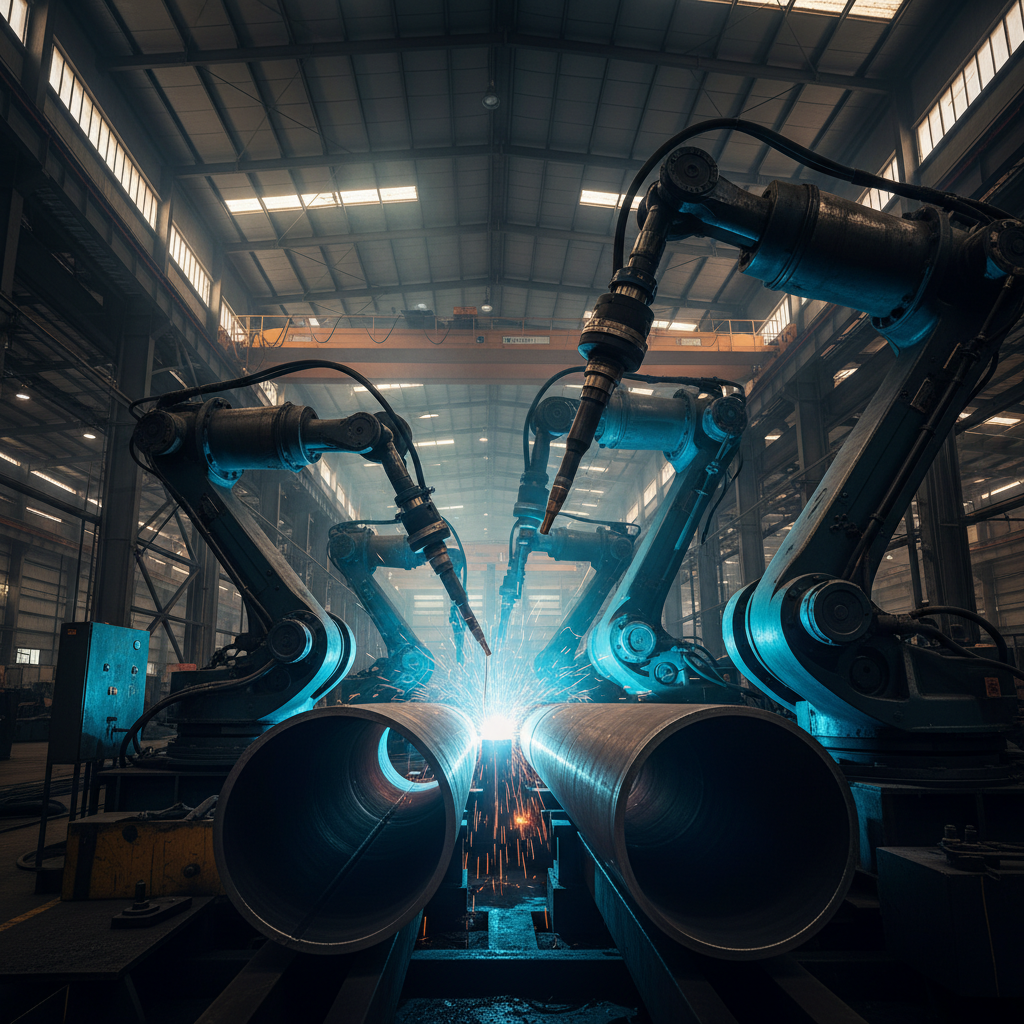
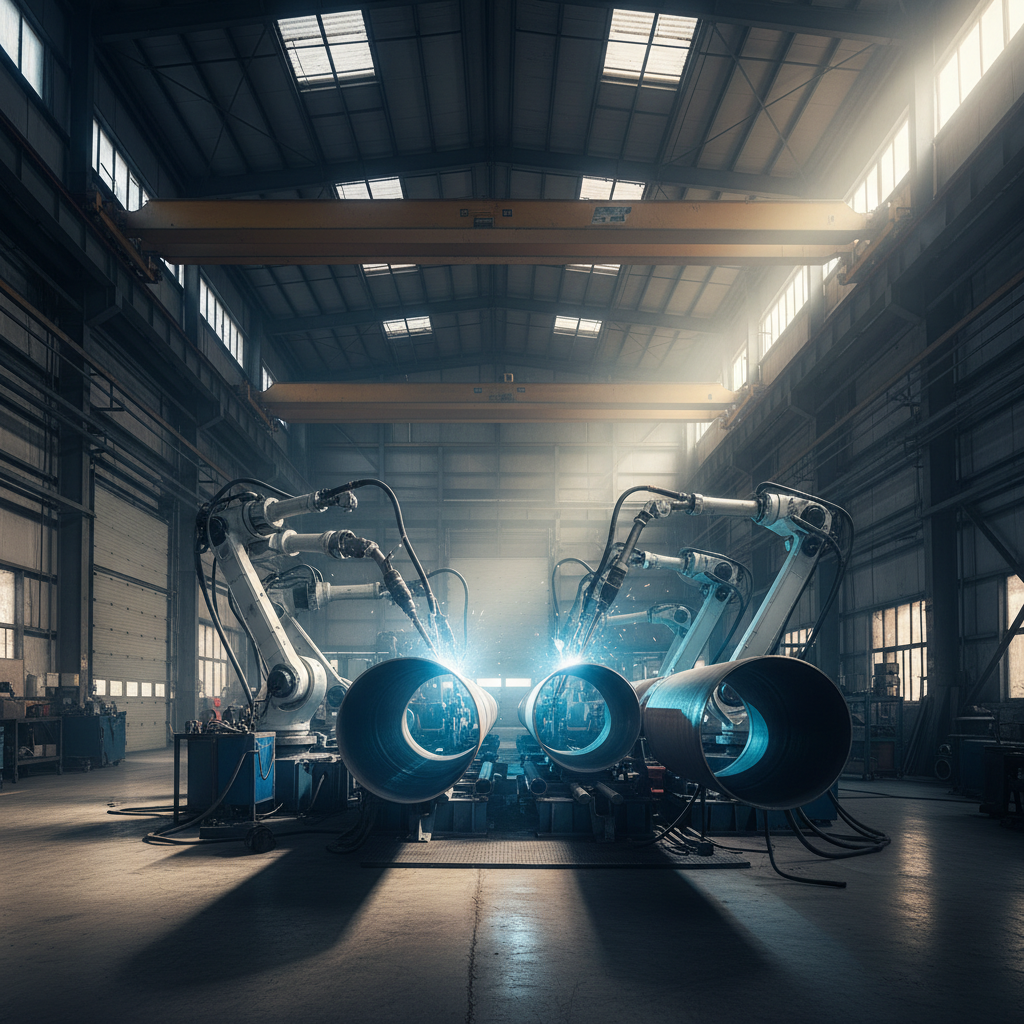
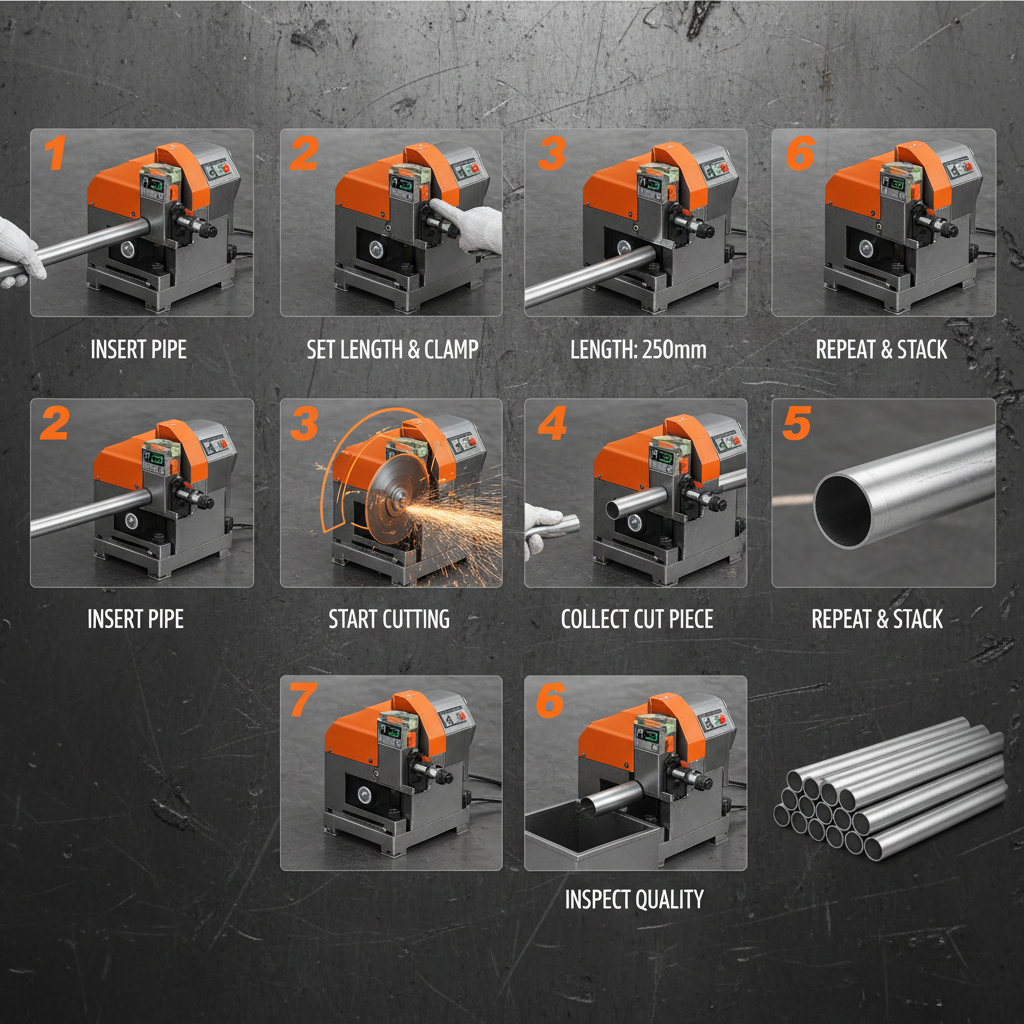
The demand for robust and reliable infrastructure is constantly growing globally, particularly in sectors like oil and gas, construction, and water management. Central to this demand is the efficient joining of metallic pipes, making the ms pipe welding machine a critical component in numerous industrial processes. These machines aren’t simply tools; they represent advancements in material science, engineering, and automation, all aimed at ensuring the integrity and longevity of essential pipelines.
The increasing complexity of pipeline projects, spanning vast distances and often operating in challenging environments, necessitates advanced welding solutions. Traditional welding methods often struggle to meet the demands of these projects in terms of speed, consistency, and cost-effectiveness. The ms pipe welding machine addresses these limitations through innovative designs and automated processes, becoming increasingly indispensable.
Understanding the nuances of ms pipe welding machine technology – its capabilities, applications, and future trends – is crucial for professionals across multiple disciplines. From engineers and technicians to project managers and procurement specialists, a solid grasp of this technology translates into improved project outcomes, reduced operational costs, and enhanced safety standards.
The Core Principles of ms pipe welding machine
At its core, an ms pipe welding machine operates on the principle of fusing two metallic pipes together to create a leak-proof and structurally sound joint. This is typically achieved through a combination of heat, pressure, and, in some cases, filler material. The precision and control offered by these machines are significantly higher than manual welding techniques, leading to superior weld quality and consistency.
Understanding the different welding processes employed by ms pipe welding machines – such as submerged arc welding (SAW), gas metal arc welding (GMAW), and flux-cored arc welding (FCAW) – is essential. Each process has its own advantages and disadvantages in terms of speed, penetration, and suitability for different materials and applications.
The Global Impact of ms pipe welding machine
The global pipeline infrastructure is extensive and crucial for the transportation of oil, gas, water, and other essential resources. According to the World Bank, trillions of dollars are invested annually in pipeline projects worldwide, and a significant portion of this investment relies on the availability of efficient and reliable welding technology. Ms pipe welding machine are at the forefront of enabling these large-scale infrastructure developments.
The need for improved pipeline integrity is driven by factors such as aging infrastructure, increasing demand for energy resources, and growing concerns about environmental safety. Pipeline failures can result in significant economic losses, environmental damage, and even loss of life, emphasizing the importance of utilizing advanced welding techniques to minimize the risk of such incidents. The ISO standards for pipeline construction and operation also heavily influence the adoption of sophisticated welding machinery.
Regions with significant oil and gas reserves, such as the Middle East and Russia, as well as countries undergoing rapid industrialization, like China and India, represent key markets for ms pipe welding machine. These regions are constantly seeking to upgrade their pipeline infrastructure and adopt cutting-edge technologies to meet growing demands and ensure long-term sustainability.
Defining ms pipe welding machine: A Comprehensive Overview
A ms pipe welding machine is a specialized piece of equipment designed to automatically join metallic pipes, typically made of mild steel (ms), through the application of heat and pressure. Unlike manual welding, these machines offer a high degree of precision, repeatability, and control, resulting in welds that meet stringent quality standards.
The connection between ms pipe welding machines and modern industry is undeniable. They’re essential for constructing pipelines that deliver vital resources like oil, natural gas, and water. Furthermore, they play a key role in building infrastructure for petrochemical plants, power generation facilities, and large-scale construction projects. Their efficient operation is directly linked to the smooth functioning of many modern industrial processes.
Modern ms pipe welding machine often incorporate advanced features such as programmable logic controllers (PLCs), remote monitoring capabilities, and data logging systems. These features enable operators to optimize welding parameters, track weld quality, and ensure compliance with industry regulations.
Key Performance Indicators of ms pipe welding machine
Evaluating the performance of an ms pipe welding machine requires consideration of several key factors. These metrics are crucial for ensuring efficient operation, maintaining weld quality, and minimizing downtime.
These indicators directly influence project costs, timelines, and the overall reliability of the welded pipeline.
ms Pipe Welding Machine Performance Metrics
Real-World Applications of ms pipe welding machine
Ms pipe welding machine are widely utilized across a diverse range of industries. In the oil and gas sector, they are essential for constructing pipelines that transport crude oil and natural gas over long distances. These machines are also critical in the construction of offshore pipelines, which require high precision and reliability.
Beyond energy, ms pipe welding machines are fundamental in water infrastructure projects. They're utilized to build pipelines for potable water distribution, wastewater management, and irrigation systems. In post-disaster relief operations, portable ms pipe welding machine can be quickly deployed to establish temporary water supply lines, providing access to clean water for affected communities.
The Advantages and Long-Term Value Proposition of ms pipe welding machine
The advantages of utilizing an ms pipe welding machine are multifaceted. First and foremost, they significantly enhance welding speed and efficiency, reducing project timelines and labor costs. The automation capabilities minimize the need for highly skilled manual welders, addressing labor shortages and reducing the risk of human error.
Beyond cost savings, these machines deliver substantial long-term value through increased weld quality, improved pipeline integrity, and reduced maintenance requirements. A well-executed weld, achieved through precise machine control, minimizes the potential for leaks, corrosion, and structural failures, leading to safer and more reliable pipeline operation. The reduced risk of failures translates to long-term cost savings and a positive impact on environmental sustainability.
Investing in a robust ms pipe welding machine demonstrates a commitment to safety, quality, and innovation, fostering trust with stakeholders and ensuring a strong reputation for reliable infrastructure development.
Future Trends and Challenges in ms pipe welding machine Technology
The future of ms pipe welding machine technology is likely to be shaped by several key trends. Automation and robotics will continue to play a larger role, with the development of more sophisticated machines capable of operating autonomously and adapting to varying pipeline conditions. The integration of artificial intelligence (AI) and machine learning (ML) algorithms will enable predictive maintenance, optimized welding parameters, and real-time quality control.
Sustainability is also driving innovation, with a focus on developing energy-efficient welding processes and reducing the environmental impact of pipeline construction. The adoption of digital twin technology, which creates a virtual replica of the pipeline, will facilitate remote monitoring, diagnostics, and predictive maintenance.
However, challenges remain. Ensuring the cybersecurity of these increasingly connected machines, addressing the need for skilled technicians to operate and maintain advanced equipment, and managing the cost of implementing new technologies are all critical considerations.
Summary of Challenges and Solutions in ms pipe welding machine Technology
| Challenge |
Impact on ms pipe welding machine |
Potential Solution |
Implementation Cost (1-10) |
| Cybersecurity Threats |
Compromised machine control, data breaches |
Implement robust security protocols, encryption, and intrusion detection systems |
7 |
| Skill Gap |
Difficulty operating and maintaining advanced machines |
Invest in comprehensive training programs and certifications |
6 |
| High Initial Investment |
Barrier to adoption for smaller companies |
Explore leasing options and government subsidies |
8 |
| Data Integration Challenges |
Difficulty integrating machine data with existing systems |
Develop standardized data protocols and APIs |
5 |
| Material Compatibility |
Ensuring optimal welding parameters for various ms pipe materials |
Develop adaptive welding algorithms and material databases |
4 |
| Remote Monitoring Reliability |
Maintaining stable connectivity in remote locations |
Implement redundant communication systems and satellite connectivity |
6 |
FAQS
Automated ms pipe welding machines offer significant advantages over manual welding, including increased welding speed, improved weld quality and consistency, reduced labor costs, and minimized risk of human error. They’re particularly well-suited for large-scale pipeline projects where precision and repeatability are paramount. The improved control over welding parameters also leads to enhanced pipeline integrity and reduced maintenance needs. ms pipe welding machine also increase safety by reducing worker exposure to hazardous conditions.
While primarily designed for mild steel (ms) pipes, modern ms pipe welding machine can often accommodate other materials, including carbon steel, low-alloy steel, and certain stainless steel alloys. However, it's crucial to select the appropriate welding process and parameters based on the specific material being welded. Some machines offer multi-process capabilities, allowing for greater flexibility in material selection. Always consult the manufacturer's specifications to ensure compatibility.
Ensuring weld quality requires a multi-faceted approach. Proper operator training and certification are essential. Regular calibration and maintenance of the welding machine are also crucial. Non-destructive testing (NDT) methods, such as radiographic testing, ultrasonic testing, and liquid penetrant inspection, should be employed to detect any defects in the welds. Implementing strict quality control procedures throughout the welding process is paramount.
The maintenance schedule for an ms pipe welding machine varies depending on the machine’s usage and operating environment. However, a typical schedule includes daily visual inspections, weekly cleaning and lubrication, monthly checks of electrical connections, and annual preventative maintenance performed by a qualified technician. Regularly replacing wear parts, such as welding electrodes and nozzles, is also essential to maintain optimal performance.
Safety is paramount when operating any welding equipment. Operators must wear appropriate personal protective equipment (PPE), including welding helmets, gloves, and protective clothing. Adequate ventilation is essential to prevent exposure to welding fumes. Proper grounding of the machine is crucial to avoid electrical shock hazards. Strict adherence to all safety regulations and manufacturer's instructions is mandatory.
The cost of a modern ms pipe welding machine can vary significantly depending on its features, capacity, and automation level. Basic machines may cost between $50,000 and $150,000, while more advanced, fully automated systems can exceed $500,000. Factors such as the machine’s welding process (SAW, GMAW, FCAW), pipe diameter range, and level of automation all influence the price.
Conclusion
In conclusion, the ms pipe welding machine represents a pivotal technology in modern infrastructure development. Its ability to deliver high-quality, reliable welds efficiently and cost-effectively makes it indispensable across a wide range of industries. From ensuring the safe transportation of energy resources to providing access to clean water, these machines play a crucial role in supporting global progress and sustainability. Understanding the core principles, applications, and future trends of this technology is essential for professionals seeking to optimize pipeline construction and maintenance.
Looking ahead, continued innovation in automation, AI, and sustainable welding practices will further enhance the capabilities of ms pipe welding machines. Investing in advanced technologies and prioritizing operator training will be key to unlocking the full potential of these machines and ensuring the long-term integrity of our critical infrastructure. Visit our website at www.xhequipment.com to learn more about our comprehensive range of ms pipe welding solutions.