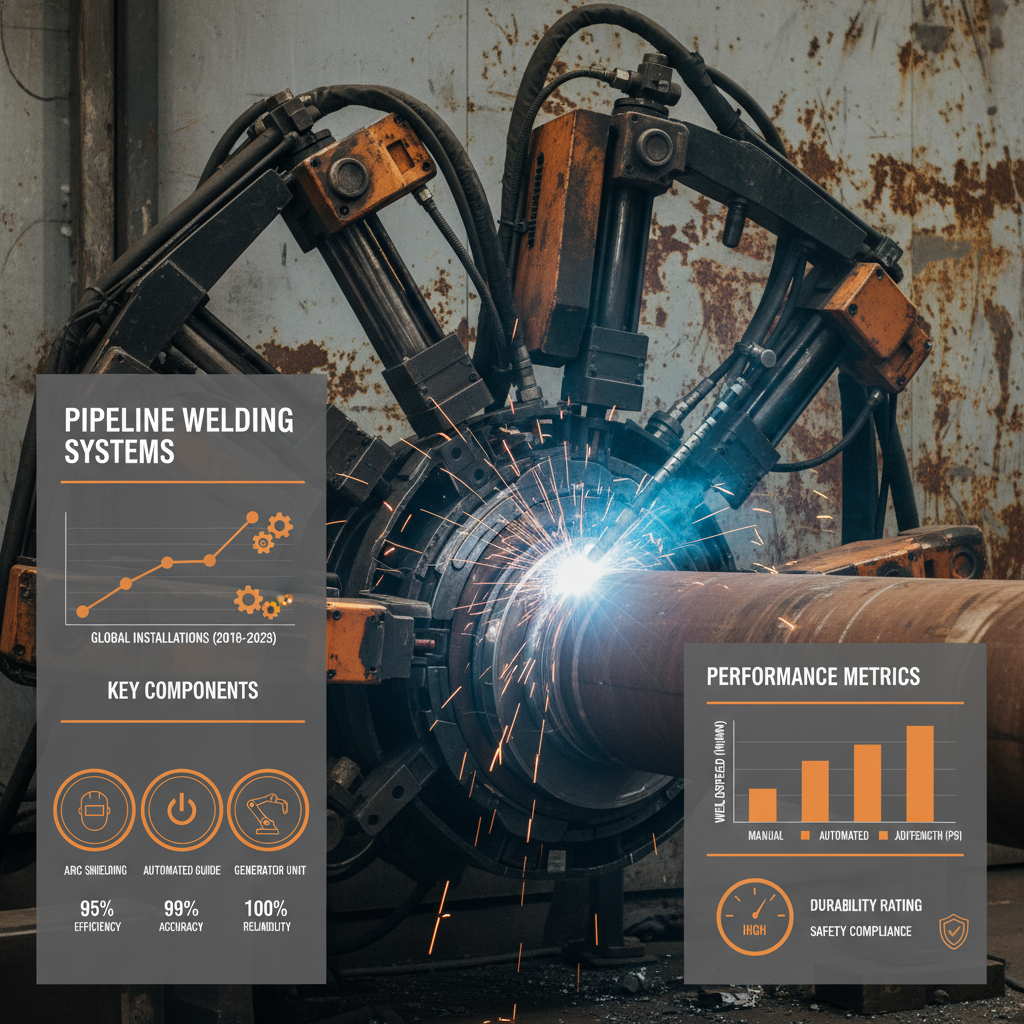
Pipeline welding gear is essential for the safe and efficient construction and maintenance of critical infrastructure worldwide. These systems transport vital resources like oil, gas, water, and chemicals, impacting energy security, economic stability, and public health. Understanding the nuances of this specialized equipment – from the welding machines themselves to the safety apparel and precision tools – is paramount for professionals in this demanding field. Investing in high-quality pipeline welding gear translates directly to reduced downtime, enhanced weld integrity, and improved worker safety.
The global demand for pipeline infrastructure continues to grow, driven by population increases, urbanization, and the need for secure energy sources. This growth necessitates a skilled workforce equipped with reliable and advanced pipeline welding gear. From challenging terrain in remote locations to stringent quality control standards in regulated industries, the right tools are indispensable. Addressing the challenges of corrosion, high-pressure environments, and ever-evolving regulatory requirements relies heavily on continuous innovation in pipeline welding gear technology.
The effective deployment and maintenance of pipeline systems depend fundamentally on the quality and appropriate application of specialized welding equipment. Consequently, a thorough understanding of pipeline welding gear not only ensures operational efficiency but also safeguards the environment and protects communities reliant on these vital transport networks. This makes the selection and proper use of this equipment a crucial component of large-scale infrastructure projects globally.
Introduction to Pipeline Welding Gear
Pipeline welding gear encompasses a broad spectrum of tools and equipment designed for joining metal sections to create leak-proof, structurally sound pipelines. These systems are employed in diverse environments – onshore, offshore, in remote wilderness areas, and within urban centers – each presenting unique challenges. The appropriate gear selection is critical for meeting project specifications and ensuring long-term pipeline integrity.
The importance of investing in robust and reliable pipeline welding gear cannot be overstated. Faulty equipment or inadequate training can lead to weld defects, potentially causing catastrophic failures with devastating environmental and economic consequences. Therefore, prioritizing quality, safety, and adherence to industry standards is essential for all stakeholders involved in pipeline construction and maintenance.
Defining Pipeline Welding Gear
Pipeline welding gear refers to the specialized equipment and tools utilized to fuse metal pipes together, creating a continuous, pressure-tight conduit for transporting fluids or gases. This includes welding machines (SMAW, GTAW, GMAW, SAW), power sources, electrodes, shielding gases, cutting tools, grinding equipment, inspection tools, and personal protective equipment (PPE) specifically designed for welding operations.
The connection between pipeline welding gear and modern industry is profound. The energy sector, petrochemical industry, water management, and infrastructure development all heavily rely on the integrity of welded pipelines. The demand for efficient and sustainable energy transfer, coupled with increasing infrastructure needs, ensures the continued relevance and evolution of this field.
Beyond industrial applications, pipeline welding gear plays a critical role in humanitarian efforts. Deploying potable water pipelines in disaster-stricken areas or establishing temporary fuel lines for emergency responders often depends on the rapid and reliable deployment of portable welding systems. This highlights the gear’s capacity to address both commercial and societal needs.
Core Components of Welding Systems
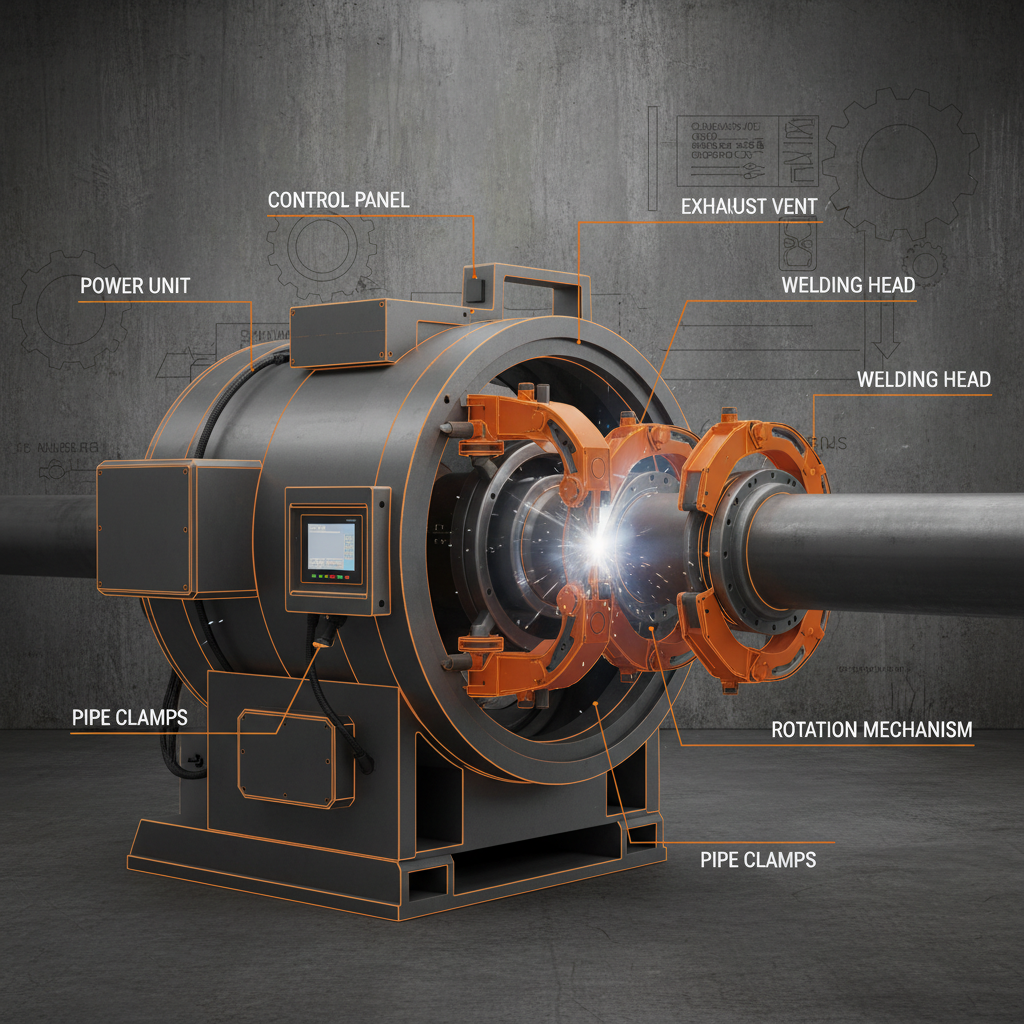
The foundation of any pipeline welding system lies in the welding power source. This component provides the electrical energy necessary to create the welding arc. Different types of power sources—transformer-rectifiers, inverters, and engine-driven generators—offer varying levels of control, portability, and efficiency. Selecting the appropriate power source depends on the welding process, material thickness, and environmental conditions.
Equally critical are the welding accessories, including electrodes, welding wires, shielding gases, and holders. Electrodes serve as the consumable filler metal, while shielding gases protect the weld pool from atmospheric contamination. The quality and compatibility of these accessories significantly impact weld quality and efficiency. Furthermore, the proper grounding and clamping mechanisms are essential for electrical safety and weld consistency.
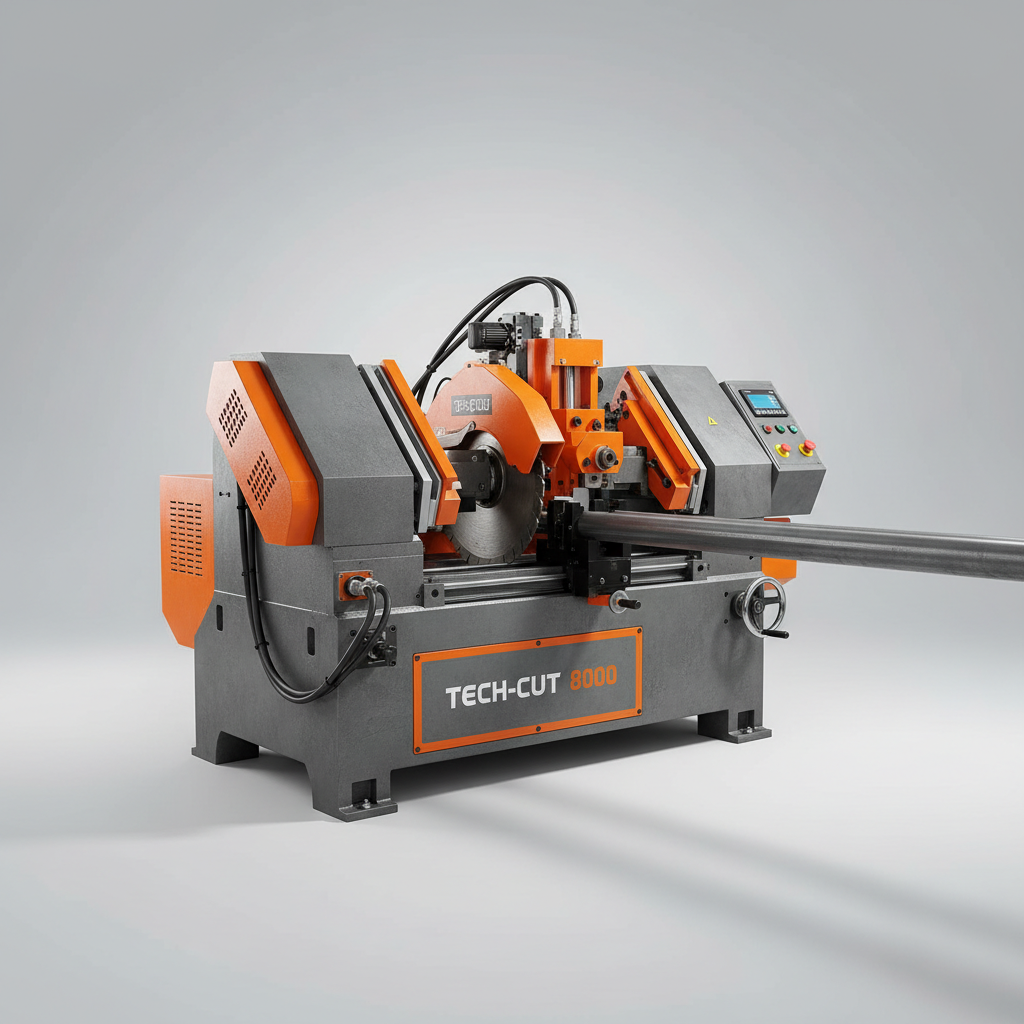
Finally, a complete system includes precision cutting and beveling tools, grinding and finishing equipment, and non-destructive testing (NDT) instruments for weld inspection. These tools ensure accurate preparation of the pipe ends, smooth weld profiles, and identification of any potential defects. Investing in comprehensive systems helps achieve high-quality welds and maintains the integrity of the entire pipeline.
Key Factors Influencing Gear Selection
Durability is paramount when selecting pipeline welding gear, especially for demanding field applications. The equipment must withstand harsh environmental conditions, including extreme temperatures, humidity, and exposure to corrosive elements. Rugged construction, protective coatings, and sealed enclosures are vital for long-term reliability.
Scalability refers to the ability of the welding system to adapt to different pipe sizes and welding positions. Modular designs and adjustable parameters allow welders to tackle diverse project requirements. The capacity to upgrade or expand the system as needs evolve is also a significant consideration.
Welding Gear Performance Comparison
Global Applications and Use Cases
Pipeline welding gear is integral to the construction of cross-country oil and gas pipelines, connecting production sites to refineries and distribution centers. These projects often span vast distances and challenging terrains, requiring specialized equipment capable of operating in remote locations. For instance, the Keystone XL pipeline project demanded sophisticated welding solutions to maintain stringent quality standards across thousands of miles.
In post-disaster relief operations, portable pipeline welding gear is frequently deployed to establish temporary water and fuel lines for affected communities. These quick-deployment systems enable the rapid restoration of essential services, providing critical support to emergency responders and displaced populations. The versatility of modern systems allows for adaptation to varying pipe materials and diameters.
Advantages and Long-Term Value
Investing in high-quality pipeline welding gear translates to significant cost savings over the long term. Reduced downtime, minimized rework, and improved weld integrity all contribute to lower project expenses and increased profitability. Furthermore, reliable equipment enhances worker safety, reducing the risk of accidents and associated costs.
The sustainable design and operation of pipeline systems are increasingly important. Choosing energy-efficient welding equipment and minimizing material waste aligns with environmental goals and contributes to a positive corporate image. The durability of premium gear reduces the need for frequent replacements, further minimizing environmental impact.
Ultimately, the use of advanced pipeline welding gear fosters trust and reliability in critical infrastructure. Stakeholders – including governments, corporations, and the public – benefit from the assurance that pipelines are constructed and maintained to the highest standards, ensuring safe and efficient transportation of essential resources.
Future Trends and Innovations
Automation is poised to revolutionize pipeline welding, with robotic welding systems offering increased speed, precision, and consistency. These systems can operate in hazardous environments and perform repetitive tasks with greater efficiency, reducing labor costs and improving weld quality. Integration with digital twins allows for real-time monitoring and optimization of welding processes.
The development of new materials and welding techniques is also driving innovation. High-strength alloys, corrosion-resistant coatings, and advanced welding processes like laser beam welding are expanding the capabilities of pipeline construction. These advancements enable the creation of more durable, sustainable, and reliable pipeline systems.
Green energy initiatives are creating new demands for pipeline infrastructure to transport hydrogen and carbon dioxide. This necessitates the development of specialized welding gear capable of handling these unique materials and operating under stringent safety regulations. The future of pipeline welding is inextricably linked to the transition towards a more sustainable energy landscape.
FAQS
Prioritize gear with built-in overload protection, insulated handles, and arc fault detection. Ensure compliance with relevant safety standards (e.g., ANSI, IEC). Always use appropriate personal protective equipment (PPE), including welding helmets, gloves, and fire-resistant clothing. Proper grounding and ventilation are also critical safety considerations when utilizing pipeline welding gear.
The welding process selection depends on the pipe material, diameter, wall thickness, and environmental conditions. SMAW (stick welding) is versatile and cost-effective, while GTAW (TIG welding) offers superior precision and weld quality. GMAW (MIG welding) is efficient for thicker materials, and SAW (submerged arc welding) is ideal for high-volume applications. Consider factors such as weld speed, defect rates, and required mechanical properties.
Regularly inspect cables for damage, clean welding nozzles and electrodes, and lubricate moving parts. Check the cooling system for leaks or blockages. Calibrate welding parameters periodically and replace worn-out components promptly. Following the manufacturer’s recommended maintenance schedule will extend the lifespan of your pipeline welding gear.
Non-destructive testing methods, such as radiography, ultrasonic testing, and magnetic particle inspection, are used to identify internal and surface defects in welds without damaging the pipeline. NDT ensures weld integrity and compliance with industry standards. Proper NDT procedures are crucial for preventing catastrophic failures and maintaining pipeline safety.
Portability is particularly important for pipeline projects in remote or challenging locations. Lightweight, compact welding systems reduce transportation costs and enable welders to access difficult-to-reach areas. Engine-driven generators provide power independence, eliminating the need for external power sources. Selecting portable gear can significantly improve project efficiency and reduce downtime.
Robotic welding is becoming increasingly prevalent, offering enhanced precision, repeatability, and safety. Automated guided vehicles (AGVs) transport welding equipment along the pipeline, further streamlining the process. Data analytics and machine learning are being used to optimize welding parameters and predict potential defects. These trends are driving significant improvements in pipeline construction efficiency and weld quality.
Conclusion
In conclusion, pipeline welding gear is not merely a collection of tools; it's a critical component of global infrastructure, economic stability, and public safety. From ensuring the efficient transport of energy resources to providing essential aid in disaster relief, the quality, reliability, and innovation within this field are paramount. Understanding the core components, key factors influencing selection, and future trends allows stakeholders to make informed decisions and prioritize safety and sustainability.
As we move towards a more interconnected and energy-conscious world, continued investment in advanced pipeline welding gear will be essential. Embracing automation, exploring new materials, and prioritizing worker training will unlock further efficiencies and improve the longevity of critical pipeline infrastructure. For reliable and cutting-edge pipeline welding gear solutions, visit our website today.