The precision and efficiency offered by a metal tube cutting machine are increasingly vital across diverse industries. From automotive manufacturing to aerospace engineering and construction, the demand for accurately cut metal tubes is consistently growing. This technology isn't simply about cutting; it’s about enabling complex designs, reducing material waste, and enhancing overall product quality. Understanding the nuances of metal tube cutting machines is crucial for businesses looking to optimize their processes and remain competitive in today's global market.
Globally, the market for metal tube cutting machines is experiencing significant expansion, driven by factors like infrastructure development in emerging economies and a rising demand for lightweight, high-strength materials. According to recent industry reports, the sector is projected to grow at a CAGR of approximately 6-8% over the next five years. This growth underscores the importance of adopting advanced cutting technologies to meet evolving production needs. The availability of varied machine types – from laser cutters to band saws – caters to a wide range of applications and budgets.
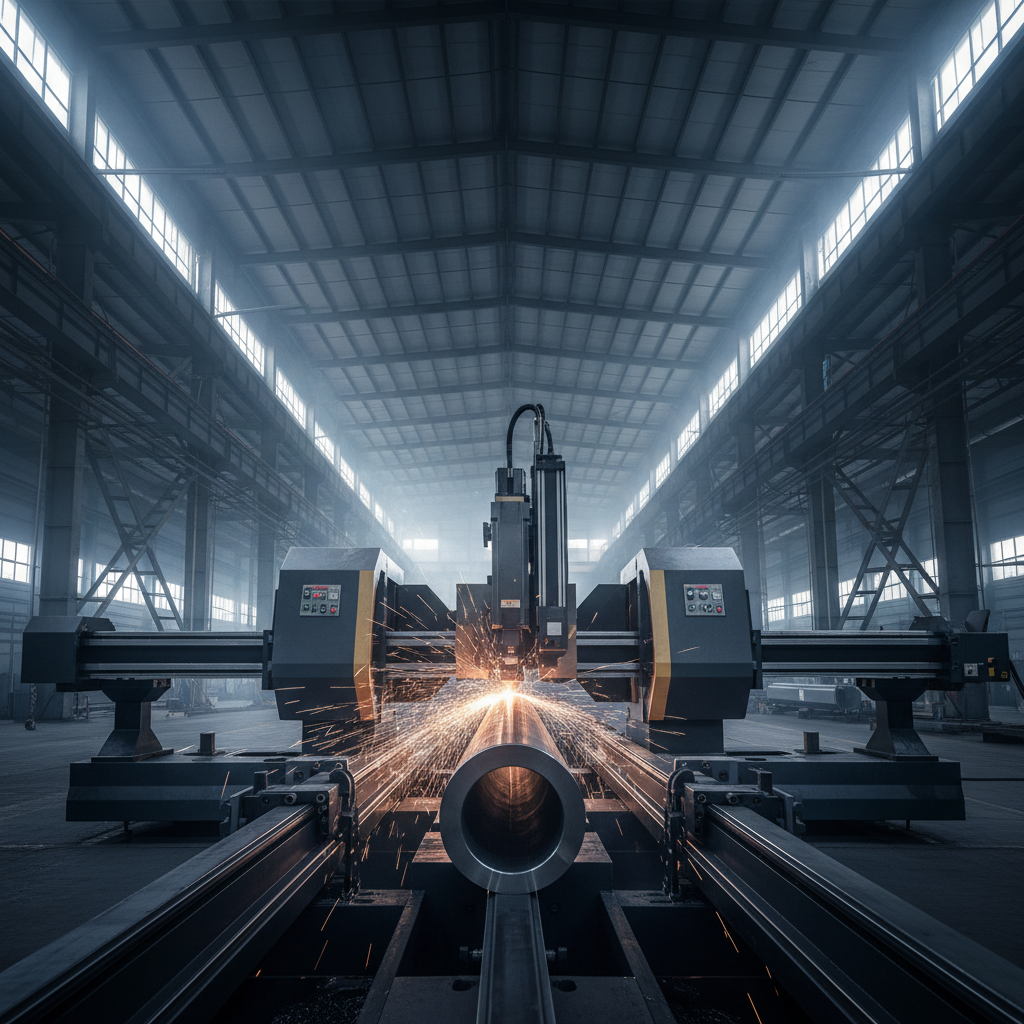
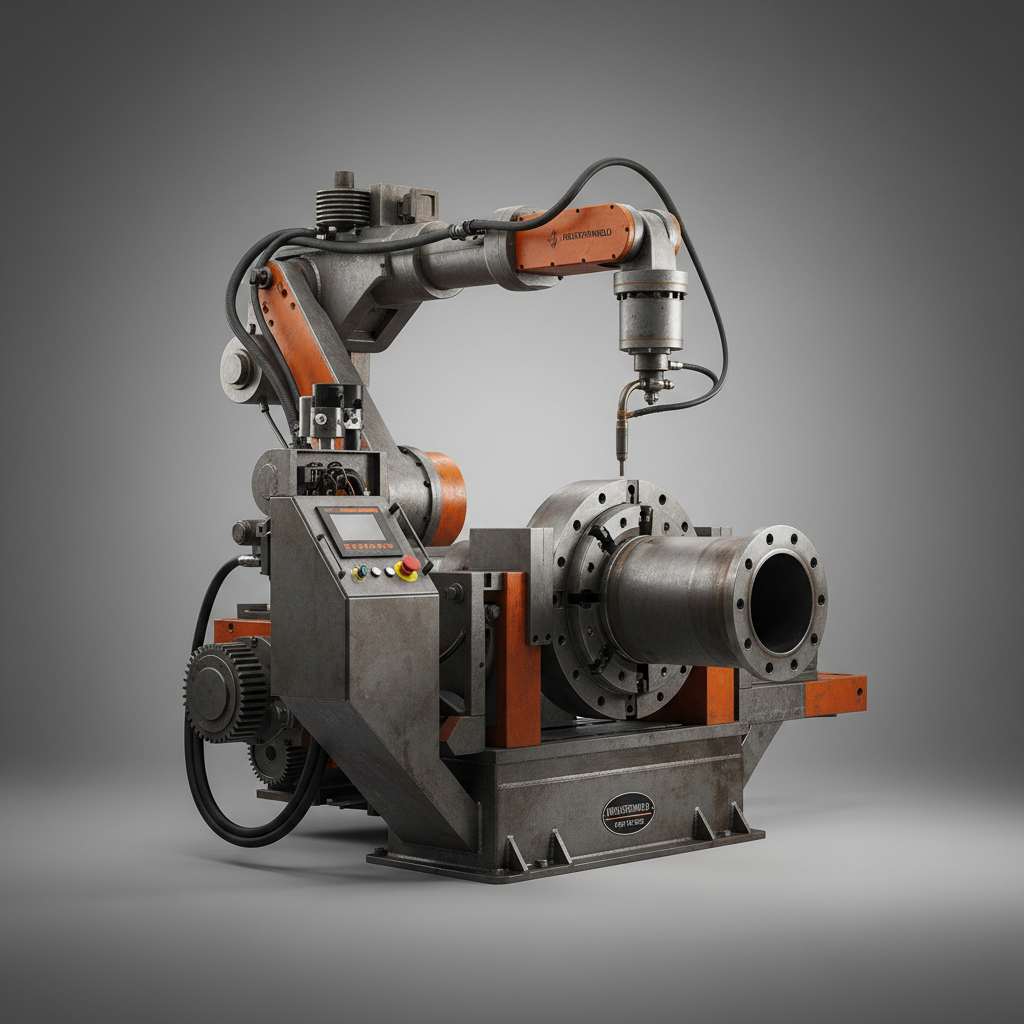
A metal tube cutting machine is a specialized piece of industrial equipment designed for precisely cutting metal tubing to specified lengths and angles. These machines utilize a variety of cutting methods, including sawing, laser cutting, plasma cutting, and abrasive waterjet cutting, each offering different levels of precision, speed, and suitability for various metal types. The modern metal tube cutting machine is far removed from manual processes, contributing significantly to increased productivity and reduced labor costs in numerous manufacturing sectors.
The Significance of Metal Tube Cutting Machine
The importance of a reliable and efficient metal tube cutting machine cannot be overstated in modern manufacturing. Its role extends beyond simply dividing material; it’s a cornerstone of precision engineering and quality control. Industries depend on these machines to consistently deliver components that meet stringent specifications, which directly impacts the performance and reliability of finished products.
Furthermore, a well-chosen metal tube cutting machine contributes significantly to operational efficiency. Reduced material waste, faster processing times, and minimal human intervention translate to lower production costs and increased profitability. The integration of automated features and advanced cutting technologies ensures that businesses can meet demanding production schedules without compromising on quality.
Global Context and Industry Relevance
The demand for metal tube cutting machines is deeply intertwined with global economic trends and industrial growth. The automotive sector, a major consumer of metal tubing, continues to drive innovation and demand for higher-precision cutting technologies. Simultaneously, the construction industry, particularly in rapidly developing nations, relies heavily on these machines for structural components and infrastructure projects.
Moreover, industries like aerospace and medical device manufacturing have extremely rigorous requirements for metal tube precision. These sectors often necessitate advanced cutting methods, such as laser or waterjet cutting, to achieve the tolerances needed for critical components. The globalization of supply chains also amplifies the need for standardized and reliable metal tube cutting processes across different manufacturing locations.
The ISO 9001 standards and other quality certifications often require manufacturers to demonstrate robust cutting processes, directly influencing the adoption of sophisticated metal tube cutting machine technology. The World Bank’s investment in infrastructure projects in emerging economies further stimulates demand for these machines, as they are crucial for building durable and efficient structures.
Defining Metal Tube Cutting Machines
At its core, a metal tube cutting machine is a specialized tool engineered to sever metal tubing into desired lengths, shapes, and angles. Unlike general-purpose metal cutting equipment, these machines are specifically designed to handle the unique challenges associated with tubular materials – maintaining circularity, minimizing deformation, and ensuring clean, burr-free cuts.
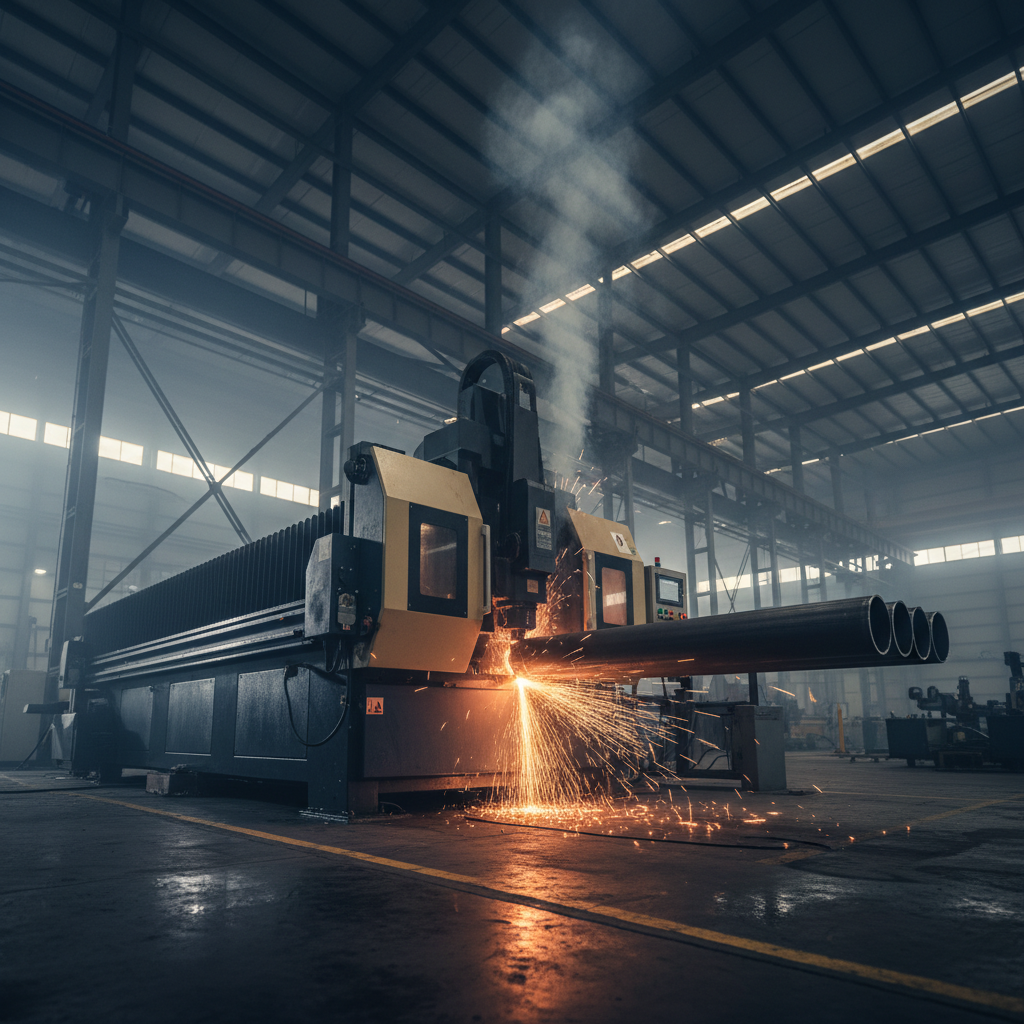
Different types of metal tube cutting machines cater to various needs. Band saws are widely used for their versatility and cost-effectiveness, while laser cutting machines offer unparalleled precision and speed. Plasma cutters are suitable for thicker materials, and abrasive waterjet cutters excel at cutting complex shapes without generating heat-affected zones. The choice of machine depends on factors like material type, cutting precision, production volume, and budget.
The connection to modern industry and humanitarian needs is significant. Precisely cut metal tubing is fundamental to everything from automobile chassis and building frameworks to medical implants and life-saving infrastructure in disaster relief efforts. Efficient and reliable metal tube cutting contributes to safer, more durable, and more innovative products across numerous sectors.
Key Factors and Core Components
Several core components and factors define the performance of a metal tube cutting machine. Firstly, Cutting Precision is paramount, dictating the accuracy of the cuts and the quality of the finished product. This is often determined by the cutting method used (laser, plasma, etc.) and the machine’s control system. Secondly, Material Compatibility is crucial; different machines are suited to different metal types and thicknesses.
Automation Level plays a significant role in efficiency. Machines with automatic loading, unloading, and cutting cycle capabilities reduce labor costs and increase throughput. Durability and Reliability are also critical, as industrial machines must withstand continuous operation and harsh environments. Finally, Safety Features—like guards, emergency stops, and interlocks—are non-negotiable for protecting operators.
Metal Tube Cutting Machine Performance Metrics
Global Applications and Use Cases
The applications of a metal tube cutting machine are incredibly diverse. In the automotive industry, they are used to manufacture exhaust systems, chassis components, and structural elements. The aerospace sector utilizes them for creating lightweight and high-strength components for aircraft. Construction relies on these machines for structural supports, handrails, and scaffolding.
In remote industrial zones, portable and robust metal tube cutting machines are indispensable for on-site fabrication and repair work. Furthermore, they play a crucial role in the fabrication of medical devices, from surgical instruments to prosthetic limbs. In post-disaster relief operations, portable cutting machines enable the rapid construction of temporary shelters and infrastructure.
Advantages and Long-Term Value
Investing in a quality metal tube cutting machine offers substantial long-term benefits. Reduced material waste directly translates to cost savings, while increased cutting speed and automation lead to higher productivity. The enhanced precision of these machines improves product quality and reduces the risk of defects.
Beyond the tangible economic advantages, there’s a significant impact on safety. Automated machines minimize the need for manual handling of sharp metal edges, reducing the risk of workplace injuries. Furthermore, the reliability of these machines builds trust with customers and strengthens a company’s reputation for delivering high-quality products consistently.
Future Trends and Innovations
The future of metal tube cutting machine technology is poised for significant advancements. The integration of artificial intelligence (AI) and machine learning will enable machines to optimize cutting parameters in real-time, improving efficiency and reducing waste. The development of more sustainable cutting fluids and processes aligns with the growing emphasis on environmental responsibility.
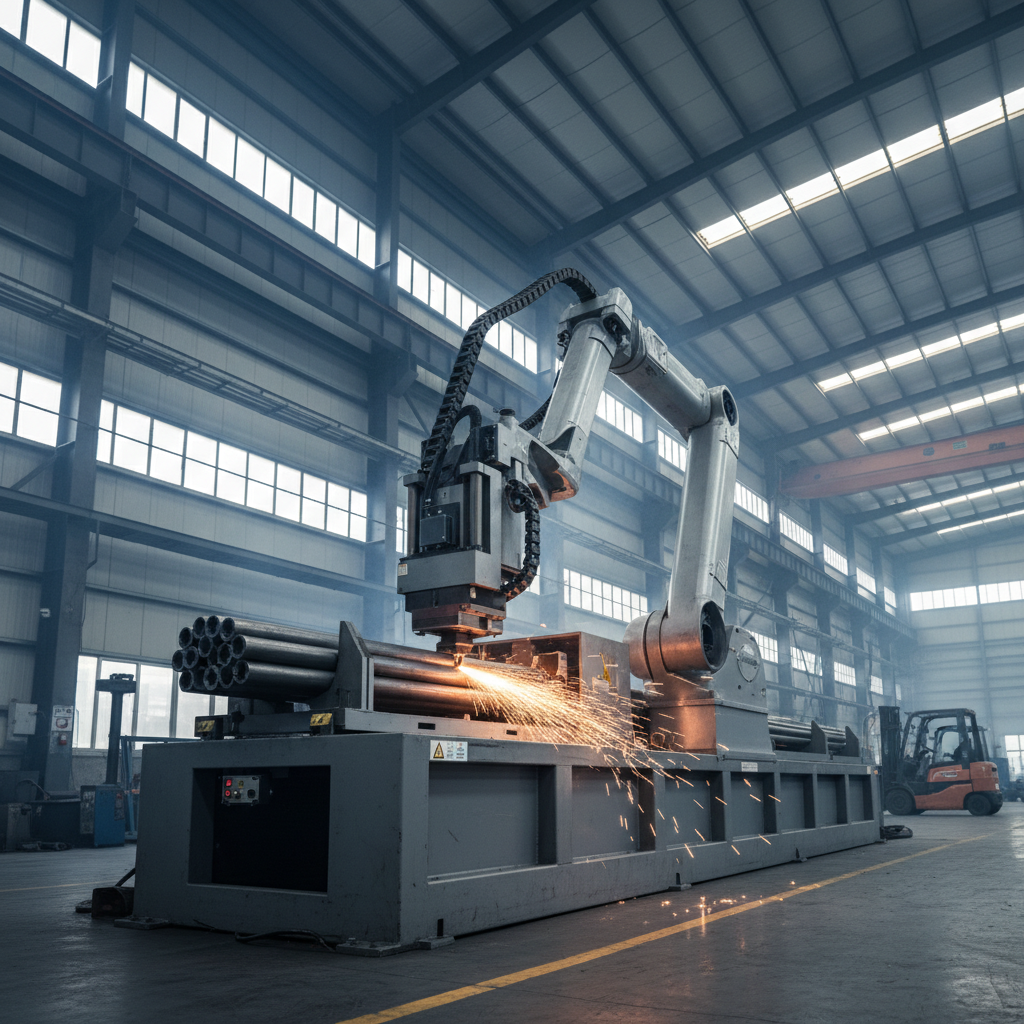
We’re also seeing a trend towards increased automation and robotics, with machines capable of handling complex cutting tasks with minimal human intervention. Digital twin technology, where a virtual replica of the machine is used for simulation and optimization, will become increasingly prevalent. These innovations will not only improve performance but also enhance the overall sustainability and cost-effectiveness of metal tube cutting operations.
The pursuit of green energy solutions is driving demand for lighter and more durable metal tubing, creating a need for advanced cutting technologies capable of handling these materials efficiently. Simultaneously, the ongoing digital transformation of manufacturing is emphasizing the importance of data analytics and connectivity, leading to the development of “smart” metal tube cutting machines that can provide valuable insights into production processes.
FAQS
Laser cutting offers superior precision and a cleaner cut, making it ideal for intricate designs and thinner materials. Plasma cutting is generally faster and more cost-effective for thicker metals, but the cut quality isn’t as refined. Laser cutters are best for stainless steel and aluminum, while plasma cutters handle steel effectively. Choosing the right one depends on your specific material, thickness, and precision needs.
Optimizing nesting layouts, utilizing software that efficiently arranges parts to minimize scrap, and carefully selecting cutting parameters are crucial. Regularly calibrating the machine to ensure accurate cuts is also vital. Consider using remnant materials for smaller components or recycling scrap metal whenever possible. Automated feed systems can also reduce waste by precisely controlling material flow.
Regular maintenance is essential for maximizing the lifespan and performance of your machine. This includes cleaning cutting surfaces, lubricating moving parts, inspecting and replacing worn components (like blades or nozzles), and calibrating the machine regularly. Following the manufacturer’s recommended maintenance schedule is crucial, as is proper training for operators.
Always wear appropriate personal protective equipment (PPE), including safety glasses, gloves, and hearing protection. Ensure all safety guards are in place and functioning correctly. Never operate the machine without proper training. Be aware of potential hazards like flying debris, sharp edges, and hot materials. Regularly inspect the machine for any safety concerns.
The lifespan of a metal tube cutting machine varies depending on the quality of the machine, the frequency of use, and the level of maintenance. A well-maintained machine can typically last 10-15 years or even longer. Investing in a reputable brand and following the manufacturer’s recommendations are key to maximizing its lifespan and ensuring reliable performance.
Automation significantly increases efficiency by reducing labor costs, minimizing errors, and increasing production speed. Automated loading and unloading systems, combined with programmed cutting cycles, allow for continuous operation with minimal human intervention. This results in higher throughput, reduced waste, and improved consistency in cut quality.
Conclusion
In conclusion, the metal tube cutting machine is a cornerstone of modern manufacturing, providing the precision, efficiency, and reliability needed to meet the demands of diverse industries. From automotive and aerospace to construction and medical device manufacturing, these machines play a crucial role in creating high-quality products and driving innovation. Understanding the different types of machines, their core components, and emerging trends is essential for businesses seeking to optimize their operations.
Looking ahead, the integration of AI, automation, and sustainable practices will continue to shape the future of metal tube cutting technology. By embracing these advancements, companies can further enhance their competitiveness, reduce their environmental impact, and unlock new opportunities for growth. Visit our website at www.xhequipment.com to explore our range of cutting-edge metal tube cutting solutions.