

High-Speed Belling Machine: Automated Pipe End Forming Solutions
Understanding the Modern Belling Machine in Pipe Manufacturing
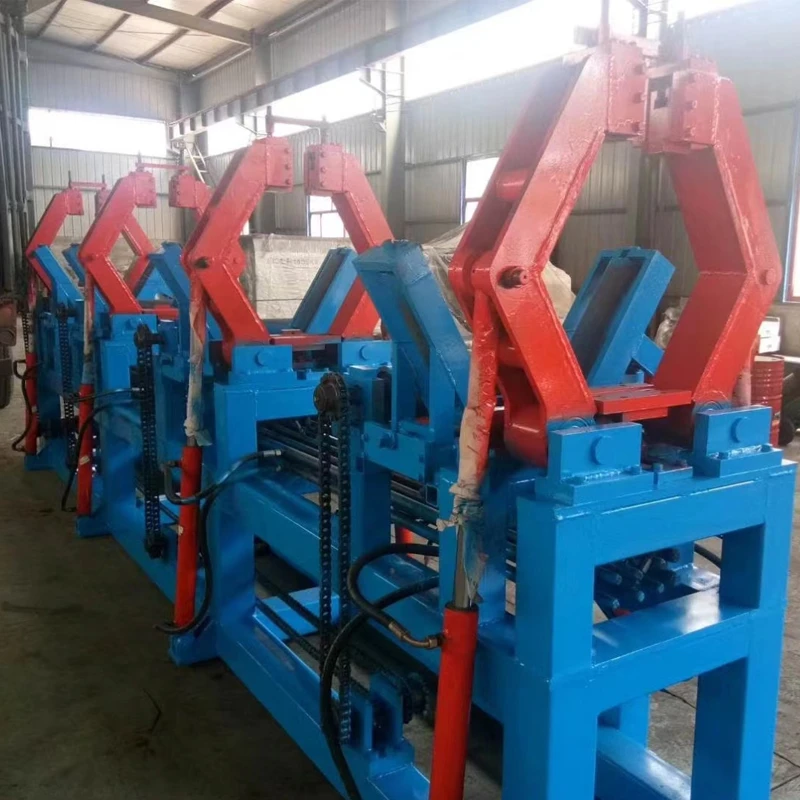
In the intricate world of pipe manufacturing, precision and efficiency are paramount. A crucial component in creating robust and leak-proof pipe systems is the belling process, which forms an enlarged end (bell) on a pipe to facilitate connection with another pipe's spigot end. The belling machine stands as a cornerstone in this operation, designed for the precise forming of pipe ends for various materials including PVC, PE, PP, and others. These sophisticated machines are engineered to deliver consistent quality, high throughput, and adaptability to diverse pipe specifications, making them indispensable across numerous industrial sectors.
This article delves into the technical aspects, applications, and strategic advantages of advanced belling equipment, providing an invaluable resource for B2B decision-makers and engineering professionals seeking to optimize their pipe production capabilities.
Process Flow of a High-Precision Belling Machine
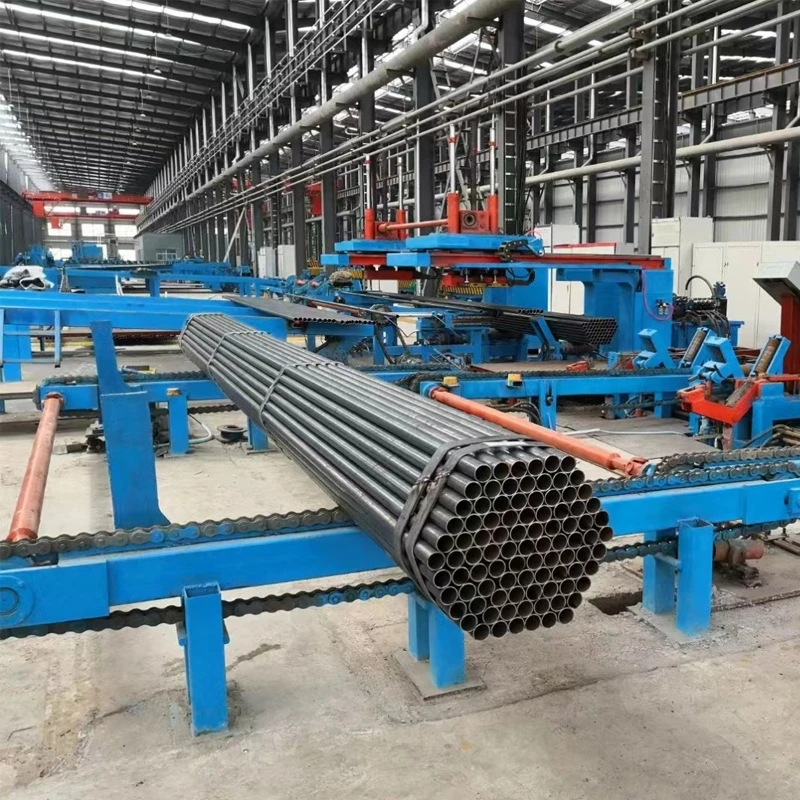
The operation of a modern belling machine involves a meticulously controlled sequence of steps to ensure accurate and durable pipe end formation. This process is critical for producing pipes used in demanding environments where joint integrity is non-negotiable, such as in petrochemical, metallurgy, and water supply & drainage industries. The typical manufacturing process involves:
1. Pipe Loading & Clamping
Raw pipe sections, often made from high-grade PVC, PE, or PP, are automatically or manually loaded onto the machine. Precision clamping mechanisms secure the pipe, ensuring stability throughout the belling process. Materials are typically chosen for their chemical resistance and mechanical strength, such as impact-modified PVC compounds or high-density polyethylene.
2. Heating & Softening
The end of the pipe is precisely heated using advanced infrared or hot air systems. This controlled heating softens the material to its optimal forming temperature without degradation. Temperature uniformity is verified by embedded sensors, ensuring consistent material malleability for subsequent steps.
3. Belling/Flaring
A precisely engineered belling mold or segmented die is advanced into the softened pipe end. Hydraulic or pneumatic systems ensure smooth and consistent expansion, forming the bell shape according to specific industry standards (e.g., ISO 4422, ANSI B16.5 for dimensions and tolerances). The process utilizes high-precision CNC machining for mold creation, ensuring exceptional dimensional accuracy and surface finish.
4. Cooling & Shaping Retention
After belling, the pipe end is rapidly cooled, typically using forced air or water circulation, to set the expanded shape. This step is crucial for maintaining the dimensional stability and structural integrity of the bell. Controlled cooling prevents warping and ensures the bell retains its form for its projected service life of 50+ years.
5. Ejection & Quality Control
The finished pipe is then automatically ejected. Each pipe undergoes stringent quality control, including dimensional checks (diameter, depth, concentricity) and visual inspection for surface defects. Advanced machines integrate in-line metrology systems for real-time data feedback, ensuring product adherence to ISO 9001 and CE standards. Advantages include energy saving through optimized heating cycles and enhanced corrosion resistance due to the integrity of the formed joint.
Industry Trends & Market Dynamics
The market for pipe manufacturing equipment, including the belling machine, is undergoing significant transformation driven by several key trends:
- Automation and Industry 4.0 Integration: There's a growing demand for fully automated belling lines integrated with IoT sensors, predictive maintenance capabilities, and remote monitoring. This enhances operational efficiency, reduces labor costs, and minimizes downtime.
- Sustainability and Energy Efficiency: Manufacturers are increasingly prioritizing machines with reduced energy consumption, optimized heating elements, and lower material waste. Innovations in cooling systems and energy recovery are becoming standard.
- Versatility and Multi-Material Capability: Modern belling machines are designed to handle a wider range of pipe diameters and materials, from standard PVC to advanced composites. This adaptability is crucial for manufacturers serving diverse markets. Similarly, related equipment like the purlin machine, shutter machine, and erw pipe machine are also seeing advancements in automation and material versatility to meet evolving market needs.
- Enhanced Precision and Quality Control: Stricter industry regulations and client expectations for pipe integrity are driving the integration of more sophisticated inspection systems, including vision systems and laser metrology, ensuring every bell meets exact specifications.
- Modularity and Customization: While standard models exist, the ability to customize belling machines with specific tooling, pipe handling systems, and integration options for existing production lines is a significant market differentiator.
These trends underscore a shift towards smarter, more sustainable, and highly adaptable manufacturing solutions in the pipe industry.
Technical Specifications and Parameters
Choosing the right belling machine requires a deep understanding of its technical capabilities. Below is a representative table outlining key specifications:
Typical Belling Machine Product Specifications
| Parameter | Specification Range | Notes |
|---|---|---|
| Pipe Diameter Range | DN 50mm - DN 630mm (2" - 24") | Configurable for larger/smaller diameters |
| Pipe Wall Thickness | 2mm - 40mm | Dependent on material and diameter |
| Belling Method | Solvent Cement Bell (O-Ring Optional), Rubber Ring Bell, U-Type, R-Type | Tooling specific; quick-change mold systems |
| Heating System | Infrared (IR) or Hot Air Convection | Precise temperature control, energy-efficient |
| Control System | PLC with HMI Touchscreen | User-friendly interface, recipe management |
| Cycle Time | 30-120 seconds per pipe (variable) | Optimized for throughput |
| Power Consumption | 15kW - 60kW | Configurable based on pipe size and speed |
| Compliance | CE, ISO 9001, relevant pipe standards (e.g., ASTM, DIN, EN) | Ensures global market access and quality |
These parameters highlight the sophisticated engineering behind modern belling solutions, ensuring optimal performance for specific production requirements.
Application Scenarios
The versatility of a well-engineered belling machine makes it indispensable across a spectrum of industries:
- Water Supply & Drainage Systems: Producing PVC and PE pipes for municipal water distribution, wastewater collection, and irrigation. The precise belling ensures leak-proof joints critical for public health and infrastructure longevity.
- Construction & Civil Engineering: Manufacturing pipes for conduit systems, stormwater management, and structural applications. The reliability of bell-and-spigot joints simplifies installation and reduces project timelines.
- Industrial Process Piping: For chemical processing, material transport, and ventilation systems where corrosive environments or specific fluid dynamics necessitate robust, sealed connections.
- Telecommunications & Electrical Conduits: Protecting fiber optic cables and electrical wiring with durable, easily connectable pipes that prevent ingress of moisture and contaminants.
- Mining & Agriculture: Providing large-diameter pipes for slurry transport, dewatering, and vast irrigation networks, often requiring pipes with high stress resistance and long service life.
These applications underscore the critical role of belling technology in enabling efficient and reliable fluid and material transport systems globally.
Technical Advantages and Performance
Modern belling machine technology offers significant competitive advantages:
- Precision and Repeatability: Advanced PLC control and servo-driven mechanisms ensure exact replication of bell dimensions, critical for consistent joint quality across large production runs. Deviation often kept below 0.1mm.
- Enhanced Pipe Integrity: Optimized heating and cooling cycles minimize material stress, preventing micro-cracks and ensuring the bell retains the inherent strength and corrosion resistance of the parent pipe.
- Energy Efficiency: Innovative IR heating elements and intelligent temperature management systems reduce power consumption by up to 20-30% compared to older models, contributing to lower operational costs and a smaller carbon footprint.
- Reduced Waste: Precise control over the belling process minimizes material scrap, leading to higher yield rates and better resource utilization.
- Operational Safety: Integrated safety interlocks, emergency stops, and fully enclosed operating areas meet stringent international safety standards (e.g., CE, OSHA), protecting personnel.
- Ease of Maintenance and Longevity: Robust construction with high-quality components, coupled with accessible design for maintenance, contributes to a service life often exceeding 15 years with proper care.
Vendor Comparison: Key Differentiators
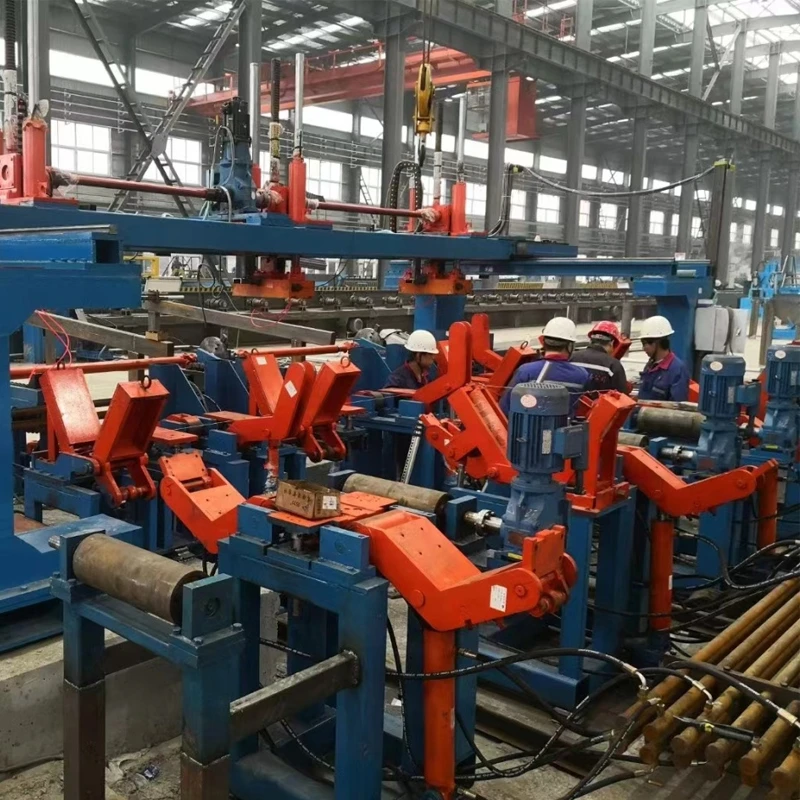
Selecting a supplier for a belling machine involves evaluating not just the machinery but also the vendor's expertise, support, and long-term value. Here's a comparative overview of typical vendor offerings:
Belling Machine Vendor Comparison
| Feature | Vendor A (Specialized Manufacturer) | Vendor B (General Equipment Supplier) |
|---|---|---|
| Technology & Innovation | Leading-edge R&D, proprietary control systems, patented heating tech. | Standardized, off-the-shelf components, established designs. |
| Customization Capability | High; extensive engineering team for bespoke solutions. | Limited; minor modifications to existing models. |
| After-Sales Support | Global service network, 24/7 remote diagnostics, dedicated engineers. | Regional support, standard business hours, third-party technicians. |
| Certifications & Compliance | CE, ISO 9001, TÜV, UL recognized components. | Basic CE, local market certifications. |
| Price Point | Higher initial investment, lower TCO due to efficiency/longevity. | Lower initial investment, potentially higher long-term operational costs. |
| Industry Experience | 20+ years specializing in pipe finishing machinery. | 10-15 years, broad portfolio across various machinery types. |
This comparison highlights the importance of aligning vendor capabilities with specific production demands and long-term strategic goals.
Customized Solutions
Recognizing that no two manufacturing lines are identical, leading suppliers offer extensive customization options for their belling machines. This can include:
- Tailored Tooling and Molds: Design and fabrication of specific belling dies to accommodate non-standard pipe diameters, wall thicknesses, or unique bell profiles (e.g., custom O-ring grooves).
- Integrated Automation: Seamless integration with existing extrusion lines, automatic pipe stacking, bundling, and packaging systems to create fully automated production cells.
- Material-Specific Optimization: Calibration of heating and cooling profiles, as well as belling forces, to perfectly suit specialized pipe materials like reinforced plastics or multi-layer pipes.
- Environmental Adaptations: Machines can be engineered to operate optimally in challenging environments, such as high-temperature workshops or facilities requiring explosion-proof components (ATEX compliant).
- Data Connectivity and MES Integration: Custom OPC UA or Modbus TCP/IP interfaces for seamless data exchange with Manufacturing Execution Systems (MES) and enterprise-level ERP platforms, facilitating real-time performance monitoring and data analysis.
These customized solutions ensure that the belling equipment precisely meets operational requirements, maximizes ROI, and contributes to overall line efficiency.
Application Case Studies
Real-world implementations demonstrate the tangible benefits of advanced belling technology.
Case Study 1: Large-Scale Municipal Water Project
A major pipe manufacturer needed to produce over 500 km of DN 400mm PVC pipes for a new city-wide water distribution network. Traditional belling methods resulted in inconsistent bell dimensions and frequent material stress, leading to a 5% rejection rate. Implementing a new, fully automated belling machine with precise IR heating and a servo-controlled belling mechanism reduced the rejection rate to less than 0.5%. The machine's capability to process 60 pipes per hour significantly accelerated production, enabling the manufacturer to meet tight deadlines and secure future contracts. Customer feedback highlighted the enhanced joint integrity and ease of installation in the field due to consistent pipe end quality.
Case Study 2: Specialized Industrial Ventilation System
An industrial client required polypropylene (PP) pipes with a unique, custom-designed bell profile for a chemical fume extraction system. The material's specific thermal properties demanded a highly controlled heating and cooling regime. A customized belling machine was engineered with specialized tooling and a multi-zone heating system, programmed to exact material specifications. The machine successfully produced bell ends with a 99.8% dimensional accuracy, crucial for maintaining negative pressure and preventing leakage of corrosive fumes. This specialized solution allowed the client to deploy a safer, more durable ventilation system with minimal downtime for joint assembly.
Trustworthiness & Support
Frequently Asked Questions (FAQ)
Q: What materials can your belling machine process?
A: Our machines are primarily designed for PVC, PE, and PP pipes, but with specialized tooling and process adjustments, they can handle other thermoplastic materials. Please contact us with your specific material requirements.
Q: How long does installation and commissioning take?
A: Standard installations for a single belling machine typically take 3-5 days. For complex integrated lines, it can range from 1 to 2 weeks, including testing and operator training.
Q: Can your machines integrate with my existing extrusion line?
A: Yes, our belling machines are designed for seamless integration. We offer custom interfaces and control synchronization solutions to ensure compatibility with your current production setup.
Lead Time and Fulfillment
Standard models typically have a lead time of 8-12 weeks from order confirmation to shipment. Customized solutions may require 12-16 weeks, depending on the complexity of engineering and component sourcing. We maintain a transparent communication channel throughout the production process, providing regular updates on manufacturing milestones.
Warranty Commitments
All our belling machines come with a comprehensive 12-month warranty on parts and labor, effective from the date of commissioning. Extended warranty options and service contracts are available to provide long-term peace of mind and minimize unexpected operational costs.
Customer Support Information
Our dedicated technical support team is available 24/7 to address any operational queries or technical issues. We offer multi-channel support including phone, email, and remote diagnostics via secure VPN connections. On-site technical assistance can be dispatched globally as required, ensuring minimal disruption to your production schedule. Our engineers possess decades of experience and are certified to handle complex troubleshooting and optimization tasks.
Conclusion
The advanced belling machine is more than just a piece of equipment; it is a strategic asset for pipe manufacturers aiming for superior product quality, operational efficiency, and long-term sustainability. By embracing cutting-edge technology, comprehensive customization, and robust support, businesses can ensure their pipe products meet the highest industry standards and excel in competitive global markets. Investing in the right belling technology is a testament to a commitment to excellence in infrastructure and industrial development.
References
- ISO. (n.d.). ISO 4422: Plastics pipes and fittings for water supply — Polyvinyl chloride (PVC-U) pipes — Specifications. Retrieved from ISO.org
- ASTM International. (n.d.). ASTM D2241: Standard Specification for Poly(Vinyl Chloride) (PVC) Pressure-Rated Pipe (SDR Series). Retrieved from ASTM.org
- Plastics Pipe Institute (PPI). (n.d.). Handbook of Polyethylene Pipe. Retrieved from plasticpipe.org
- Plastics Technology. (2023). Trends in Pipe Extrusion Technology. Retrieved from plasticstechnology.com
- European Committee for Standardization (CEN). (n.d.). EN 1452: Plastics piping systems for water supply and for buried and laid drainage and sewerage under pressure - Unplasticized poly(vinyl chloride) (PVC-U). Retrieved from CEN.eu
-
Comprehensive Guide to hdpe Making Machines: Global Impact, Features & TrendsNewsDec.02,2025
-
Comprehensive Guide to Garden Pipe Manufacturing Machine – Features, Benefits, and TrendsNewsDec.02,2025
-
Comprehensive Guide to Garden Pipe Making Machines: Features, Trends & BenefitsNewsDec.02,2025
-
Comprehensive Guide to Galvanized Pipe Making Machine – Durability & Innovation in Steel PipesNewsDec.02,2025
-
What Is an Extrusion Pipe Machine? Global Importance, Applications & BenefitsNewsDec.02,2025
-
Comprehensive Guide to ERW Tube Mill Machine: Global Insights and Industry ApplicationsNewsDec.02,2025
