

Precision Belling Machine: High-Speed Pipe End Forming
Introduction to Belling Machines & Industry Trends
The modern manufacturing landscape, particularly in the pipe and tube sector, demands precision, efficiency, and robust equipment. At the heart of advanced pipe production lies the belling machine, a critical piece of machinery engineered to form the socket or bell-end of pipes. This process is essential for creating secure, leak-proof connections in various piping systems.
Industry trends indicate a significant shift towards fully automated and integrated solutions to meet escalating global infrastructure demands. As urban development, water supply, and energy distribution networks expand, the need for high-quality, durable pipes with reliable joints intensifies. Manufacturers are increasingly seeking machines that offer not only high output but also superior dimensional accuracy and material integrity.
Beyond the core functionality, the industry is witnessing an integration of smart technologies, including IoT for predictive maintenance and real-time process monitoring. This drives demand for equipment that can seamlessly integrate into broader production lines, alongside complementary machines such as sophisticated purlin machine for structural components, advanced shutter machine for construction applications, and high-performance erw pipe machine for welded pipe production. The focus remains on enhancing operational efficiency, reducing material waste, and ensuring compliance with stringent international quality standards.
Understanding the Belling Machine Manufacturing Process
The fabrication of a high-performance belling machine involves a meticulously controlled multi-stage manufacturing process, ensuring precision, durability, and operational reliability. Each step is critical, from raw material selection to final assembly and rigorous testing.
Process Flow Overview:
-
Material Selection & Preparation:
High-grade structural steel (e.g., Q345B, S355JR) and wear-resistant alloys are chosen for the machine's frame and critical components, respectively. These materials are selected for their superior tensile strength, fatigue resistance, and durability. Raw materials undergo initial inspection for defects and are cut to precise dimensions.
-
Core Component Manufacturing:
- Casting: For complex, large components like the main housing or specific molds, casting processes are employed. This ensures structural integrity and optimal material distribution for heavy-duty operations.
- Forging: High-stress components, such as shafts and specific tooling parts, are often forged. This process enhances grain structure, improving strength and resistance to cyclic loading, crucial for the long service life of a belling machine.
- CNC Machining: Precision machining is fundamental. CNC (Computer Numerical Control) machines are utilized for milling, turning, and drilling to achieve micron-level tolerances on all critical parts, including hydraulic cylinders, clamping mechanisms, and pipe support systems. This ensures perfect alignment and smooth operation.
-
Surface Treatment & Finishing:
Components undergo various surface treatments, including sandblasting, anti-corrosion priming, and industrial-grade painting. For moving parts, heat treatments (e.g., induction hardening) and specialized coatings (e.g., chrome plating) are applied to enhance wear resistance and improve corrosion resistance, extending the machine's service life, particularly in demanding environments like petrochemical or water treatment plants.
-
Assembly & Integration:
Skilled technicians assemble the mechanical, hydraulic, and electrical subsystems. This includes installing the control panel, hydraulic power unit, heating elements, and pipe clamping mechanisms. Proper calibration of sensors and actuators is performed to ensure seamless integration and accurate operation.
-
Testing & Quality Assurance:
Every belling machine undergoes a series of stringent tests, adhering to international standards such as ISO 9001 for quality management and ANSI standards for mechanical integrity. This includes load testing, operational cycle testing, hydraulic pressure testing, electrical safety checks, and dimensional accuracy verification of bell-formed pipes. These tests simulate real-world conditions to guarantee performance, safety, and reliability for target industries like petrochemical, metallurgy, and water supply & drainage. The typical service life for well-maintained machines can exceed 15-20 years, offering significant long-term energy saving and reduced operational costs through efficient operation and minimal downtime.
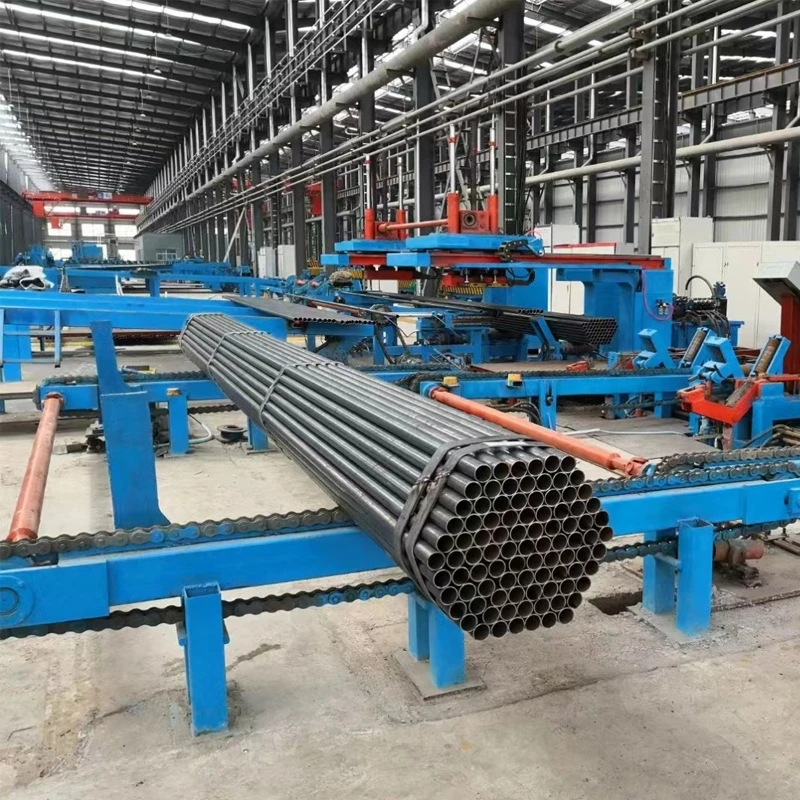
Figure 1: Automated pipe feeding into a belling machine for processing.
Technical Specifications and Performance Parameters
Modern belling machine models are engineered to deliver superior performance and precision. Understanding their key technical specifications is crucial for matching equipment to specific production needs. Below is a representative table of parameters for a high-performance belling machine, showcasing its capabilities and operational scope.
Typical Belling Machine Specifications:
| Parameter | Value/Range | Unit/Description |
|---|---|---|
| Pipe Diameter Range | 50 - 630 | mm |
| Wall Thickness Range | 2.0 - 30.0 | mm |
| Cycle Time (per pipe) | 40 - 90 | seconds (depends on pipe size/material) |
| Heating Method | Infrared (IR) / Ceramic Heaters | Uniform, precise heating |
| Heating Power | 15 - 45 | kW |
| Belling Length | 100 - 300 | mm |
| Belling Type | Rubber Ring Socket (RRS) / Solvent Cement Socket (SCS) | Configurable |
| Control System | PLC (Siemens/Allen-Bradley) + HMI Touch Screen | Intuitive operation, data logging |
| Cooling Method | Forced Air / Water Spray | Rapid, uniform cooling for shape retention |
| Compressed Air Requirement | 0.6 - 0.8 | MPa |
| Max. Machine Length | 4000 - 8000 | mm (depends on pipe length) |
These parameters ensure that the belling machine can handle a wide range of plastic pipes (PVC, PE, PP, CPVC) with high precision and efficiency, meeting the demands of various industrial applications.
Application Scenarios and Target Industries
The versatility and precision of the belling machine make it indispensable across a multitude of heavy industries where reliable pipe connections are paramount. Its capacity to produce various bell types, including rubber ring sockets (RRS) and solvent cement sockets (SCS), ensures adaptability to diverse system requirements.
Target Industries:
- Water Supply & Drainage: Critical for municipal and agricultural water networks. Bell-ended pipes facilitate rapid, leak-proof installations for potable water distribution, sewage collection, and irrigation systems. The corrosion resistance of the processed plastic pipes ensures long-term integrity in underground applications.
- Petrochemical Industry: Used in the production of pipes for transporting various chemicals, gases, and crude oil derivatives. The precision of the belling process is vital for preventing leaks in high-pressure and corrosive environments, demonstrating significant energy saving through efficient fluid transport.
- Metallurgy and Mining: In applications requiring robust piping for slurry transport or chemical processing, especially where traditional metal pipes are prone to corrosion or wear. The durable bell joints ensure system reliability under harsh operational conditions.
- Construction Sector: For plumbing, HVAC, and electrical conduit systems. The efficiency of a belling machine in forming uniform sockets accelerates installation times and reduces labor costs on large-scale projects, complementing other essential equipment like the purlin machine and shutter machine.
- Telecommunications & Data Networks: Producing conduit pipes for fiber optic cables and electrical wiring, requiring smooth, secure connections to protect sensitive infrastructure.
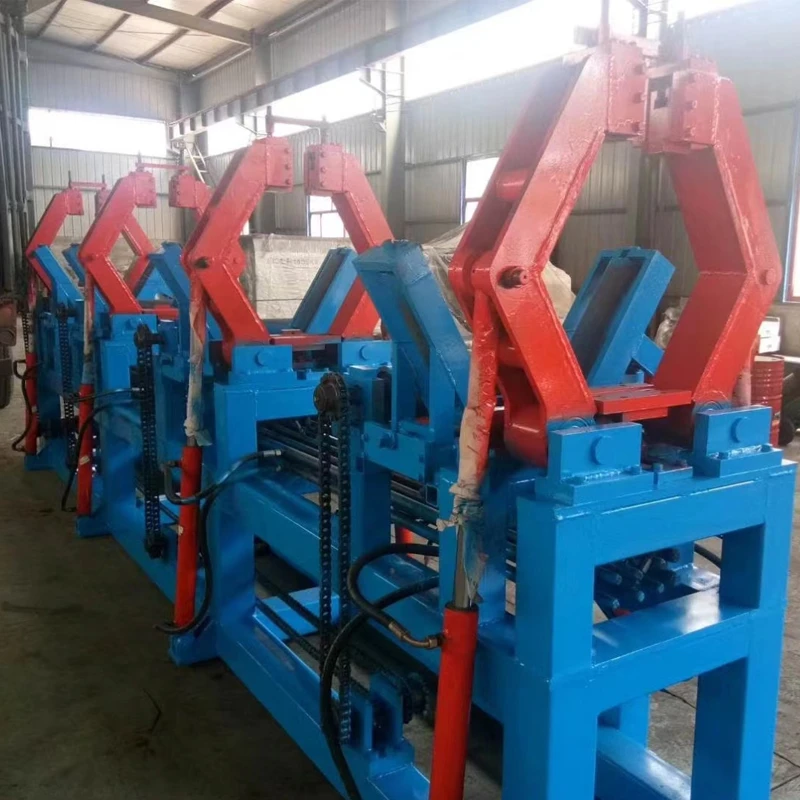
Figure 2: Bell-ended pipes ready for various industrial applications.
In each scenario, the advantages of a modern belling machine are clear: unparalleled efficiency, consistent quality, enhanced pipe durability through precise forming, and the ability to produce connections with superior sealing properties, ultimately leading to significant operational savings and extended system lifespan.
Technical Advantages of Modern Belling Machines
The evolution of belling machine technology has led to significant advancements, offering distinct technical advantages that boost productivity, reduce operational costs, and enhance product quality.
Key Advantages:
- Precision & Uniformity: Advanced PLC control systems ensure precise heating temperature, belling depth, and cooling profiles. This results in uniformly shaped bell ends with consistent dimensions, critical for secure and leak-proof pipe joints. This level of precision is often verified through third-party test data, showcasing deviation rates well within ISO parameters.
- High Automation & Efficiency: Fully automatic operation, including pipe feeding, heating, belling, and ejection, minimizes manual intervention. This dramatically increases production speed, reduces labor costs, and improves overall line efficiency. Integration with other machines, such as an erw pipe machine, creates a streamlined production environment.
- Energy Efficiency: Modern infrared heating elements and optimized heating zones reduce energy consumption. Precise temperature control prevents overheating and material degradation, contributing to energy saving and lower operational expenditure.
- Durability & Long Service Life: Constructed from high-strength alloys and featuring robust hydraulic and pneumatic systems, these machines are built for continuous, heavy-duty operation. With proper maintenance, a belling machine can provide a service life exceeding 15-20 years, offering an excellent return on investment (ROI).
- Versatility & Adaptability: Capable of processing various pipe materials (PVC, PE, PP, CPVC) and producing different belling types (RRS, SCS) by simple mold changes. This flexibility allows manufacturers to meet diverse market demands with a single machine.
- Enhanced Safety Features: Integrated safety interlocks, emergency stop buttons, and protective enclosures ensure operator safety, adhering to international safety standards such as CE.
These technical superiorities underscore why investing in a state-of-the-art belling machine is a strategic decision for manufacturers aiming for leadership in the pipe production sector.
Vendor Comparison and Selection Criteria
Selecting the right belling machine vendor is a critical decision that impacts long-term operational efficiency and profitability. Beyond initial purchase price, factors such as machine performance, after-sales support, and customization capabilities must be thoroughly evaluated. Here’s a comparison framework to guide procurement professionals.
Belling Machine Vendor Comparison:
| Feature/Criterion | Vendor A (Example: XH Equipment) | Vendor B (Competitor) | Vendor C (Competitor) |
|---|---|---|---|
| Max Pipe Diameter (mm) | 630 | 500 | 800 (higher cost) |
| Control System | Siemens PLC & HMI | Proprietary PLC | Allen-Bradley PLC & HMI |
| Heating Technology | High-efficiency IR | Ceramic Element | Halogen Lamp |
| Customization Options | Extensive (molds, automation) | Limited to standard models | Moderate |
| After-Sales Support | Global, 24/7 online, onsite | Regional, business hours | Online only |
| Warranty Period | 24 Months | 12 Months | 18 Months |
| Certifications | ISO 9001, CE | CE | ISO 9001 |
When evaluating vendors, consider their proven track record, reputation for quality, and the comprehensiveness of their technical support. A vendor like XH Equipment, known for its focus on integrated solutions and extensive experience, often provides a more reliable and cost-effective long-term partnership.
Customized Solutions for Diverse Needs
Recognizing that no two manufacturing operations are identical, leading belling machine manufacturers offer extensive customization options. This approach ensures that the equipment precisely aligns with specific production volumes, pipe material characteristics, space constraints, and integration requirements within existing lines, including coordination with a purlin machine or shutter machine for comprehensive factory setups.
Areas of Customization:
- Pipe Diameter and Wall Thickness Range: Machines can be custom-built to handle pipe sizes outside standard ranges, from miniature medical tubing to large-diameter industrial conduits, with varying wall thicknesses.
- Belling Profile and Type: Special belling molds can be designed for unique joint requirements, specific coupling mechanisms, or non-standard bell lengths and depths. This includes customized RRS and SCS profiles to meet regional standards or proprietary designs.
- Automation Level and Integration: From semi-automatic setups to fully integrated, PLC-driven lines with automatic loading/unloading, robotic handling, and seamless communication with upstream and downstream equipment (e.g., extruders, cutting machines).
- Material-Specific Adaptations: Adjustments to heating methods, cooling rates, and clamping pressures for optimal processing of challenging materials like specific grades of PE or highly filled composites, preventing material degradation or stress cracking.
- Environmental & Safety Enhancements: Customized enclosures for noise reduction, dust extraction systems, or specialized safety features to meet strict factory regulations or operate in hazardous environments.
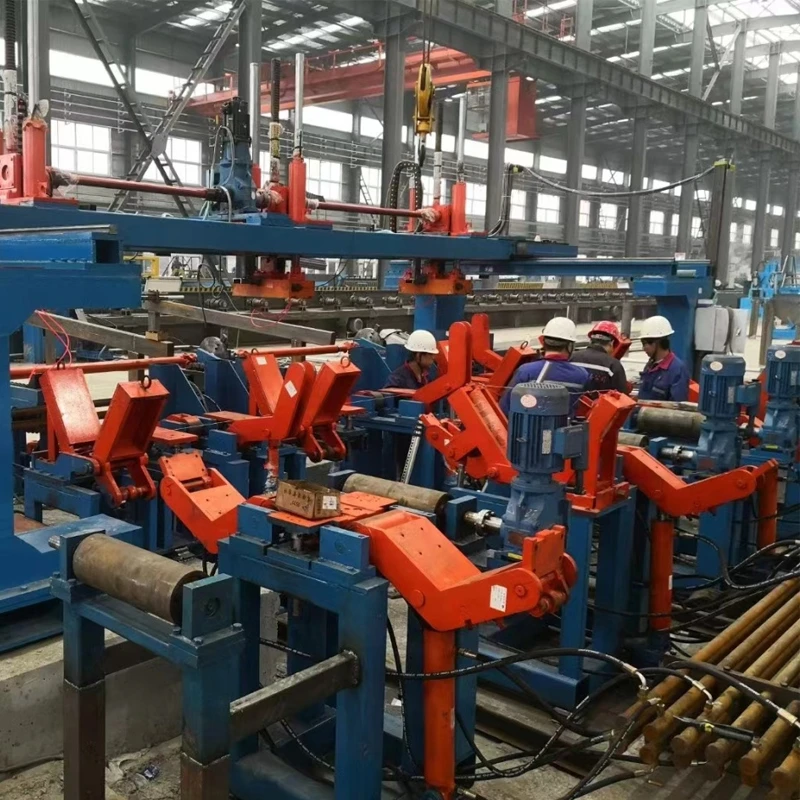
Figure 3: Customized belling machine tooling for specific pipe diameters and profiles.
Through close collaboration with engineering teams, clients can achieve optimized production workflows, reduced waste, and products that precisely meet market demands, all while maximizing the return on investment from their belling machine.
Real-World Application Case Studies
The practical impact of advanced belling machine technology is best illustrated through real-world applications and client successes. These case studies highlight how precision engineering and robust design translate into tangible benefits for pipe manufacturers globally.
Case Study 1: Municipal Water Infrastructure Upgrade
A large municipal water utility in Southeast Asia required an upgrade to its aging water distribution network, involving thousands of kilometers of PVC pipes ranging from DN200 to DN500. Their existing belling equipment was outdated, slow, and produced inconsistent bell-ends, leading to higher rates of joint failure and water leakage. By investing in a fully automated, high-speed belling machine with integrated quality control, the client achieved a 30% increase in production output and a 70% reduction in joint defect rates. The precise, consistent bell-ends ensured secure connections, drastically reducing water loss and maintenance costs. This project demonstrated the energy saving potential through reduced re-work and optimized material usage.
Case Study 2: High-Volume Industrial Pipe Manufacturer
A European manufacturer specializing in industrial PE pipes for the petrochemical sector faced challenges with throughput and material stress during belling. Their previous equipment struggled with the specific thermal properties of high-density PE, causing internal stresses that compromised pipe integrity. A custom-engineered belling machine was supplied, featuring an advanced IR heating system with multi-zone temperature control and a specialized cooling profile. This solution allowed for stress-free belling of PE pipes up to DN630, maintaining the material's structural integrity and corrosion resistance, which is vital for chemical transport. The client reported a 25% improvement in material yield and extended operational uptime, confirming the value of tailored engineering.
Case Study 3: Diversified Pipe Production for Construction
A construction materials conglomerate needed a versatile belling machine capable of processing PVC and CPVC pipes for various applications, including plumbing, drainage, and electrical conduits. The challenge was rapid changeover between different pipe sizes and belling types (RRS and SCS). The deployed solution included quick-change tooling and a user-friendly HMI system that allowed operators to switch production parameters in minutes. This flexibility, coupled with the machine's robust design, enabled the client to significantly expand their product portfolio and respond more quickly to market demands without needing separate machines for different pipe types or belling methods. This versatility also extended to complementary operations involving their erw pipe machine, enhancing overall factory agility.
Ensuring Trust: Certifications, Support & FAQs
Building long-term partnerships in the B2B sector hinges on trust, transparency, and unwavering support. This is achieved through verifiable certifications, clear commitments, and robust customer service for every belling machine.
Authoritativeness & Trustworthiness:
- Company Certifications: We operate under ISO 9001:2015 certified quality management systems, ensuring consistent product quality and service delivery. Our products comply with CE directives for European market access, reflecting adherence to stringent safety, health, and environmental protection requirements.
- Years of Service & Expertise: With over 20 years of specialized experience in pipe processing machinery, our expertise is built on thousands of successful installations and continuous innovation. This long-standing presence in the market underscores our deep understanding of client needs and technical challenges.
- Partner Clients: Our client portfolio includes leading pipe manufacturers and industrial conglomerates across five continents, validating our global reach and reputation for reliability. Confidential case studies and references are available upon request.
Frequently Asked Questions (FAQ):
- Q: What is the typical lead time for a new belling machine?
- A: Standard models typically have a lead time of 6-10 weeks from order confirmation to shipment. Customized solutions may require 12-16 weeks, depending on complexity and specific requirements.
- Q: What warranty is provided with the equipment?
- A: All our belling machine products come with a 24-month warranty on mechanical and electrical components, effective from the date of installation or 26 months from shipment, whichever comes first. Consumable parts are excluded.
- Q: How do you handle after-sales support and spare parts?
- A: We offer comprehensive after-sales support, including remote diagnostics, 24/7 online technical assistance, and a global network of field service engineers for onsite support. Critical spare parts are stocked in regional warehouses to ensure rapid delivery and minimal downtime.
- Q: Can your machines process different types of plastic pipes?
- A: Yes, our belling machine models are highly versatile and can be configured to process PVC, PE, PP, and CPVC pipes. Custom tooling and heating profiles ensure optimal results for each material type.
Lead Time & Fulfillment:
Our streamlined manufacturing and supply chain processes ensure efficient order fulfillment. We maintain strong relationships with logistics partners to facilitate timely and secure global delivery of every belling machine.
Customer Support Information:
Our dedicated customer support team is available via phone, email, and live chat to address technical queries, provide operational guidance, and coordinate service requests. We are committed to ensuring peak performance and maximum uptime for your investment in a belling machine.
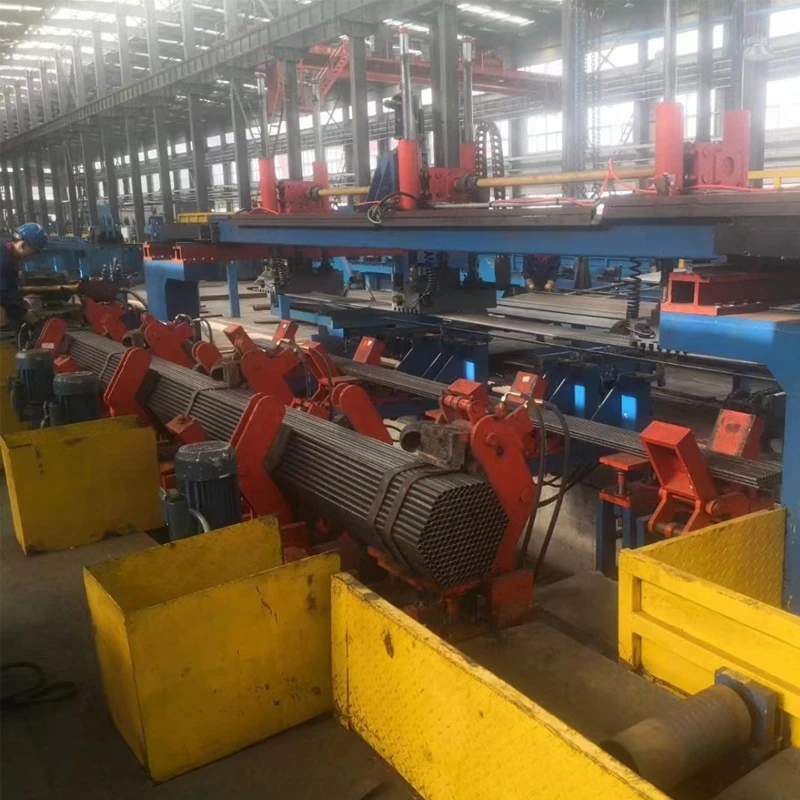
Figure 4: After-sales support team providing remote diagnostics for a belling machine.
Conclusion
The belling machine stands as a cornerstone in modern pipe manufacturing, enabling the production of high-quality, securely jointed pipes essential for global infrastructure. Its evolution, driven by advancements in automation, precision engineering, and material science, has significantly enhanced efficiency, product quality, and operational cost-effectiveness across diverse industries. From municipal water systems to complex petrochemical applications, the strategic investment in a state-of-the-art belling machine yields substantial benefits, including extended service life, energy saving, and superior product integrity. Choosing a reputable vendor offering comprehensive technical support, customization capabilities, and proven reliability ensures a partnership that drives sustained success in a competitive market.
References
- ISO 9001:2015 Quality Management Systems – Requirements. International Organization for Standardization.
- ASTM D2122 - Standard Test Method for Determining Dimensions of Thermoplastic Pipe and Fittings. ASTM International.
- Plastic Pipes and Fittings for Pressure Applications: Polyethylene (PE) - General requirements. European Committee for Standardization (CEN).
- Machining of Plastics: Principles and Practice. Society of Plastics Engineers.
- Polymer Extrusion. John Wiley & Sons.
-
Comprehensive Guide to hdpe Making Machines: Global Impact, Features & TrendsNewsDec.02,2025
-
Comprehensive Guide to Garden Pipe Manufacturing Machine – Features, Benefits, and TrendsNewsDec.02,2025
-
Comprehensive Guide to Garden Pipe Making Machines: Features, Trends & BenefitsNewsDec.02,2025
-
Comprehensive Guide to Galvanized Pipe Making Machine – Durability & Innovation in Steel PipesNewsDec.02,2025
-
What Is an Extrusion Pipe Machine? Global Importance, Applications & BenefitsNewsDec.02,2025
-
Comprehensive Guide to ERW Tube Mill Machine: Global Insights and Industry ApplicationsNewsDec.02,2025
