

Precision Belling Machine | Automated Pipe & Profile Solutions
Understanding the Belling Machine: Precision and Efficiency in Pipe Production
In the realm of modern pipe manufacturing, precision, efficiency, and durability are paramount. The belling machine stands as a critical piece of equipment, enabling the formation of precise socket ends on various types of pipes, essential for secure and leak-proof jointing. This technology is indispensable across numerous industries, facilitating the rapid and reliable assembly of piping systems.
Current industry trends emphasize automation, energy efficiency, and adaptability to a wider range of materials and pipe diameters. Manufacturers are increasingly seeking integrated solutions that not only perform the belling function but also synchronize seamlessly with upstream and downstream processes, such as those involving a purlin machine for structural support, a shutter machine for profile formation, or an ERW pipe machine for continuous welded pipe production. The drive towards smart manufacturing and Industry 4.0 principles means that modern belling machines are equipped with sophisticated control systems for enhanced precision and reduced manual intervention, leading to higher throughput and consistent quality.
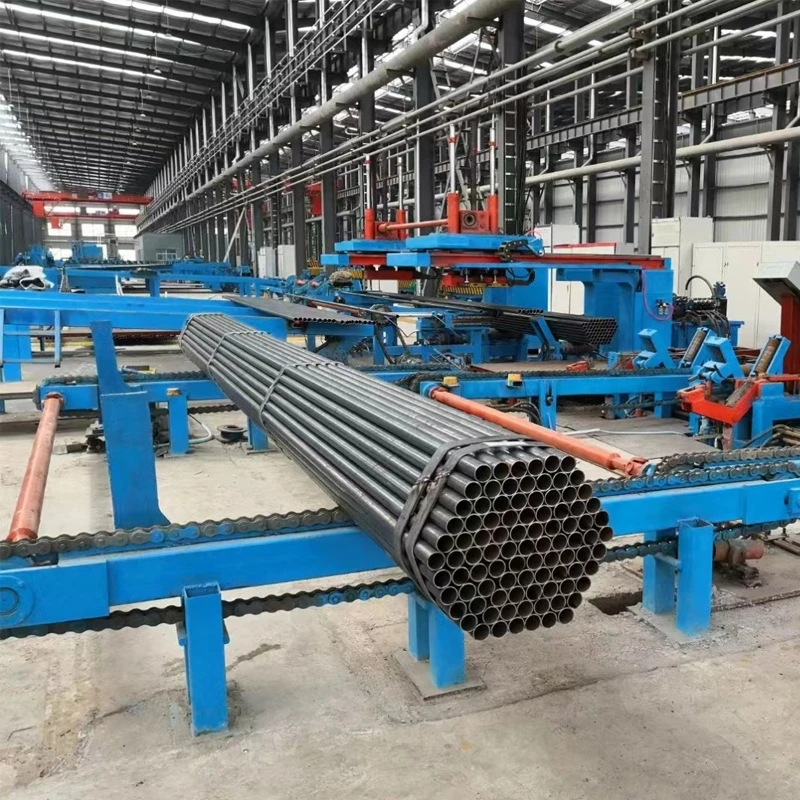
Technical Specifications and Core Parameters
The performance of a belling machine is defined by a rigorous set of technical specifications, tailored to meet diverse industrial requirements. These parameters dictate the machine's capacity, precision, and operational efficiency, making detailed analysis crucial for B2B decision-makers. Key elements include pipe diameter range, wall thickness compatibility, material types, heating methods, and control systems.
Typical Belling Machine Specifications
| Parameter | Specification Range | Description / Impact |
|---|---|---|
| Pipe Diameter Range | 50 mm – 630 mm (2" – 24") | Determines pipe compatibility, from small residential to large industrial applications. |
| Wall Thickness | 1.5 mm – 30 mm | Crucial for structural integrity; often depends on pipe material and pressure rating. |
| Pipe Materials | PVC, PE, PP, ABS | Specific heating and molding processes are optimized for each polymer type. |
| Heating Method | Infrared, Hot Air, Oil | Infrared offers rapid, precise heating; hot air for larger diameters; oil for uniform distribution. |
| Belling Cycle Time | 20 – 60 seconds (variable) | Influences production throughput; optimized for material and pipe size. |
| Control System | PLC with HMI Touchscreen | Enables precise control, recipe management, diagnostics, and integration. |
| Power Consumption | 15 kW – 75 kW (depending on model) | Energy efficiency is a key design consideration for operational cost reduction. |
| Belling Type | R-type (rubber ring), U-type (solvent cement) | Defines the joint type, catering to different sealing requirements and assembly methods. |
The integration of a PLC (Programmable Logic Controller) with an HMI (Human-Machine Interface) touchscreen is standard, providing operators with intuitive control over parameters such as heating temperature profiles, belling pressure, and cooling duration. This level of control ensures consistent product quality and minimizes material waste. Advanced belling machines also incorporate predictive maintenance features, leveraging sensor data to optimize service schedules and extend the lifespan of critical components.
Manufacturing Process Flow of the Belling Machine Itself
The construction of a high-performance belling machine involves a meticulously engineered process to ensure durability, precision, and reliable operation. From raw material sourcing to final assembly, every stage adheres to stringent quality controls and industry standards.
Schematic Manufacturing Steps for a Belling Machine:
- Design & Engineering (CAD/CAM): Utilizing advanced CAD/CAM software, detailed blueprints are created, optimizing structural integrity, thermal dynamics, and mechanical precision. Material selection emphasizes high-strength, wear-resistant alloys for critical components.
- Material Sourcing & Preparation: High-grade steel (e.g., Q235, Q345 for frame; tool steel for molds), high-quality hydraulic/pneumatic components, and industrial-grade electrical parts are sourced from certified suppliers. Materials undergo pre-processing like cutting and deburring.
- Precision Machining (CNC Machining): Core components such as belling molds, clamping jaws, heating elements, and guidance systems are manufactured using state-of-the-art CNC machining centers. This ensures micron-level accuracy for consistent pipe belling results. Forging may be employed for high-stress parts to enhance strength and reduce internal defects.
- Welding & Fabrication: The robust machine frame and support structures are fabricated using precision welding techniques. Post-welding, stress relief processes (e.g., annealing) are applied to ensure structural stability and prevent deformation over time.
- Surface Treatment & Coating: Components are treated for corrosion resistance and enhanced longevity. This may include sandblasting, priming, and application of industrial-grade protective coatings, especially for parts exposed to high temperatures or corrosive environments.
- Assembly: Mechanical, hydraulic, pneumatic, and electrical subsystems are meticulously assembled. This includes installing heating elements, control panels, sensors, and safety interlocks. Calibration of moving parts and alignment checks are performed.
- Quality Control & Testing: Each machine undergoes rigorous testing, including functional tests, pressure tests for hydraulic/pneumatic systems, electrical safety checks (CE, UL), and repeated trial runs with various pipe sizes and materials to verify performance against design specifications. Compliance with ISO 9001 for quality management and ANSI B11.1 (or equivalent) for machine safety is strictly observed.
- Final Calibration & Certification: The machine is calibrated to achieve optimal belling precision and consistency. Necessary certifications are secured, ensuring the machine meets international safety and operational standards.
This meticulous manufacturing process ensures a service life of 15-20 years for our equipment, provided regular maintenance is performed. Our machines are designed for high-demand environments, targeting industries such as petrochemical, metallurgy, water supply & drainage, construction, and agriculture. The emphasis on high-quality materials and precision manufacturing directly translates to advantages such as energy saving through optimized heating systems and superior corrosion resistance for components exposed to various industrial conditions.
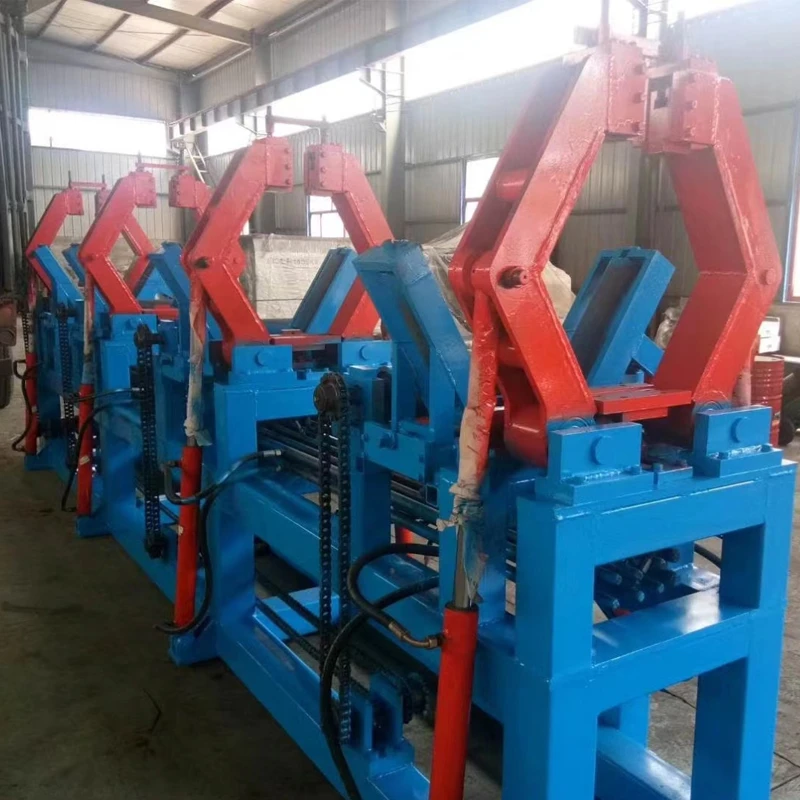
Application Scenarios and Technical Advantages
The versatility and precision of the belling machine make it indispensable across a spectrum of application scenarios where secure and efficient pipe joining is critical. Its technical advantages significantly contribute to project efficiency, cost reduction, and enhanced system integrity.
Typical Application Scenarios:
- Water Supply & Drainage Systems: Essential for municipal water infrastructure, sewage networks, and stormwater management. Belling machines create the precise sockets required for rubber ring or solvent cement joints, ensuring leak-proof connections critical for public health and environmental protection.
- Construction & Building Services: Used in residential, commercial, and industrial building projects for HVAC ducting, plumbing, and electrical conduit systems. The ability to produce various belling types (R-type, U-type) provides flexibility for diverse installation requirements.
- Agricultural Irrigation: Enables the rapid deployment of irrigation networks for farms and plantations. Belling machines ensure quick and reliable assembly of PVC and PE pipes, crucial for efficient water distribution in agricultural settings.
- Telecommunications & Cable Protection: For plastic conduits protecting fiber optic cables and electrical wiring. Precision belling ensures smooth internal surfaces to prevent cable damage during installation and provides robust protection against external elements.
- Petrochemical Industry (Non-pressure applications): While not for high-pressure lines, belling machines are used for utility piping, ventilation, and drainage in petrochemical facilities where plastic pipes offer excellent chemical resistance.
Key Technical Advantages:
- Enhanced Joint Integrity: Precision-formed sockets ensure a perfect fit with pipe spigots, creating strong, leak-proof joints. This is vital for systems under varying pressures and environmental conditions, significantly reducing the risk of failures and associated maintenance costs.
- Significant Cost Savings: By enabling efficient in-house belling, reliance on pre-bellied pipes or external services is reduced. The rapid cycle times of modern machines also decrease labor costs and improve overall production economics. Using less material for joints compared to traditional fittings also contributes to savings.
- Energy Efficiency: Modern belling machines utilize advanced heating technologies, such as infrared or optimized hot air systems, which minimize energy consumption. Precise temperature control and targeted heating reduce waste and operational costs, aligning with green manufacturing initiatives.
- Corrosion Resistance & Durability: The process itself creates a homogeneous pipe end, eliminating potential weak points found in traditional fittings. Furthermore, the robust construction materials of the belling machine ensure long-term operation even in challenging industrial environments.
- Increased Production Throughput: Automated pipe feeding, heating, belling, and cooling cycles, managed by sophisticated PLC systems, result in high-volume output. This allows manufacturers to meet stringent production schedules and scale operations efficiently.
- Material Versatility: Adapting to various plastic pipe materials (PVC, PE, PP) and wall thicknesses without extensive retooling offers unparalleled flexibility for manufacturers producing a diverse product range.
Customer feedback consistently highlights the reliability and consistency achieved with our belling machines, particularly regarding the ease of installation for the end-users of the pipes. Our service cases often demonstrate how optimizing the belling process can resolve bottlenecks in pipe production lines, leading to a measurable increase in overall factory output and a reduction in post-production quality control issues.
Vendor Comparison and Customized Solutions
Selecting the right belling machine vendor is a strategic decision that impacts long-term operational efficiency and product quality. A thorough comparison based on key criteria, coupled with the availability of customized solutions, is crucial for B2B enterprises.
Key Vendor Comparison Criteria:
| Criterion | Our Solution / Benchmark | Typical Vendor B | Typical Vendor C |
|---|---|---|---|
| Automation Level | Full PLC-HMI with auto-feeding & stacking; Industry 4.0 ready. | Semi-automatic; basic PLC, manual loading/unloading. | Basic automation, limited parameter control. |
| Customization Capability | Extensive: pipe types, diameters, heating methods, integrated lines. | Moderate: minor adjustments to existing models. | Limited: standard configurations only. |
| Energy Efficiency | Optimized infrared/hot air, 15-25% lower consumption. | Standard heating, average consumption. | Less efficient resistance heating. |
| After-Sales Support | Global network, 24/7 remote diagnostics, rapid spare parts. | Regional support, longer response times. | Limited localized support, basic troubleshooting. |
| Precision & Consistency | Belling deviation | Belling deviation | Belling deviation > ±1.5mm; noticeable inconsistencies. |
| Certifications | ISO 9001, CE, TUV/UL components. | CE marking. | Basic safety compliance. |
Customized Solutions: Tailoring the Belling Machine to Your Needs
Beyond standard offerings, we specialize in delivering highly customized belling machine solutions to address unique production challenges. This includes:
- Specialized Pipe Materials: Developing belling heads and heating profiles for advanced polymers or composite pipes.
- Integrated Production Lines: Designing belling units that seamlessly integrate with existing extrusion lines, cutting systems, and stacking machines, optimizing flow and minimizing handling. This is particularly relevant for operations that also manage purlin machine or shutter machine outputs requiring similar precision finishing.
- Non-Standard Diameters & Lengths: Engineering machines to accommodate pipes outside typical industry ranges, including very large diameters or exceptionally long sections.
- Automation & Data Integration: Implementing advanced robotics for pipe handling, integrating with factory MES/ERP systems for real-time data monitoring, and predictive maintenance capabilities.
- Environmental & Safety Enhancements: Incorporating specific features for dust extraction, noise reduction, and enhanced operator safety systems to meet stringent local regulations.
Our team of engineers works closely with clients from initial consultation to final commissioning, ensuring that every customized solution delivers optimal performance and a rapid return on investment. With years of service and numerous partner clients globally, our authoritative references include adherence to ISO 9001 and specific project certifications as required by international standards like FDA for medical applications (where relevant for pipe materials) or other regulatory bodies.
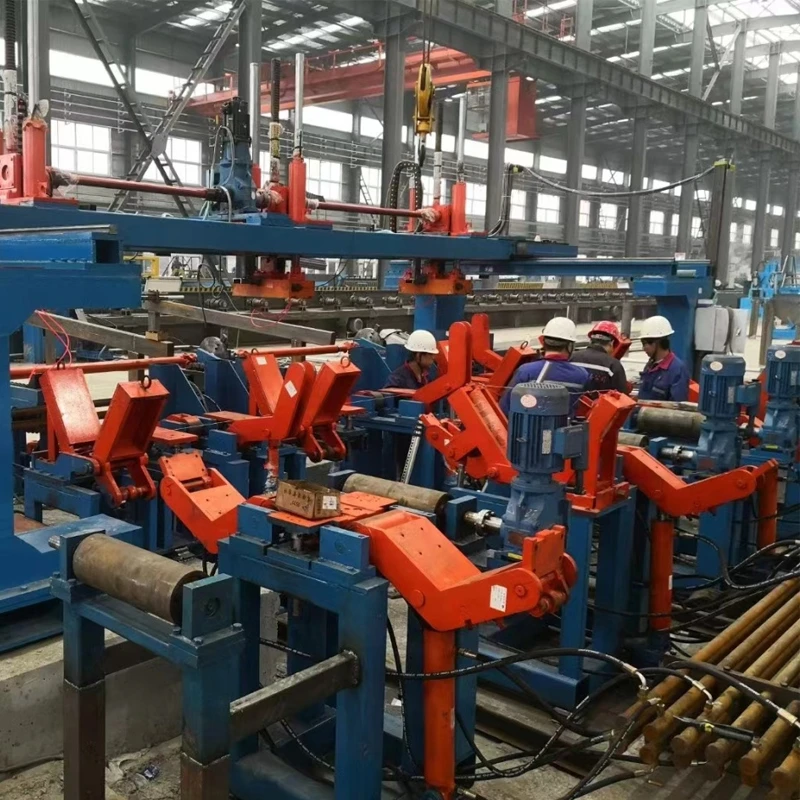
Real-World Case Studies
Our commitment to excellence is best demonstrated through successful real-world applications of our advanced belling machine technology. These case studies highlight our expertise, reliability, and the tangible benefits delivered to our clients.
Case Study 1: Large-Scale Water Infrastructure Project in Southeast Asia
A major pipe manufacturer contracted us to supply multiple belling machines for a critical national water supply project. The challenge was to produce a high volume of large-diameter (up to 630mm) PVC pipes with R-type sockets, capable of withstanding significant environmental stresses and ensuring a 50-year service life. Our solution involved deploying automated belling lines featuring precision infrared heating and advanced PLC control. The machines achieved a belling cycle time of under 45 seconds per pipe, consistently meeting stringent international standards for joint integrity and dimensional accuracy. Our client reported a 20% increase in production throughput and a significant reduction in joint failure rates compared to their previous equipment, directly contributing to the project's on-time completion and long-term reliability.
Case Study 2: High-Volume Production for European Construction Sector
A leading European pipe producer required a compact, energy-efficient belling solution for their diverse range of smaller diameter (75mm-200mm) PP and PE pipes used in residential and commercial plumbing. We provided a series of custom-designed compact belling units featuring hot-air heating systems optimized for lower energy consumption. The machines were integrated seamlessly into existing extrusion lines, allowing for inline belling without additional material handling. The client noted a 15% reduction in energy costs associated with belling operations and praised the user-friendly HMI, which minimized operator training and intervention. The consistent quality of the bellied pipes significantly enhanced their market reputation for durable and easy-to-install products.
Case Study 3: Specialized Conduit Manufacturing for Telecommunications
A telecommunications infrastructure provider needed a belling machine capable of precise U-type belling for their high-density polyethylene (HDPE) conduits, ensuring smooth internal surfaces critical for fiber optic cable pulling. Our engineering team developed a specialized belling head and optimized cooling system to prevent material distortion and achieve the required internal finish. The machine also featured automated length measurement and cutting integration. This bespoke solution enabled the client to produce conduits that exceeded industry standards for cable protection, leading to reduced cable installation times and lower damage rates, reinforcing their competitive edge in a demanding market.
These examples underscore our capability to deliver high-quality, reliable, and tailored solutions, building trust and demonstrating our authoritative position in the belling machine market.
Trustworthiness: FAQ, Lead Time, Warranty & Support
Building long-term partnerships in the B2B sector requires transparency, clear commitments, and robust support systems. Our dedication to client success is reflected in our comprehensive approach to trustworthiness, encompassing clear communication on lead times, generous warranty, and dedicated after-sales support.
Frequently Asked Questions (FAQ)
- Q1: What pipe materials can your belling machines process?
- A1: Our machines are designed to process a wide range of thermoplastic materials, including PVC, PE (HDPE, MDPE, LDPE), PP, and ABS. Customized solutions for other specialized polymers are available upon request.
- Q2: What is the typical lead time for a new belling machine?
- A2: Standard models typically have a lead time of 8-12 weeks from order confirmation to shipment. For highly customized solutions or integrated lines, the lead time may extend to 16-24 weeks, depending on complexity. We provide precise lead time estimates at the quoting stage.
- Q3: What kind of maintenance is required for your belling machines?
- A3: Our machines are built for durability with minimal maintenance. Routine tasks include checking hydraulic fluid levels, lubricating moving parts, inspecting heating elements, and cleaning. A detailed maintenance schedule is provided in the operator's manual, and we offer maintenance training and service contracts.
- Q4: Are your machines energy efficient?
- A4: Yes, energy efficiency is a core design principle. We utilize advanced infrared or optimized hot-air heating systems with precise temperature control to minimize energy consumption, often resulting in 15-25% lower energy usage compared to older or less efficient models.
- Q5: Can your belling machines be integrated into existing extrusion lines?
- A5: Absolutely. Our machines are designed for seamless integration with existing or new extrusion lines. We offer complete automation solutions, including synchronized control systems, automated pipe feeding, conveying, and stacking, to optimize your entire production process.
Lead Time & Fulfillment
We understand that timely delivery is critical for your project schedules. Our production planning is optimized for efficiency, ensuring that standard belling machine models are typically delivered within 8-12 weeks. For bespoke solutions, we provide a detailed project timeline from design approval to factory acceptance testing and final shipment, ensuring transparent communication at every stage. Our fulfillment process includes thorough pre-shipment inspection and careful packaging to prevent transit damage.
Warranty Commitments
All our belling machines come with a comprehensive 12-month warranty from the date of commissioning or 18 months from shipment, whichever comes first. This warranty covers manufacturing defects and component failures under normal operating conditions. Extended warranty options and service contracts are available to provide additional peace of mind and long-term operational assurance.
Customer Support & After-Sales Service
Our commitment extends well beyond the sale. We offer robust customer support globally, including:
- Technical Assistance: 24/7 remote support via phone, email, and video conferencing for troubleshooting and operational guidance.
- On-Site Service: Skilled technicians available for installation, commissioning, training, and complex repairs, dispatched quickly to minimize downtime.
- Spare Parts Availability: A comprehensive inventory of genuine spare parts ensures rapid delivery, supported by a global logistics network to minimize disruption.
- Training Programs: Customized training for your operators and maintenance staff to ensure they are proficient in operating and maintaining the equipment safely and efficiently.
- Preventative Maintenance Contracts: Tailored service agreements designed to optimize machine performance, extend lifespan, and prevent unforeseen breakdowns.
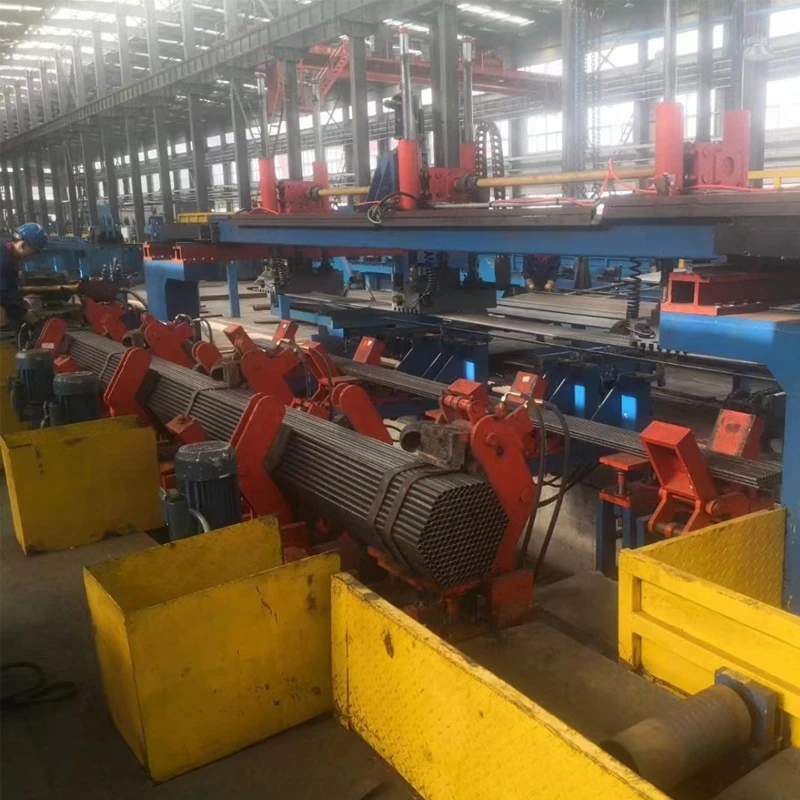
Conclusion
The modern belling machine is more than just a piece of equipment; it is a vital investment in the precision, efficiency, and long-term reliability of pipe manufacturing operations. By understanding the intricate process flow, leveraging advanced technical specifications, and embracing the advantages in diverse application scenarios, B2B decision-makers can make informed choices that drive significant operational improvements. Our commitment to expertise, proven experience through case studies, authoritative certifications, and unwavering trustworthiness in support and warranty offerings ensures that our solutions not only meet but exceed the demanding requirements of the global industrial sector. Partner with us to elevate your pipe production capabilities and secure a competitive advantage in an evolving market.
References
- ISO 9001:2015 Quality Management Systems – Requirements. International Organization for Standardization.
- ANSI B11.1-2009 Safety Requirements for Mechanical Power Presses. American National Standards Institute.
- Plastics Pipe Institute (PPI) Technical Reports and Handbooks.
- European Committee for Standardization (CEN) - Standards related to plastic piping systems (e.g., EN ISO 1452 for PVC-U pipes).
- Machinery Directive 2006/42/EC. Official Journal of the European Union.
-
Comprehensive Guide to hdpe Making Machines: Global Impact, Features & TrendsNewsDec.02,2025
-
Comprehensive Guide to Garden Pipe Manufacturing Machine – Features, Benefits, and TrendsNewsDec.02,2025
-
Comprehensive Guide to Garden Pipe Making Machines: Features, Trends & BenefitsNewsDec.02,2025
-
Comprehensive Guide to Galvanized Pipe Making Machine – Durability & Innovation in Steel PipesNewsDec.02,2025
-
What Is an Extrusion Pipe Machine? Global Importance, Applications & BenefitsNewsDec.02,2025
-
Comprehensive Guide to ERW Tube Mill Machine: Global Insights and Industry ApplicationsNewsDec.02,2025
