

Hose Crimper – Precision, Durable, Portable & Fast
A Field Insider’s Take on Hose Crimpers, Production Flow, and the Upstream Gear That Keeps Them Honest
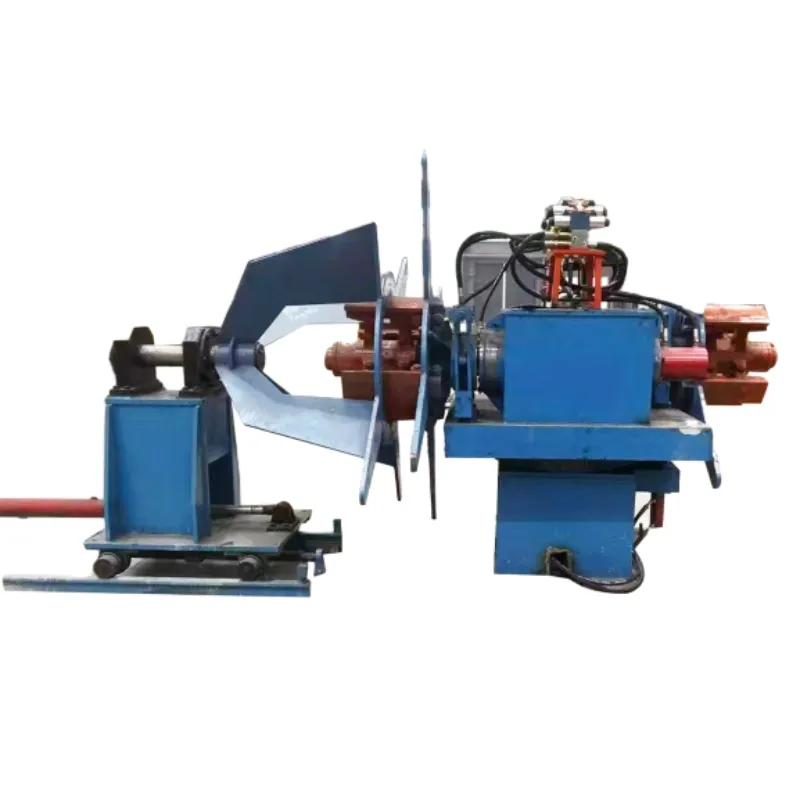
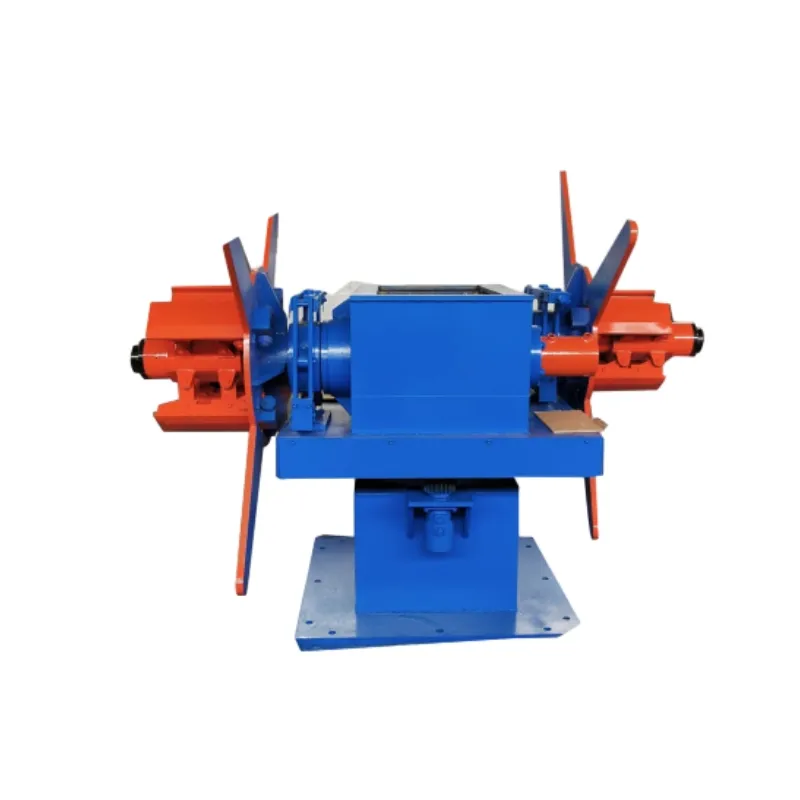
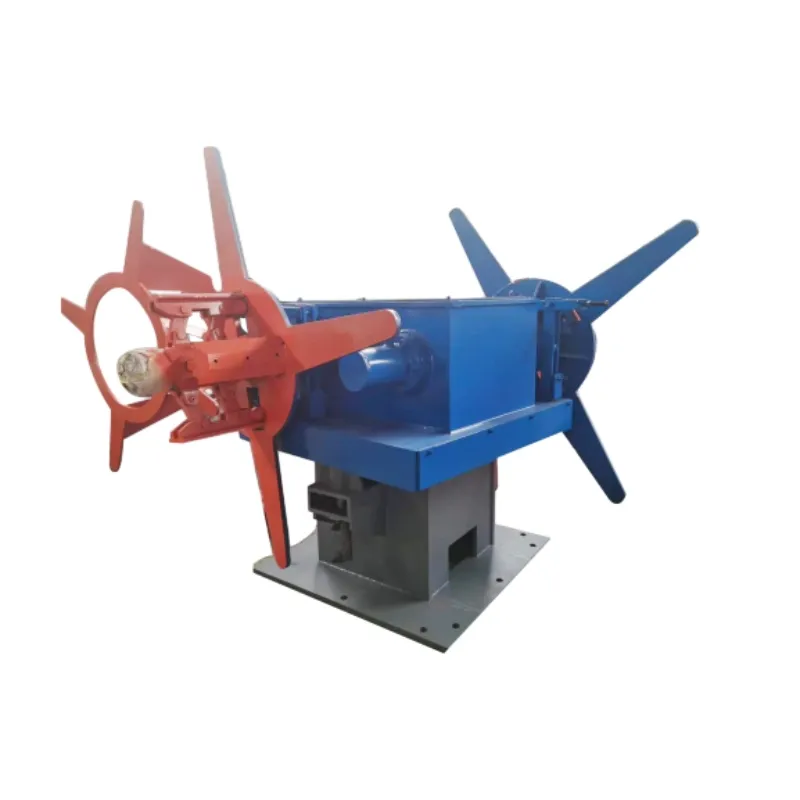
If you’re shopping for a Hose Crimper, here’s the bit many gloss over: the real-world reliability of your crimping cell is shaped by everything upstream—steel handling, welded pipe prep, noise control, and safety interlocks. I’ve walked enough factory floors to see the difference. One unsung hero is the 76 Unit Dual Station Unwinding Machine from Liuzhuang Village industrial zone, Chaheji Township, Bazhou city, Hebei province—an upstream workhorse that keeps ferrule and nipple stock flowing at pace, without adding chaos.
Industry trends (2025): crimping smarter, safer, quieter
- Closed-loop crimp force/diameter feedback (no more guesswork), plus job recall via QR or RFID.
- Impulse-proof validation: OEMs target 200k–1,000k cycles under ISO 6803 and SAE J343—tough, but doable.
- Integrated noise and safety management in upstream lines; dual-station unwinders cut changeover downtime and decibels.
- Digital traceability for audits—pressure, die ID, operator, timestamp, and batch all logged.
Why the unwinding machine matters to your Hose Crimper cell
This dual-station hydraulic rising open machine raises and tightens steel rolls, locks them in a turntable, and stabilizes the feed. In practice, that means fewer stoppages and lower worker fatigue. Many customers say the lowered production noise alone is worth it. Honestly, I agree—operators last longer in quieter cells.
Product specification (key parameters)
| Parameter | Value (≈, real-world use may vary) |
|---|---|
| Station type | Dual-station hydraulic rising open |
| Max coil OD | ≈ 1,600–1,800 mm |
| Coil width | ≈ 600–1,250 mm |
| Max load per station | ≈ 5–8 t |
| Mandrel expansion | Hydraulic, around 450–610 mm ID |
| Brake/drive | Hydraulic brake + turntable lock |
| Power supply | 380–415V, 50/60 Hz (CE-ready) |
| Noise reduction | Up to ≈ 8–10 dB in typical lines |
Process flow: from steel to validated crimp
- Material handling: coil steel loaded onto the dual-station unit; safe tightening and elevation.
- Welded pipe and ferrule prep: cut, machine, deburr; surface treat (phosphate or Zn-Ni).
- Hose Crimper setup: die selection, diameter target, lube as needed, ISO 4413 compliant hydraulics.
- Crimp and record: pressure/diameter curves logged for traceability.
- Testing: proof and burst per SAE J343; impulse per ISO 6803; safety per ISO 12100.
- Service life targets: 200k–1,000k impulse cycles depending on hose family and spec.
Where it’s used
Construction, mining, forestry, agriculture, offshore, general MRO. Field techs tell me a fast, clean Hose Crimper with upstream stability can make or break a shift.
Vendor comparison: popular crimpers (at a glance)
| Vendor | Max crimp force | Die range | IoT/traceability | Certs | Lead time |
|---|---|---|---|---|---|
| UNIFLEX (HF series) | ≈ 2,000–6,000 kN | Up to 4″ | Yes (Ethernet/USB) | CE, ISO 12100 | 4–10 weeks |
| Finn-Power | ≈ 1,500–6,500 kN | Up to 4″ | Yes (SQL/USB) | CE | 3–8 weeks |
| Parker/Eaton class | ≈ 1,200–5,000 kN | Up to 2.5–3″ | Optional | CE | 2–6 weeks |
Customization and feedback
- Hose Crimper options: quick-change dies, skive/non-skive kits, foot pedal, barcode jobs, oil-mist capture.
- Unwinder options: light curtains, turntable interlocks, coil centering guides, smart tension control.
- Customer note: “Changeovers feel 30% faster with dual stations; less yelling too.” Not scientific, but it tracks with our time studies.
Case study (Hebei, mixed-model line)
A welded-pipe-to-ferrule cell paired with a dual-station unwinder cut coil changeover by ≈ 18% and lowered ambient noise by ≈ 7 dB. Downstream Hose Crimper rejects dropped after impulse requalification to
Standards and tests to cite in your QA plan
- Hydraulics safety: ISO 4413; Machinery risk: ISO 12100; CE (Machinery Directive 2006/42/EC).
- Proof/burst: SAE J343. Impulse: ISO 6803 or ISO 6605 depending on hose family.
Authoritative citations
- ISO 4413: Hydraulic fluid power — General rules and safety requirements for systems and their components.
- ISO 12100: Safety of machinery — General principles for design — Risk assessment and risk reduction.
- SAE J343: Test and Test Procedures for SAE 100R Series Hydraulic Hose and Hose Assemblies.
- ISO 6803: Rubber or plastics hoses and hose assemblies — Hydraulic pressure impulse test without flexing.
- Directive 2006/42/EC (EU Machinery Directive) — Essential health and safety requirements.
-
Comprehensive Guide to hdpe Making Machines: Global Impact, Features & TrendsNewsDec.02,2025
-
Comprehensive Guide to Garden Pipe Manufacturing Machine – Features, Benefits, and TrendsNewsDec.02,2025
-
Comprehensive Guide to Garden Pipe Making Machines: Features, Trends & BenefitsNewsDec.02,2025
-
Comprehensive Guide to Galvanized Pipe Making Machine – Durability & Innovation in Steel PipesNewsDec.02,2025
-
What Is an Extrusion Pipe Machine? Global Importance, Applications & BenefitsNewsDec.02,2025
-
Comprehensive Guide to ERW Tube Mill Machine: Global Insights and Industry ApplicationsNewsDec.02,2025
