

Reliable Hose Crimper for Sale | Manual, Electric & Hydraulic
Introduction to Advanced Hose Crimping Technology
In high-pressure industrial environments, the integrity and reliability of hydraulic and pneumatic systems hinge significantly on the quality of hose assemblies. A critical component in achieving this quality is the hose crimper. This essential machinery is engineered to securely attach fittings to hoses, creating a leak-proof and robust connection capable of withstanding extreme operational demands. From the precision required in aerospace applications to the brute force needed in heavy machinery, the performance of the crimped connection is paramount.
The evolution of crimping technology reflects a continuous drive for enhanced safety, efficiency, and longevity. Modern crimpers incorporate advanced hydraulics, precise control systems, and durable materials to deliver consistent, high-quality results. Understanding the underlying technology, manufacturing processes, and application nuances of these devices is crucial for B2B decision-makers and engineers seeking optimal performance and minimized downtime in their operations. This article delves into the intricacies of hose crimper technology, offering a comprehensive guide to its capabilities, applications, and strategic advantages.
The Manufacturing Process of a High-Precision Hose Crimper
The production of a robust and reliable hose crimper is a sophisticated process involving several key stages, each demanding meticulous attention to detail and adherence to stringent quality control standards. The goal is to produce equipment that provides consistent, high-pressure crimps over an extended service life.
Materials Selection and Preparation:
High-grade alloy steels, such as 42CrMo or equivalent, are typically selected for critical components like the crimping head, dies, and piston. These materials offer exceptional tensile strength, hardness, and wear resistance, crucial for enduring the immense forces involved in the crimping operation. Hydraulic components utilize precision-machined steel and specialized seals for leak-free operation.
Manufacturing Processes:
- Casting/Forging: Large structural components, such as the machine frame and parts of the crimping head, may undergo forging or precision casting to achieve initial shape and enhance material density and grain structure. Forging, in particular, improves mechanical properties by refining the grain structure, making the parts more durable and resistant to fatigue.
- CNC Machining: Precision is paramount. Components like the crimping dies, piston, cylinder, and control valves are meticulously machined using multi-axis CNC (Computer Numerical Control) machines. This ensures tight tolerances (e.g., ±0.01 mm) for concentricity, parallelism, and surface finish, which are vital for accurate crimping and smooth operation.
- Heat Treatment: Key wear parts, especially the crimping dies and any components subjected to high stress, undergo specialized heat treatments (e.g., induction hardening, nitriding). This process increases surface hardness (typically HRC 58-62) and improves wear resistance, significantly extending the service life of the hose crimper.
- Surface Treatment: Components may receive anti-corrosion coatings (e.g., chrome plating, powder coating) to protect against environmental degradation and improve aesthetic appeal, especially in demanding industrial settings like petrochemical plants.
- Assembly: Skilled technicians assemble the hydraulic, electrical, and mechanical sub-systems. This involves precise calibration of hydraulic pressure, alignment of moving parts, and integration of control electronics.
Testing Standards and Quality Assurance:
Every hose crimper undergoes rigorous testing to ensure compliance with international standards such as ISO 9001 for quality management, and specific machinery directives. Performance tests include:
- Crimp Diameter Accuracy: Verification of crimp diameter to within specified tolerances using precision gauges.
- Hydraulic System Integrity: Pressure holding tests to detect leaks and ensure system stability under maximum load.
- Durability Testing: Cyclical testing of the crimping mechanism for thousands of cycles to simulate long-term operation and identify potential wear points.
- Safety Compliance: Verification of emergency stop functions and guarding mechanisms in accordance with ANSI or local safety regulations.
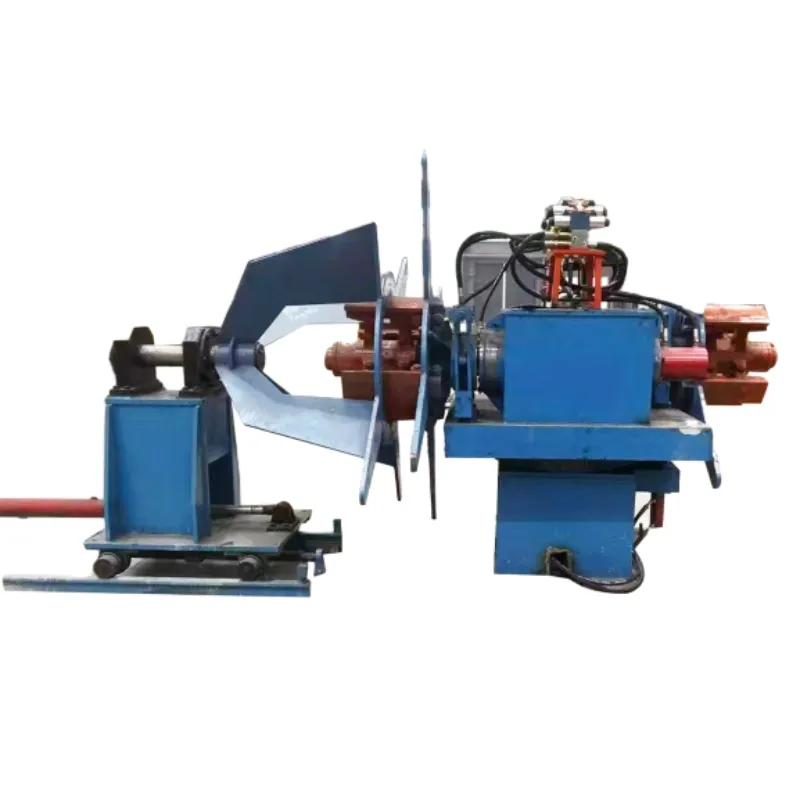
Figure 1: Internal components of a high-performance hose crimper.
Target Industries and Advantages:
These meticulously manufactured crimpers find extensive use across various heavy industries. In petrochemical facilities, they ensure the integrity of high-pressure fluid transfer lines, where corrosion resistance is critical, often achieved through specialized material selection and surface treatments. For metallurgy, they support robust hydraulic systems in heavy presses and furnaces, emphasizing durability and resistance to extreme temperatures. In water supply & drainage, their ability to create leak-proof connections contributes to energy saving by preventing pressure loss and reducing pump workload. The extended service life of a well-made hose crimper, often exceeding 10-15 years with proper maintenance, significantly reduces total cost of ownership (TCO) for industrial clients.
Industry Trends in Hose Crimping Technology
The landscape of industrial hose crimping is continuously evolving, driven by demands for greater efficiency, precision, and automation. Key trends shaping the development and adoption of hose crimper technology include:
- Automation and Digitalization: Modern hyd hose crimper units are increasingly integrated with PLC controls and HMI (Human-Machine Interface) systems, allowing for programmable crimping cycles, automatic die changes, and data logging. This enhances repeatability, reduces human error, and facilitates predictive maintenance. Some advanced models even feature remote monitoring capabilities.
- Enhanced Precision and Repeatability: The demand for tighter crimp tolerances (e.g., ±0.1 mm) is growing, particularly in critical applications where a slight deviation can lead to system failure. Innovations in sensor technology and feedback loops ensure that each crimp meets exact specifications, regardless of operator experience.
- Ergonomics and Portability: While large industrial units remain stationary, there's a significant trend toward more ergonomic designs for bench-top models and highly portable units, especially for field service. Lighter materials, optimized footprints, and user-friendly interfaces characterize these advancements in manual hose crimper and smaller electric hose crimper designs.
- Sustainability and Energy Efficiency: Manufacturers are focusing on reducing energy consumption through more efficient hydraulic pumps, standby modes, and optimized motor designs. The use of more durable, recyclable materials and processes that minimize waste also contributes to a greener manufacturing footprint.
- Versatility and Modularity: The ability of a single hose crimper to handle a wider range of hose types and sizes (from low-pressure textile braid to multi-spiral ultra-high pressure hoses) with quick die changes is a major advantage. Modular designs allow for easier upgrades and customization, catering to diverse industry needs.
These trends collectively point towards a future where crimping operations are not just about joining components, but about integrated, intelligent, and sustainable processes that contribute significantly to overall operational excellence.
Technical Specifications of Advanced Hose Crimpers
Selecting the appropriate hose crimper requires a detailed understanding of its technical parameters. These specifications dictate the machine's capabilities, suitability for specific applications, and overall performance.
Key Technical Parameters:
- Crimping Force (Tons): This is arguably the most critical parameter, indicating the maximum pressure the machine can exert. Industrial-grade hydraulic hose crimper models range from 100 tons for light-duty hoses to over 600 tons for large, multi-spiral ultra-high-pressure hoses.
- Hose Inner Diameter (ID) Range: Specifies the range of hose IDs the machine can crimp, typically from 1/4" to 6" or even larger.
- Maximum Crimp Diameter (mm/inch): The largest outside diameter (OD) of the fitting and hose combination the crimper can accommodate.
- Die Opening and Closing Speed: Affects productivity. Faster speeds are crucial in high-volume production environments.
- Motor Power (kW/HP): Indicates the power of the hydraulic pump, influencing crimping speed and continuous operation capabilities.
- Control System: Manual, semi-automatic (with dial or digital readout), or fully automatic (PLC/HMI).
- Accuracy: Precision of crimp diameter typically ±0.1mm or better.
Sample Product Specification Table:
| Parameter | Specification | Benefit/Description |
|---|---|---|
| Crimping Force | 300 Tons (3000 kN) | Handles up to 2" 6-spiral hydraulic hose with ease. |
| Hose ID Capacity | DN6 - DN51 (1/4" - 2") | Versatility for a wide range of standard industrial hoses. |
| Max Crimp Diameter | 90 mm (3.54") | Accommodates large fittings and hose combinations. |
| Motor Power | 5.5 kW (7.5 HP) | Robust power for fast, continuous operation. |
| Control System | PLC with Digital Display | Programmable crimp settings, precise control, reduced error. |
| Crimp Accuracy | ±0.1 mm | Ensures consistent, leak-proof connections. |
| Die Set Included | 10 sets (12, 14, 16, 19, 23, 27, 31, 36, 41, 51mm) | Standard set for common hose diameters. |
| Dimensions (L×W×H) | 750 × 650 × 1200 mm | Compact footprint for industrial workshops. |
| Weight | 350 kg | Sturdy construction for stability during operation. |
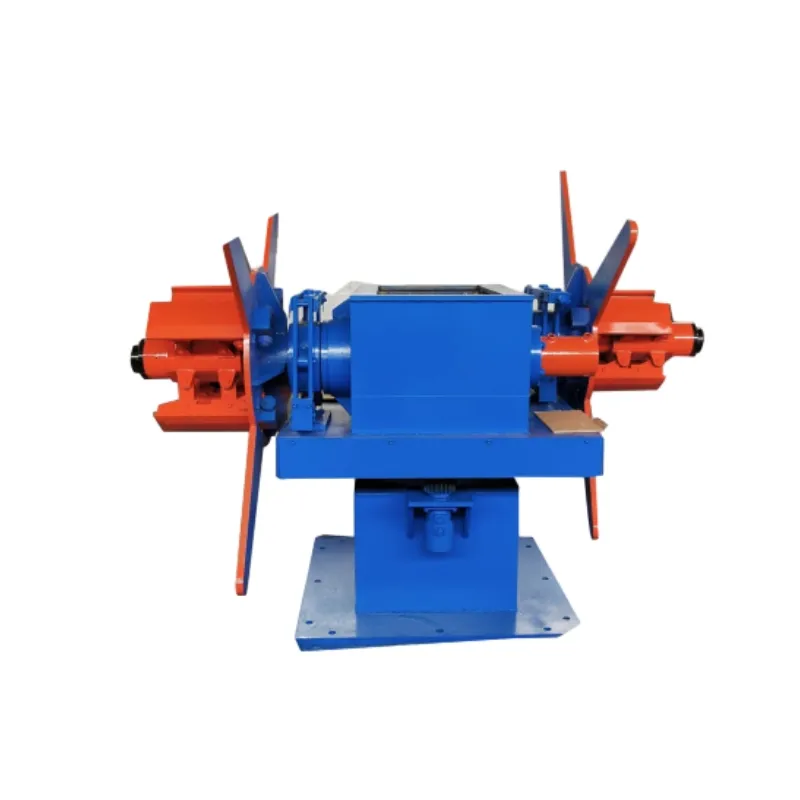
Figure 2: A modern electric hose crimper in operation.
These specifications allow prospective buyers to match the machine's capabilities with their specific operational needs, ensuring optimal performance and return on investment.
Application Scenarios and Industry Benefits
The versatility of a hose crimper extends across numerous industries, each benefiting from its ability to create reliable and durable fluid transfer connections.
Typical Application Scenarios:
- Heavy Construction and Mining: Hydraulic excavators, loaders, bulldozers, and drilling rigs rely heavily on robust hydraulic hose assemblies to operate under extreme pressures and harsh conditions. A reliable hyd hose crimper ensures that these critical systems perform without leaks or failures, minimizing downtime on job sites.
- Agriculture: Tractors, harvesters, and irrigation systems utilize hydraulic hoses for power transmission and fluid delivery. Quick and precise crimping, often achievable with a portable manual hose crimper in the field, is essential for maintaining operational continuity during peak seasons.
- Oil & Gas (Petrochemical): In upstream and downstream operations, from drilling rigs to refineries, fluid transfer lines for crude oil, natural gas, and various chemicals demand exceptionally high-integrity hose assemblies. Specialized crimpers for sale in this sector often handle large bore, multi-spiral hoses with enhanced corrosion resistance properties.
- Marine and Offshore: Vessels and offshore platforms require hoses capable of withstanding corrosive saltwater environments and high operational pressures. Crimped assemblies must offer superior sealing and material integrity to prevent environmental contamination and ensure safety.
- Manufacturing and Automation: Industrial robots, presses, and assembly lines use hydraulic and pneumatic systems for movement and power. Consistent crimp quality directly impacts the efficiency and reliability of these automated processes.
Demonstrated Advantages:
- Energy Saving: Properly crimped hoses prevent leaks, which means less energy is wasted by pumps constantly trying to maintain pressure in a compromised system. This leads to significant operational cost savings over time.
- Corrosion Resistance: When combined with appropriate fittings and hoses, the crimping process itself, especially with advanced machinery, ensures a tight seal that minimizes exposure of critical components to corrosive fluids or environments, extending assembly life.
- Enhanced Safety: Secure crimps prevent catastrophic hose failures, which can lead to fluid spills, equipment damage, and severe injury to personnel. Adherence to precise crimping specifications is a critical safety measure.
- Reduced Downtime: High-quality, durable hose assemblies require less frequent replacement, reducing unscheduled maintenance and maximizing equipment uptime, which is vital for productivity in all industrial sectors.
Technical Advantages of Modern Crimping Solutions
Modern hose crimper technology offers distinct advantages over older methods and inferior equipment, directly impacting operational efficiency and product reliability.
- Superior Crimp Quality and Consistency: Advanced crimpers utilize micro-meter precise digital controls for setting crimp diameters. This ensures that every crimp meets the exact specification, leading to consistent performance, reduced leaks, and extended hose life.
- Increased Production Efficiency: With rapid cycle times, automatic die set changes, and user-friendly interfaces, modern crimpers significantly boost throughput. An electric hose crimper with automated features can produce hundreds of assemblies per shift with minimal operator fatigue.
- Enhanced Durability and Longevity: Built with hardened steels and robust hydraulic systems, contemporary crimpers are designed for continuous heavy-duty operation. Their extended service life translates into a lower total cost of ownership and higher return on investment for industrial users.
- Reduced Operator Skill Requirement: While expertise is always valuable, automated settings and digital displays simplify the crimping process, allowing operators with less specialized training to produce high-quality assemblies, thus broadening the pool of potential technicians.
- Data Tracking and Quality Control: Integrated PLC systems can log crimp parameters, allowing for robust quality assurance and traceability. This data can be invaluable for auditing, troubleshooting, and continuous process improvement, meeting rigorous industry standards like ISO 14001.
Vendor Comparison: Key Differentiators for Your Hose Crimper Selection
Choosing the right hose crimper supplier is critical. Factors beyond initial purchase price, such as machine performance, reliability, support, and customization options, significantly influence long-term operational costs and efficiency. Below is a comparison table outlining typical differentiators among leading vendors in the hose crimper for sale market.
| Feature/Parameter | Vendor A (Premium) | Vendor B (Mid-Range) | Vendor C (Economy) |
|---|---|---|---|
| Crimping Force Range | 50-800 Tons | 100-400 Tons | 50-250 Tons |
| Control System | Full PLC/HMI, Data Logging, Remote Diagnostics | Digital, Programmable, Limited Data Logging | Manual Dial/Simple Digital Readout |
| Die Change Mechanism | Quick-Change Tooling, Semi-Automatic | Manual Segmented Dies, Efficient | Basic Manual Die Insertion |
| Crimp Accuracy | ±0.05mm - ±0.1mm | ±0.1mm - ±0.2mm | ±0.2mm - ±0.3mm |
| Build Quality/Materials | Premium Hardened Alloy Steel, Precision Components | High-Grade Steel, Good Workmanship | Standard Steel, Functional |
| After-Sales Support | Global Network, 24/7 Tech, On-site Service | Regional Support, Business Hours Tech | Limited Online/Phone Support |
| Warranty | 3-5 Years on Major Components | 1-2 Years | 6 Months - 1 Year |
| Certifications | ISO 9001, CE, CSA, Multiple OEM Approvals | CE, ISO 9001 | Basic CE Compliance |
When evaluating a hose crimper for sale, consider not just the immediate cost but also the long-term implications for productivity, maintenance, and product quality. Companies with strong certifications (e.g., ISO, FDA for specific applications) and a track record of serving reputable clients often provide more reliable equipment and support. Our years of service in the industry and adherence to ISO standards reinforce our commitment to quality and client satisfaction.
Customized Solutions for Specific Industrial Needs
While standard hose crimper models address a broad spectrum of applications, many industries require specialized solutions due to unique hose dimensions, materials, or operational environments. Our approach to customization ensures that clients receive a crimping solution perfectly tailored to their specific challenges.
- Specialized Die Sets: For non-standard hose sizes or exotic fitting designs, we engineer custom die sets from hardened tool steel, ensuring precise crimping and optimal material flow during the process. This is particularly crucial for multi-layered or composite hoses.
- Increased Crimping Force or Diameter: For ultra-large bore hoses used in dredging, deep-sea exploration, or heavy industrial pipelines, we can develop hose crimper units with significantly higher crimping forces and larger opening capacities than standard models.
- Integrated Automation: For high-volume production lines, customization might involve integrating the crimper into a larger automated cell, complete with automatic hose cutting, skiving, and handling systems, all managed by a central PLC.
- Environmental Adaptations: For operations in corrosive atmospheres (e.g., coastal marine, chemical processing), the machine can be built with stainless steel components, enhanced corrosion-resistant coatings, and sealed electrical systems to ensure longevity and safety.
- Safety and Regulatory Compliance: Customized safety features, such as interlocked guarding, specialized emergency stops, or integration with facility-wide safety protocols, can be implemented to meet stringent industry-specific regulations.
Our engineering team collaborates closely with clients, from initial consultation and design to prototyping and final commissioning, ensuring that the customized hose crimper solution delivers maximum performance, efficiency, and safety for unique operational demands.
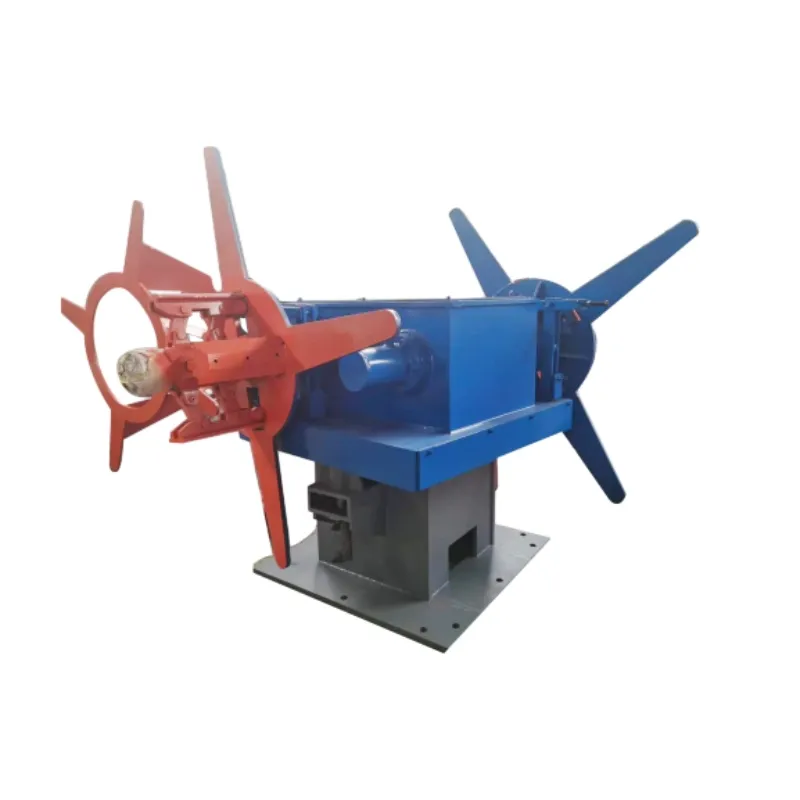
Figure 3: Customized die sets for specialized crimping applications.
Application Case Studies
Real-world applications demonstrate the tangible benefits of investing in high-quality hose crimper technology.
Case Study 1: Large-Scale Mining Operation
A major mining corporation in Western Australia faced consistent challenges with hydraulic hose failures on its heavy-duty excavation equipment, leading to significant downtime and safety concerns. They adopted our advanced hyd hose crimper (Model HTP-600) featuring 600 tons of crimping force and digital control for 4" 6-spiral hydraulic hoses.
- Before: Monthly hose failure rate of 8-10%, average downtime of 4 hours per incident.
- After: Hose failure rate reduced to less than 1% annually, virtually eliminating unscheduled hydraulic system downtime.
Customer Feedback: "The consistency and reliability of the crimps from the HTP-600 have been a game-changer for our operations. Our safety record has improved, and the increase in equipment availability has directly impacted our production targets." - Operations Manager, Iron Ore Mine.
Case Study 2: Agricultural Equipment Manufacturer
An agricultural machinery OEM sought to bring hose assembly production in-house to improve quality control and reduce lead times from third-party suppliers. They implemented a series of our semi-automatic electric hose crimper units for their assembly lines.
- Before: Relying on external suppliers, inconsistent quality, and 2-week lead times for custom assemblies.
- After: Achieved same-day production for hose assemblies, with quality control improved by 95% (based on pressure test data).
Customer Feedback: "The precision and ease of use of these crimpers allowed our team to quickly adapt and produce top-tier hydraulic hoses. This strategic move has cut costs and dramatically improved our assembly line efficiency." - Production Director, AgriTech Solutions.
Ensuring Trustworthiness and Support
Our commitment to our clients extends beyond the initial purchase of a hose crimper. We prioritize trustworthiness through transparent processes and robust support systems.
Frequently Asked Questions (FAQ)
- Q1: What is the typical lead time for a standard hose crimper?
- A1: For standard models, our lead time typically ranges from 2-4 weeks, depending on inventory levels and order volume. Expedited shipping options are available upon request.
- Q2: What kind of warranty do you offer on your hose crimper machines?
- A2: We provide a comprehensive 2-year warranty on all major mechanical and hydraulic components, and a 1-year warranty on electrical parts, covering defects in materials and workmanship under normal operating conditions. Extended warranty options are available.
- Q3: How can I get technical support or spare parts?
- A3: Our dedicated customer support team is available via phone, email, and live chat during business hours. We maintain a comprehensive inventory of spare parts, and most critical components can be shipped within 24-48 hours. On-site technical assistance can be arranged for complex issues.
- Q4: Can your crimpers handle non-standard hose and fitting combinations?
- A4: Yes, we offer customized die sets and can consult on specific requirements for non-standard applications. Please provide detailed specifications of your hose and fitting for a tailored solution.
Lead Time & Fulfillment
We maintain efficient manufacturing and logistics pipelines to ensure timely delivery. Standard hose crimper units are typically dispatched within 15-20 business days of order confirmation. Customized solutions may require 6-10 weeks, depending on complexity. All shipments are securely packaged and tracked, with transparent communication provided throughout the fulfillment process.
Warranty Commitments
Our warranty reflects our confidence in the quality and durability of our equipment. Beyond the standard warranty, clients can opt for service contracts that include preventative maintenance, annual inspections, and priority support, ensuring maximum uptime and peace of mind for their hose crimper investment.
Customer Support
Our global network of certified technicians is equipped to provide remote troubleshooting, on-site service, and training. We offer comprehensive documentation, including detailed operating manuals and preventative maintenance schedules. Our support staff is committed to resolving any issues swiftly, minimizing disruption to your operations.
Conclusion
The hose crimper stands as a pivotal piece of equipment in countless industrial sectors, directly influencing the safety, efficiency, and longevity of hydraulic and pneumatic systems. From understanding the rigorous manufacturing processes and adhering to international testing standards to embracing the latest industry trends in automation and precision, the evolution of crimping technology continues to deliver significant operational advantages. By selecting a high-quality hose crimper from a reputable vendor, backed by robust technical support and customized solutions, businesses can ensure the integrity of their critical fluid transfer systems, reduce downtime, and achieve superior operational performance.
Citations
- International Organization for Standardization. ISO 9001:2015 - Quality management systems - Requirements.
- Hydraulics & Pneumatics Magazine. "Advances in Hose and Fitting Technology." Penton Media, 2023.
- National Fluid Power Association (NFPA). "Fluid Power Standards and Industry Trends." 2022 Annual Report.
- Machinery Directive 2006/42/EC. European Parliament and of the Council.
-
Comprehensive Guide to hdpe Making Machines: Global Impact, Features & TrendsNewsDec.02,2025
-
Comprehensive Guide to Garden Pipe Manufacturing Machine – Features, Benefits, and TrendsNewsDec.02,2025
-
Comprehensive Guide to Garden Pipe Making Machines: Features, Trends & BenefitsNewsDec.02,2025
-
Comprehensive Guide to Galvanized Pipe Making Machine – Durability & Innovation in Steel PipesNewsDec.02,2025
-
What Is an Extrusion Pipe Machine? Global Importance, Applications & BenefitsNewsDec.02,2025
-
Comprehensive Guide to ERW Tube Mill Machine: Global Insights and Industry ApplicationsNewsDec.02,2025
