

Line Pipe Steel: High Strength, Reliable for Energy Transport
Understanding line pipe steel: A Critical Component for Energy Infrastructure
In the global energy and resource sectors, the safe and efficient transportation of oil, natural gas, and other vital fluids is paramount. This critical task relies heavily on high-integrity pipelines, with line pipe steel serving as the foundational material. Designed to withstand extreme pressures, corrosive environments, and vast temperature fluctuations, these specialized steel pipes are engineered for durability and reliability across extensive networks. From remote oil fields to bustling urban distribution centers, the performance of line pipe steel dictates the operational success and environmental safety of entire infrastructure projects. Our focus here is to delve into the intricacies of this vital material, exploring its manufacturing, technical specifications, diverse applications, and the industry standards that govern its production and deployment.
The demand for robust and long-lasting piping systems has never been greater, driven by expanding energy needs and increasingly stringent regulatory requirements. As such, advancements in metallurgy, welding technologies, and non-destructive testing are continually enhancing the capabilities of modern linepipe, ensuring maximum operational efficiency and minimal environmental impact. This article provides a comprehensive overview for B2B decision-makers and technical engineers involved in procurement, project development, and operational management of pipeline systems.
Industry Trends and Market Dynamics for Line Pipe Steel
The market for line pipe steel is heavily influenced by global energy consumption patterns, geopolitical stability, and technological advancements. Current trends indicate a strong drive towards higher strength-to-weight ratio materials, such as API 5L X80 and X100 grades, which allow for thinner pipe walls while maintaining structural integrity, thereby reducing material costs and welding time. The increasing shift towards cleaner energy sources also impacts demand, with significant investment in natural gas infrastructure requiring reliable pipe materials for both transmission and distribution, including specialized welded gas pipe solutions.
Environmental regulations are another key driver, pushing for advanced corrosion-resistant coatings and materials that extend service life and minimize leak risks. Digitalization and smart pipeline technologies are also emerging, requiring pipe materials that can integrate with advanced monitoring systems for real-time performance assessment and predictive maintenance. Geographically, demand for linepipe is robust in regions with expanding oil and gas exploration, such as North America, the Middle East, and parts of Asia, alongside significant infrastructure upgrades in Europe.
Manufacturing Process of Line Pipe Steel
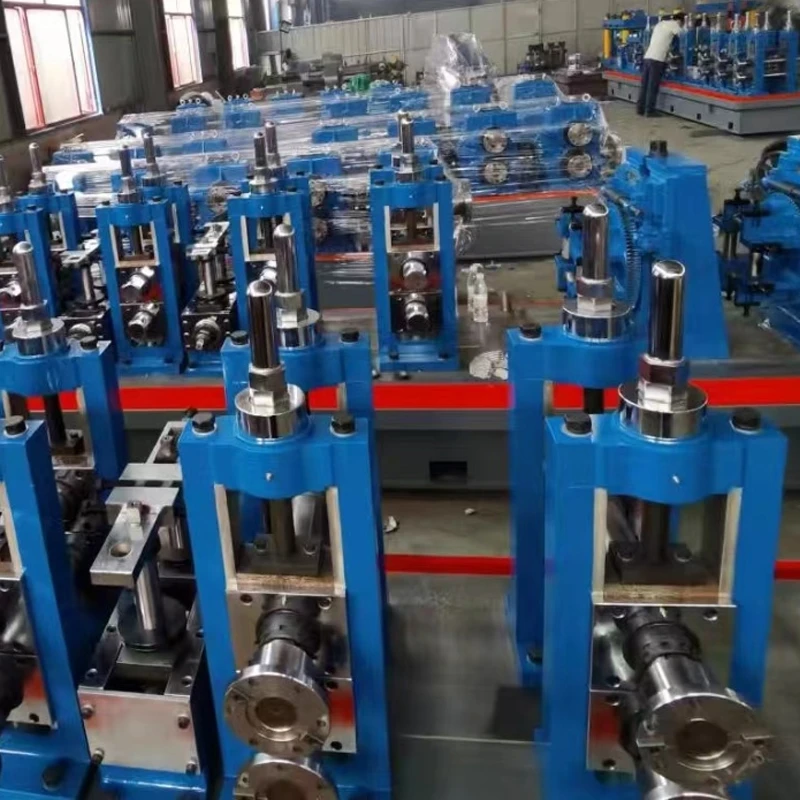
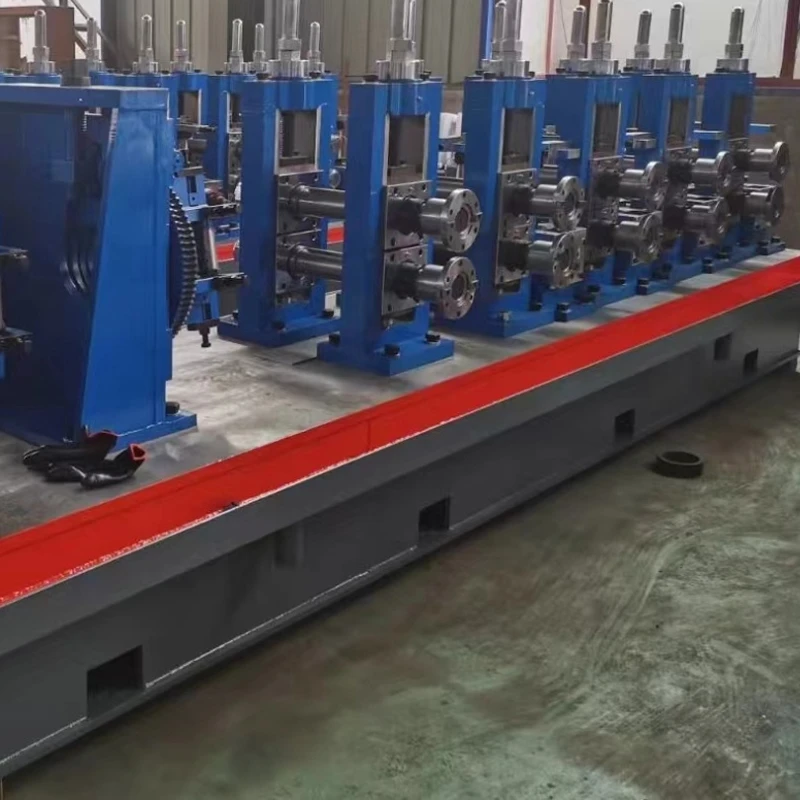
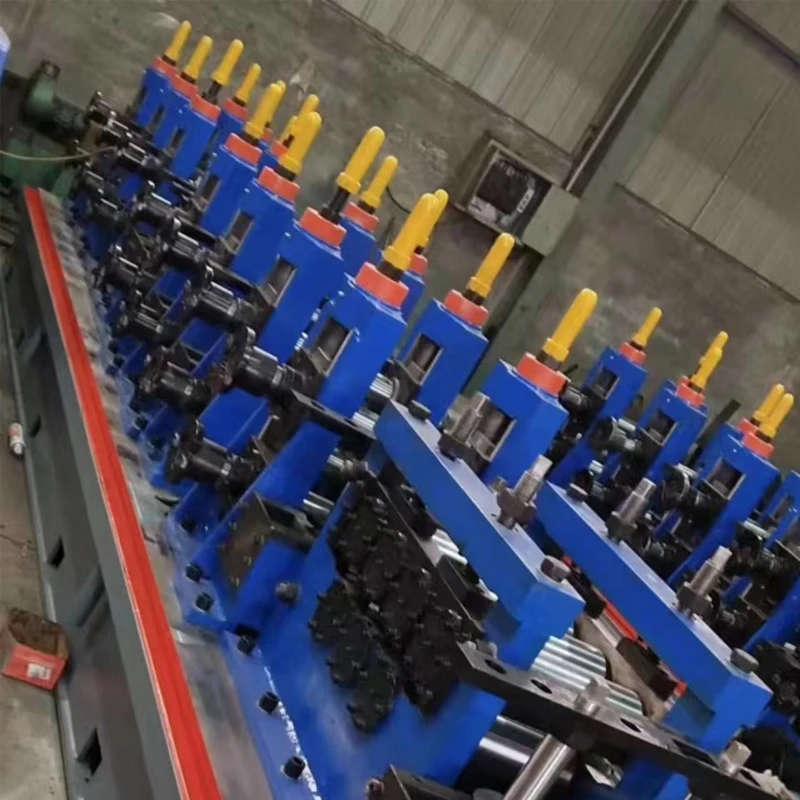
The production of line pipe steel is a complex, multi-stage process ensuring the highest standards of material integrity and performance. While methods vary slightly for seamless versus welded pipes, the core principles of material selection, forming, and quality assurance remain consistent. For welded linepipe, a common approach utilizes our state-of-the-art Welded Pipe Production Line.
Process Flow Overview:
- Material Selection (Steel Coils/Plates): The journey begins with high-quality steel coils or plates, typically low-carbon manganese steels with precise alloying elements such as Niobium, Vanadium, and Titanium. These elements enhance strength, toughness, and weldability. Common grades adhere to API 5L specifications, ensuring specific yield strength and tensile strength properties.
- Edge Preparation: For welded pipes, the edges of the steel plate or strip are precisely milled or beveled to create the ideal profile for welding. This ensures full penetration and a strong, consistent weld seam.
-
Forming (Cold Forming/Hot Forming):
- UOE Process (for large diameter pipes): Plates are progressively formed into a U-shape, then an O-shape, and finally expanded (E) to achieve the final diameter and roundness. This is a common method for LSAW (Longitudinal Submerged Arc Welded) pipes.
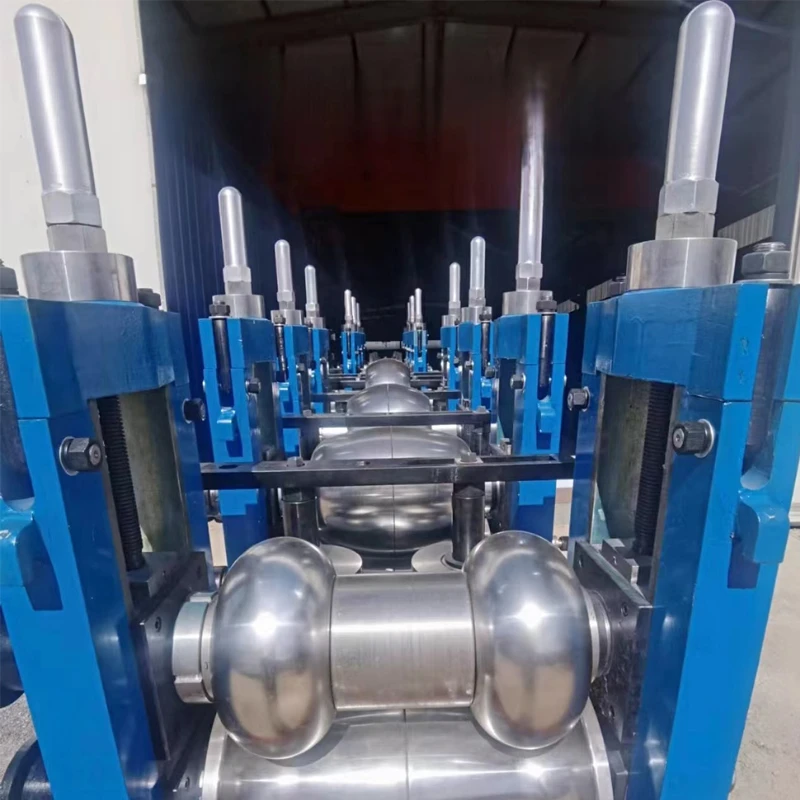
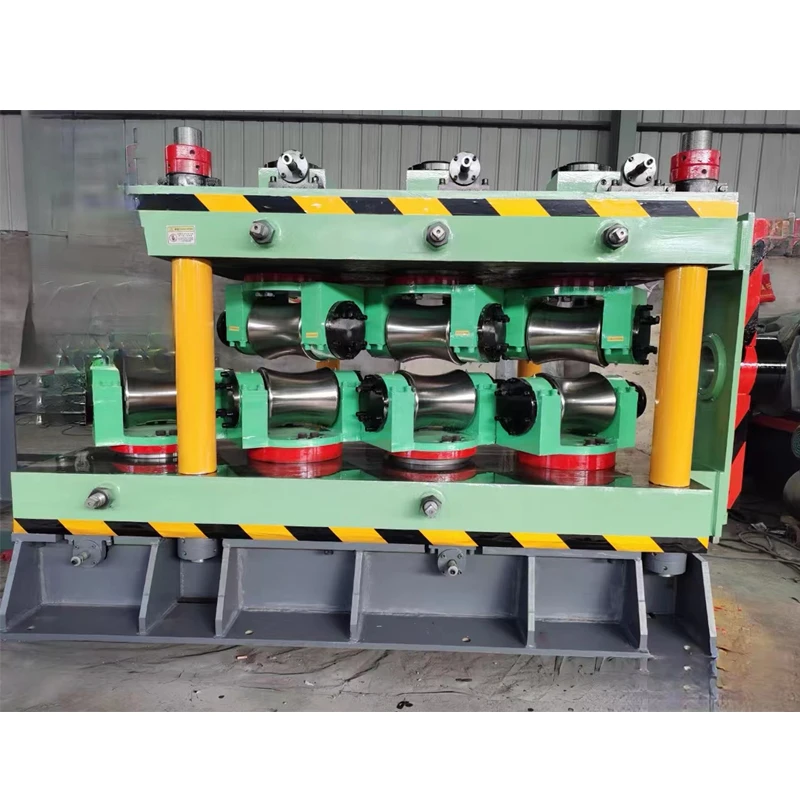
- Roll Forming (for smaller to medium diameter pipes): Steel strips are continuously fed through a series of rollers that gradually shape them into a tubular form. This is typical for ERW (Electric Resistance Welded) and spiral welded pipes (SSAW).
-
Welding:
- Submerged Arc Welding (SAW): For LSAW and SSAW pipes, multiple passes are made using a flux-covered arc, resulting in high-quality, deep-penetrating welds.
- Electric Resistance Welding (ERW): For smaller diameter linepipe, edges are heated by an electric current and pressed together to form a weld without filler metal.
- Heat Treatment: Depending on the steel grade and desired properties, pipes undergo various heat treatments (e.g., normalizing, quenching and tempering) to optimize microstructure, enhance toughness, and relieve residual stresses. This is crucial for achieving superior mechanical properties and long service life.
- Sizing and Straightening: Pipes are sized to exact external diameter and straightened to ensure precise dimensional conformity, crucial for efficient field welding and installation.
-
Non-Destructive Testing (NDT): Comprehensive testing is performed to detect any internal or external flaws. This includes:
- Ultrasonic Testing (UT) of weld seams and pipe body.
- Radiographic Testing (RT) of weld seams.
- Magnetic Particle Inspection (MPI) or Dye Penetrant Inspection (DPI) for surface flaws.
- Hydrostatic Testing: Each pipe section is subjected to internal pressure significantly higher than its operating pressure to verify its structural integrity and leak-tightness. This is a critical safety measure, adhering to standards like API 5L.
- Coating and Finishing: External and internal coatings (e.g., FBE, 3LPE, concrete weight coating) are applied to provide corrosion resistance and mechanical protection, extending the service life to typically 30-50 years, depending on environmental conditions and maintenance.
- Final Inspection and Certification: A final visual and dimensional inspection is conducted, and pipes are marked with essential information (grade, size, manufacturer) before certification and shipment. Testing standards rigorously follow ISO 3183 and ANSI/API Spec 5L guidelines.
The entire process is governed by strict quality control measures to ensure that every length of steel pipe line meets the exacting requirements for safety, performance, and longevity in demanding applications such as petrochemical, metallurgy, and water supply & drainage.
Technical Specifications and Standards for Line Pipe Steel
Technical specifications for line pipe steel are meticulously defined by international standards to ensure interoperability, safety, and performance across diverse projects. The most prominent standard is API Spec 5L (ISO 3183 equivalent), which governs the manufacturing of high-strength, low-alloy (HSLA) steel pipe suitable for conveying oil and gas. This standard categorizes pipes by grade (e.g., A, B, X42, X52, X60, X70, X80, X100, X120), each denoting a minimum specified yield strength in thousands of pounds per square inch (ksi).
Key parameters include:
- Yield Strength (YS): The stress at which a material begins to deform plastically. Critical for preventing permanent deformation under operational pressures.
- Tensile Strength (TS): The maximum stress a material can withstand while being stretched or pulled before breaking. Ensures ultimate failure resistance.
- Impact Toughness (Charpy V-notch): Measures the energy absorbed by a material during fracture, crucial for preventing brittle failure, especially at low temperatures.
- Chemical Composition: Precise control of elements like Carbon (C), Manganese (Mn), Sulfur (S), Phosphorus (P), and micro-alloying elements (Nb, V, Ti) to achieve desired mechanical properties and weldability.
- Dimensional Tolerances: Strict limits on outer diameter, wall thickness, ovality, and straightness to ensure ease of fitting and welding in the field.
Typical API 5L Line Pipe Steel Grades and Properties
| API 5L Grade | Min. Yield Strength (psi/MPa) | Min. Tensile Strength (psi/MPa) | Typical Applications |
|---|---|---|---|
| API 5L Grade B | 35,000 / 241 | 60,000 / 414 | Standard pressure piping, low-pressure gas lines |
| API 5L X42 | 42,000 / 290 | 60,000 / 414 | Medium-pressure oil and gas transmission |
| API 5L X52 | 52,000 / 359 | 66,000 / 455 | Main transmission lines, higher pressure gas gathering |
| API 5L X65 | 65,000 / 448 | 77,000 / 531 | High-pressure long-distance transmission, challenging environments |
| API 5L X80 | 80,000 / 552 | 92,000 / 634 | Next-generation high-pressure pipelines, reduced wall thickness |
Application Scenarios and Target Industries
The versatility and robustness of line pipe steel make it indispensable across a multitude of industries where reliable fluid and gas transportation is non-negotiable. Its primary application lies within the energy sector, forming the backbone of global oil and gas infrastructure.
- Petrochemical Industry: Used for transporting crude oil, refined petroleum products (gasoline, diesel, jet fuel), and various petrochemical feedstocks over long distances. High-pressure steel pipe line is essential for both onshore and offshore operations, ensuring safe transfer from extraction points to refineries and distribution hubs.
- Natural Gas Transmission: Crucial for conveying natural gas from production fields to processing plants, storage facilities, and ultimately to end-users. This includes extensive intercontinental pipelines and local distribution networks, often utilizing welded gas pipe for efficiency and cost-effectiveness.
- Water Supply & Drainage: Large-diameter linepipe is frequently employed in municipal water supply systems, irrigation projects, and industrial water treatment facilities. The corrosion resistance and high flow capacity are particularly advantageous in these scenarios.
- Mining and Slurry Transportation: In mining operations, specialized line pipes are used for transporting abrasive slurries (mixtures of solids and liquids). Enhanced wear resistance and structural integrity are key requirements here.
- Industrial Process Piping: Within large industrial complexes, steel line pipes facilitate the movement of process fluids, steam, and various gases under controlled conditions.
These pipes operate in a wide range of environments, from Arctic tundras to arid deserts and deep underwater, demanding exceptional material properties and manufacturing precision.
Technical Advantages and Performance Characteristics
The technical advantages of modern line pipe steel are multifaceted, contributing directly to enhanced operational efficiency, reduced environmental risk, and long-term cost savings.
- High Strength-to-Weight Ratio: Advanced steel grades (e.g., X80, X100) allow for thinner wall thicknesses without compromising pressure containment, reducing overall material consumption and making pipes easier and more economical to transport and install.
- Excellent Toughness and Ductility: Essential for resisting brittle fracture, especially in low-temperature applications or during seismic activity. This property also contributes to the pipe's ability to absorb energy without catastrophic failure.
- Superior Corrosion Resistance: Through optimized steel chemistry and the application of advanced internal and external coatings (e.g., FBE, 3LPE, liquid epoxy), pipes are protected against both internal and external corrosive agents, significantly extending service life and reducing maintenance costs. This leads to substantial energy saving in the long run by preventing leaks and maintaining flow efficiency.
- Enhanced Weldability: Modern linepipe steels are engineered for excellent weldability, facilitating high-speed, reliable field welding with minimal pre-heating or post-weld heat treatment, crucial for rapid pipeline construction.
- Fatigue Resistance: Designed to withstand cyclic loading from fluctuating pressures and temperatures, ensuring integrity over decades of operation.
- Environmental Adaptability: From sour gas service (resistant to H2S-induced stress corrosion cracking) to deepwater pressures, these pipes are tailored for specific, challenging environments.
Vendor Comparison and Quality Assurance
Selecting the right vendor for line pipe steel is a critical decision that impacts project timelines, budget, and long-term operational integrity. A thorough evaluation should consider not just price, but also manufacturing capabilities, adherence to standards, quality control protocols, and post-sales support. Reputable manufacturers distinguish themselves through rigorous testing, advanced production technologies, and comprehensive certifications.
Key factors for vendor evaluation:
- Certifications: Look for ISO 9001, API Spec Q1, and product-specific certifications like API 5L monogramming.
- Manufacturing Technology: Assess the type of welded pipe production line employed (e.g., UOE, JCOE, ERW, SSAW) and its ability to produce high-grade, dimensionally accurate pipes.
- Quality Control: Understand their NDT capabilities (UT, RT, MPI), hydrostatic testing, and material traceability systems.
- Experience and Track Record: Years of service, portfolio of successfully completed projects, and client testimonials are strong indicators of reliability.
- Customization Capabilities: Ability to provide specialized materials, coatings, and dimensions.
Comparative Analysis of Line Pipe Steel Vendors (Illustrative)
| Feature | Vendor A (Global Leader) | Vendor B (Specialized Provider) | Vendor C (Cost-Effective Option) |
|---|---|---|---|
| Primary Focus | Comprehensive range of API 5L grades, large diameters | High-strength, sour service, specialized coatings | Standard grades (API 5L B, X42, X52), competitive pricing |
| Certifications | API 5L, ISO 9001, 14001, OHSAS 18001 | API 5L, ISO 9001, NACE MR0175 compliance | ISO 9001, meets API 5L (non-monogrammed) |
| Production Method | UOE, JCOE, ERW, SSAW | UOE, High-frequency ERW | Spiral welded (SSAW), ERW |
| Lead Time | Standard (8-12 weeks) | Slightly longer for custom (10-16 weeks) | Faster for common grades (6-10 weeks) |
| Customer Support | Global presence, dedicated project managers | Technical experts, focused client relations | Standard support, regional offices |
Customized Solutions and Project Versatility
Modern pipeline projects often present unique challenges that standard off-the-shelf solutions cannot fully address. This is where customized line pipe solutions become invaluable. Manufacturers with advanced capabilities can tailor pipe specifications to meet precise project requirements, optimizing performance and cost-efficiency.
- Specialized Material Grades: Development of steels with enhanced resistance to sour gas (H2S), CO2 corrosion, or extremely low temperatures (e.g., Arctic grade steels) through precise alloying and thermomechanical controlled processing (TMCP).
- Custom Coatings: Application of multi-layer anti-corrosion and insulation coatings, internal flow efficiency coatings, or concrete weight coatings for offshore buoyancy control.
- Non-Standard Dimensions: Production of pipes with specific diameters, wall thicknesses, or lengths to minimize field welds and fit complex layouts. This includes specialized linepipe sections for bends, risers, and crossings.
- Integrated Solutions: Offering pre-fabricated pipe spools, bend induction, or integrated valve sections to streamline installation and reduce field work.
By collaborating with manufacturers capable of delivering such bespoke solutions, project developers can ensure that their pipeline infrastructure is perfectly matched to the operational demands and environmental conditions, maximizing reliability and extending service life.
Real-world Application Case Studies
Case Study 1: Trans-Continental Gas Pipeline Project (API 5L X70)
A major energy consortium embarked on a multi-billion dollar project to transport natural gas across three countries, spanning over 1,500 kilometers. The project demanded high-strength, large-diameter pipes capable of operating at pressures up to 120 bar. Utilizing API 5L X70 UOE welded pipe with a 3LPE coating, the pipe was selected for its superior strength-to-weight ratio, allowing for reduced wall thickness and significant cost savings in material and logistics. Advanced NDT, including automated ultrasonic testing (AUT) for 100% weld inspection, ensured the integrity of every pipe segment. The successful deployment demonstrated the critical role of high-grade linepipe in large-scale energy transmission, with an estimated service life exceeding 40 years.
Case Study 2: Deepwater Offshore Oil Export Line (API 5L X65 Sour Service)
An offshore oil field required an export pipeline running through challenging deepwater environments containing sour crude (high H2S content). Specialized API 5L X65 pipe, compliant with NACE MR0175 for sour service, was chosen. The pipe steel had meticulously controlled chemical composition and fine-grain microstructure achieved through TMCP, providing exceptional resistance to Sulfide Stress Cracking (SSC). External FBE and internal flow coatings were applied to combat external corrosion and maintain flow efficiency. The project highlighted the necessity of tailored material specifications and stringent quality control for extreme operational conditions, ensuring safe and reliable oil transportation from subsea wells.
Certifications and Authoritative References
Authoritativeness in the line pipe sector is built upon adherence to global standards and reputable certifications. Our manufacturing partners and products consistently meet or exceed these benchmarks:
- API 5L Monogram: Certification from the American Petroleum Institute (API) signifying compliance with the highest standards for pipeline transportation systems.
- ISO 9001:2015: Quality Management System certification, demonstrating a commitment to consistent quality and customer satisfaction throughout the entire production process.
- ISO 14001:2015: Environmental Management System certification, reflecting our dedication to environmentally responsible manufacturing.
- OHSAS 18001 (ISO 45001): Occupational Health and Safety Management System, ensuring a safe working environment and adherence to best practices in industrial safety.
- NACE MR0175 / ISO 15156: International standard for materials resistant to sulfide stress cracking in sour oilfield environments, critical for specific applications.
- Long-Standing Partnerships: Decades of collaboration with leading energy companies and EPC contractors worldwide, validating our consistent product quality and service reliability.
Our track record includes over two decades of supplying high-quality linepipe and welded gas pipe solutions, supported by extensive in-house research and development and a team of certified metallurgical engineers.
Frequently Asked Questions (FAQ)
- Q: What is the primary difference between seamless and welded line pipe?
- A: Seamless pipes are manufactured from a solid round steel billet heated and pushed or pulled over a piercing rod to form a hollow tube. Welded pipes are made from steel plate or coil, formed into a cylindrical shape, and then welded along the seam. Welded pipes, particularly LSAW, are highly reliable for large diameters and often preferred for major transmission lines due to consistent wall thickness and competitive cost.
- Q: How do environmental factors impact the selection of pipeline materials?
- A: Environmental factors such as temperature extremes (Arctic, desert), seismic activity, and corrosive soil/water conditions significantly influence material grade, wall thickness, and coating requirements. For instance, low-temperature toughness is critical for Arctic pipelines, while sour service grades are essential for applications involving hydrogen sulfide.
- Q: What testing is mandatory for line pipe before deployment?
- A: Mandatory testing includes mechanical tests (tensile, yield, impact), chemical analysis, dimensional checks, non-destructive testing (ultrasonic, radiographic, magnetic particle), and crucial hydrostatic pressure testing to ensure integrity against leaks under operational pressures. All our linepipe products undergo rigorous adherence to API 5L or relevant international standards.
- Q: Can your company provide custom line pipe solutions?
- A: Yes, we specialize in providing customized linepipe solutions tailored to specific project needs, including specialized steel grades, custom dimensions, advanced internal and external coatings, and comprehensive fabrication services. Our engineering team works closely with clients from conceptualization to delivery.
Lead Time, Warranty, and After-Sales Support
We understand that project timelines and long-term reliability are paramount for our B2B clients.
- Lead Time & Fulfillment: Typical lead times for standard line pipe orders range from 8 to 12 weeks, depending on volume, grade, and specific finishing requirements. For highly customized solutions or very large-scale projects, lead times will be precisely quoted during the proposal phase. We maintain robust production capabilities and efficient logistics to ensure timely delivery to global destinations, supported by real-time tracking and dedicated project coordination.
- Warranty Commitments: All our line pipe products are backed by a comprehensive warranty covering material defects and manufacturing faults, in full compliance with international standards such as API 5L and contract specifications. Our warranty typically extends for a period of 12 months after installation or 18 months after shipment, whichever comes first, provided proper handling, installation, and operation guidelines are followed. Specific warranty details are provided with each quotation.
- Customer Support & After-Sales Service: Our commitment extends beyond product delivery. We offer dedicated after-sales support, including technical consultation for installation, operational optimization, and troubleshooting. Our global network of service engineers and specialists is available to provide on-site assistance or remote support. For any inquiries, spare parts, or technical guidance, clients can reach our support team via phone or email during business hours. We also provide documentation and training resources to ensure optimal use and maintenance of our products.
Conclusion
The demand for high-performance pipeline materials continues to grow, driven by the evolving global energy landscape and stringent safety and environmental regulations. As a critical component in the transportation of vital resources, the quality, integrity, and technical specifications of linepipe are non-negotiable. By understanding the intricate manufacturing processes, adhering to rigorous international standards like API 5L, and leveraging advanced material science, we ensure that our welded pipe production line delivers solutions that meet the most demanding project requirements. Our commitment to expertise, experience, authoritativeness, and trustworthiness provides our B2B partners with reliable, long-lasting infrastructure for their critical applications.
References
- American Petroleum Institute. API Specification 5L: Specification for Line Pipe.
- International Organization for Standardization. ISO 3183: Petroleum and natural gas industries - Steel pipe for pipelines - Technical delivery conditions.
- NACE International. MR0175 / ISO 15156: Petroleum and natural gas industries – Materials for use in H2S-containing environments in oil and gas production.
- Energy Information Administration (EIA). International Energy Outlook.
- Steel Manufacturers Association. Trends in Steel Production and Applications.
- PipeLine & Gas Journal. Various articles on pipeline technology and materials.
-
Comprehensive Guide to hdpe Making Machines: Global Impact, Features & TrendsNewsDec.02,2025
-
Comprehensive Guide to Garden Pipe Manufacturing Machine – Features, Benefits, and TrendsNewsDec.02,2025
-
Comprehensive Guide to Garden Pipe Making Machines: Features, Trends & BenefitsNewsDec.02,2025
-
Comprehensive Guide to Galvanized Pipe Making Machine – Durability & Innovation in Steel PipesNewsDec.02,2025
-
What Is an Extrusion Pipe Machine? Global Importance, Applications & BenefitsNewsDec.02,2025
-
Comprehensive Guide to ERW Tube Mill Machine: Global Insights and Industry ApplicationsNewsDec.02,2025
