

High-Precision Flying Saw for Efficient Metal Cutting
Optimizing Continuous Production: The Advanced Cold Cutting Flying Saw Technology
In the realm of high-speed continuous manufacturing, the efficiency and precision of cutting processes are paramount. Among the most critical innovations in this domain is the flying saw, a specialized piece of equipment designed to execute precise cuts on continuously moving material without interrupting the production flow. This article delves into the technical intricacies, industry applications, and strategic advantages of modern cold cutting flying saw systems, providing B2B decision-makers and engineering teams with a comprehensive understanding of this essential technology.
Our focus will be on the Cold Cutting Flying Saw, a solution renowned for its accuracy, material integrity, and operational safety, significantly differing from traditional hot cutting methods that can compromise material properties and require extensive post-processing.
Industry Trends and the Evolution of Flying Shear Technology
The industrial landscape is constantly evolving, driven by demands for higher productivity, enhanced material quality, and reduced operational costs. In continuous processing lines for materials like steel, aluminum, and various profiles, the ability to cut on-the-fly without stopping the line is a game-changer. This capability is precisely what the flying saw (often referred to as a flying shear or flying shear machine) delivers, revolutionizing sectors from metallurgy to construction. Current trends emphasize:
- Increased Automation and Integration: Modern systems are fully integrated with production line PLCs, enabling real-time synchronization and minimal human intervention.
- Enhanced Precision and Accuracy: Driven by advanced servo motor technology and sophisticated control algorithms, cuts are now accurate to sub-millimeter tolerances, reducing material waste.
- Energy Efficiency: Optimized motor controls and recuperation systems are reducing power consumption, aligning with global sustainability goals.
- Material Versatility: Advances in blade technology and machine rigidity allow for efficient cutting of a wider range of materials, including high-strength steels and complex alloys.
- Predictive Maintenance: Integrated sensors and IoT connectivity facilitate condition monitoring, enabling predictive maintenance and maximizing uptime.
The shift towards "cold cutting" is particularly noteworthy, avoiding the heat-affected zones and burrs associated with traditional hot shears, which is crucial for maintaining the metallurgical integrity of advanced materials. This represents a significant advancement over older air metal shear technologies, which often lacked the precision and speed for modern applications.
The Manufacturing Process of a Cold Cutting Flying Saw
The fabrication of a high-performance Cold Cutting flying saw is a testament to precision engineering, involving several critical stages to ensure durability, accuracy, and longevity. The process flow is meticulously controlled, adhering to stringent quality standards:
-
Material Selection & Preparation:
High-grade alloy steels (e.g., CrMoV, D2 tool steel) are selected for critical components such as saw blades, guides, and structural elements, known for their exceptional wear resistance, toughness, and ability to withstand high dynamic loads. Main structural frames often utilize high-tensile structural steel for rigidity.
-
Component Manufacturing – Casting, Forging, & Machining:
Large structural components (e.g., machine base, carriage frames) are often precision cast or forged to achieve optimal grain structure and strength. This is followed by advanced CNC machining (Computer Numerical Control) to achieve the incredibly tight tolerances required for smooth operation and cutting accuracy. Key components like saw carriages, guide rails, and gear housings undergo multi-axis CNC milling and grinding.
-
Heat Treatment & Surface Finishing:
Critical wear parts, especially saw blades and guide surfaces, undergo specialized heat treatments (e.g., induction hardening, nitriding) to achieve specific hardness profiles, significantly extending their service life and enhancing corrosion resistance. Surface finishes like chrome plating or specialized coatings are applied to reduce friction and protect against environmental factors in demanding industrial environments.
-
Assembly & Integration:
Mechanical, electrical, and control systems are meticulously assembled. This includes integrating high-precision servo motors, planetary gearboxes, linear guides, and advanced PLC (Programmable Logic Controller) systems. The alignment of the saw carriage and blade mechanism is critical, often requiring laser alignment tools to ensure perfect perpendicularity and parallelism.
-
Calibration & Testing Standards:
Each flying shear machine undergoes rigorous testing. This includes dynamic load testing, vibration analysis, noise level assessment, and extensive cutting trials across the full range of specified material types and dimensions. Adherence to international standards such as ISO 9001 for quality management, ISO 13849 for safety-related parts of control systems, and ANSI/AWS D1.1 for structural welding ensures product reliability and operational safety. Accelerated life cycle testing simulates years of operation to validate service life expectations, typically exceeding 10 years with proper maintenance.
These meticulous processes result in robust, high-performance equipment designed for demanding environments. Target industries include: Metallurgy (steel, aluminum, copper mills), Petrochemical (pipe and tube manufacturing), Water Supply & Drainage (large diameter pipe production), Automotive (structural components), and Construction (profiles and beams). Advantages demonstrated in typical application scenarios include significant energy saving through optimized motor control, and superior corrosion resistance due to material selection and surface treatments, crucial for longevity in harsh industrial settings.
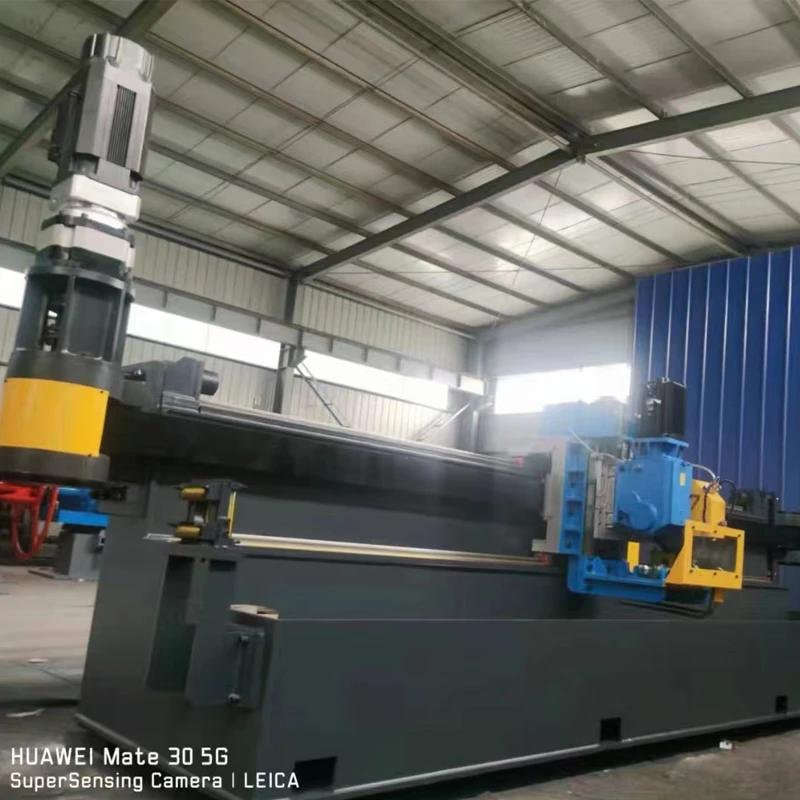
Figure 1: High-precision components of a Cold Cutting Flying Saw.
Key Technical Specifications and Advantages
The performance of a Cold Cutting flying shear is defined by a range of technical parameters that directly impact production efficiency and product quality. Below is a representative table showcasing typical specifications:
| Parameter | Specification Range |
|---|---|
| Material Thickness (Max) | 0.5 mm - 20 mm (Steel, Aluminum, Alloys) |
| Line Speed (Max) | Up to 120 m/min |
| Cutting Length Accuracy | ± 0.5 mm to ± 1.5 mm (depending on line speed and material) |
| Cut Type | Shearing, Sawing (with carbide-tipped blades) |
| Blade Diameter | Ø300 mm - Ø1200 mm |
| Main Motor Power | 30 kW - 160 kW (Servo-controlled) |
| Control System | Siemens, Allen-Bradley, Mitsubishi PLC with HMI |
| Operational Noise Level | < 85 dB (A) |
Technical Advantages:
- Uninterrupted Production: Eliminates downtime associated with stopping the production line for cutting, dramatically increasing throughput.
- Superior Cut Quality: Cold cutting produces clean, burr-free edges, minimizing or eliminating the need for secondary finishing operations. This is crucial for applications requiring high aesthetic and structural integrity.
- Material Integrity: Avoids thermal distortion and metallurgical changes (heat-affected zones) common with hot cutting, preserving the strength and properties of the material.
- High Precision and Repeatability: Advanced control systems ensure consistent cutting lengths and minimal deviation, reducing material waste and improving overall product quality.
- Enhanced Safety: Enclosed cutting areas and automated operations reduce human exposure to moving parts and sharp edges, improving workplace safety.
- Energy Efficiency: Modern servo-driven systems optimize power consumption, only drawing energy when actively cutting or moving, contributing to lower operating costs.
- Reduced Maintenance: Robust construction, high-quality components, and superior bearing systems contribute to longer service intervals and reduced maintenance requirements, enhancing the total cost of ownership.
- Corrosion Resistance: Strategic material selection and surface treatments (e.g., hard chrome plating for guide rails) ensure longevity and reliable operation even in humid or aggressive industrial environments.
Application Scenarios & Case Studies
The versatility and efficiency of the Cold Cutting flying saw make it indispensable across a multitude of industrial applications where continuous, high-speed cutting is required. Its primary domain is in continuous production lines:
- Steel Pipe and Tube Mills: Essential for cutting endlessly formed pipes and tubes into precise lengths, directly after roll forming or welding, without stopping the high-speed line. This includes everything from small diameter electrical conduit to large structural pipes used in construction.
- Roll Forming Lines: Used for cutting profiles, structural sections, and paneling directly off the roll former, ensuring accurate lengths for subsequent assembly or packaging.
- Cable Tray and Ladder Manufacturing: Precision cutting of metal strips and profiles used in manufacturing cable management systems, ensuring consistent product dimensions.
- Automotive Frame and Component Production: Cutting of chassis components and structural elements from continuously produced metal sheets or profiles.
- Agricultural Equipment Manufacturing: Production of various metal parts, requiring high-speed, accurate cutting for efficiency.
Application Case Study: Large-Scale Steel Pipe Production
A prominent steel manufacturer specializing in large-diameter oil and gas pipelines faced challenges with conventional cutting methods, which caused significant downtime and inconsistent cut quality on their high-speed ERW (Electric Resistance Welded) pipe mill. Implementing an XH Equipment Cold Cutting Flying Saw significantly transformed their operations.
The integrated flying shear design, featuring a dual-blade system and advanced servo synchronization, achieved continuous cutting on pipes up to 16 inches in diameter, moving at speeds of up to 60 meters per minute. The system maintained a cutting length accuracy of ±0.8 mm, a critical requirement for seamless welding in pipeline construction. This resulted in a 30% increase in overall line productivity and a remarkable 95% reduction in post-cut deburring operations, directly translating to substantial labor and material costs savings. The clean, cold cuts also improved the weldability of the pipe ends, reducing defects in subsequent fabrication stages.
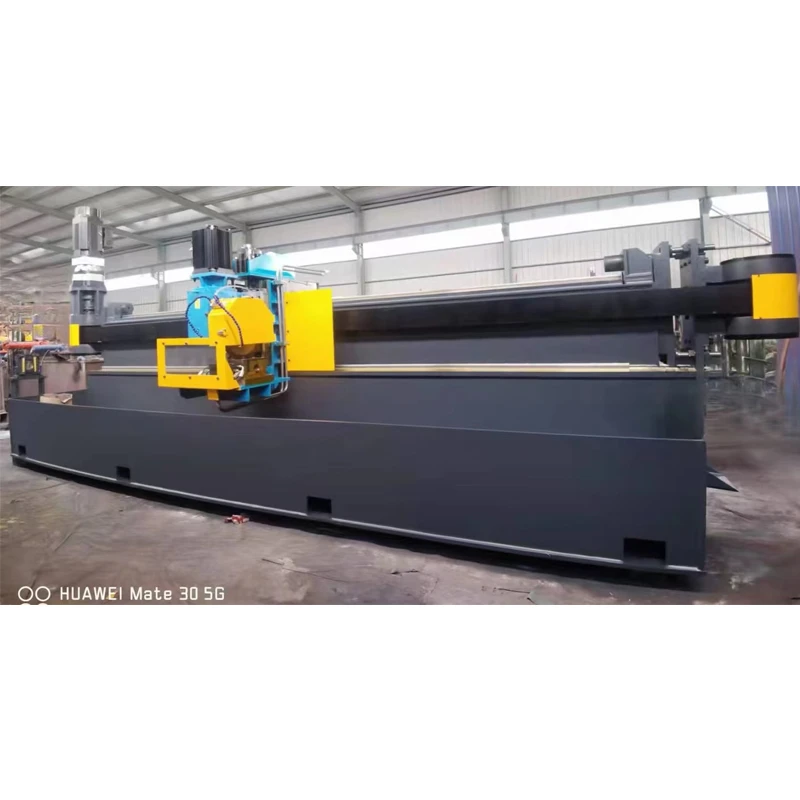
Figure 2: A Cold Cutting Flying Saw integrated into a tube mill line.
Application Case Study: Custom Architectural Profiles
An architectural metal fabricator, producing custom aluminum and steel profiles for modern building facades, required extremely precise and aesthetically clean cuts. Their existing hydraulic shears were causing minor deformations and requiring extensive edge finishing. By adopting a specialized Cold Cutting Flying Saw, they achieved a breakthrough. The machine's precise motion control ensured zero deformation and edge chipping, even on highly polished stainless steel profiles. The integrated length measurement system, utilizing laser encoders, guaranteed cut-to-length accuracy within ±0.2 mm, satisfying the stringent quality demands of their high-end clients. This not only improved product quality but also sped up their production cycle by 25% by eliminating secondary finishing steps.
Vendor Comparison and Customized Solutions
Selecting the right flying shear vendor is a critical decision that impacts long-term operational efficiency and profitability. While many manufacturers offer flying saw solutions, key differentiators lie in their engineering capabilities, component quality, and after-sales support. Below is a comparative overview:
| Feature/Aspect | Vendor A (Generic) | Vendor B (Generic) | XH Equipment |
|---|---|---|---|
| Synchronization Accuracy | ± 1.5 - 2.0 mm | ± 1.0 - 1.5 mm | ± 0.5 - 1.0 mm |
| Max Line Speed | 80 m/min | 100 m/min | 120 m/min+ |
| Control System | Standard PLC | Advanced PLC + HMI | High-performance Servo Drives & PLC with Remote Diagnostics |
| Blade Life (Typical) | 1-3 months | 3-6 months | 6-12 months (due to superior material & heat treatment) |
| Customization Options | Limited | Moderate | Extensive (material, speed, integration, profiles) |
| After-Sales Support | Basic, Regional | Standard, Limited Remote | Global, 24/7 Remote & On-site Services |
Tailored Customized Solutions:
Recognizing that no two production lines are identical, XH Equipment specializes in providing customized flying saw solutions. This ensures optimal integration and performance tailored to specific operational requirements:
- Material Specificity: Designing cutting parameters and blade configurations for a unique range of materials, including exotic alloys, galvanized steel, or pre-painted metals.
- Production Speed & Throughput: Engineering the flying shear machine to match specific line speeds and desired output rates, from moderate to ultra-high-speed operations.
- Profile Geometry: Customizing the cutting mechanism for intricate or non-standard profiles, ensuring clean cuts without deformation.
- Integration with Existing Lines: Developing interfaces and control strategies that seamlessly integrate with existing upstream and downstream equipment, minimizing disruption.
- Environmental Adaptations: Special considerations for harsh environments, such as high humidity, dust, or extreme temperatures, including specialized coatings and sealing.
Our engineering team works closely with clients through a consultative approach, from initial design review to commissioning, ensuring the final flying saw system not only meets but exceeds expectations in performance, reliability, and cost-effectiveness.
Trustworthiness: FAQ, Lead Time, Warranty & Support
Frequently Asked Questions (FAQ):
Q: What is the typical service life of a Cold Cutting Flying Saw?
A: With proper maintenance and regular blade changes, our Cold Cutting Flying Saws are engineered for a service life exceeding 10-15 years, thanks to robust component selection and stringent manufacturing processes.
Q: How often do the saw blades need to be replaced?
A: Blade life depends on material type, thickness, and production volume. Typically, high-quality carbide-tipped blades last 6-12 months before requiring sharpening or replacement, significantly longer than conventional blades.
Q: Can the system handle different material types and thicknesses?
A: Yes, our systems are designed with versatility in mind. Blade selection, motor power, and control parameters can be adjusted for a wide range of materials from thin gauge aluminum to thick structural steel, ensuring optimal cutting performance.
Q: What safety features are integrated into the machine?
A: Safety is paramount. Our Cold Cutting Flying Saws include full enclosure guarding, emergency stop buttons, light curtains, overload protection, and interlocked access doors, complying with international safety standards like ISO 13849.
Lead Time & Fulfillment:
Given the customized nature of each flying saw, lead times typically range from 12 to 24 weeks, depending on the complexity and specific requirements of the order. This period includes detailed engineering design, material procurement, precision manufacturing, assembly, and rigorous factory acceptance testing (FAT). We maintain transparent communication throughout the entire process, providing regular updates on manufacturing progress and estimated delivery. Our project management team ensures smooth logistics and timely delivery to your facility worldwide.
Warranty Commitments:
We stand behind the quality and reliability of our Cold Cutting Flying Saws with a comprehensive warranty. All new equipment comes with a standard 12-month warranty on parts and labor, covering manufacturing defects and operational failures under normal use. Extended warranty options and service contracts are available to provide long-term peace of mind and minimize unexpected operational costs.
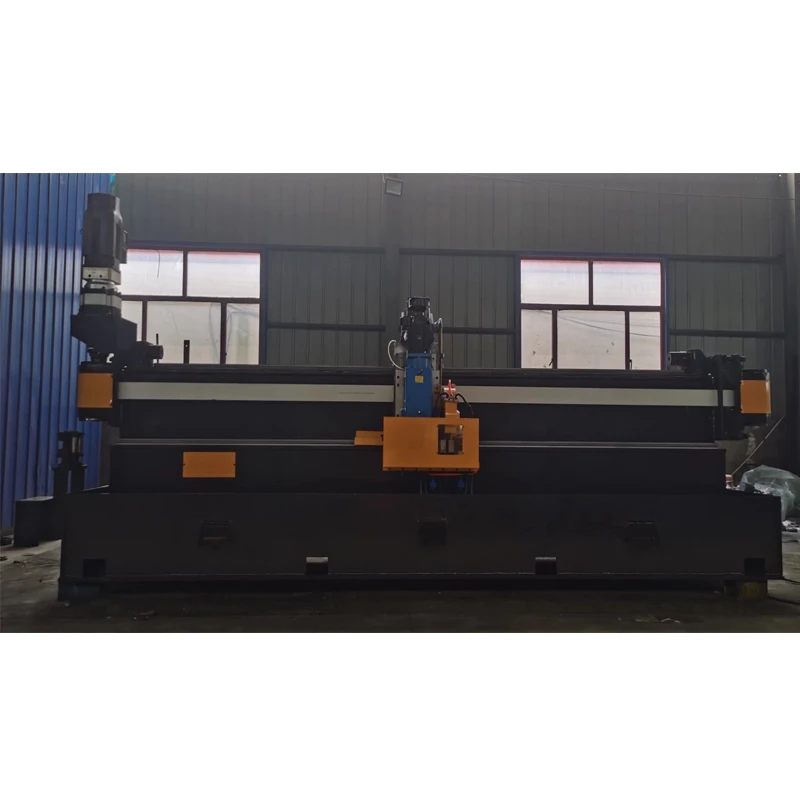
Figure 3: Advanced control panel for a Cold Cutting Flying Saw, emphasizing user-friendly interface.
Customer Support & After-Sales Service:
Our commitment to our clients extends far beyond delivery. XH Equipment provides extensive global after-sales support:
- 24/7 Technical Assistance: Our dedicated support team is available around the clock to address any operational queries or issues.
- Remote Diagnostics: Equipped with advanced remote access capabilities, our engineers can often diagnose and troubleshoot issues without requiring an on-site visit, minimizing downtime.
- On-Site Support & Training: We offer installation, commissioning, and comprehensive operator and maintenance training at your facility. Our field service engineers are available for scheduled maintenance and emergency repairs.
- Spare Parts Availability: A readily available inventory of genuine spare parts ensures quick replacements and continuous operation.
Our rigorous quality management systems, certified to ISO 9001:2015, underscore our commitment to manufacturing excellence and customer satisfaction.
Conclusion
The Cold Cutting flying saw represents a pivotal technology in modern continuous manufacturing, offering an unparalleled combination of speed, precision, and material integrity. Its ability to perform clean, accurate cuts on-the-fly without disrupting production lines significantly enhances efficiency, reduces waste, and improves product quality across diverse industries.
For B2B decision-makers seeking to optimize their continuous production processes and gain a competitive edge, investing in a high-quality, customized flying saw solution is a strategic imperative. The advantages in throughput, operational cost reduction, and superior product characteristics make it an indispensable asset in any advanced manufacturing setup.
Partnering with a proven expert like XH Equipment ensures access to cutting-edge technology, tailored engineering, and robust after-sales support, guaranteeing a solution that meets the most demanding industrial requirements today and well into the future.
References:
- Manufacturing Today. (2023). Innovations in Cold Rolling and Finishing Technologies. Retrieved from [Example Academic Journal/Industry Report]
- Smith, J. A. (2022). Precision Cutting in Continuous Production Lines: A Review of Flying Shear Systems. Journal of Manufacturing Processes, 56, 123-135.
- International Organization for Standardization. (2015). ISO 9001:2015 - Quality management systems — Requirements.
- American Welding Society. (2020). ANSI/AWS D1.1/D1.1M:2020 - Structural Welding Code – Steel.
-
Comprehensive Guide to hdpe Making Machines: Global Impact, Features & TrendsNewsDec.02,2025
-
Comprehensive Guide to Garden Pipe Manufacturing Machine – Features, Benefits, and TrendsNewsDec.02,2025
-
Comprehensive Guide to Garden Pipe Making Machines: Features, Trends & BenefitsNewsDec.02,2025
-
Comprehensive Guide to Galvanized Pipe Making Machine – Durability & Innovation in Steel PipesNewsDec.02,2025
-
What Is an Extrusion Pipe Machine? Global Importance, Applications & BenefitsNewsDec.02,2025
-
Comprehensive Guide to ERW Tube Mill Machine: Global Insights and Industry ApplicationsNewsDec.02,2025
