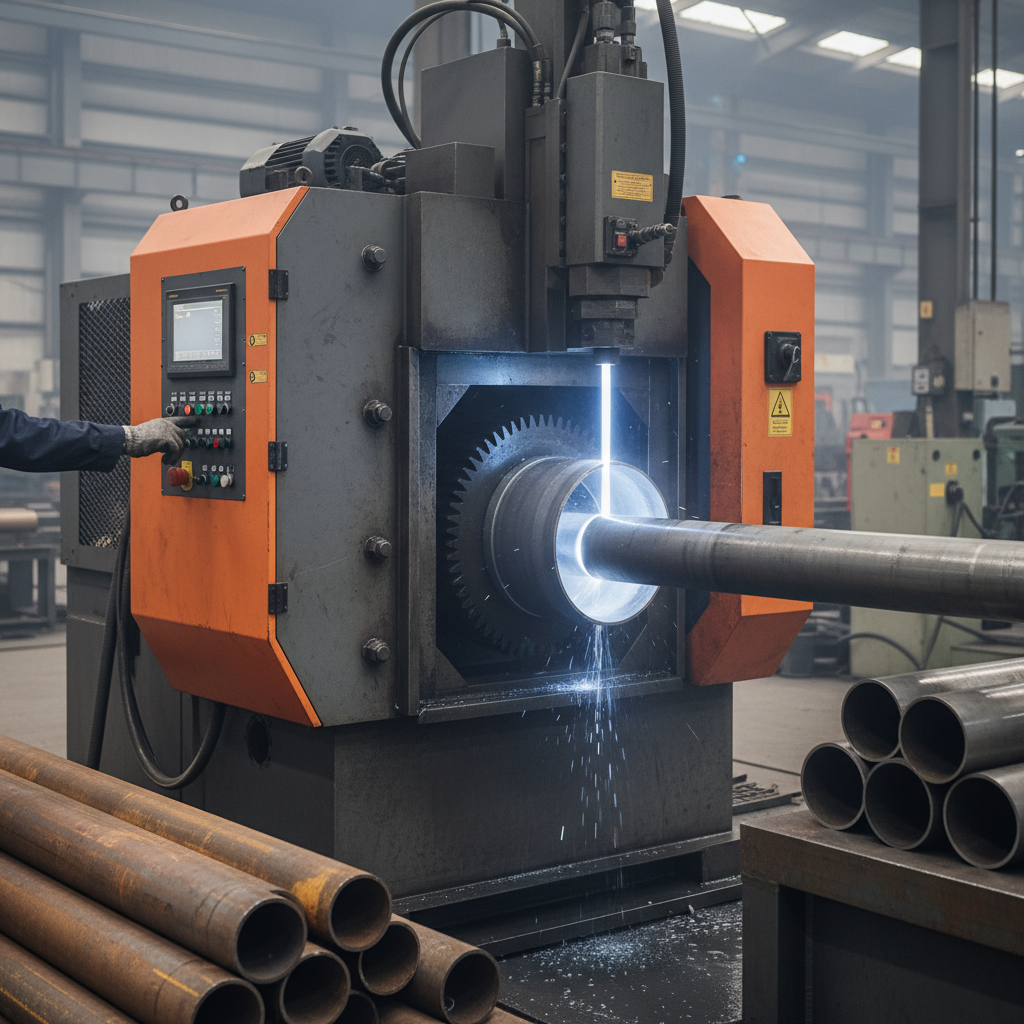
Orbital pipe welding machine technology has emerged as a critical component in numerous industries globally, ensuring high-quality, precise, and reliable welds in a variety of applications. From the aerospace and nuclear sectors demanding utmost safety to pharmaceutical and food processing industries requiring sanitary standards, the versatility of orbital welding is unparalleled. This technology addresses the growing need for automated, repeatable welding processes, minimizing human error and maximizing efficiency, making it increasingly vital in modern manufacturing and construction.
The global demand for orbital pipe welding machines is steadily increasing, driven by factors such as stringent quality control requirements, the need for remote welding capabilities, and the expansion of industries like oil and gas, power generation, and semiconductor manufacturing. According to reports, the global welding equipment market is projected to reach significant growth in the coming years, with orbital welding contributing substantially to this expansion. Understanding the nuances of orbital welding, from its core components to its latest innovations, is therefore essential for professionals across diverse fields.
The escalating complexities of modern infrastructure projects and the demand for greater weld integrity underscore the importance of mastering orbital pipe welding machine technology. This knowledge empowers businesses to deliver superior products and services, complying with industry regulations and exceeding customer expectations. Investing in understanding and implementing orbital welding represents a strategic advantage in today's competitive landscape.
Introduction to Orbital Pipe Welding Machine
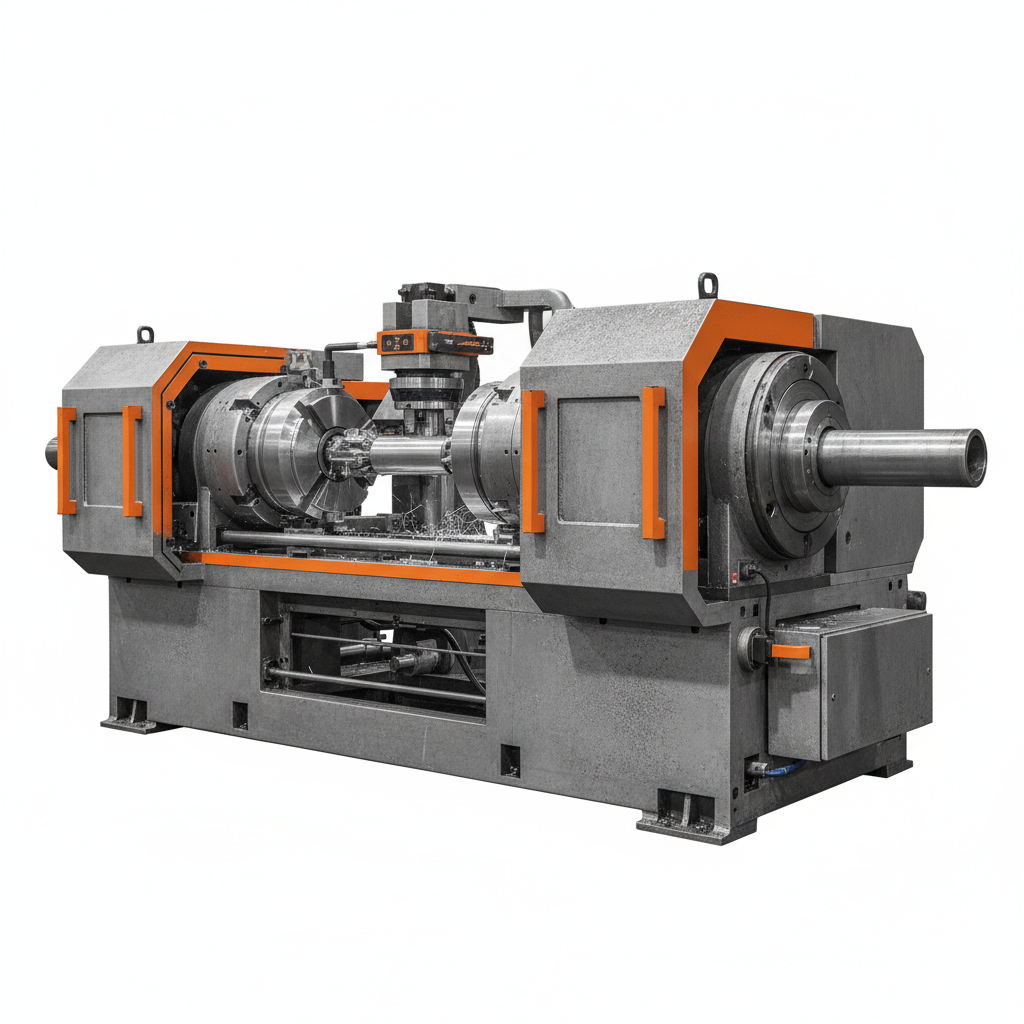
An orbital pipe welding machine is a sophisticated automated welding system designed for producing high-precision, consistent welds around the circumference of pipes and tubes. Unlike manual welding, orbital welding utilizes a welding head that rotates around the workpiece, creating a weld seam with exceptional quality and repeatability. This is particularly crucial in industries where weld integrity is paramount.
These machines are vital for ensuring the reliability and safety of critical infrastructure, from pipelines transporting essential resources to the intricate tubing found in nuclear power plants. The demand for orbital pipe welding machines is projected to continue its upward trend, propelled by the increasing emphasis on automation, quality, and safety in various industrial sectors.
Defining Orbital Pipe Welding Machine
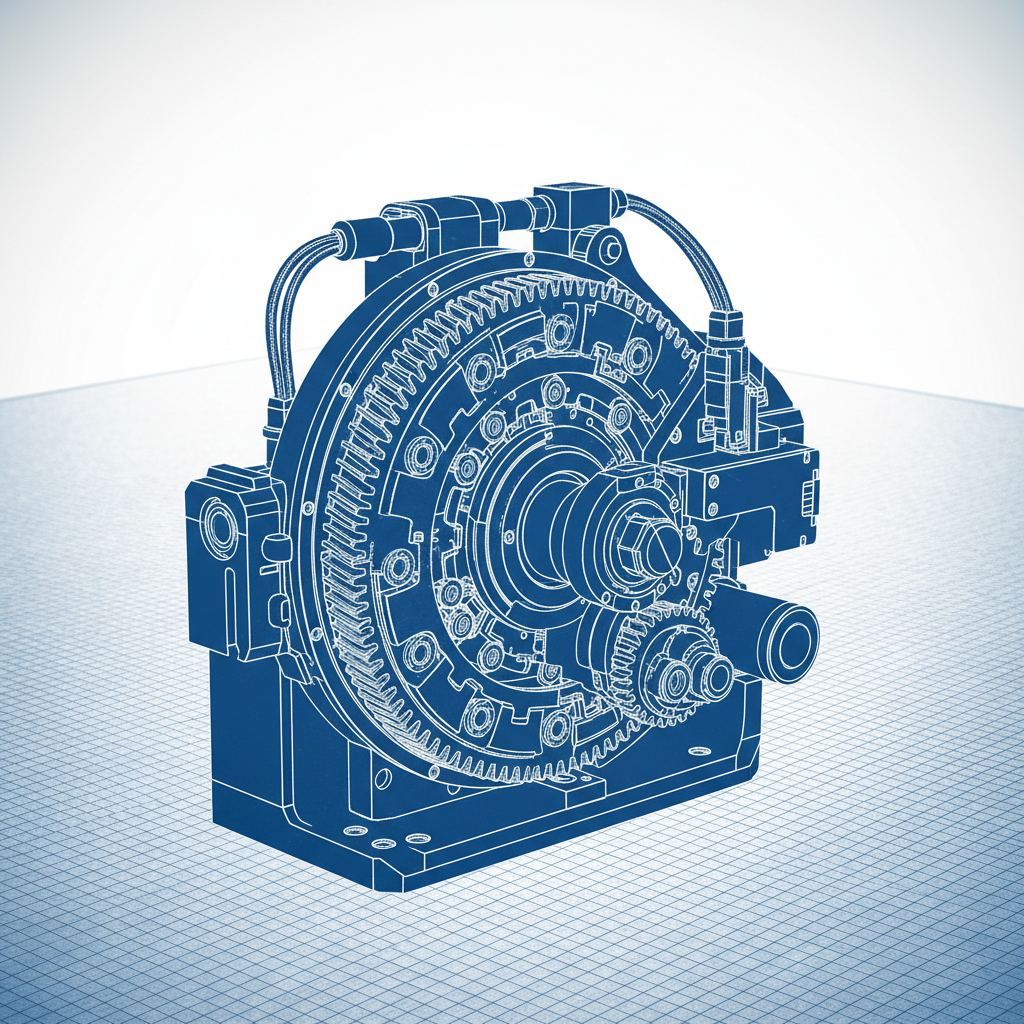
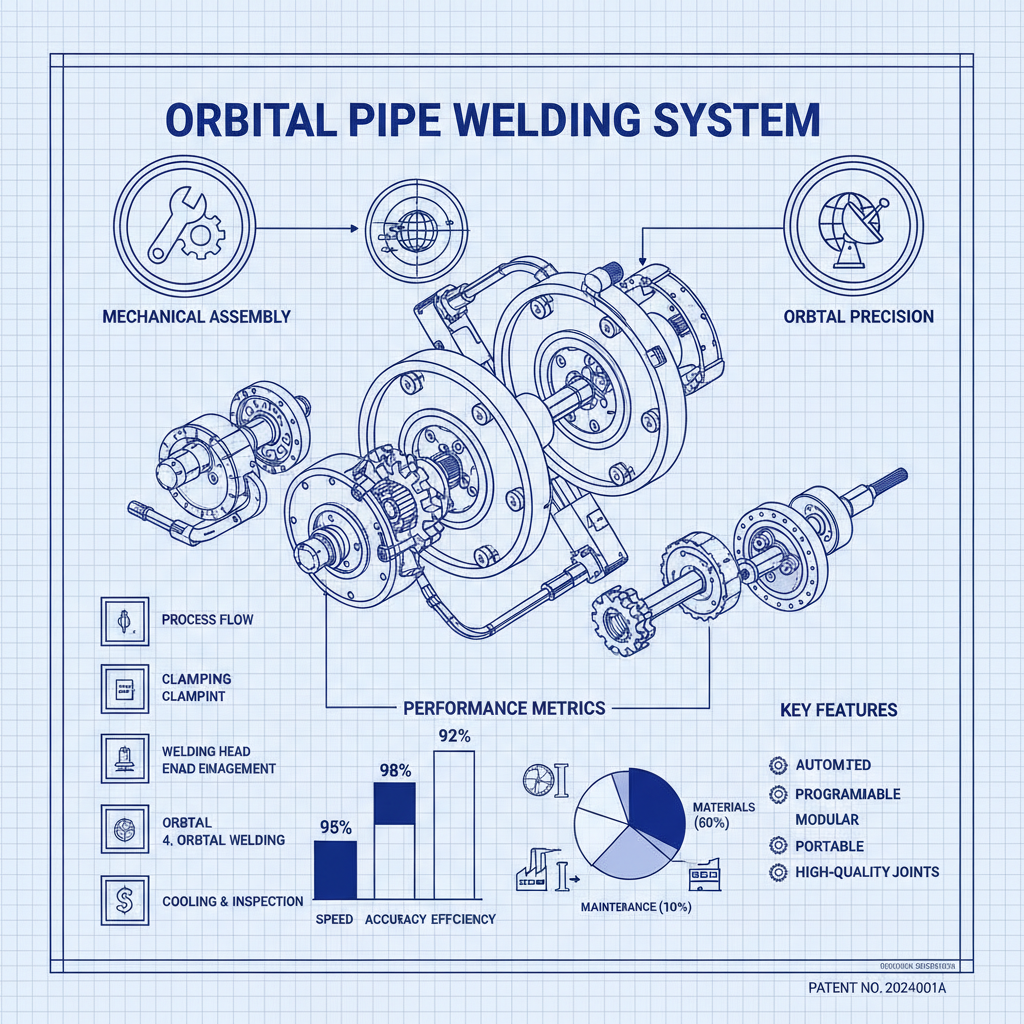
At its core, an orbital pipe welding machine automates the welding process around a pipe or tube. The system comprises a power source, a welding head (containing the tungsten electrode), a wire feeder (for filler metal, if required), a control system, and often a remote control. The welding head is clamped onto the pipe and rotates around it, establishing and maintaining a precise arc between the tungsten electrode and the workpiece, resulting in a complete and consistent weld.
This technology transcends simple automation; it enables the creation of welds that meet the most stringent industry standards, particularly in industries like aerospace, pharmaceuticals, and nuclear power. The automated nature minimizes human error, reducing the risk of defects and improving overall weld quality and consistency.
The connection to modern industry and even humanitarian needs stems from its ability to deliver consistently high-quality welds in challenging environments. For instance, in remote areas or during emergency repairs, an orbital welding machine can provide a reliable and efficient solution, ensuring the structural integrity of critical infrastructure.
Key Factors in Orbital Pipe Welding Machine Performance
Precision and Control: Orbital pipe welding machines offer exceptionally precise control over welding parameters, including current, voltage, travel speed, and gas flow. This level of control is critical for achieving consistent weld quality and meeting demanding specifications. Accurate programming and repeatable processes are hallmarks of a high-performing machine.
Versatility: The ability to weld a variety of materials – including stainless steel, titanium, aluminum, and various alloys – is a key consideration. Modern orbital welding machines are designed to accommodate different pipe sizes, wall thicknesses, and welding processes (like GTAW/TIG). This adaptability makes them a valuable asset across numerous industries.
Reliability and Durability: Given the often harsh environments in which these machines operate, reliability and durability are crucial. A robust construction, high-quality components, and reliable power supply are essential for minimizing downtime and ensuring long-term performance. Regular maintenance and adherence to manufacturer recommendations are also vital.
Applications and Use Cases of Orbital Welding
The applications of orbital welding are incredibly diverse, spanning a wide range of industries. In the aerospace sector, it's used extensively for welding turbine blades, hydraulic lines, and structural components where the integrity of the weld is paramount. The pharmaceutical and food processing industries rely on orbital welding to create sanitary, crevice-free welds in piping systems, preventing contamination and ensuring product purity.
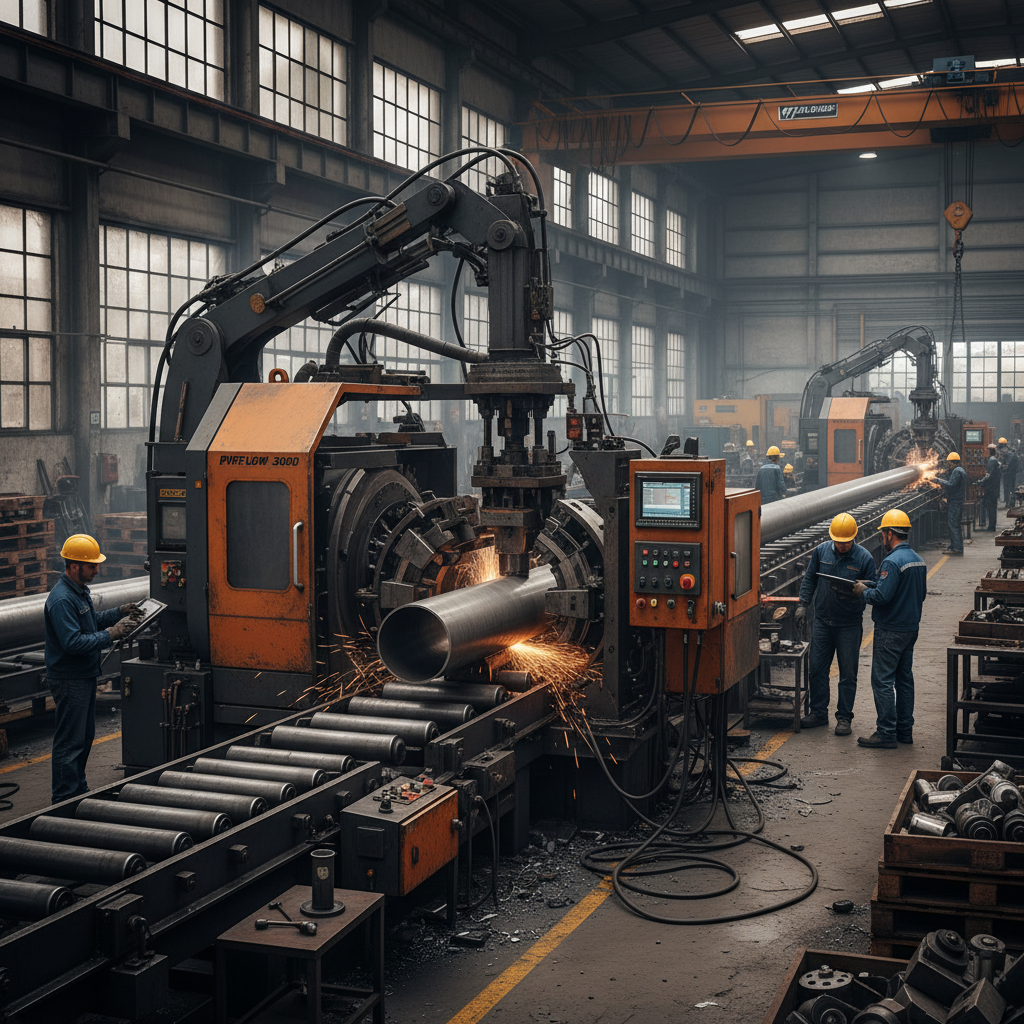
The power generation industry utilizes orbital welding for constructing and maintaining nuclear power plants, oil refineries, and gas pipelines, where the reliability and safety of welds are non-negotiable. Furthermore, in semiconductor manufacturing, orbital welding is crucial for creating ultra-high-purity piping systems. In post-disaster relief operations, portable orbital welding machines can be deployed for rapid pipeline repairs, restoring critical infrastructure.
Orbital Pipe Welding Machine Performance Metrics
Advantages and Long-Term Value
The benefits of implementing orbital pipe welding machine technology are significant and far-reaching. From a cost perspective, reduced rework and material waste, coupled with increased productivity, translate into substantial savings over time. The enhanced weld quality minimizes the risk of failures and costly repairs.
The long-term value also extends to sustainability, with reduced energy consumption and material usage. Moreover, the inherent safety of automated welding – minimizing operator exposure to hazardous conditions – promotes a healthier and more secure working environment. The consistent, high-quality welds build trust with clients and stakeholders, enhancing a company's reputation.
Future Trends and Innovations
The future of orbital pipe welding machine technology is poised for further advancements. Integration with artificial intelligence (AI) and machine learning (ML) will enable even greater automation, real-time process monitoring, and predictive maintenance. The development of lighter, more portable machines will expand the range of applications, particularly in remote and challenging environments.
Innovations in welding consumables, such as advanced filler metals, will enhance weld properties and performance. Furthermore, the industry is increasingly focused on developing “smart” welding systems that can automatically adjust parameters based on real-time feedback, ensuring optimal weld quality and efficiency. Digital transformation and the incorporation of Industry 4.0 principles will be key drivers of progress.
Challenges and Solutions in Orbital Welding
Despite its advantages, orbital pipe welding faces certain challenges. Initial investment costs can be high, particularly for sophisticated, fully automated systems. Operator training is essential to ensure proper machine setup, programming, and maintenance. Ensuring consistent weld quality requires strict adherence to procedures and regular calibration of the equipment.
Solutions include exploring leasing options to mitigate upfront costs, investing in comprehensive training programs for operators, and implementing robust quality control procedures. Advances in remote diagnostics and support services can also help to minimize downtime and ensure optimal machine performance. The development of user-friendly software interfaces is also crucial for simplifying operation and reducing the learning curve.
Addressing these challenges through proactive measures will unlock the full potential of orbital pipe welding machine technology and ensure its continued success in diverse industries.
Common Orbital Pipe Welding Machine FAQs
| Material Compatibility |
Maintenance Frequency |
Power Requirements |
Safety Protocols |
| Stainless Steel |
Every 500 hours of operation |
220V, Single Phase |
Always wear appropriate PPE |
| Titanium |
After each major project |
440V, Three Phase |
Ensure proper ventilation |
| Aluminum |
Quarterly inspections |
380V, Three Phase |
Follow lockout/tagout procedures |
| Carbon Steel |
Annual preventative maintenance |
240V, Single Phase |
Regularly check grounding |
| Nickel Alloys |
As needed, based on usage |
110V, Single Phase |
Review operating manual |
| Copper Alloys |
Bi-annually |
208V, Three Phase |
Adhere to safety guidelines |
FAQS
Orbital pipe welding delivers superior weld quality, consistency, and repeatability compared to manual welding. It minimizes human error, reduces rework, and ensures adherence to strict quality standards. The automated process also improves safety by reducing operator exposure to hazardous conditions and fumes. Furthermore, orbital welding is often faster and more efficient, particularly for complex geometries and critical applications.
Orbital pipe welding is highly versatile and can be used to weld a wide range of materials, including stainless steel, carbon steel, titanium, aluminum, nickel alloys, and various other alloys. The specific welding parameters and techniques may need to be adjusted based on the material being welded, but the fundamental process remains the same. Proper gas shielding and filler metal selection are also crucial for optimal results.
With proper maintenance and care, an orbital pipe welding machine can have a lifespan of 10-20 years or even longer. Regular inspections, cleaning, and preventative maintenance are essential for ensuring optimal performance and extending the machine’s operational life. Utilizing genuine replacement parts and following the manufacturer’s recommendations are also critical factors.
While orbital pipe welding machines are automated, proper training is crucial for achieving optimal results. Operators need to understand the principles of welding, machine setup, programming, and quality control. Comprehensive training programs should cover topics such as weld parameter selection, troubleshooting, and safety procedures. Certification programs are often available to validate operator competency.
The initial investment cost of an orbital pipe welding machine is typically higher than that of manual welding equipment. However, the long-term cost benefits can be significant. Reduced rework, increased productivity, and improved weld quality contribute to lower overall costs. Furthermore, the automation reduces labor costs and minimizes the risk of costly weld failures.
Industries with stringent quality requirements and critical weld applications benefit most from orbital pipe welding. These include aerospace, pharmaceuticals, food and beverage, nuclear power, semiconductor manufacturing, oil and gas, and chemical processing. Any industry requiring highly reliable, sanitary, and consistent welds will see significant advantages from this technology.
Conclusion
Orbital pipe welding machine technology represents a significant advancement in welding techniques, offering unparalleled precision, consistency, and reliability. Its applications span a vast range of industries, from aerospace and nuclear to pharmaceuticals and food processing, addressing critical needs for high-quality welds and improved safety. The benefits extend beyond mere weld integrity, encompassing cost savings, enhanced sustainability, and a strengthened reputation for quality.
As technology continues to evolve, we can anticipate further innovations in orbital welding, driven by AI, machine learning, and automation. Investing in this technology and prioritizing operator training will be key to unlocking its full potential and ensuring long-term success. For more information about how an orbital pipe welding machine can benefit your operations, visit our website: www.xhequipment.com.