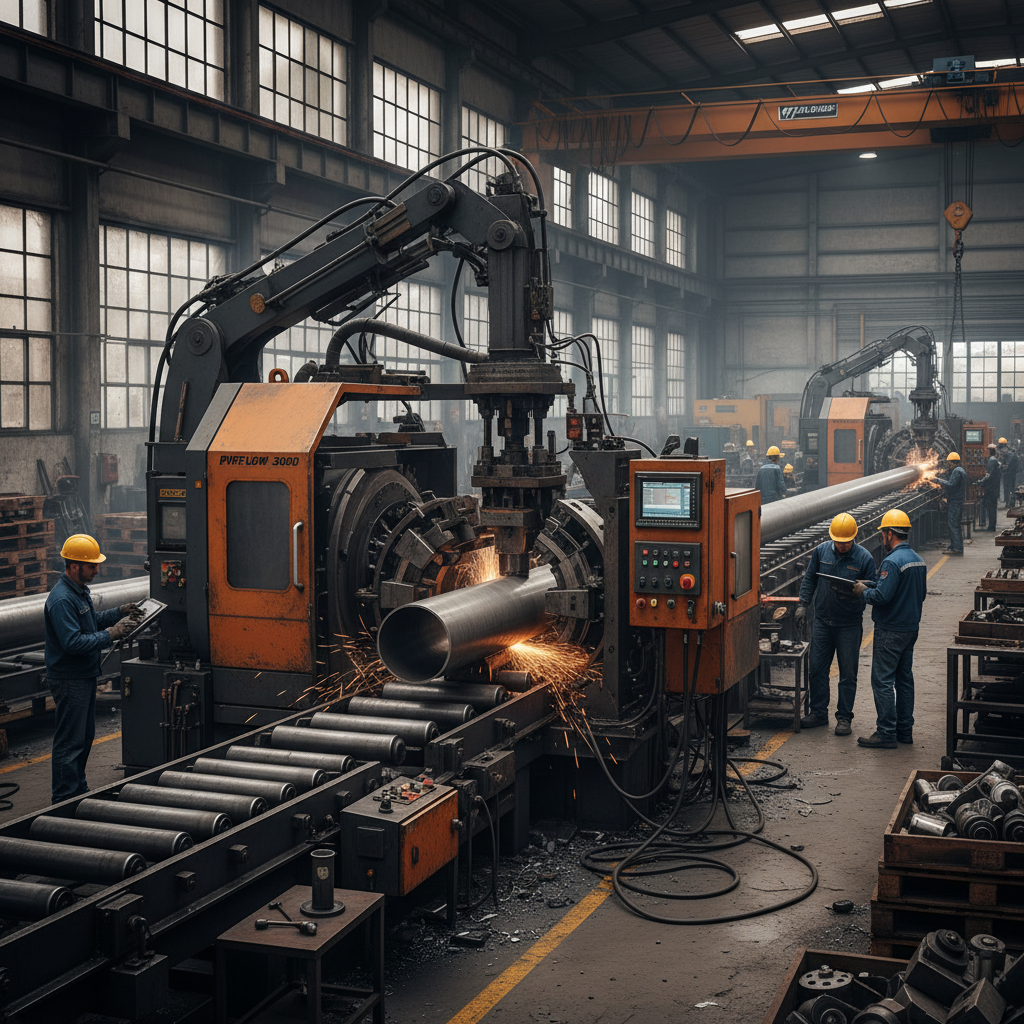
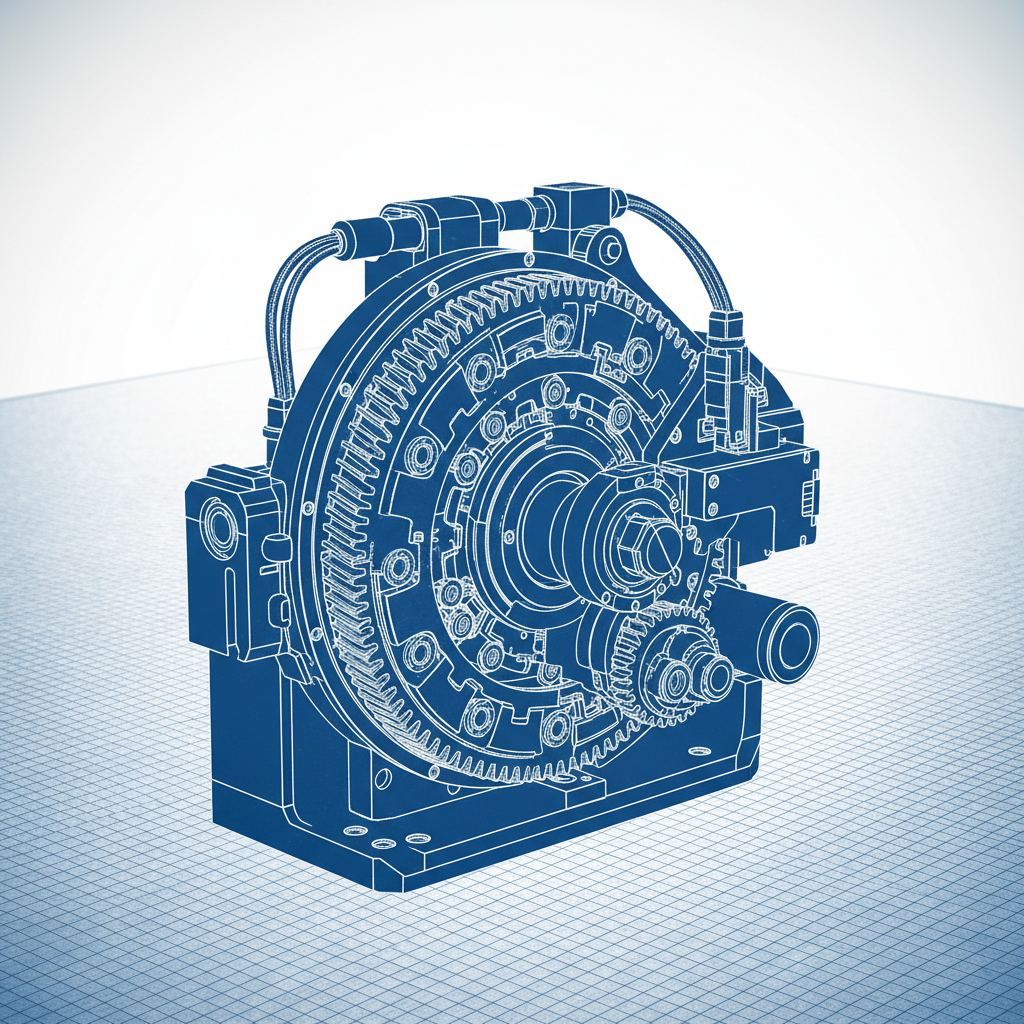
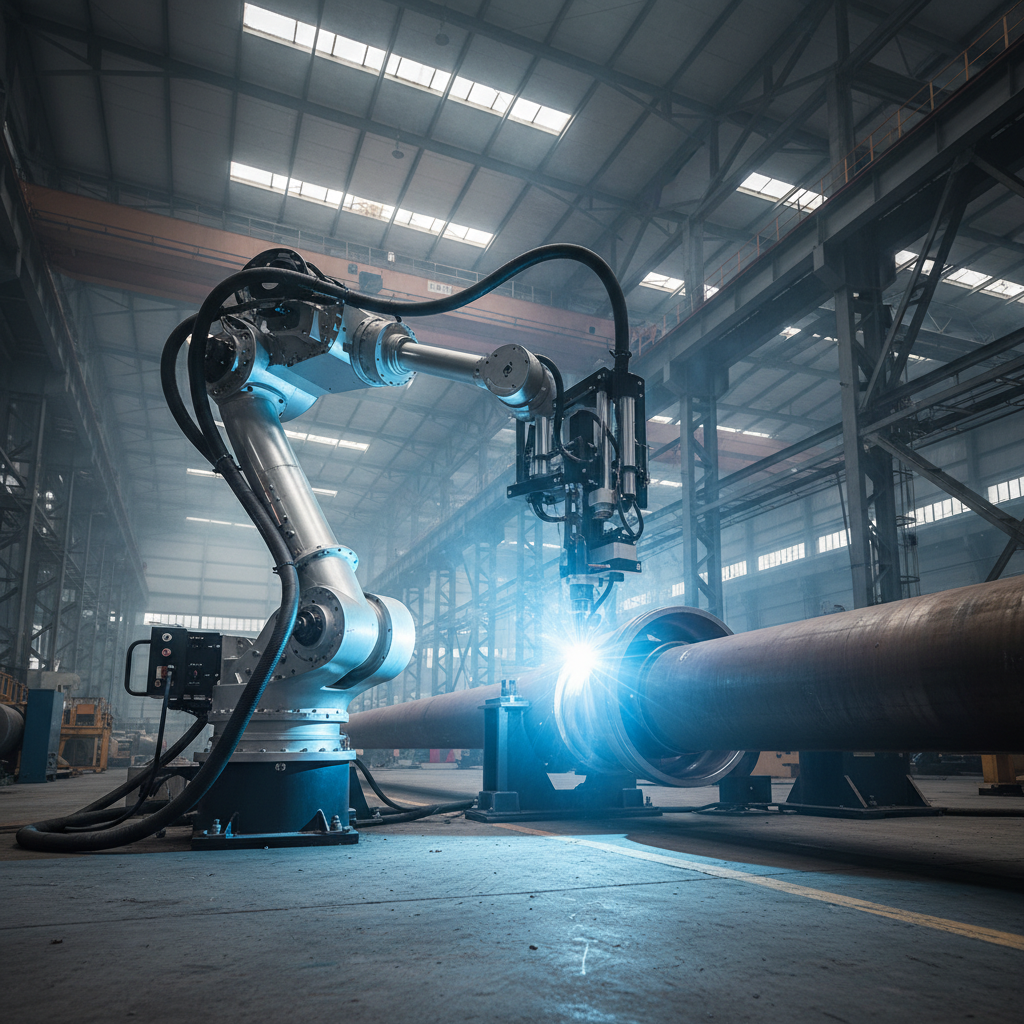
Pipe processing machines are pivotal in modern infrastructure development, enabling the efficient and precise fabrication of pipelines crucial for transporting essential resources like oil, gas, water, and chemicals. These machines have evolved significantly, from basic cutting and beveling tools to sophisticated automated systems capable of handling various pipe materials, diameters, and wall thicknesses. The global demand for reliable and sustainable infrastructure is driving innovation in pipe processing machine technology, creating opportunities for improved efficiency and reduced environmental impact.
The significance of pipe processing machines extends beyond simply creating pipes; they underpin the functionality of numerous industries including oil and gas, water management, construction, and manufacturing. Investments in these technologies directly translate into safer, more durable, and cost-effective infrastructure projects. A growing global population and increasing urbanization necessitate advanced pipe processing solutions to meet the escalating demands for resource delivery and waste management.
Understanding the capabilities and advancements in pipe processing machines is critical for engineers, project managers, and industry professionals seeking to optimize their operations and ensure the longevity of vital infrastructure. Efficient pipe fabrication minimizes material waste, reduces project timelines, and enhances the overall quality of construction, contributing to economic growth and societal well-being.
Introduction to Pipe Processing Machines
Pipe processing machines encompass a broad range of equipment designed to prepare pipes for welding, fabrication, and installation. They are essential for achieving high-quality joints and ensuring the structural integrity of pipeline systems. Modern machines offer precise control, automated features, and the ability to handle diverse materials, leading to increased productivity and reduced labor costs.
These machines play a critical role in industries where maintaining precise dimensional accuracy and surface preparation is paramount. From orbital pipe cutting and beveling to internal and external cleaning, the capabilities of pipe processing machines directly impact the reliability and safety of critical infrastructure. Investing in high-quality machines ensures consistent results and minimizes the risk of costly repairs or failures.
Global Relevance and Industry Context
The global market for pipe processing machines is experiencing substantial growth, driven by large-scale infrastructure projects in developing economies and the increasing demand for pipeline rehabilitation in mature markets. According to a recent report by the World Bank, investment in infrastructure is projected to reach trillions of dollars in the coming decade, significantly increasing the demand for reliable pipe fabrication equipment. This growth is particularly pronounced in regions undergoing rapid urbanization and industrial expansion.
Industries such as oil & gas, petrochemicals, water treatment, and power generation heavily rely on efficient pipe processing. The International Organization for Standardization (ISO) standards for pipeline construction emphasize the importance of precise fabrication and welding, further fueling the demand for advanced pipe processing machines. Failure to meet these standards can result in costly delays, environmental damage, and safety hazards.
A significant challenge facing the industry is the need to reduce environmental impact and improve sustainability. Modern pipe processing machines are being designed with energy efficiency and waste reduction in mind, aligning with global initiatives to promote responsible manufacturing practices. The increasing adoption of automation and robotics also contributes to minimizing human error and enhancing overall operational efficiency.
Defining Pipe Processing Machines
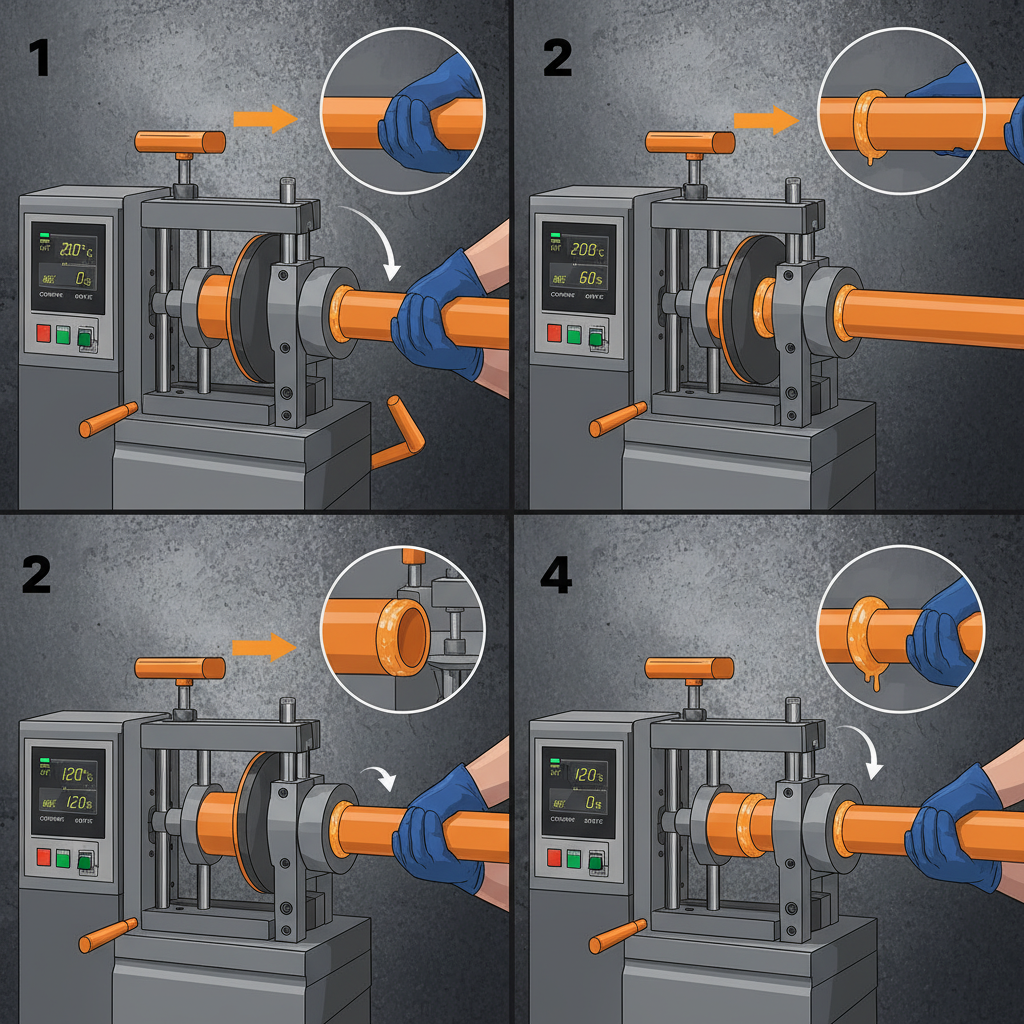
Pipe processing machines are specialized tools designed to modify raw pipe material into usable components for pipeline systems. This encompasses a variety of processes including cutting, beveling, facing, deburring, cleaning, and testing. These machines ensure pipes are prepared to exacting specifications for welding and subsequent installation. pipe processing machines aren't simply standalone units; they often integrate into automated production lines for large-scale projects.
The connection to modern industry is profound. Reliable pipeline infrastructure is fundamental for economic activity, transporting critical resources to where they are needed. In humanitarian contexts, pipe processing machines facilitate the rapid deployment of water sanitation systems and emergency infrastructure in disaster relief operations. The ability to quickly and efficiently fabricate pipelines is often a lifeline in crisis situations.
Essentially, these machines bridge the gap between raw material and functional infrastructure. They represent a critical enabling technology that underpins a vast network of industries and impacts the quality of life for billions of people worldwide. The evolution of pipe processing machines directly reflects advancements in materials science, automation, and precision engineering.
Core Components and Factors
Several core factors define the quality and effectiveness of pipe processing machines. Durability is paramount, as these machines often operate in harsh environments and require a long service life. Robust construction, high-quality materials, and reliable components are essential for minimizing downtime and maximizing return on investment.
Precision is another critical aspect. The ability to consistently achieve accurate cuts, bevels, and surface preparations is crucial for ensuring weld quality and pipeline integrity. Advanced control systems and automated features contribute to enhancing precision and minimizing human error.
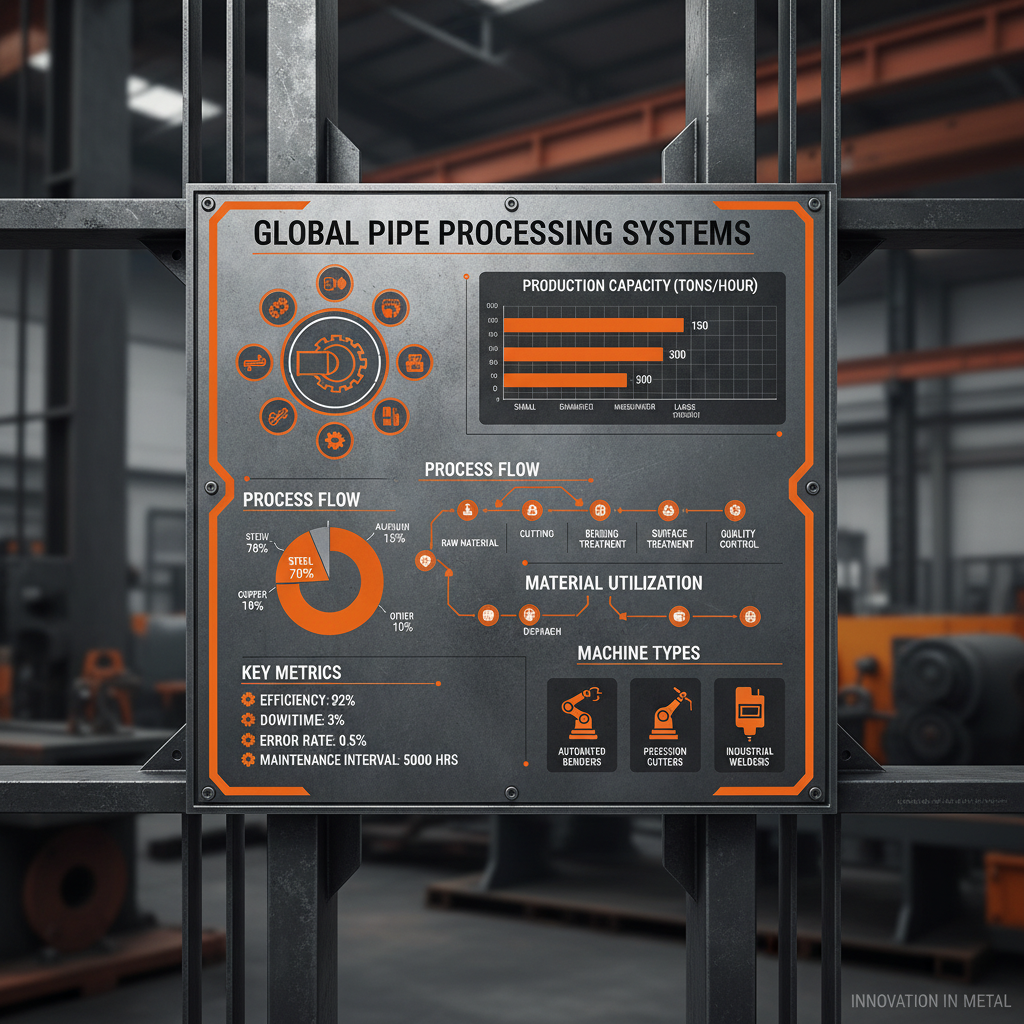
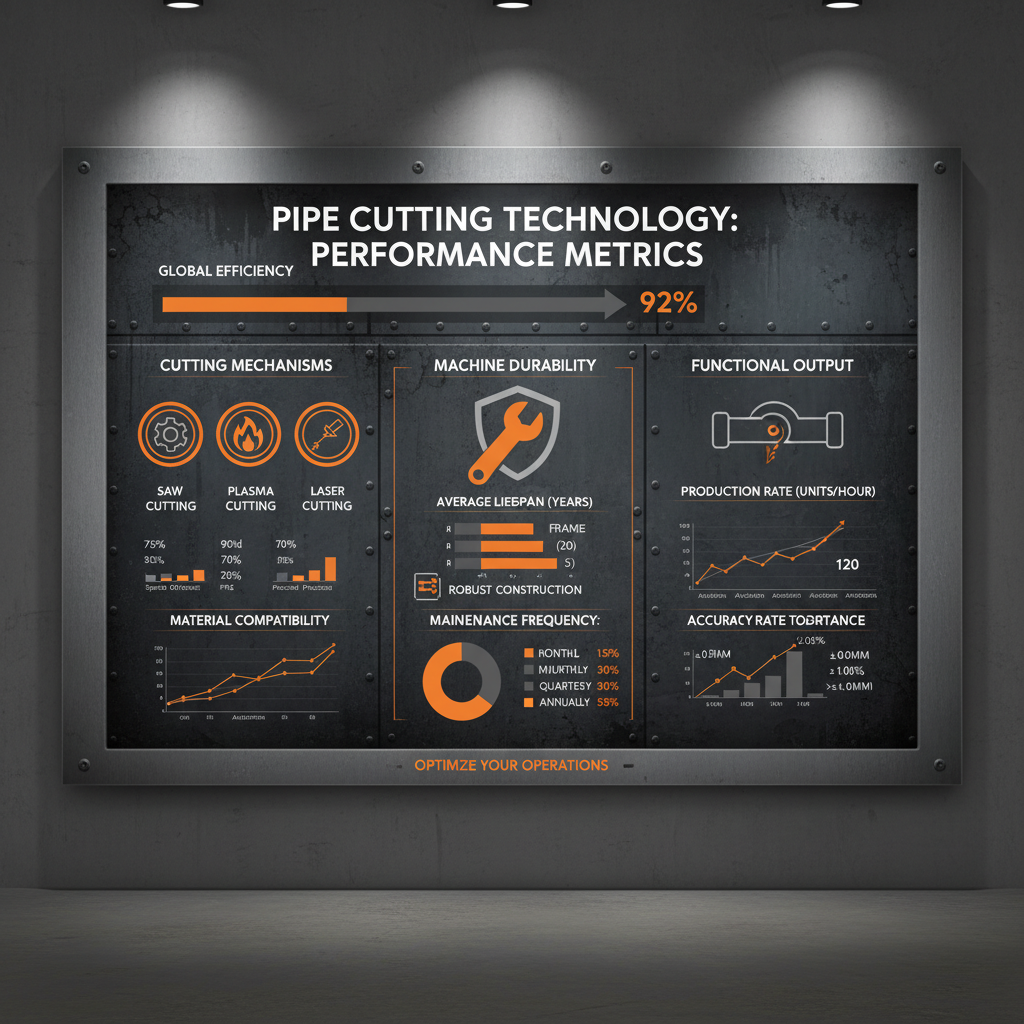
Pipe Processing Machine Performance Metrics
Applications and Use Cases Worldwide
Pipe processing machines are essential in the construction of large-scale pipelines for oil and gas transport, particularly in regions like the Middle East and North America. In Europe, they are widely used for upgrading and maintaining aging water infrastructure. These machines enable the rapid and efficient fabrication of pipeline sections, minimizing disruptions to supply chains.
In post-disaster relief operations, portable pipe processing machines are deployed to quickly establish temporary water purification and distribution systems. In remote industrial zones, where access to fabrication facilities is limited, self-contained pipe processing units provide on-site pipe preparation capabilities. pipe processing machines contribute to a more resilient and responsive infrastructure network.
Advantages and Long-Term Value
The advantages of investing in advanced pipe processing machines are numerous. Reduced labor costs, increased production efficiency, and improved weld quality all contribute to significant cost savings over the lifecycle of a project. Automation minimizes human error, enhancing safety and reducing the risk of costly rework.
Long-term value extends beyond immediate economic benefits. Durable and reliable machines minimize downtime and extend the operational lifespan of pipeline systems. The ability to meet stringent quality standards ensures compliance with industry regulations and reduces the risk of environmental damage. Sustainable practices, enabled by efficient machine operation, contribute to a smaller environmental footprint.
Future Trends and Innovations
The future of pipe processing machines is driven by several key trends. Digitalization and the integration of Industry 4.0 technologies, such as remote monitoring and predictive maintenance, are enabling proactive management of machine performance and optimization of operational efficiency. The use of advanced materials, including high-strength alloys and composite materials, is pushing the boundaries of pipe fabrication capabilities.
Automation and robotics are becoming increasingly sophisticated, allowing for fully automated pipe processing lines that require minimal human intervention. Sustainable manufacturing practices, such as energy-efficient machine designs and waste reduction strategies, are gaining prominence. The shift towards green energy infrastructure is also driving demand for specialized pipe processing machines capable of handling new materials and designs.
The development of AI-powered systems for quality control and process optimization will further enhance the precision and reliability of pipe fabrication. These advancements promise to deliver significant improvements in efficiency, sustainability, and safety within the pipeline industry.
FAQS
Automated pipe processing machines offer significantly higher precision, consistency, and throughput compared to manual methods. While manual machines require skilled operators and are suitable for low-volume production, automated systems minimize human error, reduce labor costs, and enable large-scale fabrication. Automated machines also offer advanced features like remote monitoring and data analytics, enhancing operational efficiency.
Selecting the appropriate machine depends on factors like pipe material, diameter, wall thickness, required processing operations (cutting, beveling, etc.), and production volume. Consider the operating environment, available power supply, and required level of automation. Consulting with experienced suppliers can help you identify a machine that meets your specific needs and budget.
Regular maintenance is crucial for ensuring optimal performance and extending the lifespan of your machine. This includes lubrication of moving parts, inspection of wear components, cleaning of filters, and calibration of sensors. Following the manufacturer’s recommended maintenance schedule and performing preventative maintenance can significantly reduce downtime and repair costs.
Yes, modern pipe processing machines incorporate numerous safety features, including emergency stop buttons, safety guards, light curtains, and interlock systems. These features are designed to protect operators from potential hazards and ensure a safe working environment. Always adhere to safety protocols and provide adequate training to all machine operators.
The ROI for a pipe processing machine varies depending on factors like production volume, labor costs, and machine utilization. However, the increased efficiency, reduced labor costs, and improved weld quality typically result in a significant ROI within a relatively short timeframe. Consider a detailed cost-benefit analysis to determine the expected ROI for your specific application.
Many pipe processing machines are designed to handle a variety of materials, including carbon steel, stainless steel, alloy steel, and even some plastics. However, specific machines may be optimized for certain materials. It's essential to verify the machine’s compatibility with the pipe material you intend to process to ensure optimal performance and prevent damage.
Conclusion
In conclusion, pipe processing machines are indispensable tools for modern infrastructure development and resource management. Their ability to efficiently and precisely prepare pipes for welding and installation is critical for ensuring the reliability, safety, and longevity of pipeline systems. From the oil and gas industry to water treatment and disaster relief, these machines play a vital role in supporting essential services and improving quality of life.
Looking ahead, continued innovation in automation, digitalization, and sustainable manufacturing practices will drive the evolution of pipe processing machine technology. Investing in these advancements is crucial for optimizing operational efficiency, reducing environmental impact, and meeting the growing demands of a rapidly changing world. To learn more about our comprehensive range of solutions, visit our website today: www.xhequipment.com.