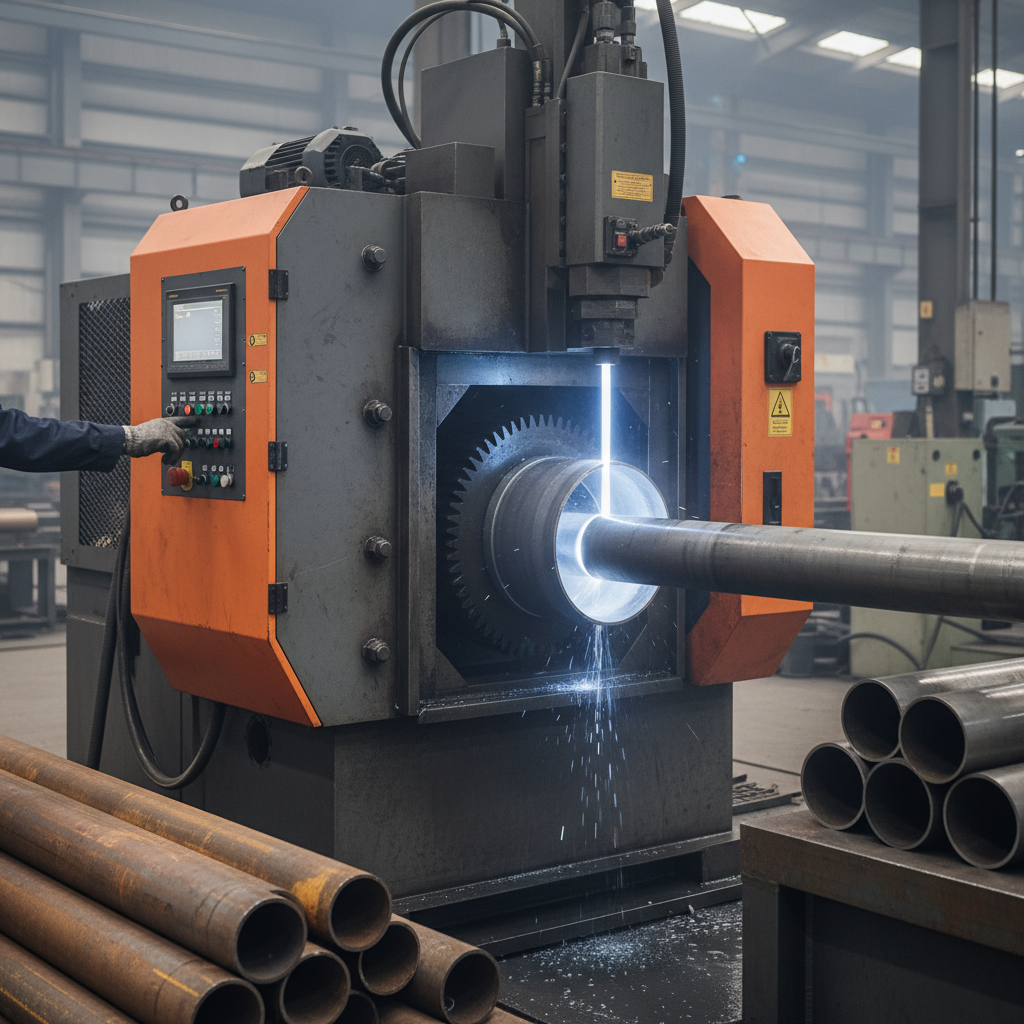
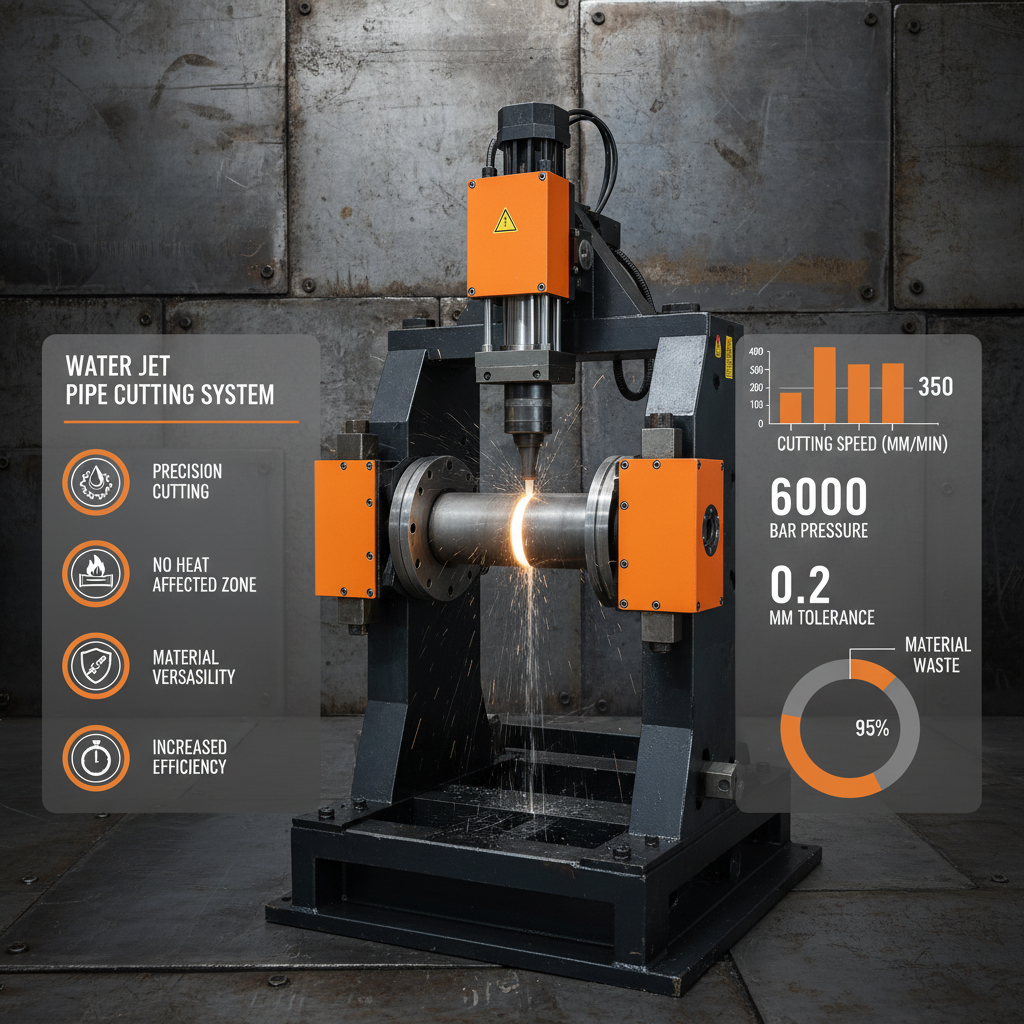
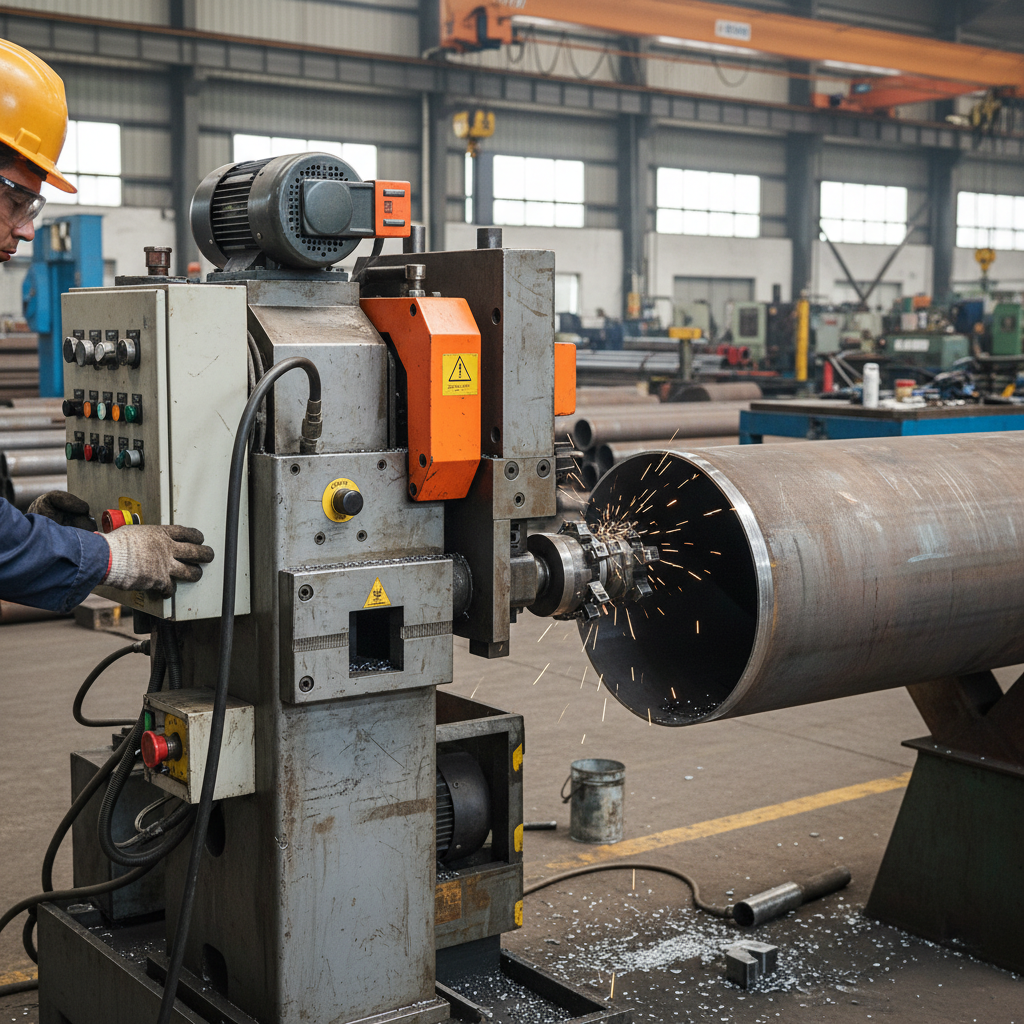
The evolution of precision engineering has led to the widespread adoption of the water jet pipe cutting machine, a technology that leverages ultra-high-pressure water streams to slice through the toughest alloys without inducing thermal stress. In an era where aerospace, automotive, and energy sectors demand tighter tolerances and zero material deformation, this cold-cutting process has become an indispensable asset for modern workshops.
Unlike traditional plasma or laser cutting, which can alter the metallurgical properties of the pipe edge, a water jet pipe cutting machine ensures that the structural integrity of the workpiece remains intact. This is particularly critical for high-performance welded pipe equipment and complex machining molds, where any heat-affected zone (HAZ) could lead to micro-cracks or premature failure under operational pressure.
Understanding the operational nuances and strategic advantages of these machines allows manufacturers to optimize their production cycles and reduce waste. As global industries shift toward more sustainable and precise fabrication methods, the integration of water jet technology represents a leap forward in both environmental responsibility and engineering excellence.
Global Industry Context of Water Jet Cutting
On a global scale, the demand for precision metal fabrication is skyrocketing, driven by the expansion of smart infrastructure and green energy grids. According to international industrial standards and ISO guidelines, the move toward "Zero-Defect Manufacturing" has forced a transition away from thermal cutting methods. The water jet pipe cutting machine has emerged as the primary solution to the challenge of cutting thick-walled, heat-sensitive pipes without compromising the material's molecular structure.
In markets like North America and Europe, where labor costs are high and environmental regulations are stringent, the ability to automate the pipe-cutting process while eliminating hazardous fumes is a significant competitive advantage. Many manufacturers now face the dilemma of balancing high-speed production with the need for surgical precision, a gap that is effectively bridged by advanced water jet systems.
Defining the Water Jet Pipe Cutting Machine
In simple engineering terms, a water jet pipe cutting machine is a CNC-controlled system that accelerates a mixture of water and an abrasive medium (usually garnet) to supersonic speeds. This concentrated stream acts as a high-energy saw, capable of eroding through metals, composites, and plastics with extreme accuracy. Unlike a standard saw, it does not rely on mechanical friction, which reduces tool wear and increases the versatility of the materials it can handle.
From a humanitarian and industrial perspective, this technology is vital for creating critical infrastructure. Whether it is the fabrication of high-pressure pipelines for clean water delivery in remote regions or the production of precision components for medical device housings, the ability to cut complex geometries in one pass reduces the need for secondary machining.
The connection to modern industry lies in its adaptability. By integrating this technology into the workflow of Machining Molds and Welded Pipe Equipment, companies can achieve a "one-stop" fabrication process. This reduces the carbon footprint associated with transporting parts between different specialized vendors and ensures a higher level of quality control over the final product.
Core Components for Maximum Precision
The heart of any high-performance water jet pipe cutting machine is the Ultra-High Pressure (UHP) pump. This component is responsible for compressing water to pressures often exceeding 60,000 PSI, providing the raw kinetic energy required to penetrate dense stainless steel or titanium alloys used in specialized welded pipe equipment.
Equally critical is the mixing chamber and the diamond orifice. The water jet pipe cutting machine relies on the precise ratio of abrasive garnet to water to maintain a clean kerf. A high-quality nozzle ensures that the stream remains coherent, preventing "tapering" and ensuring that the cut remains perpendicular to the pipe surface.
Finally, the CNC rotary axis provides the scalability needed for complex projects. By rotating the pipe while the jet moves linearly, the water jet pipe cutting machine can execute intricate saddle cuts, fish-mouth joints, and custom holes, which are essential for high-end machining molds and industrial piping systems.
Technical Performance and Efficiency Analysis
When evaluating the efficiency of a water jet pipe cutting machine, it is essential to look beyond just the cutting speed. The true value lies in the reduction of post-processing. Because there is no thermal distortion, the need for grinding or heat-treating the edges is virtually eliminated, saving hours of labor per project.
Furthermore, the scalability of these machines allows for the processing of various pipe diameters and wall thicknesses without changing the fundamental tooling. This flexibility makes the water jet approach superior to dedicated die-cutting or traditional milling in high-mix, low-volume production environments.
Comparative Performance of Pipe Cutting Methods
Global Applications and Strategic Use Cases
The application of the water jet pipe cutting machine spans across diverse global industries. In the oil and gas sector, particularly in the Middle East and North America, these machines are used to create precise bevels and openings in thick-walled pipelines, ensuring leak-proof welds in high-pressure environments.
In the aerospace industry, where titanium and Inconel are common, the cold-cutting nature of the water jet is a non-negotiable requirement. For instance, in the fabrication of engine manifolds or fuel lines, using a water jet pipe cutting machine prevents the formation of brittle zones, which could otherwise lead to catastrophic failure during flight.
Long-Term Value and Sustainability Benefits
Investing in a water jet pipe cutting machine provides tangible long-term value by dramatically reducing material waste. The narrow kerf of the water stream allows for "nesting" parts more closely together on a pipe or sheet, maximizing the yield from expensive raw materials like stainless steel or specialty alloys.
From a sustainability angle, this technology is far cleaner than its competitors. There are no toxic gases, no dust clouds, and no hazardous smoke. The water used in the process can be filtered and recycled in a closed-loop system, aligning the manufacturing facility with global ESG (Environmental, Social, and Governance) goals.
Beyond the logic of cost and eco-friendliness, there is an emotional value in the reliability it brings. Engineers can design with confidence, knowing that the physical properties of the metal will not be altered. This builds trust between the manufacturer and the end-client, establishing a reputation for uncompromising quality.
Future Trends in Water Jet Pipe Fabrication
The future of the water jet pipe cutting machine is being shaped by the Fourth Industrial Revolution (Industry 4.0). We are seeing the integration of AI-driven predictive maintenance, where sensors can detect nozzle wear before it affects the cut quality, reducing unplanned downtime to nearly zero.
Digital twins are also becoming common, allowing operators to simulate a complex pipe-cutting sequence in a virtual environment before a single drop of water is spent. This eliminates trial-and-error waste and ensures that the first piece produced is the perfect piece.
Additionally, there is a move toward "Hybrid" systems that combine water jet cutting with other additive or subtractive processes. This convergence will further enhance the capabilities of machining molds and welded pipe equipment, allowing for the creation of geometries that were previously considered impossible.
Analysis of Water Jet Pipe Cutting Performance Across Materials
| Material Type |
Cutting Precision |
Thermal Impact |
Overall Efficiency Score |
| Stainless Steel 316 |
Ultra High |
Zero |
9.5 |
| Carbon Steel |
High |
Zero |
8.8 |
| Titanium Alloy |
Ultra High |
Zero |
9.8 |
| Aluminum 6061 |
High |
Zero |
9.2 |
| Composite Pipes |
Ultra High |
Zero |
9.6 |
| Nickel Alloys |
High |
Zero |
8.5 |
FAQS
The primary advantage is the absence of a Heat Affected Zone (HAZ). While lasers are faster for thin materials, they can cause melting, warping, or chemical changes in the metal's edge on thick-walled pipes. A water jet pipe cutting machine uses cold erosion, meaning the material properties remain identical from the center to the edge, which is critical for high-pressure welded pipe equipment.
Yes, absolutely. One of the strongest selling points of a water jet pipe cutting machine is its versatility. By adjusting the abrasive flow or using "pure water" cutting, it can effortlessly slice through carbon fiber, plastics, and rubber without causing the melting or burning typically seen with thermal tools.
Maintenance focuses primarily on wear parts: the diamond orifice, the mixing tube, and the UHP pump seals. While these parts require regular replacement, the overall cost is balanced by the machine's ability to cut almost any material, reducing the need for multiple specialized machines in one shop.
While the raw cutting speed may be slower than plasma for some materials, the total production time is often lower. Because it eliminates the need for secondary deburring, grinding, or heat treatment, the "start-to-finish" cycle time is significantly reduced, especially for high-precision components.
Because water is used as the medium, flash rust can occur on carbon steel. However, this is easily managed by using corrosion inhibitors in the water or by applying a protective coating immediately after cutting. For stainless steel and aluminum, this is not an issue.
Most modern machines use standard G-code and are compatible with major CAD/CAM software. You can design your pipe geometries in 3D software and export the toolpaths directly to the machine, ensuring seamless integration with your current Machining Mold and Welded Pipe Equipment production line.
Conclusion
The water jet pipe cutting machine represents the pinnacle of cold-cutting technology, offering an unparalleled combination of precision, versatility, and structural integrity. By eliminating thermal distortion and reducing material waste, it empowers manufacturers to push the boundaries of what is possible in the fabrication of high-pressure pipes and complex machining molds.
As we move toward a future of greener and smarter manufacturing, the adoption of water jet technology is no longer just an option—it is a strategic necessity for those seeking to maintain a competitive edge in the global market. We recommend evaluating your current production bottlenecks and considering how the integration of this technology can enhance your quality and sustainability. Visit our website for more information: www.xhequipment.com