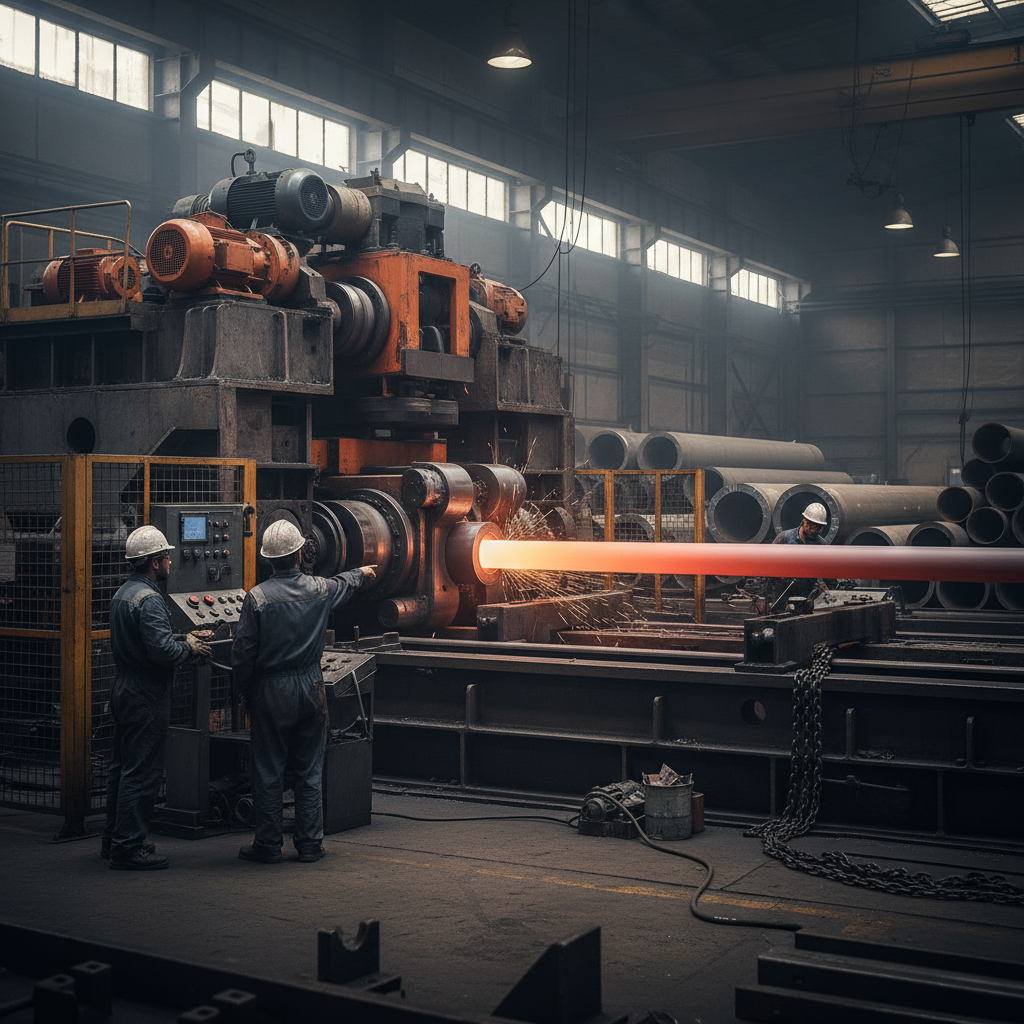
Look, I've spent the last fifteen years breathing concrete dust and arguing with engineers on job sites. When it comes to getting things done, reliably and on schedule, you need equipment you can depend on. And that’s where a solid tube milling machine comes in. It’s not glamorous, but it’s the backbone of so many projects – from infrastructure to specialized material production. We’re talking about consistent particle size, efficient processing, and ultimately, a better finished product.
What I’ve seen firsthand is that downtime is the killer. Every hour a machine is down is money bleeding out. A quality tube milling machine isn't just about initial cost; it’s about minimizing disruptions, reducing maintenance headaches, and ensuring you’re consistently meeting specs. I’ve seen too many projects stalled because of subpar milling equipment – it's a nightmare.
And it's not just about big construction. We're seeing more specialized applications, too. Think about material science companies needing specific powder sizes, or even smaller-scale operations needing consistent, high-quality grinding. The versatility of a well-built tube milling machine is becoming increasingly valuable.
The Importance of Reliable Tube Milling
Let's be clear: a reliable tube milling process is often the unsung hero of a successful project. Whether you're dealing with cement production, mineral processing, or chemical manufacturing, consistent particle size and quality are non-negotiable. I've seen projects grind to a halt—literally—because the milling process couldn’t deliver.
It’s not just about meeting specifications; it’s about maintaining the integrity of the entire system. Inconsistent milling leads to blockages, equipment damage, and ultimately, costly rework. A good tube milling machine is an investment in preventing these headaches.
Defining Tube Milling Machines
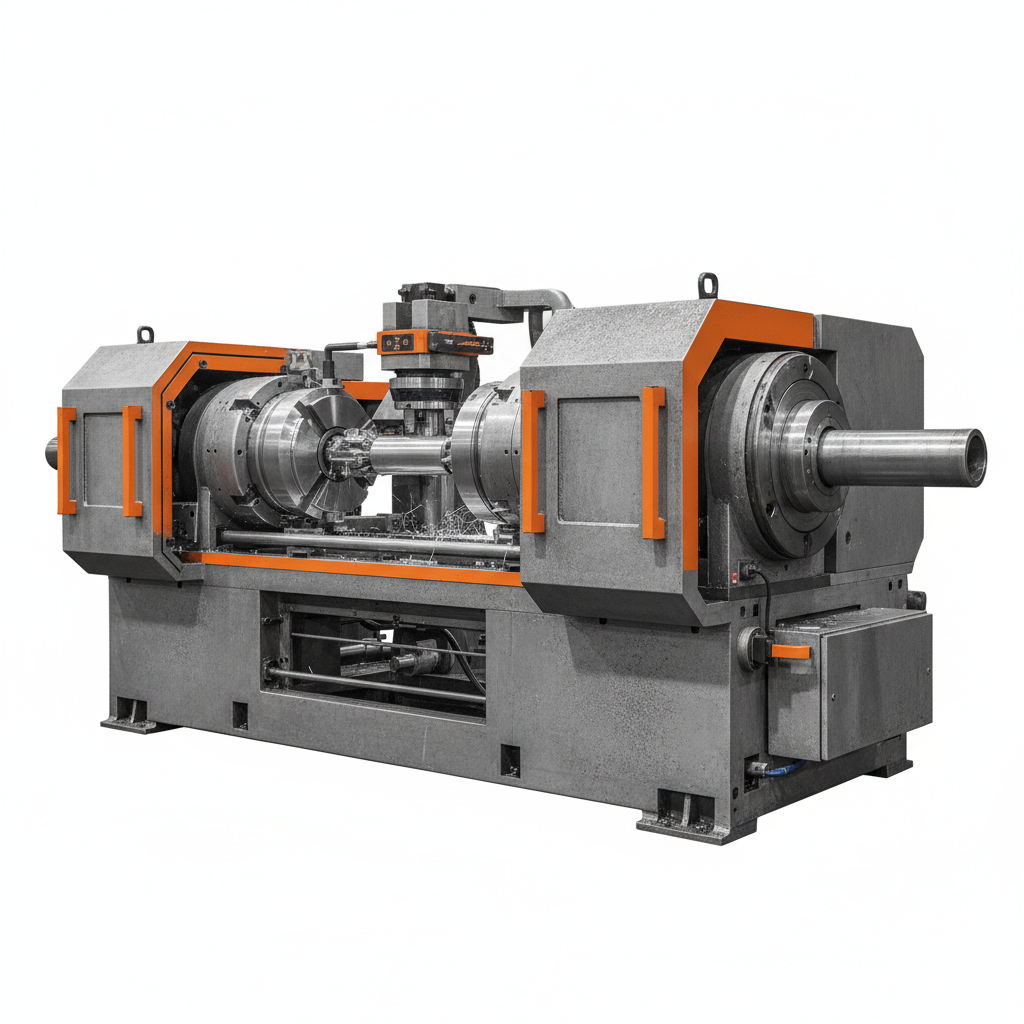
Simply put, a tube milling machine uses a rotating cylinder – the ‘tube’ – partially filled with grinding media (like steel balls or pebbles) to pulverize materials. The material is fed into the tube, and as it rotates, the media cascades and breaks down the material through impact and attrition. It’s a surprisingly simple concept, but incredibly effective.
It’s a workhorse in industries where fine grinding is critical. Unlike some other milling methods, tube milling excels at processing a wide range of materials, from hard and abrasive substances to softer, more delicate ones. This versatility is key.
What really connects this to the real world is its role in enabling the production of essential goods. Everything from the cement in our buildings to the pigments in our paints relies on effective tube milling somewhere in the supply chain.
Key Factors: Durability, Efficiency & Control
When I'm evaluating a tube milling machine, the first thing I look at is build quality. These machines take a beating. The tube itself, the liners, the drive system – they all need to be robust enough to withstand continuous operation. Cheap materials mean frequent repairs, and that's time and money you simply don't have.
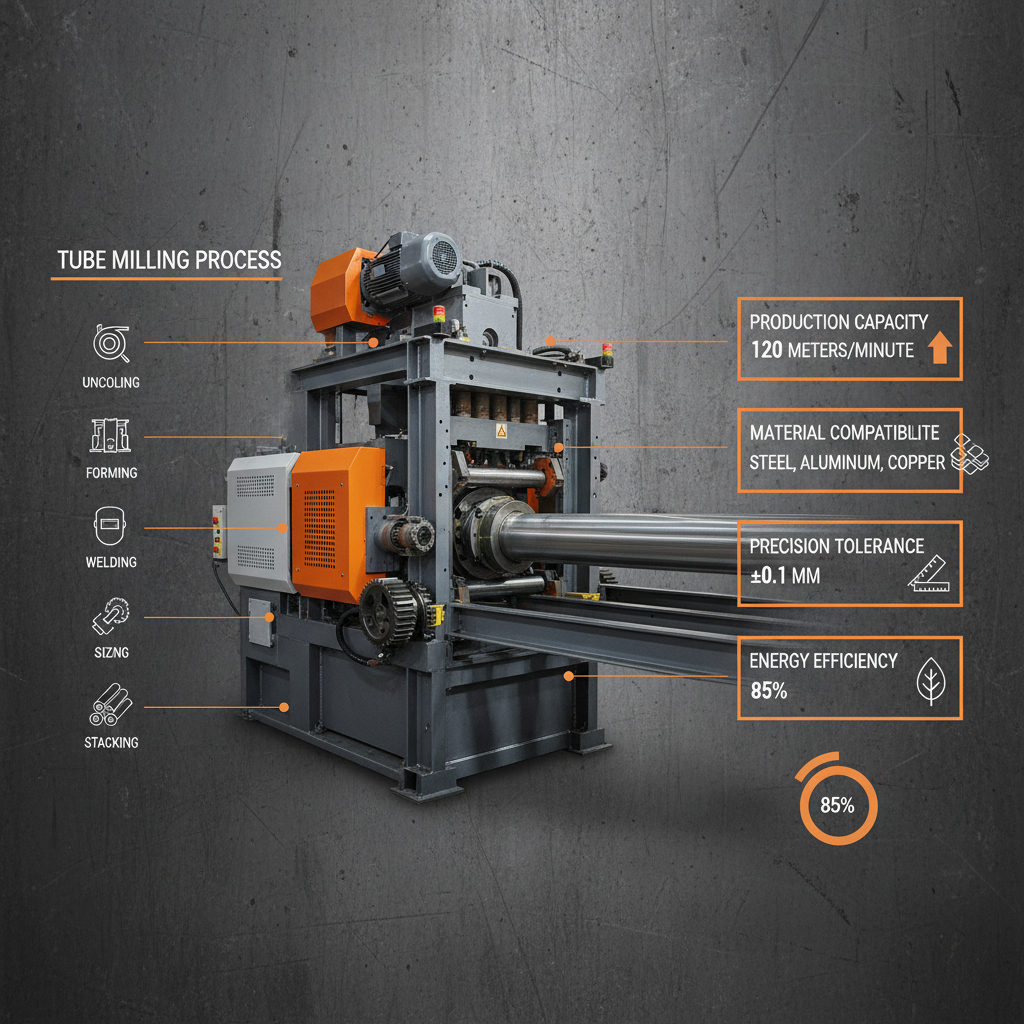
Next, it’s about efficiency. How much power does it consume? How effectively does it grind the material? A well-designed machine minimizes energy waste and maximizes throughput. I've seen significant savings just by upgrading to a more efficient mill – it pays for itself quickly.
Finally, you need control. The ability to adjust parameters like grinding speed, media charge, and material feed rate is crucial for achieving the desired particle size distribution. A machine without good control is like trying to tune an engine blindfolded.
Global Applications Across Industries
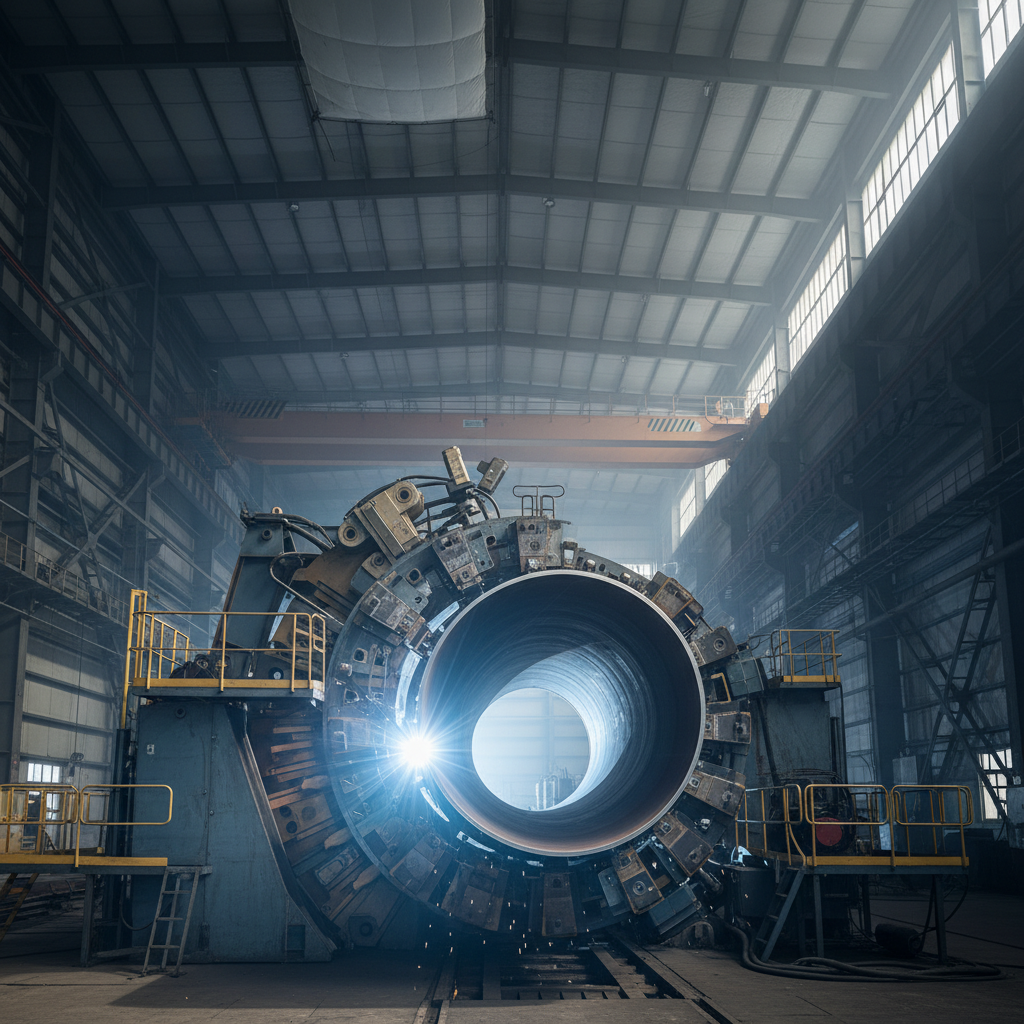
This isn’t just a regional thing; tube milling machine technology is critical globally. In Asia, it’s vital for cement production supporting massive infrastructure projects. In South America, it’s used extensively in mining for mineral processing. And in North America, you’ll find it in everything from power plants to chemical manufacturing.
I’ve worked on projects in remote locations where getting parts and service is a nightmare. That’s why selecting a machine with a global support network is so important. You need to know that help is available when you need it, no matter where you are.
Even in disaster relief, efficient milling can play a role. Producing cement or specialized materials locally can be vital for reconstruction efforts.
Tube Milling Machine Performance Comparison
Advantages and Long-Term Value Proposition
The biggest advantage, in my book, is reliability. A well-maintained tube milling machine can run for years – even decades – with minimal downtime. That translates directly into cost savings and increased productivity.
There's also a growing emphasis on sustainability. Modern mills are designed to be more energy-efficient and generate less waste. That’s good for the environment and good for your bottom line.
Future Trends and Innovation in Tube Milling
We're starting to see more automation integrated into tube milling systems – things like automated media charging and process control. This reduces labor costs and improves consistency.
Also, research into new grinding media – materials that are lighter, more durable, and more efficient – is ongoing. These advancements promise to further enhance the performance of tube milling machines.
And with the rise of Industry 4.0, we’ll see more data analytics being used to optimize milling processes and predict maintenance needs.
Common Challenges and Practical Solutions
One of the biggest challenges is dealing with abrasive materials. These materials cause wear and tear on the liners and grinding media. The solution? Using high-quality liners and regularly inspecting and replacing worn media.
Another issue is preventing blockages. This can be caused by improper material feed rates or insufficient airflow. Implementing a robust material feeding system and ensuring adequate ventilation are essential.
Finally, maintaining consistent particle size distribution requires careful monitoring and adjustment of process parameters. Investing in advanced control systems and training operators properly can help mitigate this challenge.
Summary of Common Tube Milling Machine Challenges and Solutions
| Challenge |
Impact on Operations |
Solution |
Preventative Measures |
| Abrasive Material Wear |
Reduced Liner Lifespan, Increased Maintenance |
Utilize High-Quality Liners |
Regular Liner Inspection |
| Material Blockages |
Reduced Throughput, Potential Damage |
Optimize Material Feed Rate |
Implement Airflow Monitoring |
| Inconsistent Particle Size |
Product Quality Issues, Rework |
Advanced Control Systems |
Operator Training |
| High Energy Consumption |
Increased Operational Costs |
Energy-Efficient Mill Designs |
Process Optimization |
| Media Breakage |
Contamination, Reduced Grinding Efficiency |
Use High-Quality Grinding Media |
Regular Media Inspection |
| Lack of Automation |
Increased Labor Costs, Inconsistency |
Implement Automated Systems |
Invest in Smart Sensors |
FAQS
Lead times can vary considerably, anywhere from 6 to 18 months depending on the size and complexity of the machine and current factory workloads. I’ve learned the hard way – always factor in extra time! Getting everything specified correctly upfront, and maintaining close communication with the manufacturer, can help minimize delays. It also pays to discuss potential supply chain issues early on.
It's critical. Ignoring preventative maintenance is a recipe for disaster. Regular inspections, lubrication, and component replacements can prevent small issues from turning into catastrophic failures. I always recommend a detailed maintenance schedule and well-trained personnel to carry it out. A few hours of preventative work can save you weeks of downtime.
It’s not just about volume; it’s about material properties, desired particle size, and throughput requirements. You’ll need to do a thorough material analysis and process modeling. I usually recommend working with a milling specialist who can assess your needs and recommend the appropriate machine size and configuration. Don't guess – it'll cost you in the long run.
It can, but it requires careful consideration. Sticky materials can cause blockages, and wet materials can lead to corrosion. You may need to pre-dry the material or use a specially designed mill with features like heating jackets or anti-stick coatings. Proper material preparation is key to successful milling.
Safety should always be a top priority. Look for features like emergency stop buttons, guards around moving parts, and dust collection systems. Proper training for operators is also essential. Remember, these machines can be dangerous if not operated correctly. Ensuring compliance with relevant safety standards is non-negotiable.
The choice of grinding media depends on the material being milled and the desired particle size. Steel balls are commonly used, but ceramic media or pebbles may be more appropriate for certain applications. Factors to consider include hardness, density, and corrosion resistance. Consult with a milling specialist to determine the best media for your specific needs.
Conclusion
A robust and reliable tube milling machine is much more than just a piece of equipment; it’s a foundational component of countless industries. From ensuring the durability of our infrastructure to enabling the production of specialized materials, these machines play a critical role in modern life. The key is to prioritize durability, efficiency, and control when making a purchasing decision.
Don’t cut corners. Invest in quality, prioritize preventative maintenance, and work with experienced professionals. The long-term benefits – reduced downtime, increased productivity, and consistent product quality – will far outweigh the initial cost. If you're serious about your operation, visit our website at www.xhequipment.com to learn more about our range of tube milling solutions.