The realm of pipe fabrication and installation demands precision, and a pipe degree cutting machine stands as a cornerstone of achieving that accuracy. This isn't merely about making clean cuts; it's about ensuring the structural integrity of pipelines, minimizing waste, and optimizing project timelines across a vast spectrum of industries. The ability to consistently deliver cuts at specific angles – often referred to as ‘degree cuts’ – is critical in complex piping systems.
Globally, the demand for efficient and reliable pipe cutting solutions is escalating alongside infrastructure development, energy sector expansion, and stringent safety regulations. According to the World Bank, investment in infrastructure projects is projected to reach trillions of dollars in the coming decades, driving the need for advanced tools like these machines. ISO standards increasingly emphasize the importance of precise fabrication and non-destructive testing, pushing industries toward technologies that guarantee quality and adherence to specifications.
The rising complexity of piping systems, particularly in oil & gas, petrochemicals, and shipbuilding, necessitates the use of a pipe degree cutting machine to create intricate connections and maintain the structural soundness of the entire assembly. Failing to achieve accurate degree cuts can lead to leaks, failures, and substantial costs related to repairs and downtime.
Defining the Pipe Degree Cutting Machine
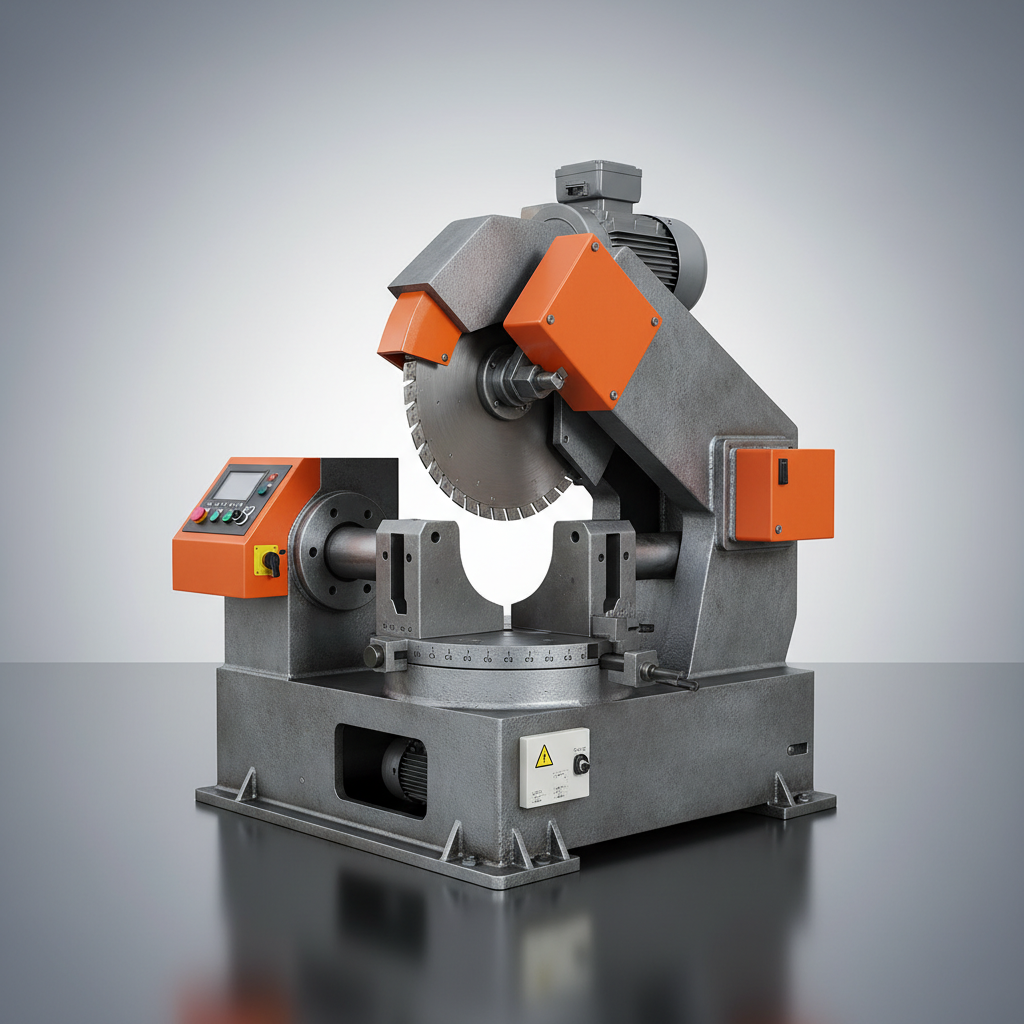
A pipe degree cutting machine is a specialized tool designed to precisely cut pipes at predetermined angles, ranging from simple bevels to complex miters. Unlike standard pipe cutters which typically produce square cuts, these machines offer the versatility needed for creating angled joints essential in complex piping systems. This is vital for creating weld preparations for various pipe joining methods.
The technology behind these machines is directly tied to the demands of modern industry. From ensuring leak-proof connections in oil and gas pipelines to creating complex structures in shipbuilding and construction, the ability to consistently produce accurate degree cuts is paramount. This contributes to the safety, efficiency, and longevity of critical infrastructure projects globally.
The Global Relevance of Precision Pipe Cuts
The need for precision pipe cuts transcends geographical boundaries, driven by the globalization of industries and the increasing complexity of infrastructure projects. Nations investing heavily in energy, transportation, and manufacturing rely on accurate piping systems, making a pipe degree cutting machine an indispensable tool.
Consider the burgeoning energy sector, where pipeline networks transport vital resources across continents. The integrity of these pipelines hinges on the quality of the pipe connections, and accurate degree cuts are fundamental to achieving reliable welds. Similarly, in the construction of large-scale infrastructure like bridges and skyscrapers, precision-cut pipes are critical components.
The demand for skilled technicians capable of operating these machines is also growing worldwide. Investment in training programs and certification standards is becoming increasingly important to ensure the consistent delivery of high-quality pipe fabrication and installation. This benefits both local economies and the global supply chain.
Understanding the Core Mechanisms
The operation of a pipe degree cutting machine typically involves a rotating cutting wheel or blade, guided by a sophisticated angle adjustment system. This system allows operators to precisely set the desired degree cut, ensuring consistent and accurate results. The cutting process can be manual or automated, depending on the sophistication of the machine.
Different types of cutting wheels are used based on the pipe material and required cut quality. High-speed steel (HSS) blades are common for softer materials, while carbide-tipped blades are preferred for harder alloys. Some machines also incorporate cooling systems to prevent overheating and extend blade life. Precise clamping mechanisms are essential for securing the pipe during the cutting process, preventing movement and ensuring a clean, accurate cut.
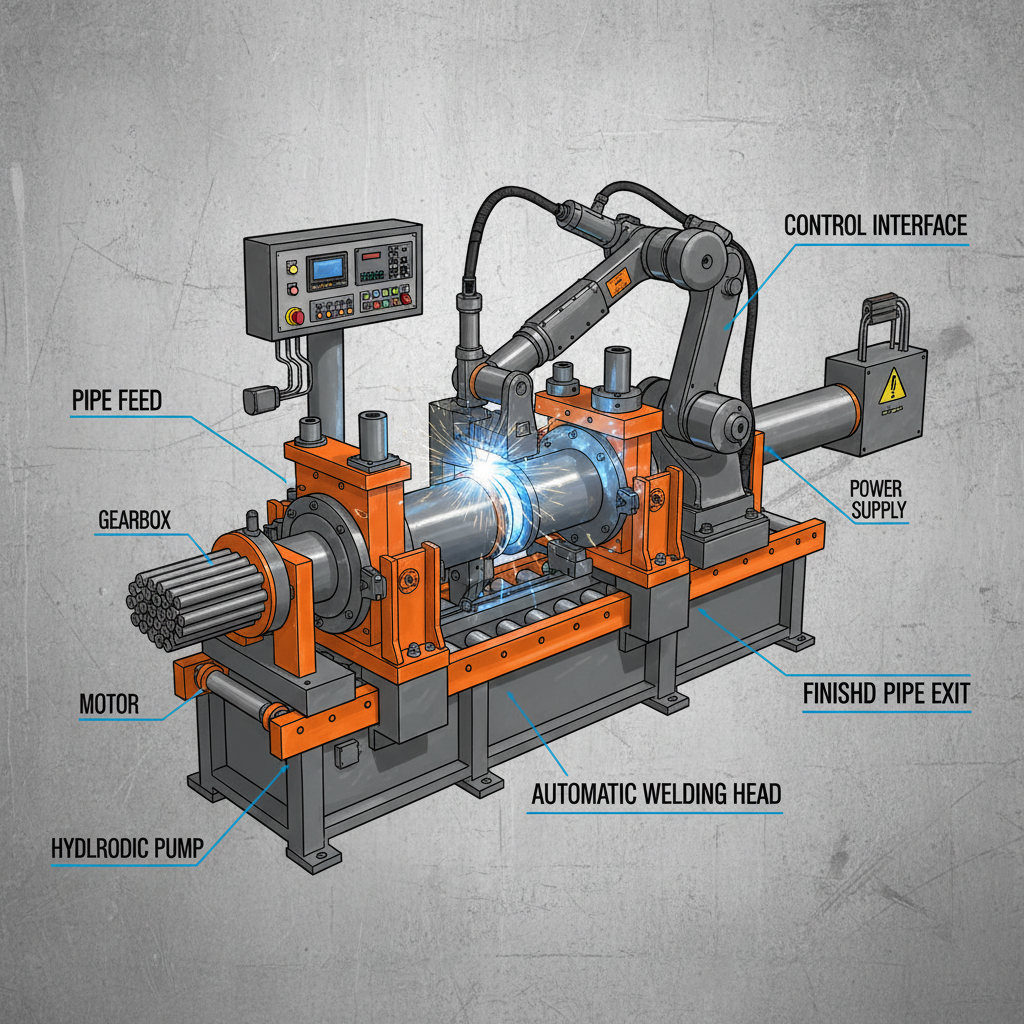
Modern machines often incorporate digital controls, allowing for precise angle adjustments and automated cutting cycles. These features enhance efficiency, reduce operator fatigue, and minimize the risk of human error. Some advanced models also include features like automatic feed control and weld preparation capabilities, further streamlining the fabrication process.
Key Performance Indicators of a Machine
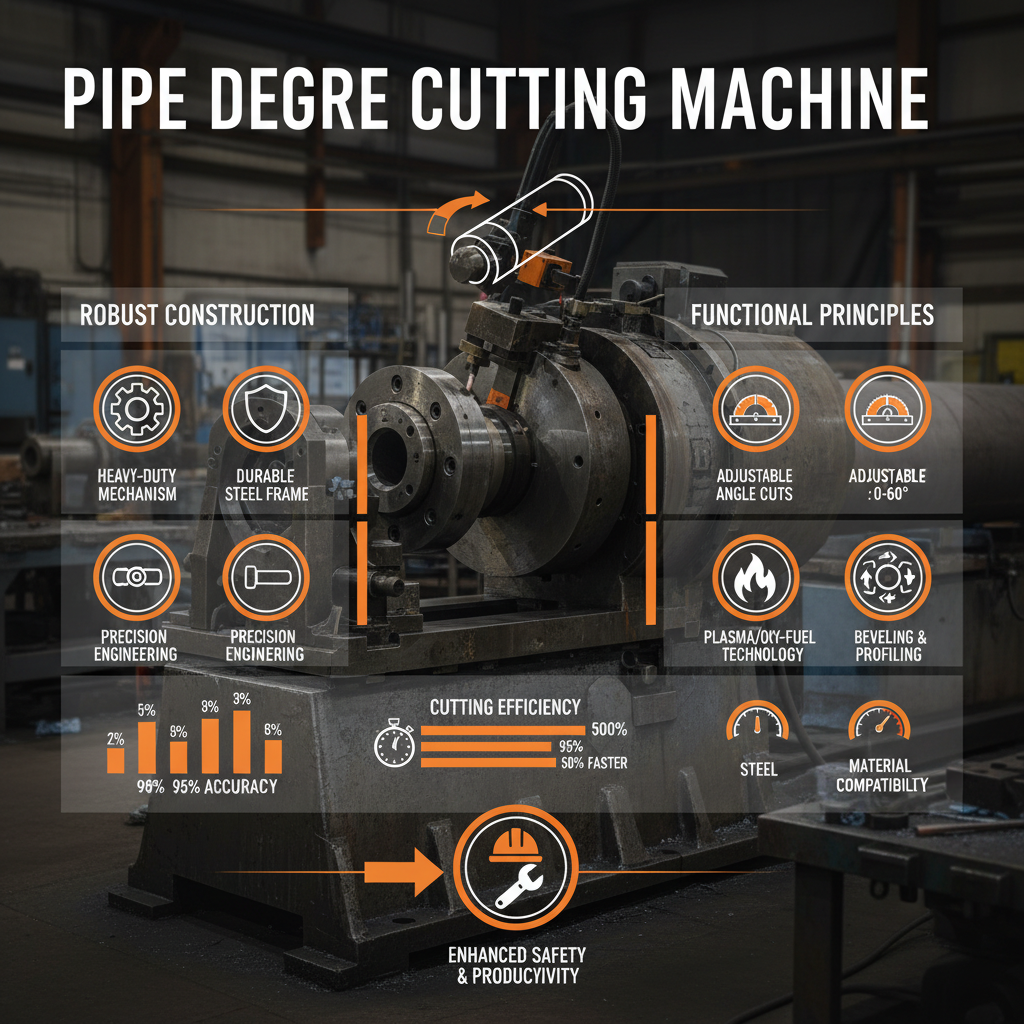
Evaluating a pipe degree cutting machine requires considering several key performance indicators. Accuracy, repeatability, and cutting speed are paramount. A high-quality machine should consistently deliver cuts within a tight tolerance range, minimizing the need for rework.
Other important factors include the range of pipe diameters and materials the machine can handle, its ease of use, and its maintenance requirements. Reliability and durability are also crucial, as downtime can significantly impact project timelines and costs.
Pipe Degree Cutting Machine Performance Metrics
Diverse Applications Across Industries
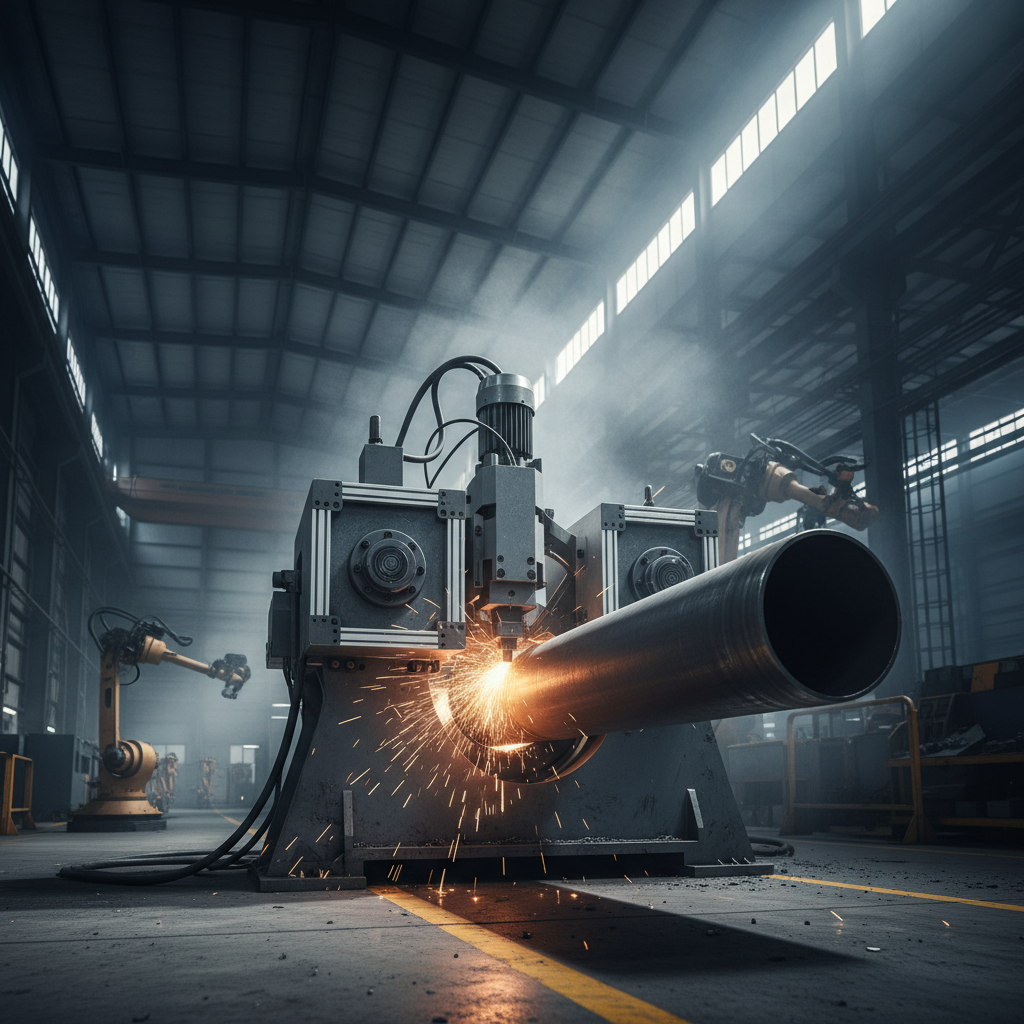
The applications of a pipe degree cutting machine are remarkably diverse. In the oil and gas sector, they are used to fabricate pipeline sections for both onshore and offshore installations. In the shipbuilding industry, they are essential for creating complex piping systems for propulsion, ballast, and utility systems.
Furthermore, these machines are vital in the construction of chemical plants, refineries, and power generation facilities. They are also used in the fabrication of stainless steel pipes for food processing and pharmaceutical applications, where hygiene and precision are paramount.
Long-Term Benefits and Value Proposition
Investing in a high-quality pipe degree cutting machine offers a compelling value proposition. Reduced material waste, improved weld quality, and increased efficiency all contribute to lower overall project costs. The ability to consistently deliver accurate cuts also minimizes the risk of costly repairs and downtime.
Moreover, these machines enhance worker safety by reducing the need for manual cutting and grinding. The precision and repeatability they offer contribute to a higher level of product quality and customer satisfaction, building trust and strengthening a company's reputation.
Future Trends in Pipe Cutting Technology
The future of pipe cutting technology is poised for innovation, driven by advancements in automation, digitalization, and materials science. Expect to see increased integration of robotic systems and AI-powered controls, further enhancing precision and efficiency.
The development of new cutting tool materials, capable of handling increasingly hard and exotic alloys, will also be a key trend. Furthermore, the demand for sustainable solutions will drive the development of energy-efficient machines and environmentally friendly cutting fluids.
Digital twins, virtual representations of physical machines, will enable predictive maintenance and optimized performance. Real-time data analytics will provide insights into cutting processes, allowing for continuous improvement and enhanced quality control.
Summary of Current & Emerging Pipe Degree Cutting Machine Technologies
| Technology Type |
Current Status |
Potential Benefits |
Implementation Challenges |
| Automated Degree Cutting |
Widely available, becoming standard. |
Increased speed, reduced labor costs, consistent quality. |
High initial investment, requires skilled programming. |
| Digital Twin Technology |
Emerging, limited adoption. |
Predictive maintenance, optimized cutting parameters. |
Data integration complexities, cost of virtual model creation. |
| AI-Powered Process Control |
Early stages of development. |
Adaptive cutting strategies, improved efficiency. |
Algorithm development, data security concerns. |
| Advanced Cutting Tool Materials |
Ongoing research and development. |
Longer tool life, ability to cut harder materials. |
Material cost, compatibility with existing machines. |
| Remote Monitoring and Diagnostics |
Increasingly common with IoT integration. |
Reduced downtime, proactive maintenance. |
Network security, data privacy. |
| Energy-Efficient Cutting Systems |
Growing demand, limited availability. |
Reduced energy consumption, lower operating costs. |
Higher initial investment, potential performance trade-offs. |
FAQS
A high-quality machine should achieve an accuracy of within ±0.1 degrees for most materials. This ensures the precise fit and weld preparation required for critical applications. Factors like machine calibration, blade sharpness, and pipe material can affect accuracy. Regular maintenance and proper operator training are essential for maintaining this level of precision.
Most pipe degree cutting machines are versatile and can handle a wide range of materials, including carbon steel, stainless steel, alloy steel, copper, aluminum, and even some plastics. However, the type of cutting blade used must be appropriate for the specific material. Harder materials typically require carbide-tipped blades, while softer materials can be cut with HSS blades.
Safety is paramount. Always wear appropriate personal protective equipment (PPE), including safety glasses, gloves, and hearing protection. Ensure the machine is properly grounded and that all safety guards are in place. Never operate the machine without proper training. Follow the manufacturer's instructions carefully and be aware of the potential hazards associated with cutting operations.
The lifespan of the cutting blades depends on the material being cut, the frequency of use, and the quality of the blades. As a general guideline, blades should be inspected regularly for wear and tear. Dull or damaged blades should be replaced immediately to maintain cutting accuracy and prevent damage to the machine. Record keeping helps schedule preventative maintenance.
Regular maintenance is crucial for ensuring the longevity and performance of the machine. This includes lubricating moving parts, cleaning the machine, and inspecting the electrical components. Blade changes, calibration checks, and adjustments to the angle settings should also be performed periodically. Refer to the manufacturer's manual for specific maintenance recommendations.
The cost of a pipe degree cutting machine varies significantly depending on its features, capacity, and automation level. Manual machines can range from a few thousand dollars to upwards of $10,000. Automated machines with advanced controls and features can cost $20,000 or more. Consider your specific needs and budget when selecting a machine.
Conclusion
In conclusion, the pipe degree cutting machine is an indispensable tool for a wide range of industries, providing precision, efficiency, and safety in pipe fabrication and installation. From streamlining complex projects in energy and construction to ensuring the integrity of critical infrastructure, the benefits are substantial and far-reaching. Mastering its operation and embracing emerging technologies will be crucial for maintaining competitiveness in today's rapidly evolving industrial landscape.
Looking ahead, continued innovation in automation, digitalization, and materials science will further enhance the capabilities of these machines. Investing in training and development for skilled technicians is paramount to maximizing their potential. We encourage you to explore the possibilities and discover how a high-quality pipe degree cutting machine can elevate your operations.