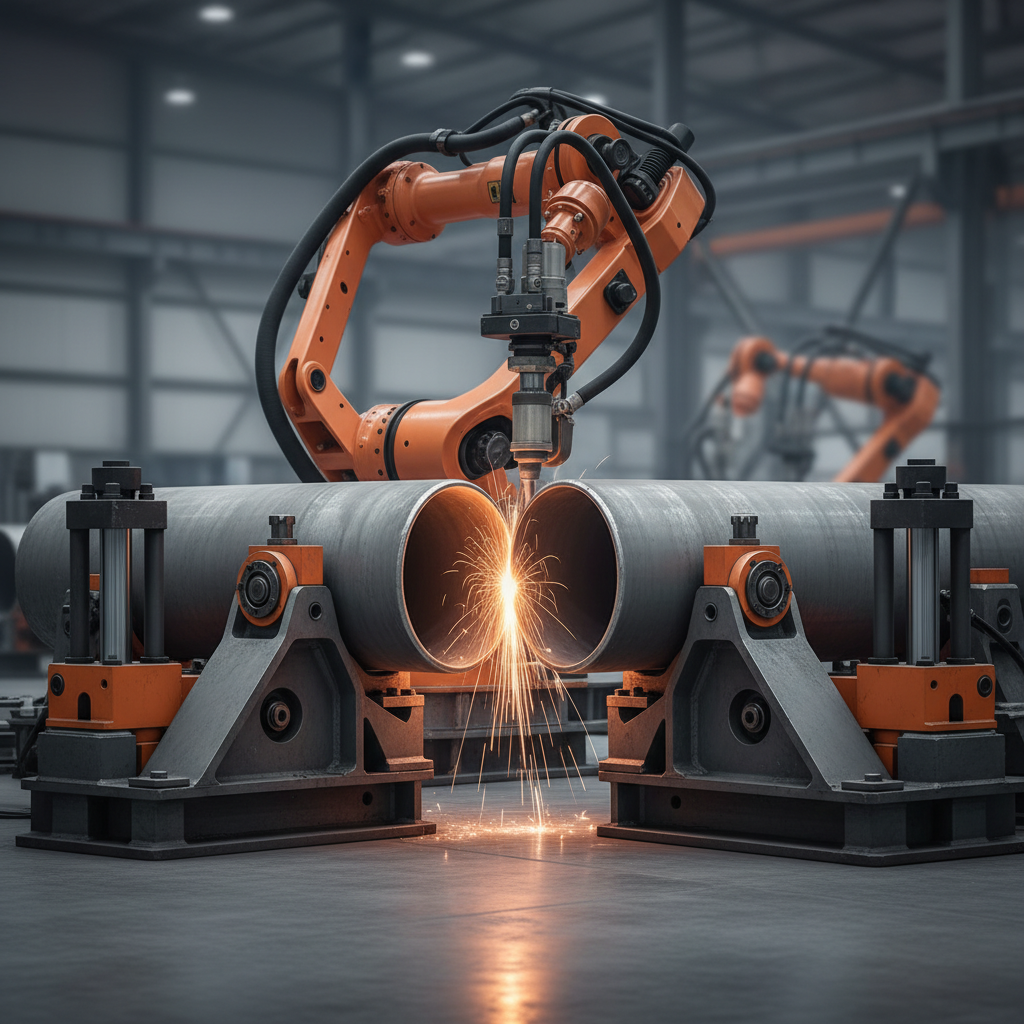
Pipe cutting machines are indispensable tools across a diverse range of industries, from oil and gas pipelines to construction, manufacturing, and even shipbuilding. These machines ensure precise, efficient, and safe cutting of various pipe materials – steel, stainless steel, plastic, copper, and more – playing a vital role in infrastructure development and maintenance globally. The demand for reliable and versatile pipe cutting machines continues to grow alongside expanding industrialization and urbanization.
Globally, the pipe cutting machine market is experiencing significant growth driven by increased investment in infrastructure projects, particularly in emerging economies. According to a report by Market Research Future, the global pipe cutting machine market is projected to reach USD 3.5 billion by 2030, exhibiting a CAGR of 4.8% during the forecast period. This growth is further fueled by stringent safety regulations and a preference for automated and precision cutting solutions.
Addressing the challenges of manual cutting – inconsistencies, safety risks, and time consumption – pipe cutting machines offer a technologically advanced solution. They provide not only accuracy and speed but also enhanced operator safety, reducing the potential for workplace accidents. The evolution of these machines reflects a broader trend towards automation and efficiency in industrial processes.
Introduction to pipe cutting machines
The field of pipe cutting machines isn't limited to a single approach; a broad spectrum of technologies cater to different needs. From cold cutting saws offering precision and minimal distortion to rotary pipe cutters favored for their speed and efficiency, and even automated orbital pipe cutting machines ensuring consistent results in critical applications, the choices are plentiful. Selecting the right machine depends heavily on the material being cut, the required precision, and the volume of work.
Investing in a quality pipe cutting machine translates to significant long-term benefits. Reduced material waste, enhanced safety for operators, faster project completion times, and the ability to meet stringent quality standards are just a few of the advantages. Furthermore, the availability of advanced features like automatic feed control and beveling capabilities adds to the overall value proposition.
Defining pipe cutting machines
Pipe cutting machines are specialized power tools designed to precisely and efficiently cut pipes made from various materials. Unlike general-purpose cutting tools, these machines are engineered specifically to handle the unique challenges presented by cylindrical shapes and the need for clean, burr-free cuts. The primary goal is to sever pipes with minimal deformation and ensure a consistent, accurate result.
These machines are integral to modern industry, enabling the construction and maintenance of critical infrastructure. They play a key role in industries like oil and gas, where pipeline integrity is paramount, as well as in plumbing, HVAC, and construction, where accurate pipe fitting is essential. Without efficient pipe cutting solutions, many large-scale projects would be significantly delayed and more costly.
Beyond industrial applications, pipe cutting machines are also vital in emergency response scenarios. Quick and reliable pipe cutting is often needed for repairs following natural disasters or to create access points for emergency services. Portable pipe cutters are particularly valuable in these situations, allowing for rapid intervention where conventional tools may be impractical.
Core Components and Factors
Several key factors contribute to the performance and reliability of pipe cutting machines. Blade Quality is paramount; high-speed steel (HSS) and carbide-tipped blades are common, each offering different strengths for various materials. Cutting Speed and Feed Rate directly impact cutting time and surface finish. Power Source (electric, hydraulic, or pneumatic) influences portability and cutting capacity.
Machine Stability is crucial for accurate cuts, especially with larger diameter pipes. A robust frame and secure clamping mechanism minimize vibration and ensure consistent results. Safety Features, such as blade guards, emergency stop buttons, and overload protection, are non-negotiable. Finally, Material Compatibility determines the machine’s suitability for different pipe materials, from soft copper to hardened steel.
Durability, scalability, cost efficiency, and ease of maintenance are also significant considerations. Durable machines minimize downtime and replacement costs. Scalability refers to the machine’s ability to handle different pipe sizes and materials. Cost efficiency considers both the initial purchase price and the long-term operating costs. And finally, ease of maintenance ensures that the machine can be quickly and easily repaired when necessary.
Key Applications of pipe cutting machines
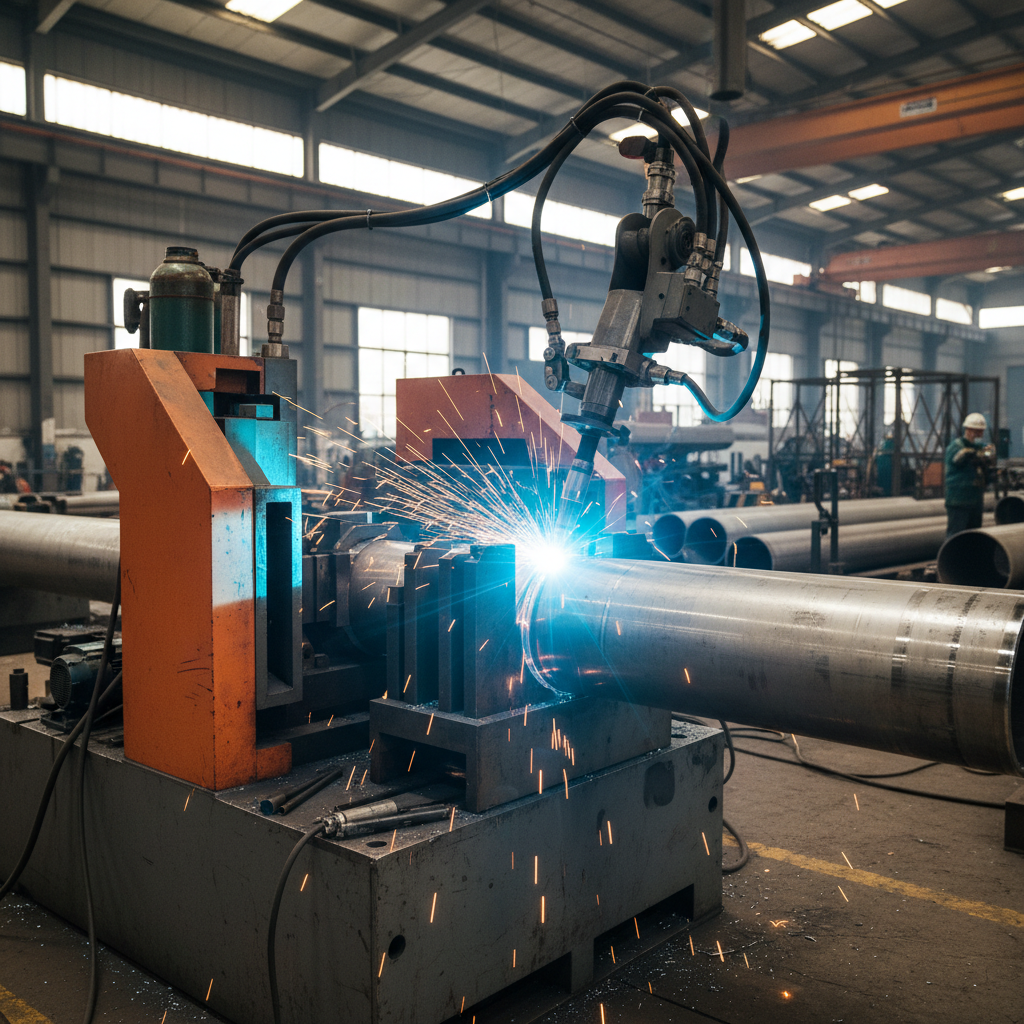
Pipe cutting machines find extensive use in the oil and gas industry for maintaining and constructing pipelines. The ability to precisely cut and bevel pipes is essential for creating strong, leak-proof welds. In the construction sector, these machines are used for plumbing, HVAC systems, and structural pipework. Furthermore, the shipbuilding industry relies heavily on pipe cutting machines for fabricating complex piping systems within vessels.
In remote industrial zones, where access to skilled labor and specialized equipment is limited, portable pipe cutting machines provide a vital solution. These machines allow on-site repairs and modifications to be carried out quickly and efficiently, minimizing downtime and operational disruptions. Similarly, in post-disaster relief operations, lightweight and versatile pipe cutters are invaluable for repairing damaged water and gas lines.
The manufacturing sector leverages pipe cutting machines for producing components for a wide range of products, including furniture, automotive parts, and medical equipment. The precision and repeatability offered by these machines ensure consistent product quality and reduce manufacturing defects. Additionally, the aerospace industry employs specialized pipe cutting machines to fabricate lightweight, high-strength tubing for aircraft structures.
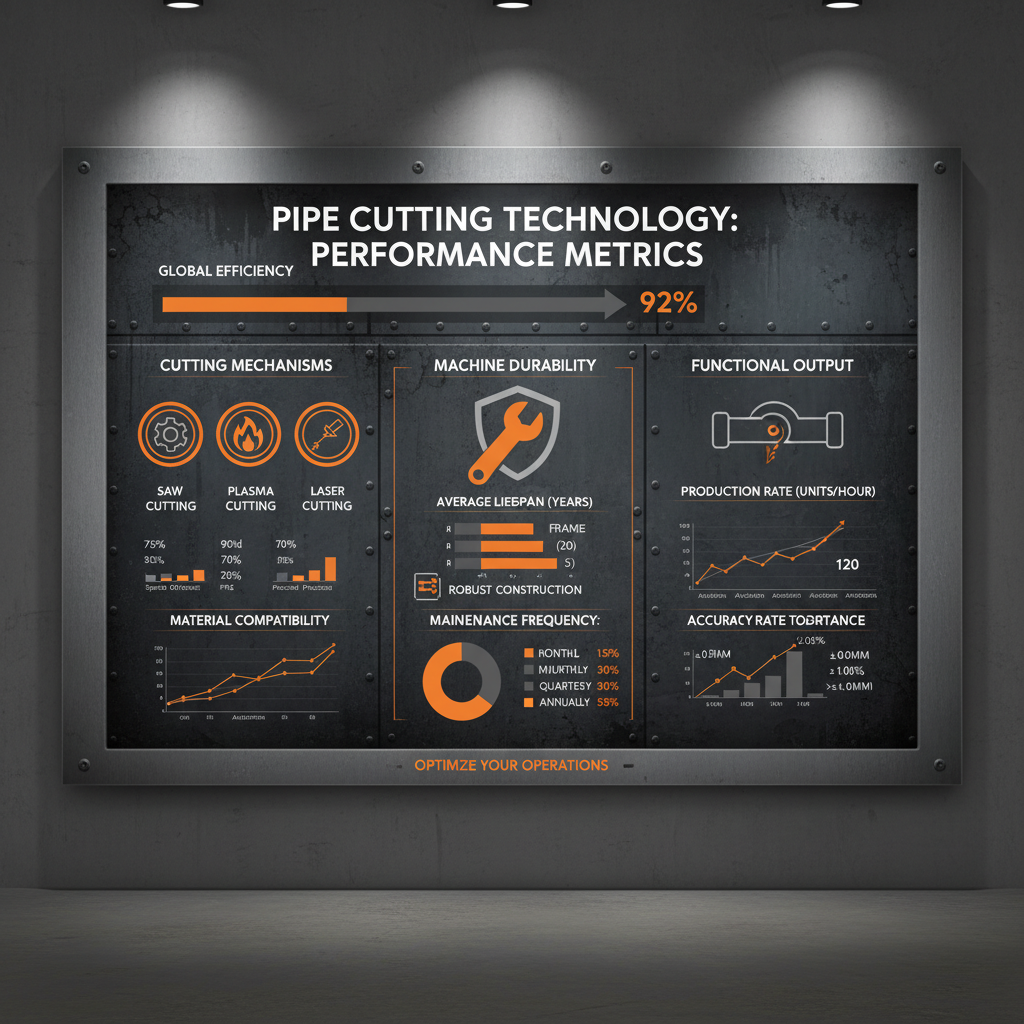
Efficiency Comparison of pipe cutting machines
Advantages and Long-Term Value
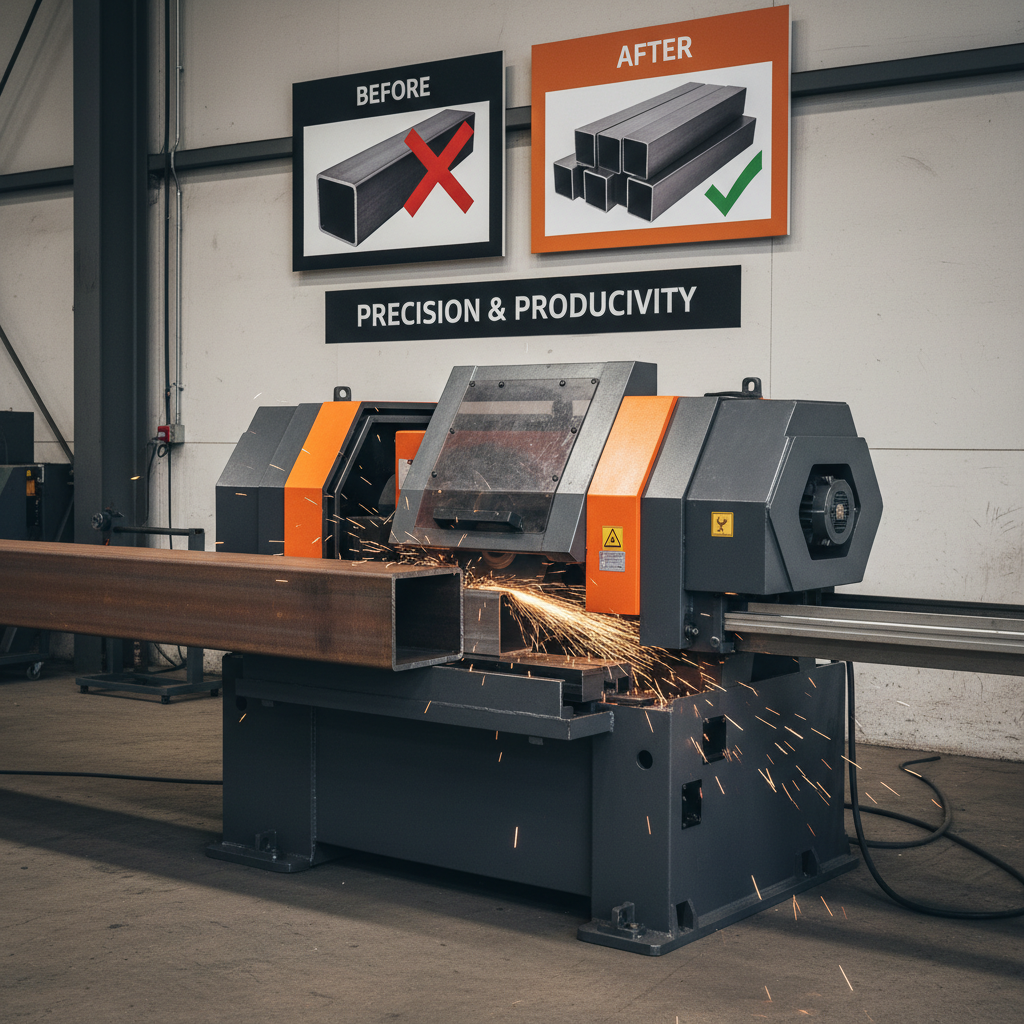
The advantages of utilizing pipe cutting machines are multifaceted. They deliver significantly reduced cutting times compared to manual methods, translating into substantial labor cost savings. Precision cutting minimizes material waste, further contributing to cost efficiency. The enhanced safety features inherent in these machines dramatically reduce the risk of workplace injuries.
From a long-term perspective, the investment in a high-quality pipe cutting machine provides a reliable and durable solution. Reduced maintenance requirements and the availability of spare parts ensure continued operational efficiency. Furthermore, the ability to consistently produce high-quality cuts contributes to the overall integrity and longevity of finished products.
Future Trends and Innovation
The future of pipe cutting machines is being shaped by advancements in automation, digital technology, and sustainable practices. Robotic pipe cutting systems are gaining traction, offering even greater precision and efficiency, particularly for complex geometries and large-scale projects. The integration of IoT sensors allows for real-time monitoring of machine performance, enabling predictive maintenance and optimizing cutting parameters.
The development of eco-friendly cutting fluids and the use of energy-efficient motors are contributing to more sustainable operations. Furthermore, advancements in blade materials and coatings are extending blade life and reducing the environmental impact of blade disposal. These innovations align with the growing demand for environmentally responsible manufacturing processes.
Challenges and Solutions
One of the primary challenges associated with pipe cutting machines is ensuring operator safety, particularly when working with high-speed blades. Proper training, the use of personal protective equipment, and adherence to safety protocols are essential. Another challenge is maintaining cutting accuracy with different pipe materials and thicknesses. Selecting the appropriate blade and optimizing cutting parameters are crucial for achieving consistent results.
Solutions to these challenges include the development of advanced safety features, such as automatic blade guards and emergency stop systems. Furthermore, the use of intelligent control systems that automatically adjust cutting parameters based on material properties can significantly improve accuracy and efficiency. Regular maintenance and calibration are also vital for ensuring optimal machine performance.
Addressing the issue of material waste requires optimizing cutting layouts and utilizing techniques like beveling to minimize scrap. Implementing closed-loop recycling systems for cutting fluids can also reduce environmental impact. Collaboration between manufacturers and end-users is essential for identifying and addressing emerging challenges and developing innovative solutions.
Table Summarizing Key Challenges and Solutions in Pipe Cutting Machine Operation
| Challenge |
Impact on Operation |
Proposed Solution |
Implementation Cost (Scale 1-10) |
| Operator Safety |
Risk of injury, downtime due to accidents |
Enhanced blade guards, emergency stops, training |
4 |
| Cutting Accuracy |
Dimensional errors, rework, material waste |
Intelligent control systems, blade selection |
6 |
| Material Waste |
Increased costs, environmental impact |
Optimized cutting layouts, beveling techniques |
3 |
| Machine Maintenance |
Downtime, reduced lifespan |
Preventative maintenance schedules, remote diagnostics |
5 |
| Compatibility with Materials |
Damage to blades, poor cut quality |
Using blades appropriate for the pipe material |
2 |
| Energy Consumption |
Higher operating costs, environmental impact |
Energy-efficient motors, optimized cutting parameters |
7 |
FAQS
For stainless steel, cold cutting saws or orbital pipe cutters are generally preferred. Cold cutting saws produce a clean, burr-free cut without generating heat, which is crucial for maintaining the corrosion resistance of stainless steel. Orbital pipe cutters offer exceptional precision and are ideal for high-tolerance applications. Choosing the right blade material (typically carbide-tipped) is also essential for effective cutting.
The frequency of blade replacement depends on the material being cut, the cutting volume, and the quality of the blade. As a general guideline, inspect the blade regularly for signs of wear, such as dullness, chipping, or cracking. If you notice a decrease in cutting performance or an increase in burr formation, it’s time to replace the blade. Following the manufacturer’s recommendations is always advisable.
Safety is paramount. Always wear appropriate personal protective equipment (PPE), including safety glasses, gloves, and hearing protection. Ensure the pipe is securely clamped before cutting. Never reach over or around a rotating blade. Keep hands and fingers clear of the cutting area. Familiarize yourself with the machine's emergency stop function. And always disconnect the power source before performing maintenance.
Yes, but it requires careful consideration. Cutting through coated pipes can dull blades more quickly and potentially damage the coating. Use a blade specifically designed for coated materials, reduce the cutting speed, and ensure proper lubrication. Be mindful of any fumes or particles generated during the cutting process, as they may be hazardous. The type of coating is a significant factor as well.
Cold cutting saws use a rotating abrasive blade that cuts without generating significant heat, preventing distortion of the pipe material, especially important for materials like stainless steel. Band saws, while faster, generate more heat and may require secondary operations to remove burrs. Band saws are generally better suited for softer materials and higher volume cutting. The choice depends on material and accuracy needs.
Absolutely. Portable pipe cutting machines are designed for on-site use, offering convenience and flexibility. These machines are typically lightweight and compact, powered by batteries or pneumatic systems. They are ideal for applications in remote locations, construction sites, or emergency repair situations. Various types are available, including handheld rotary cutters and portable band saws.
Conclusion
In conclusion, pipe cutting machines are critical tools across a vast range of industries, providing essential solutions for efficient, accurate, and safe pipe cutting. From the fundamental principles of blade selection and cutting techniques to the emerging trends of automation and sustainability, understanding the nuances of these machines is vital for optimizing operations and achieving superior results. The advancements in technology continue to elevate the capabilities and efficiency of pipe cutting processes.
Looking ahead, investing in advanced pipe cutting technology will be crucial for companies seeking to enhance productivity, reduce costs, and maintain a competitive edge. Regular training for operators, adherence to safety protocols, and proactive maintenance are all essential for maximizing the long-term value of these machines. Visit our website at www.xhequipment.com to explore our comprehensive range of pipe cutting machines and solutions.