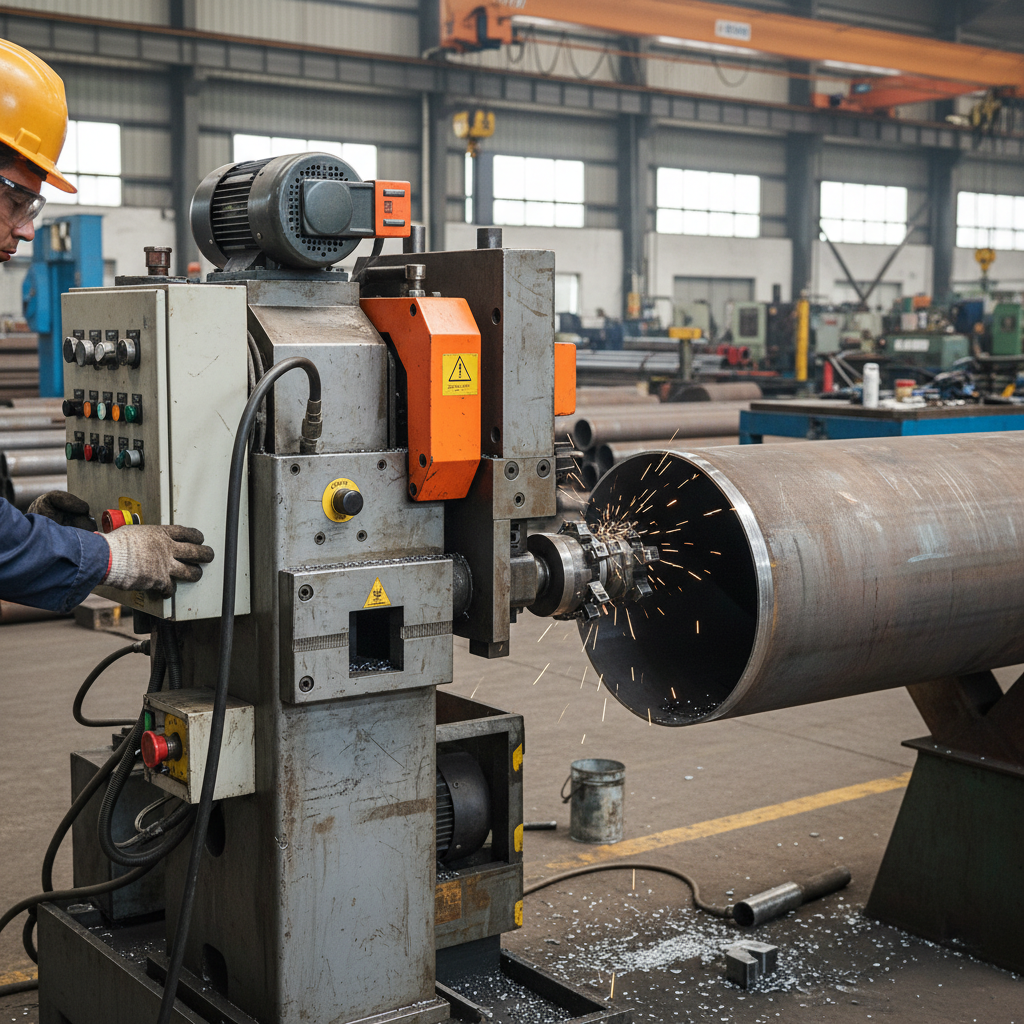
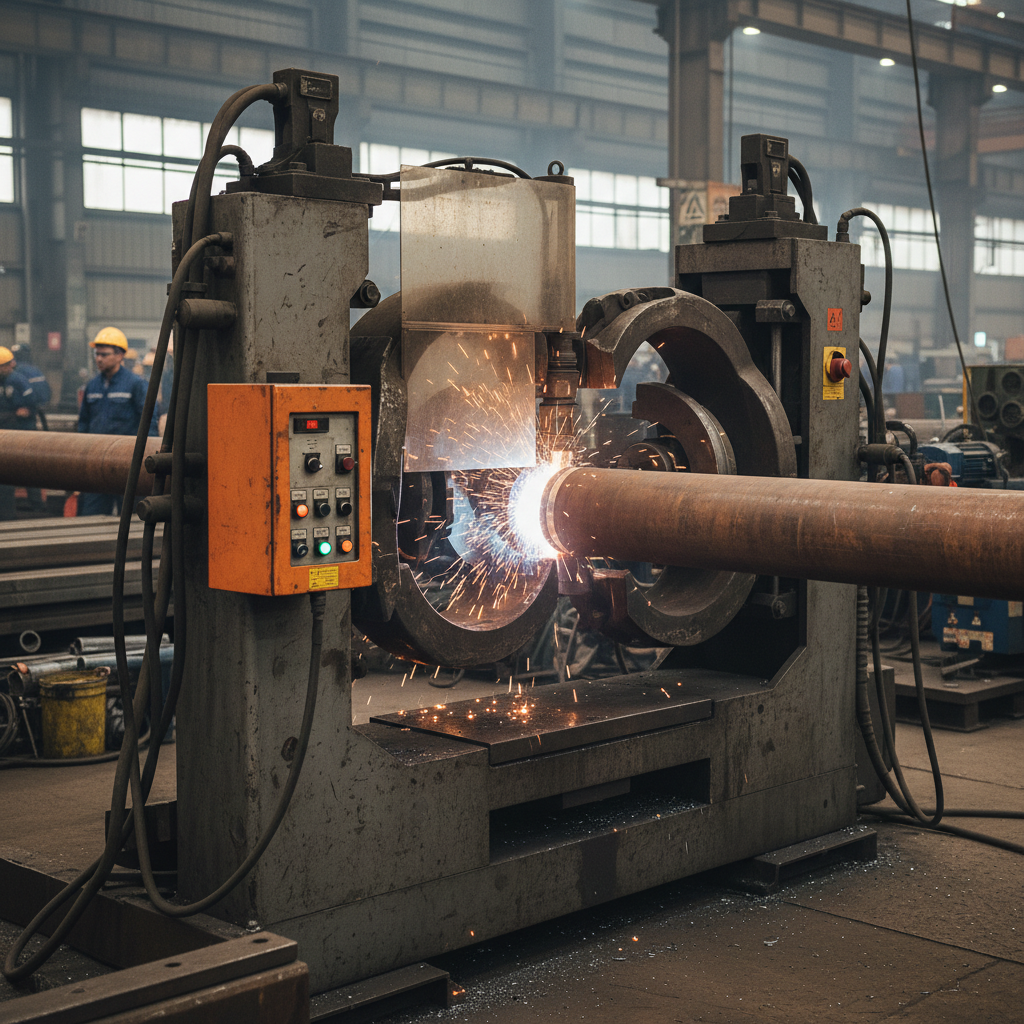
Look, after running around construction sites all year, you start to see things. It’s not about fancy marketing or lab results, it’s about what actually works when you’re sweating in the sun. Lately, everyone’s obsessed with efficiency, right? Pre-fab, modular builds, automating everything… And at the heart of a lot of that, you’ve got pipe cutting. It used to be all handsaws and pipe wrenches, now it’s all about automated pipe cutting machines. Honestly, it's a game changer, but also… a minefield of potential headaches.
You’ve got to understand, I’ve seen a lot of these machines over the years. And the biggest mistake people make? They think it’s just about the cut. It’s not. It’s about the whole process – getting the right materials to the machine, dealing with the chips, making sure it’s safe. And safety… that’s a big one.
To be honest, the initial push for these machines wasn’t even about speed, it was about consistency. You get a good operator, a good machine, you get the same cut every single time. Which matters, especially in pressurized systems.
The Rise of Automated Pipe Cutting
Have you noticed how much pre-fabrication is happening now? Everyone's trying to move work off-site, into a controlled environment. And that’s where these machines really shine. Less waste, fewer errors… it all adds up. But it’s not just pre-fab. I've seen them used on everything from oil pipelines to residential plumbing.
It’s about reducing man-hours, plain and simple. Especially on larger projects where you need hundreds of identical cuts. The cost savings can be substantial. The initial investment is hefty, though, let me tell you.
Common Design Pitfalls
Strangely enough, one of the biggest issues I encounter is with the chip collection system. Most machines have a way to collect the metal shavings, but they're often undersized or poorly designed. They clog up quickly, requiring constant cleaning. It's a small thing, but it adds up to a lot of wasted time.
Another common mistake is making the machine too complicated. All those fancy features? Most operators don’t need them. They want something reliable, something they can learn quickly. Keep it simple, you know?
And the interface… Oh, the interfaces. I’ve seen machines with interfaces that look like they were designed by someone who's never stepped foot on a construction site. Too many menus, too many buttons, too much confusing jargon.
Materials Matter: A Hands-On Perspective
You’ve got your standard carbon steel, of course. But increasingly, we’re seeing more stainless steel, high-alloy steels, even plastics. Each material requires a different blade, a different cutting speed, and a different coolant. You can't just slap any blade on there and expect it to work.
I encountered this at a factory in Tianjin last time. They were trying to cut some PEX pipe with a blade designed for carbon steel. The blade just… melted. It smelled awful, like burning plastic. They didn’t even have proper ventilation. Honestly, it was a disaster waiting to happen. You need to feel the material, know its properties. Stainless, for example, gets hot quickly, you need a coolant that can handle that. And the smell... you learn to recognize the different smells of materials burning, it tells you a lot.
And then there's the chips. The way they break, the sharpness... It tells you a lot about the cut quality. Coarse, jagged chips? Something's not right. Fine, powdery chips? That's usually good.
Real-World Testing and Validation
Forget the lab tests. Seriously. They're useful for basic performance metrics, but they don't tell you how the machine will hold up in the real world. We need to test these things on-site, in the mud, the dust, the heat.
I’ve seen machines fail after just a few weeks because the seals weren't good enough to keep out the dust. Or because the motor overheated in the summer sun. You need to push these machines to their limits, see what they can handle.
Automated Pipe Cutting Machine Performance Metrics
How Users Actually Use Them
This is where things get interesting. You think they’re using them for precision cuts, following the manual to the letter? Nope. They’re figuring out shortcuts. They’re modifying things. They’re adapting the machine to their workflow, not the other way around.
I've seen guys bypass safety features just to save a few seconds. It's risky, I know, but that’s the reality. That’s why training is so important, but even then… people will be people.
Advantages and Disadvantages: The Blunt Truth
Okay, the advantages are obvious. Speed, consistency, reduced labor costs. But there are downsides. These machines are expensive to maintain. The blades wear out quickly. And they require skilled operators. Anyway, I think the biggest disadvantage is the reliance on electricity. Power outages can bring everything to a standstill.
And don’t even get me started on the noise. Some of these machines are unbelievably loud. You need ear protection, for sure.
But honestly, when it’s working right, it’s a beautiful thing. A smooth, clean cut, every single time. It’s satisfying to watch.
Customization and Specific Applications
Now, customization. That's where it gets fun. I had a customer in Shenzhen last month, a small boss making smart home devices. He insisted on changing the interface to , because all his other equipment used . Seemed ridiculous to me, honestly. But he was adamant. We made the change, and it worked… but it added a week to the delivery time and a few extra bucks to the price. Still, customer is always right, right?
We’ve also done modifications for specific pipe materials, different blade angles, custom coolant systems. The key is to listen to the customer, understand their needs, and be willing to adapt.
And it’s not just about the hardware. Software customization is huge. Integrating these machines with BIM software, automating the entire process… that’s where the real potential lies.
Key Performance Indicators for Automated Pipe Cutting Machines
| Material Type |
Average Cut Time (Seconds) |
Blade Life (Cuts) |
Maintenance Frequency (Weeks) |
| Carbon Steel |
8 |
500 |
6 |
| Stainless Steel |
12 |
300 |
4 |
| PVC |
5 |
800 |
8 |
| Copper |
10 |
400 |
5 |
| PEX |
7 |
600 |
7 |
| HDPE |
9 |
450 |
6 |
FAQS
The biggest concerns are flying chips, pinch points, and electrical hazards. Always wear appropriate safety glasses, gloves, and ear protection. Make sure the machine is properly grounded and that all safety guards are in place. Regular maintenance and inspections are crucial, too. You don't want a blade flying off while you're standing next to it. Trust me.
It depends on the material you're cutting, and how much you're cutting. Softer materials like PVC will wear the blades slower than harder materials like stainless steel. A good rule of thumb is to inspect the blades after every 100 cuts. If they’re dull or chipped, replace them. A dull blade is a dangerous blade.
Regular lubrication of moving parts is essential. Clean the chip collection system frequently. Check the coolant levels. Inspect the electrical connections. And periodically, you’ll need to replace wear items like bearings and seals. A little preventative maintenance goes a long way. Don’t wait for something to break before you fix it.
Not all of them. You need to choose a machine with the right blades and cutting parameters for the material you're working with. Some machines are designed for metal pipes only, while others can handle plastics and composites. Make sure you read the manufacturer's specifications before you start cutting. Trying to cut the wrong material can damage the machine and void the warranty.
That depends on your volume of work, but generally, you can expect to see a return on investment within 1-2 years. The biggest savings come from reduced labor costs and increased efficiency. Plus, you'll have fewer errors and less wasted material. Do the math based on your specific situation, and it usually adds up.
Yeah, a lot of guys struggle with the change management aspect. It takes time to train operators and adjust workflows. Also, you need to ensure the machine is properly integrated with your material handling system. And don’t underestimate the need for good communication between the operator and the rest of the team. It's not just about the machine, it's about the whole process.
Conclusion
So, yeah, automated pipe cutting machines. They’re not perfect. They require training, maintenance, and a good understanding of materials. But when they’re set up right, they can save you time, money, and a whole lot of hassle. They’re becoming increasingly essential for modern construction and fabrication.
Ultimately, whether this thing works or not, the worker will know the moment he tightens the screw. If it’s clean, precise, and consistent, the machine has done its job. And if it hasn’t… well, you know what to do. Check out our range of automated pipe cutting machines at xhequipment.com.