The global demand for robust and efficient pipe joining solutions is constantly increasing, driven by expansions in infrastructure, energy, and manufacturing sectors. A critical aspect of ensuring the longevity and safety of these systems is proper pipe end preparation, specifically pipe end chamfering machine processes. This isn’t merely about aesthetics; it directly impacts weld quality, reduces stress concentration, and minimizes the risk of failure, making it a cornerstone of modern engineering practices.
The significance of utilizing a pipe end chamfering machine extends far beyond immediate project needs. It’s about upholding safety standards, minimizing costly repairs, and contributing to the overall sustainability of projects. Industries worldwide, from oil and gas to shipbuilding and construction, rely on precise chamfering for reliable, long-lasting pipelines and structures. This focus on quality and precision is increasingly vital as infrastructure ages and the demand for safer, more efficient systems grows.
Furthermore, advancements in pipe end chamfering machine technology are enabling faster, more accurate, and more versatile solutions. These innovations are addressing challenges related to diverse materials, complex geometries, and remote operation, ultimately driving down costs and improving project timelines.
The Importance of Pipe End Chamfering Machines
A pipe end chamfering machine is indispensable in the modern fabrication and construction landscape. Without proper chamfering, achieving strong, reliable welds becomes significantly more challenging, leading to potential structural weaknesses and safety concerns. The precision offered by these machines minimizes defects, ensuring consistent weld quality and contributing to the overall integrity of the pipeline system.
Investing in a quality pipe end chamfering machine isn’t just a purchase; it’s a commitment to long-term project success. Reduced rework, minimized material waste, and improved operational efficiency all translate into substantial cost savings, making it a strategic investment for any organization involved in pipe fabrication or installation.
Global Context and Industry Relevance
The global pipeline infrastructure is immense and continues to grow. According to the World Bank, trillions of dollars are invested annually in infrastructure projects worldwide, with a significant portion allocated to oil & gas, water, and wastewater pipelines. Ensuring the integrity of these systems is paramount, and accurate pipe end preparation via a pipe end chamfering machine is a key component.
The oil and gas industry, in particular, places extremely high demands on pipe end preparation. International standards, such as those set by the American Petroleum Institute (API), require precise chamfer angles and surface finishes to guarantee weld integrity in high-pressure environments. Pipe end chamfering machines are crucial for meeting these stringent requirements.
Beyond energy, sectors like water treatment, chemical processing, and shipbuilding all rely heavily on welded pipe systems. The need for reliable, leak-proof joints is universal, and increasingly, organizations are adopting advanced pipe end chamfering machine technologies to optimize their processes and enhance quality control.
Defining Pipe End Chamfering Machines
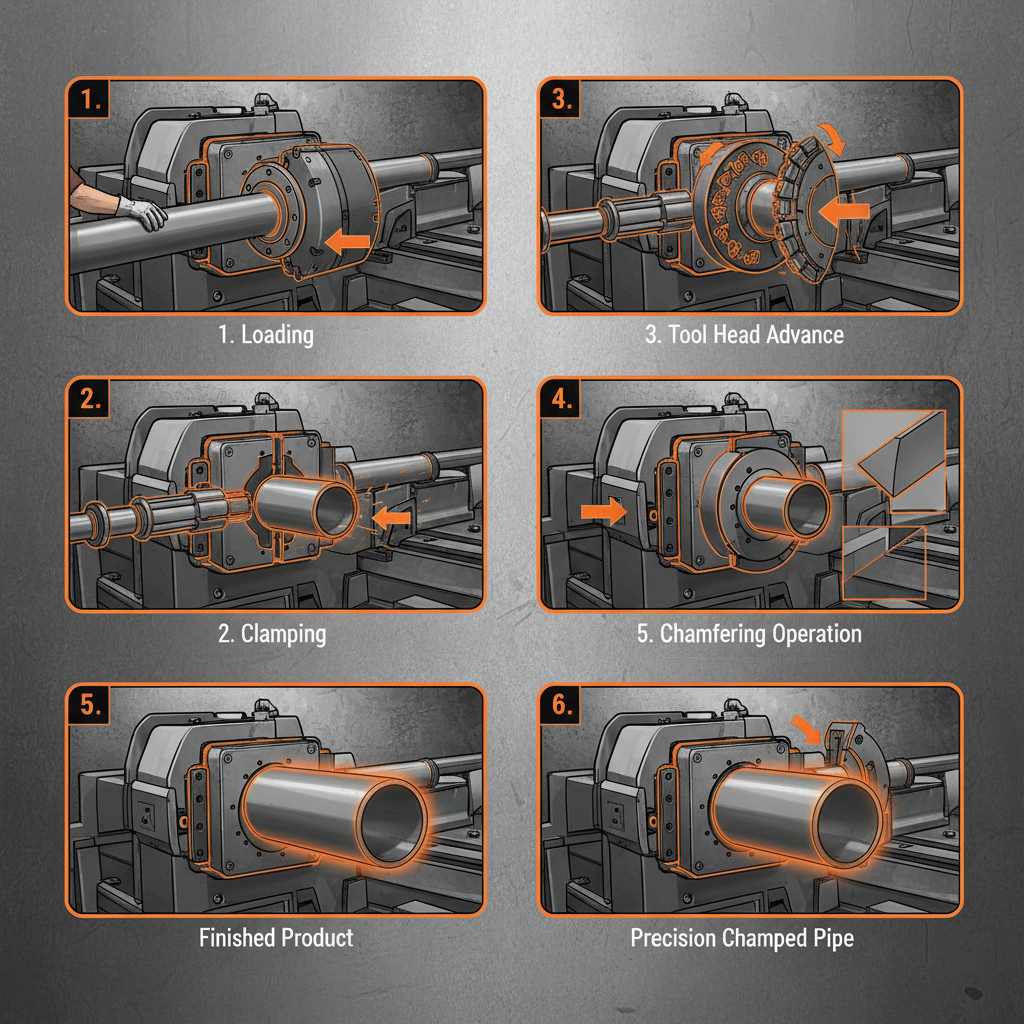
A pipe end chamfering machine is a specialized tool designed to create an angled surface, or chamfer, on the inside and/or outside edge of a pipe. This beveling process is essential to facilitate complete and strong weld penetration when joining two pipes together. Without a chamfer, the weld pool would be restricted, potentially leading to weak and unreliable joints.
These machines vary significantly in design, ranging from portable, handheld models suitable for field work to large, automated systems used in high-volume fabrication facilities. The choice of machine depends on factors like pipe size, material type, production volume, and required precision. Modern pipe end chamfering machines often incorporate features like automatic feed control, adjustable cutting angles, and integrated dust extraction systems.
The fundamental purpose of a pipe end chamfering machine aligns directly with modern industrial needs: to enhance the efficiency, reliability, and safety of welded pipe connections. In a world increasingly focused on infrastructure integrity, these machines represent a critical element in ensuring the longevity and performance of vital systems.
Key Factors in Pipe End Chamfering Machine Performance
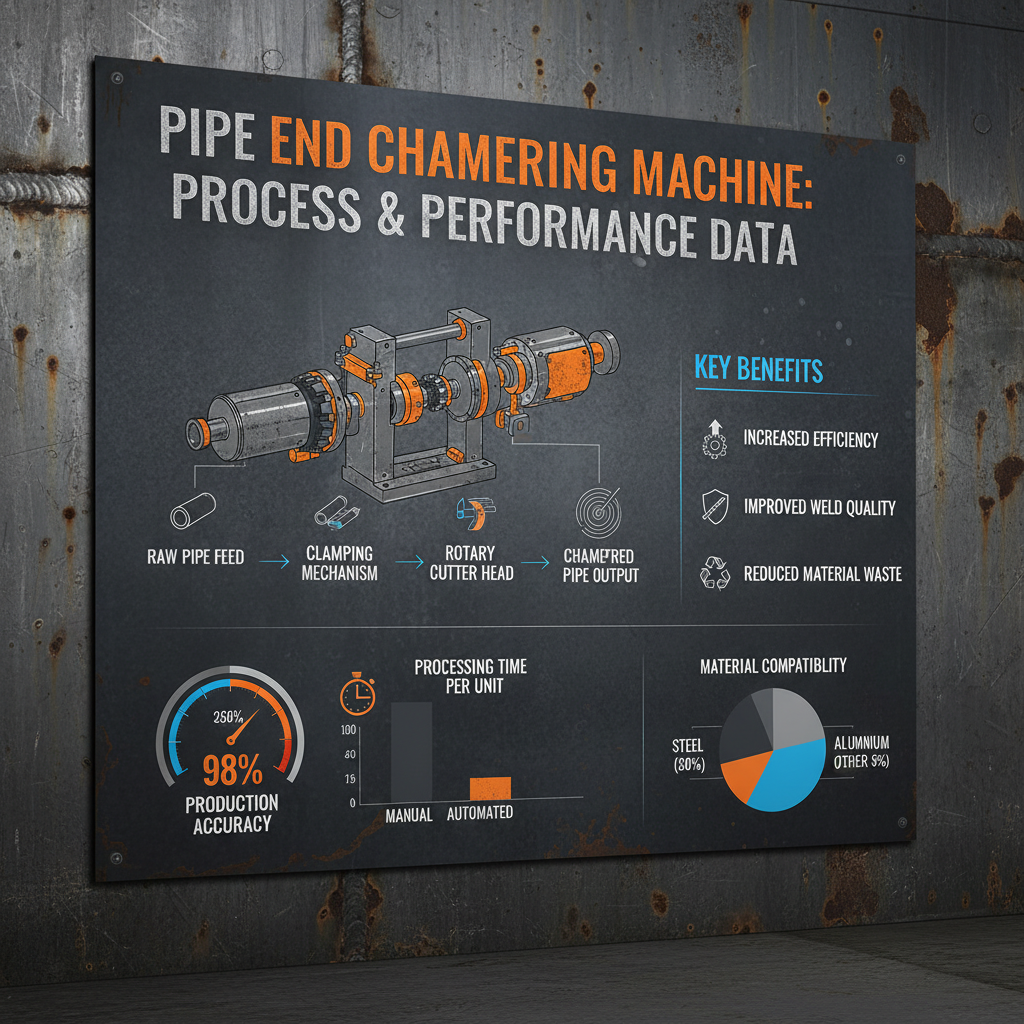
Several core aspects define the effectiveness and value of a pipe end chamfering machine. These include precision, versatility, and durability. Precision ensures the correct angle and finish for optimal weld quality. Versatility allows handling different materials and pipe sizes.
Cost-efficiency is another critical factor. While initial investment is important, consider the long-term costs associated with maintenance, tooling, and operational efficiency. A reliable, low-maintenance machine will deliver significant savings over its lifespan.
Pipe End Chamfering Machine Performance Metrics
Applications Across Industries
The applications of pipe end chamfering machines are incredibly diverse. In the oil and gas sector, they prepare pipes for offshore platform construction and pipeline installation. In the shipbuilding industry, they are essential for creating watertight joints in ship hulls and piping systems.
Construction projects, including large-scale infrastructure developments and commercial buildings, utilize these machines for preparing pipes for heating, ventilation, and air conditioning (HVAC) systems, plumbing, and fire suppression networks. The automotive and aerospace industries also employ them for specialized tubing applications.
Advantages and Long-Term Value
Investing in a pipe end chamfering machine yields substantial long-term benefits. Reduced welding time and material waste translate into significant cost savings. Improved weld quality minimizes the risk of failures, reducing maintenance costs and downtime.
Beyond the financial advantages, a quality pipe end chamfering machine contributes to enhanced safety by ensuring the integrity of critical infrastructure. This peace of mind is invaluable, especially in industries where safety is paramount. The increased efficiency also allows projects to be completed on time and within budget, fostering trust with clients and stakeholders.
Future Trends and Innovations
The future of pipe end chamfering machine technology is driven by automation, precision, and sustainability. We’re seeing a growing trend towards robotic chamfering systems that can operate autonomously, reducing labor costs and improving consistency. Integration with digital twins and predictive maintenance algorithms is also becoming more common, enabling proactive maintenance and minimizing downtime.
Furthermore, there’s increasing demand for machines that can handle advanced materials, such as high-strength alloys and composite pipes. Development of energy-efficient designs and tooling made from sustainable materials align with growing environmental concerns and promote a greener approach to manufacturing.
Summary of Key Features and Benefits of Pipe End Chamfering Machines
| Machine Type |
Material Compatibility |
Automation Level |
Maintenance Requirements |
| Portable Handheld |
Carbon Steel, Stainless Steel |
Manual |
Low, Regular Cleaning |
| Benchtop Automated |
Carbon Steel, Stainless Steel, Aluminum |
Semi-Automatic |
Medium, Lubrication Checks |
| Robotic Chamfering System |
All Common Pipe Materials |
Fully Automatic |
High, Software Updates & Calibration |
| Cold Cutting & Chamfering Machine |
Stainless Steel, Duplex, Super Duplex |
Semi-Automatic |
Medium, Blade Replacement |
| Split Frame Chamfering Machine |
Carbon Steel, Low Alloy Steel |
Manual |
Low, Visual Inspection |
| Pipe End Square Machine |
Various Metals |
Automatic |
Medium, Motor Checks |
FAQS
A pipe end chamfering machine offers superior consistency, accuracy, and speed compared to manual chamfering. Manual methods are prone to human error, leading to inconsistent bevel angles and surface finishes. Machines deliver repeatable results, reducing rework and improving weld quality, ultimately saving time and money.
Most modern pipe end chamfering machines are designed to handle a wide range of materials, including carbon steel, stainless steel, aluminum, and even more exotic alloys. Specific machine capabilities vary, so it’s essential to select a machine compatible with the materials you’ll be working with.
The correct chamfer angle depends on several factors, including the pipe material, wall thickness, and welding process being used. Generally, angles between 30 and 60 degrees are common. Consult welding codes and standards relevant to your industry to ensure you’re using the appropriate angle for optimal weld strength and integrity.
Maintenance requirements vary depending on the machine type. Generally, regular cleaning, lubrication of moving parts, and inspection of cutting tools are essential. More sophisticated machines may require periodic software updates and calibration to maintain optimal performance. Following the manufacturer’s recommended maintenance schedule is crucial for extending the machine’s lifespan.
Yes, safety is paramount. Always wear appropriate personal protective equipment (PPE), including safety glasses, gloves, and hearing protection. Ensure the machine is properly grounded and that all safety guards are in place. Follow the manufacturer’s operating instructions carefully and never attempt to modify or bypass safety features.
The ROI varies based on production volume and existing processes, but is typically excellent. Savings from reduced welding time, material waste, rework, and improved weld quality quickly offset the initial investment. Automated systems with higher upfront costs often demonstrate the fastest ROI due to significant labor cost reductions.
Conclusion
In conclusion, the pipe end chamfering machine is not merely a tool, but a critical component of modern infrastructure and manufacturing. Its ability to enhance weld quality, improve efficiency, and ensure safety makes it an indispensable asset for industries worldwide. Investing in the right machine is a strategic decision that delivers long-term benefits and contributes to the overall success of projects.
Looking ahead, advancements in automation and digital integration will continue to drive innovation in this field. Embracing these technologies will enable organizations to optimize their processes, reduce costs, and maintain a competitive edge. Visit our website at www.xhequipment.com to explore our range of pipe end chamfering machines and find the perfect solution for your needs.