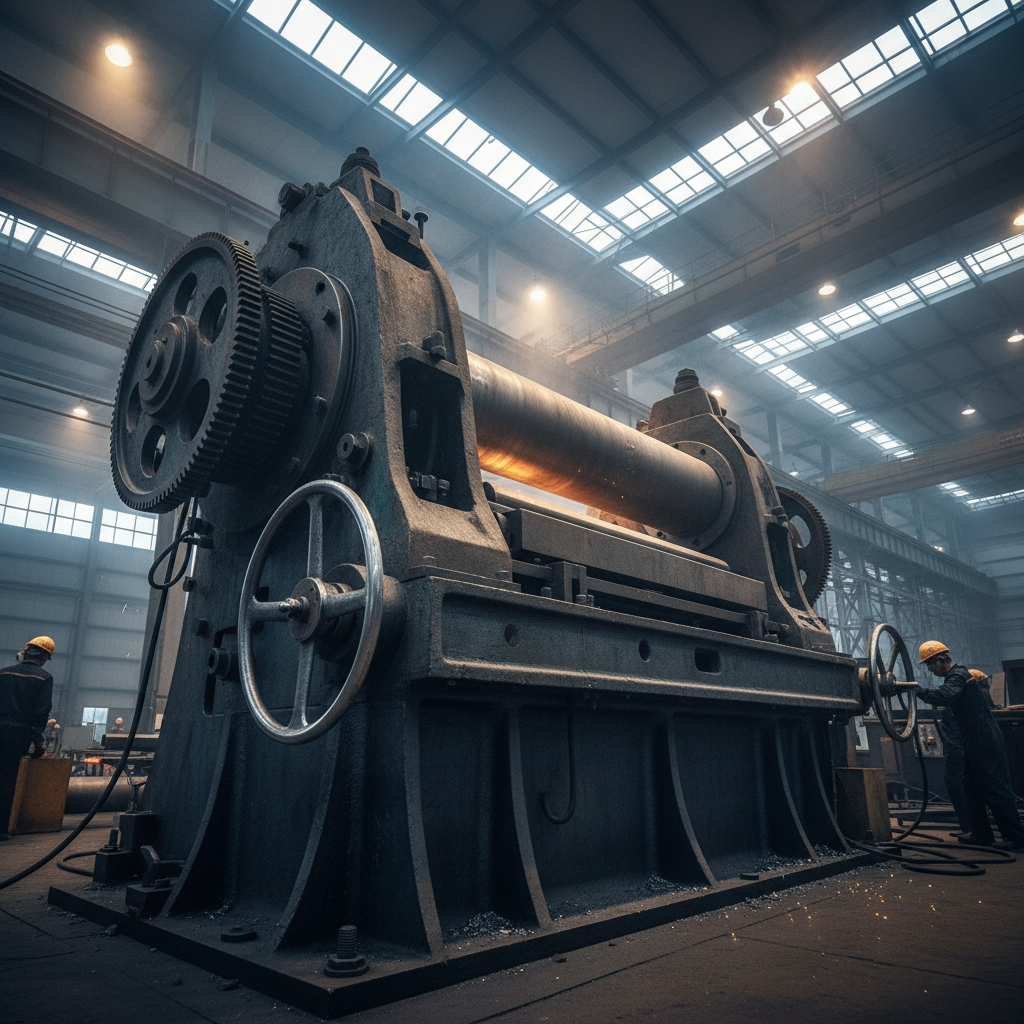
The demand for robust and reliable infrastructure is constantly growing, particularly in industries like oil and gas, construction, and pipeline maintenance. At the heart of this demand lies the crucial need for efficient and safe pipe welding, and the pipe welding rig is the cornerstone of achieving this. These rigs aren't just tools; they represent a commitment to quality, safety, and productivity in critical industrial applications. Understanding the nuances of these systems is vital for professionals and businesses alike.
Globally, the pipeline infrastructure represents a multi-billion dollar industry, vital for transporting essential resources. The International Energy Agency (IEA) estimates trillions of dollars will be invested in pipeline infrastructure over the next two decades. However, ensuring the integrity of these pipelines relies heavily on the quality of the welds, and the ability to perform this work efficiently and safely, even in challenging environments. The pipe welding rig addresses the critical need for precision and reliability in this industry.
Beyond traditional industries, the application of pipe welding rigs extends to emergency response and infrastructure rebuilding after natural disasters. Reliable, rapidly deployable welding solutions are vital for restoring essential services and establishing temporary infrastructure in areas where existing systems have been compromised, further illustrating the widespread importance of this technology.
The Importance of Pipe Welding Rig
The pipe welding rig plays a central role in numerous critical infrastructure projects worldwide. From constructing extensive oil and gas pipelines spanning continents to maintaining vital water supply networks, these rigs are indispensable for ensuring structural integrity and operational efficiency. The sheer scale of these projects underscores the significance of having robust, reliable welding solutions.
The proper functioning of a pipe welding rig directly impacts project timelines, cost effectiveness, and, most importantly, safety. A well-maintained and appropriately chosen rig minimizes downtime, reduces the risk of welding defects, and ultimately safeguards personnel and the environment. Choosing the right pipe welding rig is therefore not simply a technical decision, but a strategic one.
Defining a Pipe Welding Rig
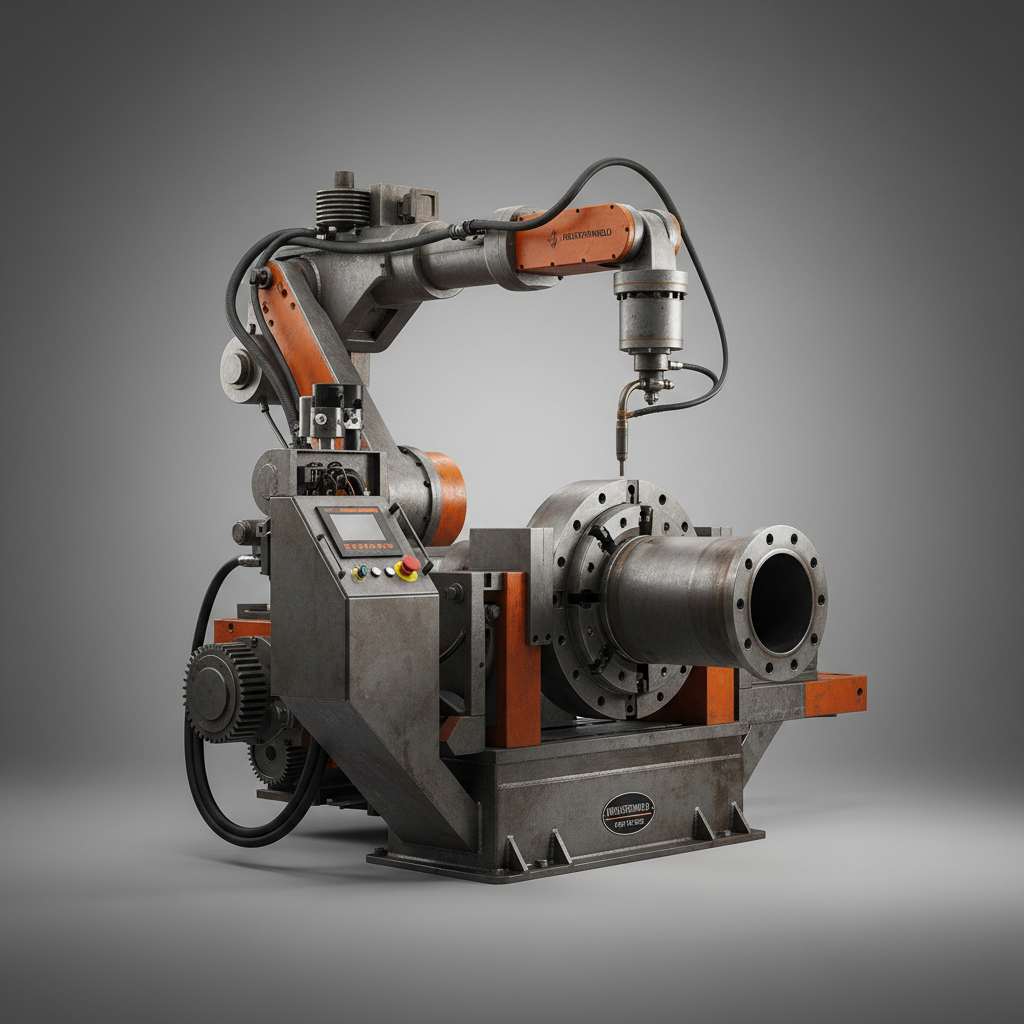
At its core, a pipe welding rig is a specialized assembly of equipment designed to facilitate the welding of pipes. This includes the power source (welder), welding head, pipe rotation devices, alignment tools, and often, a control system for precise manipulation. These systems can range from portable, manually operated rigs for field repairs to large, automated systems used in fabrication facilities.
The purpose of a pipe welding rig is to consistently produce high-quality welds that meet stringent industry standards. This requires precise control over welding parameters like current, voltage, and travel speed, as well as maintaining proper alignment and joint preparation. The rig is not just the welding machine; it’s the encompassing system enabling a quality weld.
This technology is fundamentally linked to modern industrial development. Without efficient and reliable pipe welding, the infrastructure that supports modern society - from energy distribution to water management - simply wouldn't be possible. It also has humanitarian implications; providing clean water access and rebuilding infrastructure after disasters heavily rely on effective pipe welding solutions.
Key Components and Features
A typical pipe welding rig comprises several key elements working in concert. The power source delivers the electrical current for welding, with options ranging from AC to DC and various amperage levels. Pipe rollers or turning rolls facilitate smooth and consistent rotation of the pipe during welding, ensuring even weld deposition.
Precise alignment tools are crucial for maintaining the correct gap and angle between the pipe sections being joined. Control panels allow operators to monitor and adjust welding parameters in real-time, enhancing precision and control. Furthermore, many modern rigs incorporate advanced features like pulsed welding, remote control capabilities, and data logging for quality control purposes.
The choice of components within a pipe welding rig significantly impacts its overall performance and suitability for specific applications. Factors to consider include the pipe diameter, wall thickness, material type, and the required welding process (e.g., SMAW, GMAW, GTAW).
Durability and Reliability
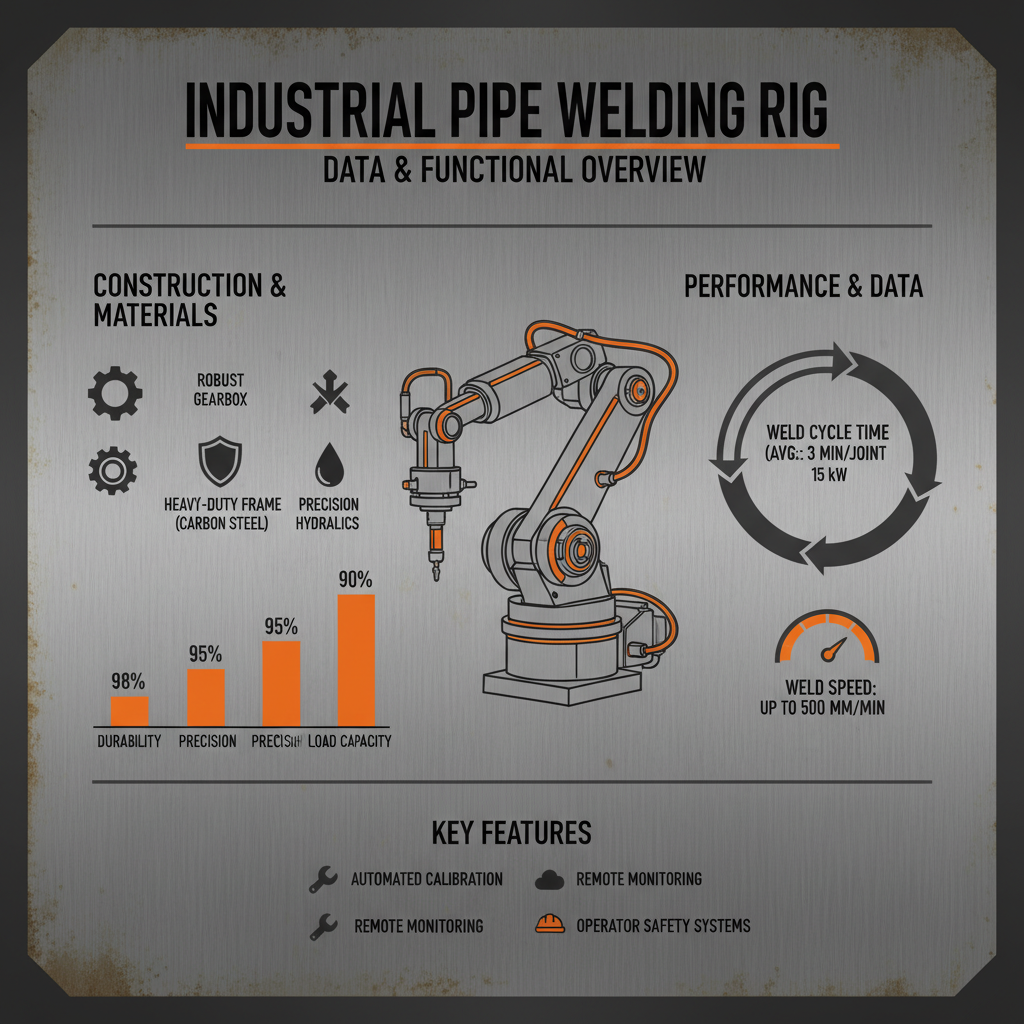
The longevity and consistent performance of a pipe welding rig are paramount, especially given the often harsh and demanding environments in which they operate. Rig construction often incorporates heavy-duty steel frames and robust components designed to withstand vibration, impact, and exposure to the elements.
Reliability is equally crucial. Frequent breakdowns lead to costly downtime and project delays. Therefore, selecting a rig from a reputable manufacturer with a proven track record for quality and a comprehensive warranty is essential. Regular preventative maintenance and adherence to manufacturer’s recommendations also contribute significantly to maximizing the lifespan and reliability of the equipment.
Pipe Welding Rig Performance Metrics
Global Applications in Industry
The applications of pipe welding rigs are exceptionally diverse and span numerous industries across the globe. The oil and gas sector remains a primary user, relying on these rigs for constructing and maintaining pipelines that transport crude oil, natural gas, and refined products.
The construction industry utilizes pipe welding rigs for installing plumbing and heating systems in buildings, as well as for infrastructure projects like bridges and tunnels. Water treatment facilities employ them for fabricating and repairing pipelines that deliver clean water to communities. In remote industrial zones like those found in Canada’s oil sands or Australia’s mining regions, portable pipe welding rigs are essential for on-site repairs and maintenance.
In post-disaster relief operations, rapidly deployable pipe welding rigs can be used to repair damaged water and sanitation infrastructure, providing essential services to affected populations. Furthermore, the shipbuilding industry utilizes specialized pipe welding rigs for constructing and maintaining ship hulls and piping systems.
Advantages and Long-Term Value
Investing in a high-quality pipe welding rig offers numerous tangible benefits, starting with reduced operational costs. Efficient welding processes minimize material waste, decrease energy consumption, and shorten project timelines. Improved weld quality reduces the risk of costly repairs and downtime.
Beyond cost savings, pipe welding rigs contribute to long-term sustainability by enabling the construction of durable and reliable infrastructure. The safety benefits are also significant – well-maintained rigs and properly trained operators minimize the risk of accidents and injuries. A robust welding program can enhance a company’s reputation for quality and reliability, fostering trust with clients and stakeholders.
Future Trends and Innovations
The future of pipe welding rig technology is being shaped by several key trends. Automation is playing an increasingly important role, with robotic welding systems offering enhanced precision, speed, and repeatability. Digitalization is also transforming the industry, with data analytics and remote monitoring capabilities enabling predictive maintenance and improved quality control.
The development of new materials, such as high-strength alloys and lightweight composites, is driving the need for specialized welding processes and equipment. Furthermore, there’s a growing emphasis on sustainability, with manufacturers focusing on developing energy-efficient rigs and reducing the environmental impact of welding operations. These innovations are aimed at improving efficiency, reducing costs, and enhancing the overall performance of pipe welding processes.
The integration of augmented reality (AR) and virtual reality (VR) technologies is also emerging, allowing for remote training, weld simulation, and improved operator guidance. These advances promise a future where pipe welding is safer, more efficient, and more sustainable.
Summarizing Core Aspects of Future Trends in Pipe Welding Rig Technology
| Trend Category |
Key Technologies |
Impact on Rig Design |
Expected Timeline |
| Automation |
Robotic Welding, Automated Control Systems |
Integration of robotic arms, advanced sensors, and precision control mechanisms. |
Ongoing (5-10 years for widespread adoption) |
| Digitalization |
Data Analytics, Remote Monitoring, IoT Sensors |
Rigs equipped with sensors for real-time data collection and remote diagnostics. |
Short-term (1-3 years) |
| Materials Science |
High-Strength Alloys, Composite Materials |
Development of welding processes and equipment compatible with new materials. |
Medium-term (3-7 years) |
| Sustainability |
Energy-Efficient Power Sources, Reduced Emissions |
Incorporation of energy-saving technologies and environmentally friendly materials. |
Ongoing (Long-term focus) |
| Virtual/Augmented Reality |
AR-Guided Welding, VR Training Simulators |
Integration of AR/VR interfaces for operator assistance and skill development. |
Medium-term (3-5 years) |
| Artificial Intelligence |
AI-Powered Weld Quality Control, Predictive Maintenance |
Implementation of AI algorithms for defect detection and proactive maintenance scheduling. |
Long-term (5-10 years) |
FAQS
Choosing the right pipe welding rig requires careful consideration of several factors. Pipe diameter and wall thickness are critical, as are the material being welded and the required welding process (SMAW, GMAW, etc.). Project location and accessibility also play a role – remote sites may necessitate portable rigs. Finally, budget constraints and the level of automation needed should be evaluated.
Regular maintenance is essential for maximizing the lifespan of your pipe welding rig. This includes routine cleaning, inspection of cables and connections, lubrication of moving parts, and regular calibration of welding parameters. Following the manufacturer’s recommended maintenance schedule is crucial, as is addressing any issues promptly to prevent further damage.
Safety is paramount when operating a pipe welding rig. Always wear appropriate personal protective equipment (PPE), including a welding helmet, gloves, and fire-resistant clothing. Ensure proper ventilation to avoid inhaling welding fumes. Be mindful of electrical hazards and follow lockout/tagout procedures when performing maintenance.
Automation significantly enhances the efficiency of pipe welding by reducing manual labor, increasing welding speed, and improving weld consistency. Robotic welding systems can operate continuously without fatigue, and they can be programmed to perform complex welding tasks with a high degree of precision. This leads to faster project completion times and reduced overall costs.
While the initial investment in a high-quality pipe welding rig may be higher, the long-term cost savings are substantial. Reduced downtime, improved weld quality, and increased efficiency all contribute to lower operational expenses. Furthermore, a reliable rig minimizes the risk of costly repairs and rework.
Digital technologies, such as data analytics and remote monitoring, are revolutionizing pipe welding operations. Real-time data collection allows for predictive maintenance, minimizing downtime and optimizing performance. Remote monitoring enables engineers to diagnose issues remotely and provide assistance to operators in the field, enhancing efficiency and safety.
Conclusion
In conclusion, the pipe welding rig remains an indispensable tool across a multitude of industries, underpinning vital infrastructure projects globally. From its core components enabling precise welding to the advancements in automation and digitalization, this technology consistently evolves to meet the demands of a changing world. Investing in quality rigs, prioritizing safety, and embracing innovative solutions are crucial for maximizing efficiency, sustainability, and long-term value.
Looking ahead, the integration of AI, AR/VR, and advanced materials will continue to shape the future of pipe welding. By staying abreast of these trends and adopting best practices, businesses can unlock new levels of productivity, reliability, and safety. To learn more about selecting the ideal pipe welding rig for your needs, visit our website today.