The field of pipeline construction and maintenance relies heavily on specialized equipment, and the pipeline welding machine is arguably the most critical. These machines are essential for joining pipeline sections, ensuring structural integrity and safe transport of vital resources like oil, gas, and water across vast distances. The global demand for energy and resource transportation continues to grow, making efficient and reliable pipeline welding crucial for economic development and infrastructure sustainability.
Pipeline projects are often undertaken in challenging environments – remote locations, harsh weather conditions, and difficult terrains. This necessitates the use of robust and adaptable pipeline welding machine technology that can perform consistently under pressure. Investing in advanced welding solutions leads to reduced project timelines, minimized downtime, and enhanced safety standards, which are paramount in the energy and utility sectors.
Understanding the nuances of pipeline welding machines – from the different types available to their operational requirements and future advancements – is no longer limited to welding professionals. Project managers, engineers, and even policymakers need a grasp of this technology to make informed decisions about infrastructure investments and resource management.
The Core Principles of pipeline welding machine
At its core, a pipeline welding machine facilitates the fusion of metal sections, creating a structurally sound and leak-proof joint. This is typically achieved through processes like Shielded Metal Arc Welding (SMAW), Gas Metal Arc Welding (GMAW), or Submerged Arc Welding (SAW), each with its own advantages depending on the pipeline material and operational conditions. Effective pipeline welding requires precise control of parameters like voltage, amperage, travel speed, and shielding gas.
The success of any pipeline project hinges on the quality of the welds. Defects such as porosity, cracks, or incomplete fusion can compromise the integrity of the pipeline, leading to potential failures and environmental hazards. Therefore, rigorous quality control measures, including non-destructive testing (NDT) methods like radiography and ultrasonic testing, are integral to ensuring weld reliability.
The Global Significance of pipeline welding machine
The world relies on pipelines for the transport of essential resources. Over 1.5 million kilometers of pipelines crisscross the globe, carrying oil, natural gas, chemicals, and water. The efficient and safe operation of these networks is directly linked to the quality and reliability of pipeline welding machine and the skills of the welders who operate them. Investments in pipeline infrastructure are significant, with projects often costing billions of dollars.
According to the World Bank, investment in infrastructure – including pipelines – is crucial for economic growth, particularly in developing nations. However, the construction and maintenance of these pipelines present significant challenges, demanding skilled labor and advanced technologies. The demand for qualified pipeline welders consistently outstrips supply, creating a skills gap that impacts project timelines and costs.
ISO standards, such as ISO 3834 for quality management in fusion welding, play a critical role in ensuring the consistency and reliability of pipeline welding processes worldwide. Compliance with these standards is often a prerequisite for participating in large-scale pipeline projects, demonstrating a commitment to safety and quality.
Defining the pipeline welding machine
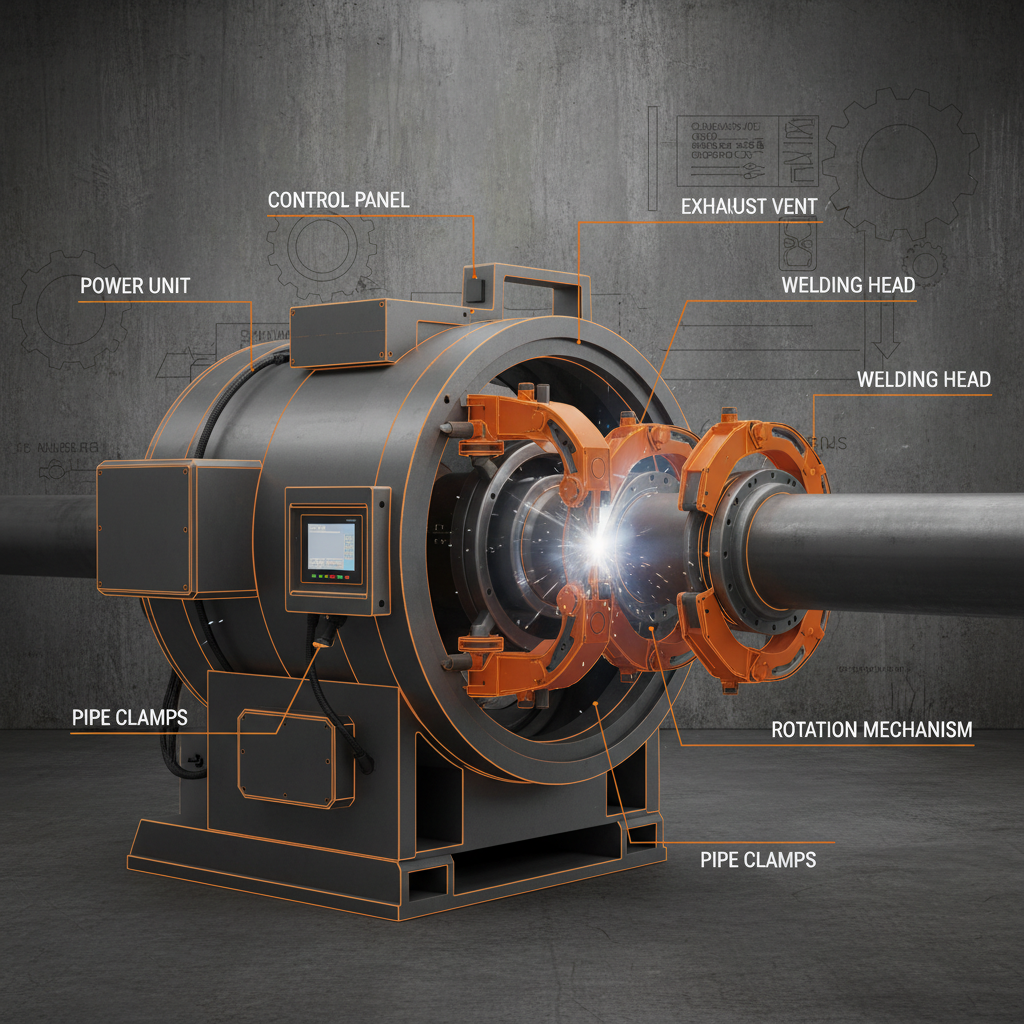
A pipeline welding machine isn’t a single monolithic device, but rather a category of equipment designed to automate or semi-automate the welding process for pipeline construction. These machines range from portable, manual units used for field repairs to large-scale, automated systems deployed on major pipeline projects. They facilitate various welding techniques, tailored to the specific materials and environmental conditions.
The core function is to provide a consistent and controlled welding arc, enabling welders to create strong, durable, and leak-proof joints. Modern machines often incorporate features like programmable controls, remote monitoring, and data logging capabilities, enhancing efficiency and quality control. Their connection to modern industrial demands and humanitarian needs lies in their contribution to secure energy supplies and safe water distribution.
Choosing the right pipeline welding machine depends on factors like pipeline diameter, wall thickness, material type (e.g., carbon steel, stainless steel), and field conditions. The selection process requires careful consideration of cost, portability, automation level, and the availability of skilled operators.
Key Factors Influencing pipeline welding machine Performance
Several factors determine the effectiveness of a pipeline welding machine. Durability is paramount, as these machines are often used in harsh environments and need to withstand considerable wear and tear. Portability is also crucial for field operations, especially in remote areas where access is limited.
Automation Level significantly impacts efficiency and weld consistency. Automated systems reduce the reliance on manual labor and minimize the risk of human error. Power Efficiency is another important consideration, particularly in locations with limited access to power sources. Finally, Control Systems are essential for precise parameter control and data logging.
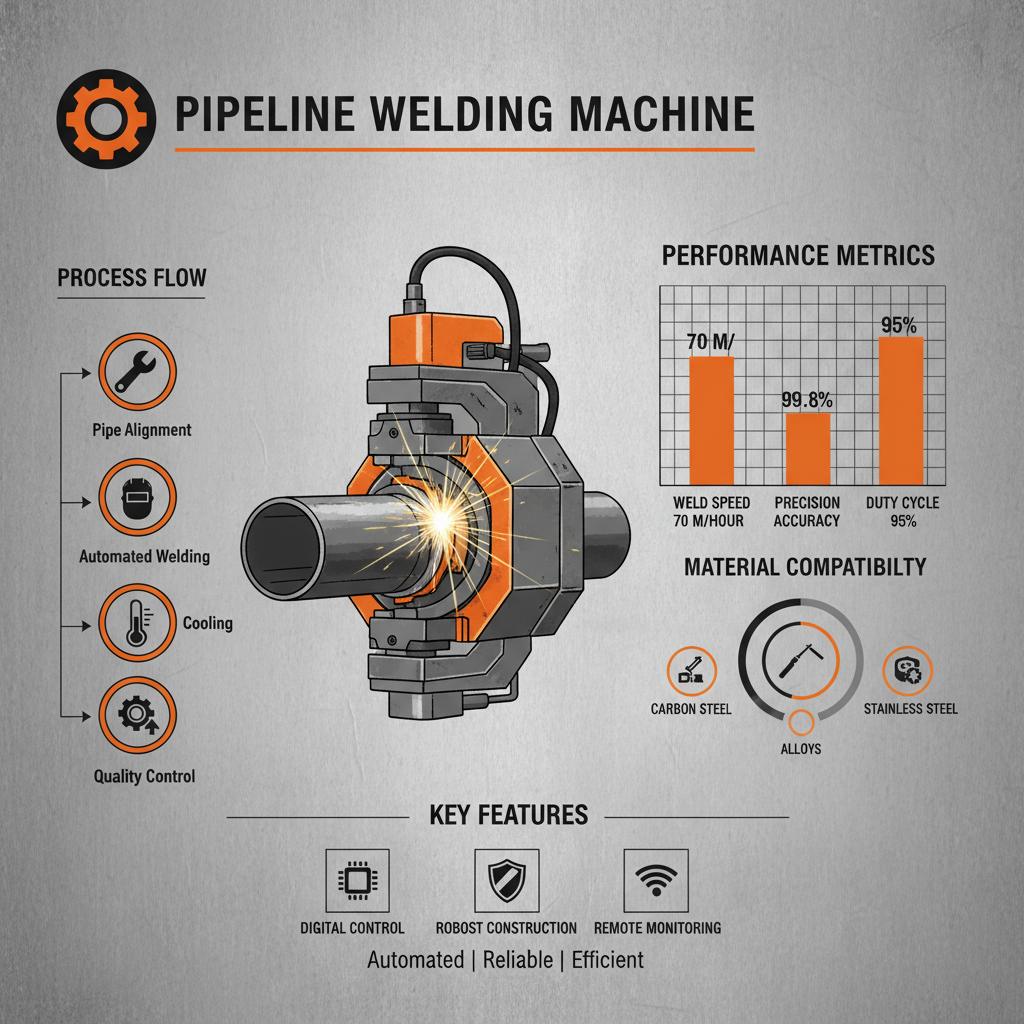
Performance Metrics of Pipeline Welding Machine Methods
Global Applications and Use Cases of pipeline welding machine
pipeline welding machine are utilized extensively in the oil and gas industry for constructing and maintaining transmission pipelines across continents. They are also vital for water distribution networks, ensuring access to clean water in urban and rural areas.
In post-disaster relief operations, pipeline welding machines can be deployed to quickly repair damaged pipelines, restoring essential services to affected communities. In remote industrial zones, such as mining operations in the Arctic, specialized pipeline welding machine are used to construct and maintain pipelines in extremely challenging conditions.
Advantages and Long-Term Value of pipeline welding machine
The benefits of investing in high-quality pipeline welding machine extend beyond immediate project efficiency. Reduced welding time translates to lower labor costs and faster project completion. Enhanced weld quality minimizes the risk of failures, resulting in long-term cost savings and reduced environmental impact.
Furthermore, adopting advanced welding technologies improves worker safety by reducing exposure to hazardous conditions. Investing in pipeline welding also fosters innovation and builds trust with stakeholders, demonstrating a commitment to responsible infrastructure development and sustainable practices.
Future Trends and Innovations in pipeline welding machine
The future of pipeline welding machine is being shaped by several emerging trends. Automation and robotics are playing an increasingly significant role, with the development of autonomous welding systems capable of operating with minimal human intervention. Digitalization and data analytics are also transforming the field, enabling real-time monitoring of welding parameters and predictive maintenance.
The integration of artificial intelligence (AI) and machine learning (ML) algorithms promises to optimize welding processes, improve weld quality, and reduce material waste. Furthermore, the development of more sustainable welding techniques, such as those utilizing renewable energy sources, is gaining momentum as the industry strives to reduce its carbon footprint.
New materials, such as high-strength alloys and composite materials, are also driving innovation in pipeline welding technology. These materials require specialized welding techniques and equipment, leading to the development of new pipeline welding machine capable of handling these challenges.
FAQS
When selecting a pipeline welding machine, prioritize features like automatic shut-off mechanisms, overcurrent protection, and grounding systems. Ensure the machine complies with relevant safety standards (e.g., IEC 60974-1). Proper training for operators is crucial. Consistent inspection and maintenance will also prevent potential hazards, maximizing the safety and longevity of the equipment and minimizing risks during operation.
A well-maintained, high-quality pipeline welding machine can typically last for 10-15 years or even longer. The lifespan is heavily influenced by factors like usage frequency, environmental conditions, and the quality of maintenance. Regular servicing, timely replacement of worn parts, and adherence to manufacturer recommendations are essential for maximizing the machine's operational life.
Automation significantly improves cost-effectiveness by reducing labor costs, increasing welding speed, and enhancing weld quality. While the initial investment in automated systems can be higher, the long-term savings from reduced rework, increased productivity, and lower material waste often outweigh the upfront expenses. Automation also minimizes the reliance on highly skilled welders, which can be difficult and costly to recruit.
Regular maintenance is critical for ensuring the reliable operation of pipeline welding machine. Key tasks include cleaning the machine, inspecting cables and connections, lubricating moving parts, and replacing worn components like electrodes and nozzles. Periodic calibration of welding parameters is also essential for maintaining weld quality. Following the manufacturer’s guidelines is crucial.
Yes, many pipeline welding machine are versatile and can be adapted for use with different pipeline materials and diameters. However, specific machine features and welding techniques may need to be adjusted depending on the material (e.g., carbon steel, stainless steel, polyethylene) and the pipeline's size. Ensure the machine’s capabilities align with the project’s requirements.
Operator skill is paramount, even with advanced pipeline welding machine. A skilled welder understands welding principles, can accurately set parameters, and can identify and address potential issues during the welding process. Proper training and certification are crucial for ensuring welders possess the necessary expertise to deliver high-quality welds consistently.
Conclusion
In conclusion, the pipeline welding machine remains an indispensable tool in the global infrastructure landscape. From ensuring the safe and efficient transport of energy resources to providing access to clean water, these machines play a critical role in supporting modern society. Understanding the core principles, applications, and future trends surrounding pipeline welding is essential for professionals and stakeholders alike.
Looking ahead, continued innovation in automation, digitalization, and sustainable welding practices will further enhance the performance, reliability, and environmental friendliness of these vital machines. Investing in advanced pipeline welding machine and fostering a skilled workforce are crucial steps towards building a more resilient and sustainable future. Visit our website at www.xhequipment.com to learn more.