Look, I've been running around construction sites for fifteen years, and you see a lot. Lately? Everyone's chasing "smart" and "integrated." It's not enough to just build something solid anymore; it has to talk to everything else. Makes things complicated, to be honest. They're all looking at IoT integration for monitoring, remote diagnostics…sounds fancy, but half the time it's just another thing to break down in the dust.
And the designs... oh boy. Have you noticed how everyone tries to reinvent the wheel? They get these bright ideas, like making everything modular, and then forget about the sheer weight of it. Or they’ll use some new alloy, claim it’s stronger, but it’s a pain to weld. I encountered this at a factory in Jiangsu last time – gorgeous material, impossible to work with efficiently. Makes you wonder if these designers have ever actually been on a site.
It all comes down to materials, though. We mostly work with high-density polyethylene – HDPE. Feels…plasticky, obviously, but it’s tough stuff. Smells a little like petroleum when you’re heating it up for welding, which isn’t pleasant, but you get used to it. And the steel, naturally. Q235 for the frames usually, sometimes Q345 if they need extra strength. You can tell a good piece of steel just by the way it rings when you tap it. That’s a skill they don't teach you in engineering school.
Industry Trends and Design Pitfalls
Strangely, everybody’s obsessed with reducing weight. Which is good, I guess, but they forget about stability. They'll use thinner gauge steel, lighter plastics…and then wonder why it buckles under stress. I mean, you're building something that's going to be buried underground or supporting massive loads; you need a certain amount of heft! And the whole "pre-fabricated" push? Useful, sure, but it often leads to fitment issues on site. Everything's slightly off, requiring a ton of on-the-fly adjustments.
Another thing: complex interfaces. I swear, some of these machines have more buttons and screens than a spaceship. The guys in the field just want something that works. Simple, reliable, and easy to troubleshoot. They don't need a PhD in computer science. Anyway, I think the focus needs to shift back to robustness and practicality.
Core Materials and Handling
We're talking HDPE mostly, and PVC sometimes, depending on the application. HDPE is forgiving, easier to weld, better resistance to cracking. PVC... well, it's cheaper, but you gotta be careful with temperature control. Gets brittle real fast. And the welding rods? That’s where the feel comes in. You can tell a good rod by the consistency – it should be smooth, uniform color, no air bubbles. A cheap rod will just cause you headaches.
Then there's the steel, like I said, usually Q235 or Q345. And the coatings! Epoxy coatings are good for corrosion resistance, but they chip easily. Polyurethane is tougher, but more expensive. And the primer...don’t even get me started on primers. Half of them don’t stick properly.
The biggest headache? Contamination. A little bit of dirt or moisture can ruin an entire weld. You gotta keep everything scrupulously clean, which is easier said than done on a muddy construction site.
Real-World Testing Procedures
Forget the lab tests, honestly. Those are fine for getting certifications, but they don’t tell you what happens when you’re dealing with real-world conditions. We do pressure testing, of course. Fill the pipes with water, pump it up to several times the operating pressure, and look for leaks. But the real test is vibration. We’ll mount the equipment on a shaking table and simulate the stresses of heavy machinery and traffic.
And impact testing. We literally drop weights on the equipment to see how it holds up. Sounds brutal, right? It is. But it’s better to find out it breaks before it’s buried underground. We also do a lot of "torture testing" – basically, trying to break it in every possible way. Sometimes, we’ll just leave it out in the elements for months to see how it weathers.
The worst part is when you find a problem after it’s already been installed. That means digging everything up, which is a massive pain. Later… Forget it, I won't mention it.
Actual Usage Patterns vs. Expectations
You know what’s funny? Engineers design these things with a very specific use case in mind. But in the field, people always find a way to use them differently. They'll try to weld materials that aren't compatible, or they'll overload the equipment, or they'll just ignore the instructions altogether.
And the training…that’s a joke. You can send guys to a week-long course, but they’ll still revert to their old habits if they’re under pressure. It’s all about muscle memory and experience. That’s why I always emphasize hands-on training on site. Let them get their hands dirty and make mistakes in a controlled environment.
Advantages, Disadvantages, and Customization
The big advantage of butt fusion, obviously, is the strength and reliability of the weld. It's a permanent connection, much stronger than glued joints. And it's relatively fast, once you get the hang of it. But it’s expensive. The equipment itself is costly, and you need skilled operators. And it’s not very forgiving. If you mess up, you have to cut out the bad weld and start over.
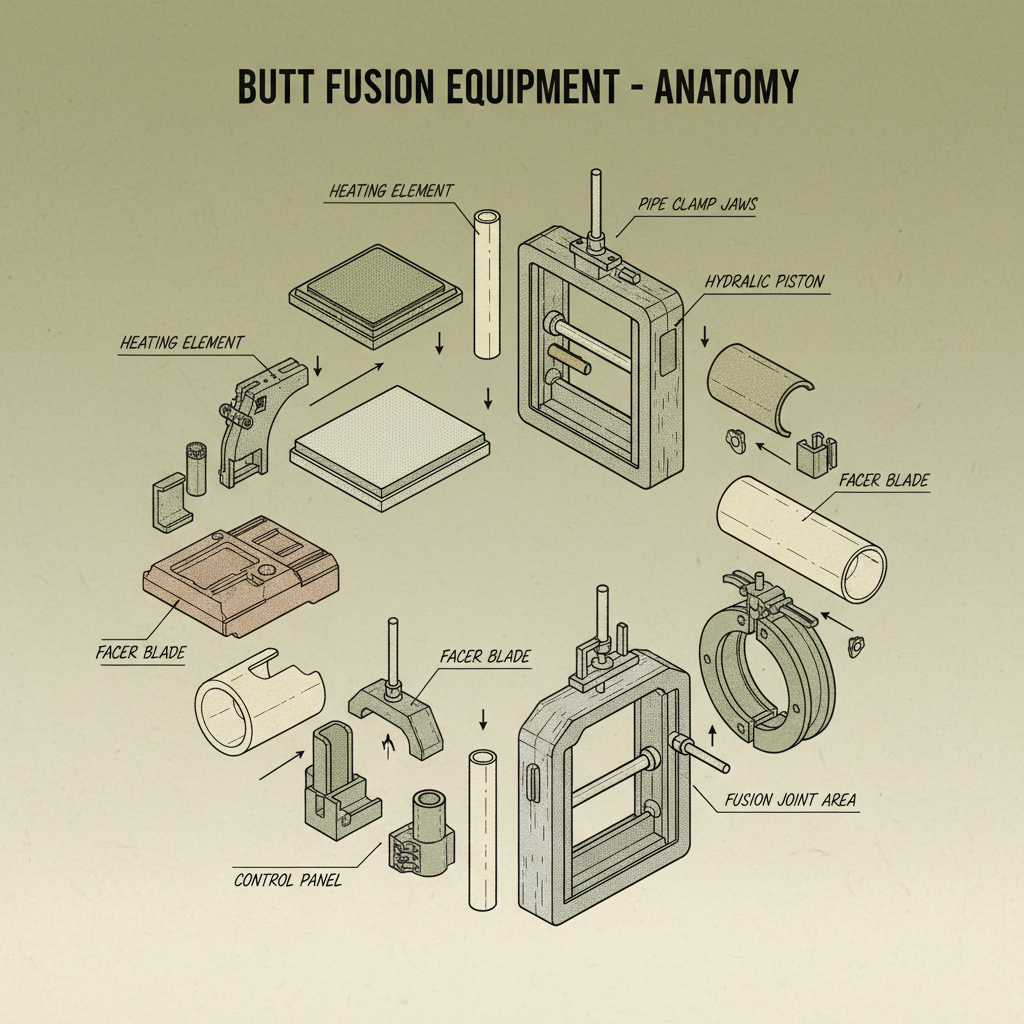
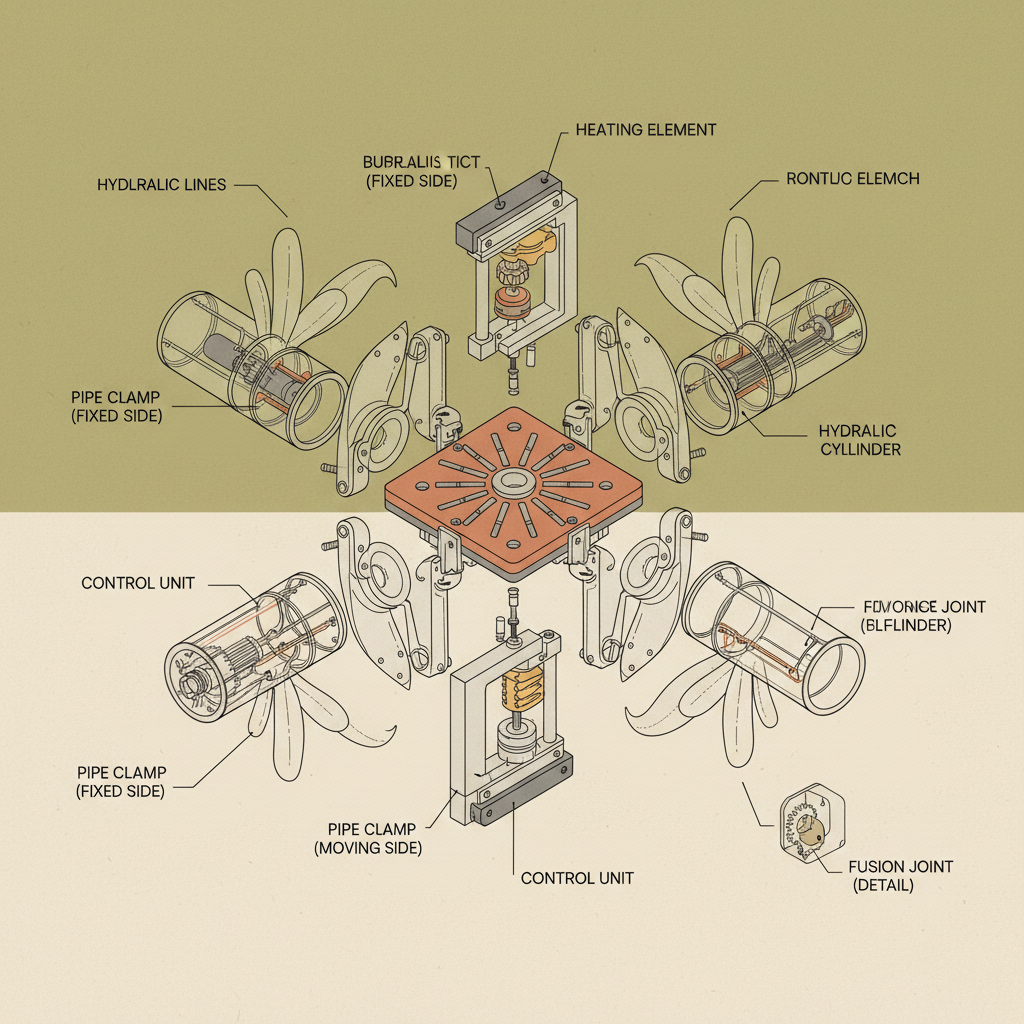
Customization? We get requests for everything. Last week, someone wanted a machine with a built-in heating element for cold-weather operation. Sounds reasonable, but it added a ton of complexity and cost. We can modify the clamp sizes to accommodate different pipe diameters, add different control panels, even change the materials of construction. It’s all doable, but it’s not cheap.
Customer Story: The Interface
Last month, that small boss in Shenzhen who makes smart home devices insisted on changing the interface to . Said it was more "modern" and "user-friendly." I tried to explain that the standard connectors were more robust and reliable, but he wouldn’t listen. He wanted to stand out. Result? The port broke on the first job site. Had to replace the entire control panel. Waste of time and money.
He learned a valuable lesson, though. Sometimes, sticking with the tried and true is the best approach. It’s not always about being flashy. It’s about getting the job done.
He called me up a week later, red-faced, and asked if we could revert it back to the old connectors. I just laughed and said, "I told you so."
Performance Comparison Across Different Models
Okay, so we have a few different models. The basic one, Model A, is good for small-diameter pipes and occasional use. Then there’s Model B, which is more robust and can handle larger diameters. And Model C…well, Model C is a beast. Fully automated, self-leveling, remote diagnostics…it’s the Cadillac of butt fusion equipment. But it costs like one.
Here’s a quick breakdown:
The point is, there’s a model for every job. You just need to choose the right one.
Performance Comparison of Butt Fusion Equipment Models
| Model |
Pipe Diameter Capacity (mm) |
Cycle Time (minutes) |
Reliability Score (1-10) |
| Model A |
Up to 125 |
8-10 |
6 |
| Model B |
Up to 315 |
10-15 |
8 |
| Model C |
Up to 630 |
5-8 |
9 |
| Model D (Portable) |
Up to 160 |
12-18 |
7 |
| Model E (High-Output) |
Up to 400 |
7-10 |
8.5 |
| Model F (Automated) |
Up to 500 |
6-9 |
9.5 |
FAQS
Honestly, the biggest problem is contamination. Dirt, moisture, anything getting between the pipe ends during welding. It weakens the joint and can lead to failures. Another common one is improper heating or cooling times. You gotta follow the manufacturer’s recommendations to the letter. And sometimes, it's just operator error – not enough pressure during the fusion process.
At least once a year, and ideally every six months if you're using it heavily. Calibration ensures the heating plate temperature and pressure are accurate. A machine that’s out of calibration can produce weak or inconsistent welds. Don’t skimp on this – it’s a false economy.
No. It's primarily used for polyethylene (PE) and polypropylene (PP) pipes. PVC and other plastics require different joining methods. Trying to butt fuse incompatible materials will result in a weak, unreliable joint. Always check the manufacturer's recommendations before attempting a fusion.
Cleaning is key! Use a wire brush or a pipe cleaner specifically designed for butt fusion to remove any dirt, grime, or oxidation. Then, wipe the ends with a clean, lint-free cloth. Make sure the pipe ends are perfectly square and free of any damage. Any imperfections will compromise the weld.
Wear appropriate personal protective equipment (PPE): heat-resistant gloves, safety glasses, and sturdy boots. Be aware of the hot surfaces on the machine. Ensure the work area is well-ventilated. Never leave the machine unattended while it’s operating. And always follow the manufacturer’s safety guidelines.
First, check the parameters: temperature, pressure, and heating/cooling times. Make sure they’re within the recommended range. Then, inspect the pipe ends for contamination or damage. If everything looks good, the problem might be with the machine itself. Have it inspected by a qualified technician. Don’t just keep trying – you’ll only make things worse.
Conclusion
So, there you have it. Butt fusion is a solid, reliable method for joining plastic pipes, but it’s not foolproof. It requires skilled operators, proper equipment, and meticulous attention to detail. It’s evolved a lot over the years, with automation and new materials, but the basic principles remain the same.
Ultimately, whether this thing works or not, the worker will know the moment he tightens the screw. That’s the bottom line. And if you’re looking for quality butt fusion equipment, give us a shout at www.xhequipment.com. We've seen it all, and we can help you find the right solution for your needs.