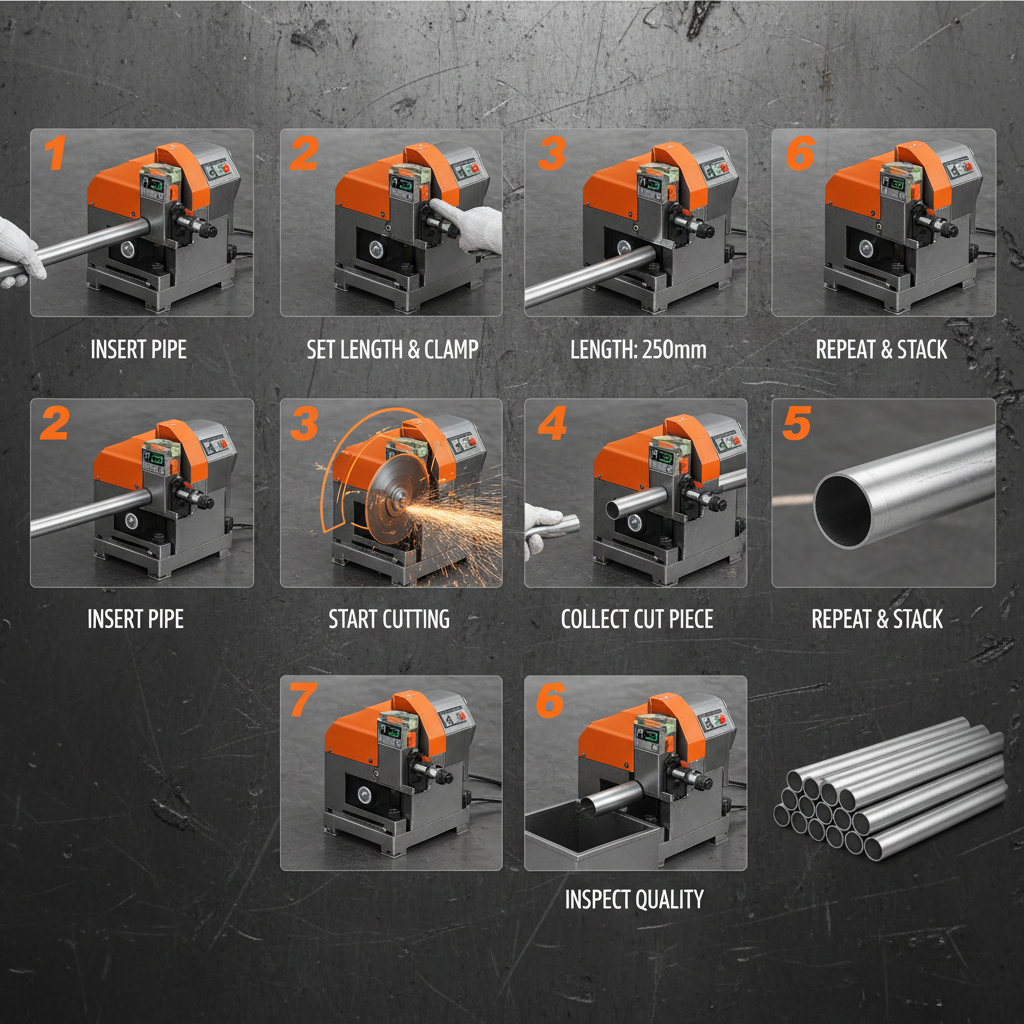
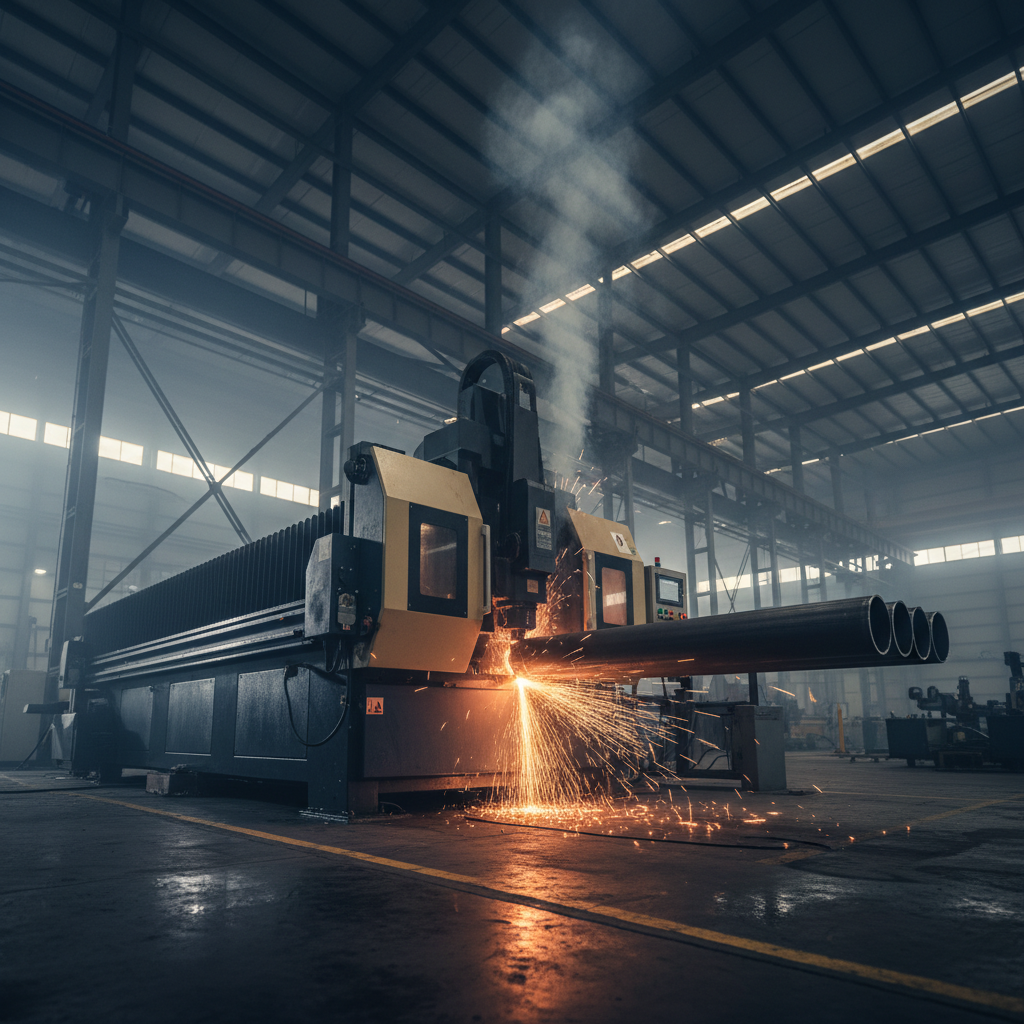
Look, I’ve spent the last fifteen years breathing concrete dust and getting grease under my fingernails. I’ve seen a lot of equipment come and go, and let me tell you, reliable steel pipe rolling is the backbone of so much we do. From large-scale infrastructure projects—think pipelines, bridges—down to more localized needs like oil and gas facilities or even complex industrial plumbing, getting that pipe formed correctly is critical. It's not about fancy features; it’s about getting the job done, safely, efficiently, and without a headache. And that’s where a good steel pipe rolling machine comes in.
We're talking about a global industry, folks. The demand for steel pipe is massive and constantly growing, especially in developing nations rapidly building out infrastructure. The UN estimates that infrastructure investment needs to reach trillions annually just to keep pace with population growth and urbanization. That means a huge demand for reliable, efficient pipe fabrication. A stalled or delayed pipe rolling operation translates directly into project delays, cost overruns, and frankly, frustrated crews. It's not theoretical; it's real money and real timelines on the line.
A steel pipe rolling machine isn’t just a piece of metal; it's a dedicated system engineered to precisely bend steel pipes into specific curves and diameters without compromising the material’s integrity. It's a crucial step in manufacturing pipes for everything from water transportation systems to structural components. Without them, we’re back to welding pre-fabricated sections, which is slower, weaker, and much more prone to failure. In essence, it’s a core component enabling modern construction, and humanitarian efforts like delivering clean water.
The Role of Steel Pipe Rolling Machines in Modern Construction
I’ve seen sites where they tried to cut corners on the pipe rolling. Bent pipes, inconsistent diameters, weak welds... it always leads to trouble. A solid steel pipe rolling machine, properly maintained, provides consistent, high-quality bends. That means fewer field adjustments, less rework, and ultimately, a stronger, more reliable finished product. It’s about minimizing risk and maximizing the lifespan of the infrastructure.
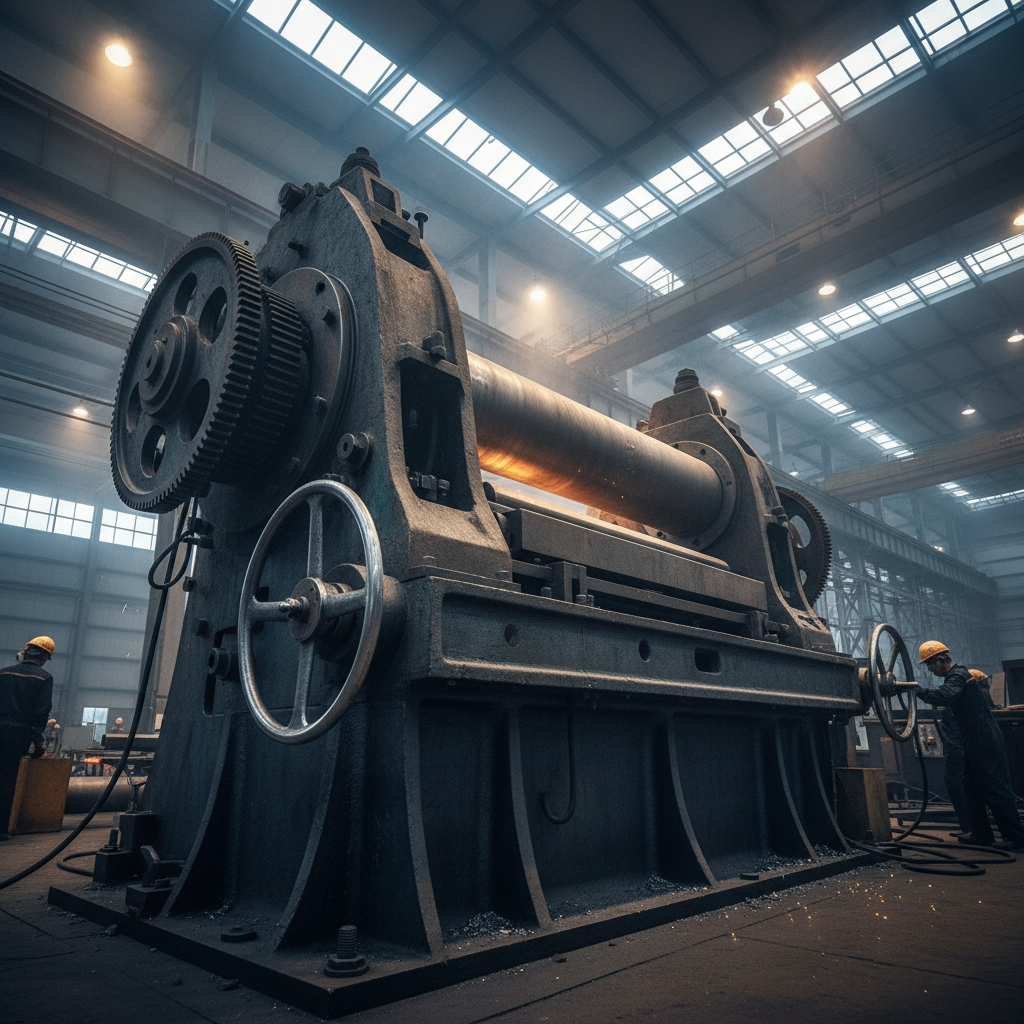
Durability is a big factor, too. These machines take a beating out on the job site, and they have to be able to hold up. We're talking about heavy gauge steel, robust motors, and well-engineered components. A machine that breaks down constantly isn’t just an inconvenience; it's a safety hazard and a money pit.
Understanding the Global Relevance of Steel Pipe Rolling
The global steel pipe market is enormous—hundreds of billions of dollars annually. China, unsurprisingly, is the largest consumer, but demand is surging in Southeast Asia, Africa, and South America as those economies develop. That growth is driven by urbanization, energy infrastructure projects (pipelines are huge), and water management systems. A World Bank report from last year highlighted the critical need for increased investment in water infrastructure globally, and that translates directly to demand for steel pipe.
The challenge, though, isn’t just about making the pipe; it’s about making it efficiently and sustainably. Older methods often involve significant material waste and energy consumption. Newer steel pipe rolling machine technologies are focused on minimizing waste and optimizing energy usage, which is becoming increasingly important from both an environmental and economic perspective.
Another issue is skilled labor. Operating these machines isn’t just about pushing a button. It requires trained technicians who understand the nuances of steel properties, bending tolerances, and safety procedures. There’s a growing skills gap in many regions, which is driving demand for machines that are easier to operate and require less specialized training.
Defining a Steel Pipe Rolling Machine
Simply put, a steel pipe rolling machine is a specialized tool designed to permanently deform steel pipe into curved or angled sections. Unlike welding multiple straight pieces together to achieve a bend, rolling maintains the integrity of the original pipe material, creating a stronger, more reliable joint.
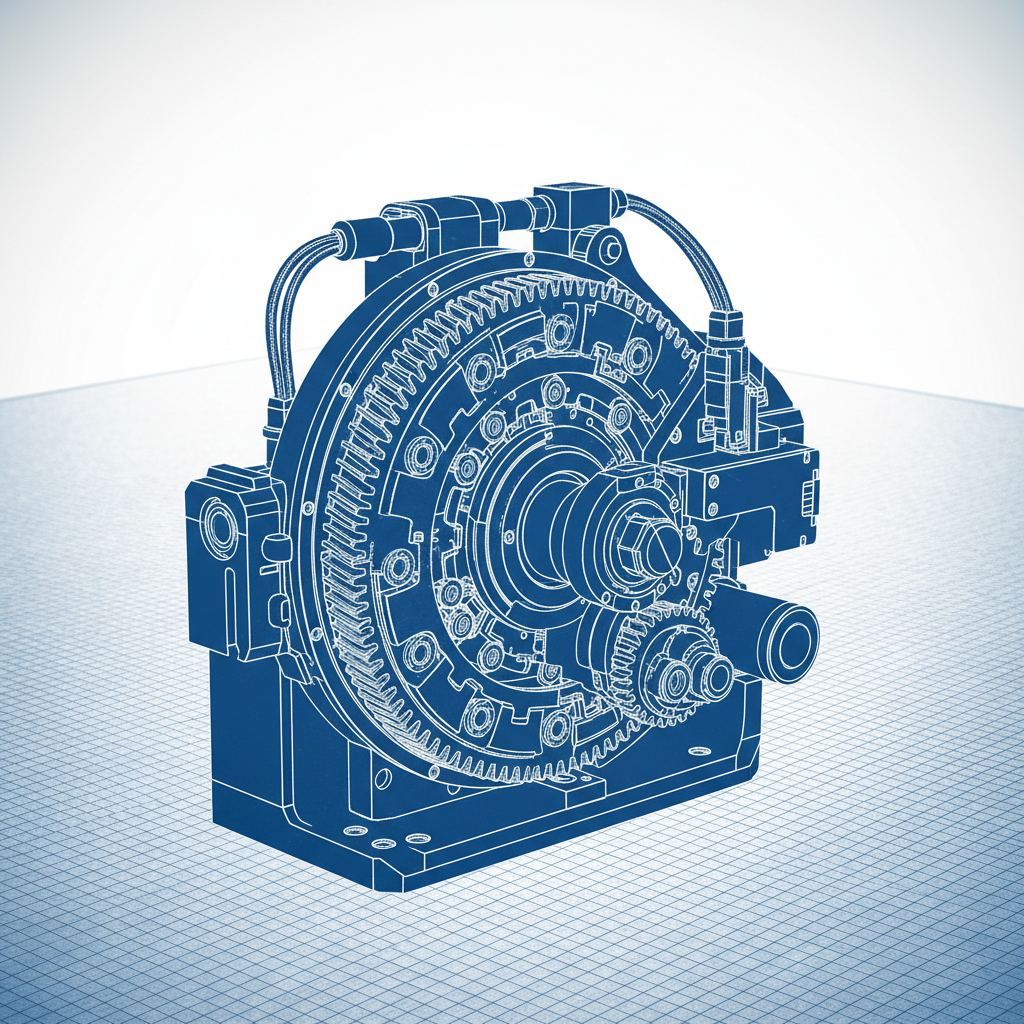
These machines typically consist of a series of rollers that apply pressure to the pipe as it’s fed through the machine. The arrangement and profile of these rollers determine the radius and angle of the bend. Different machines are designed for different pipe diameters, wall thicknesses, and bending radii. You've got your 2-roll, 3-roll, and even more complex multi-roll machines depending on the complexity of the bends required.
The technology is intrinsically linked to advancements in material science and manufacturing processes. The demand for stronger, lighter, and more durable pipes has driven innovation in machine design, allowing for more precise and efficient bending operations. It's about meeting the needs of modern engineering projects, and providing a sustainable alternative to traditional fabrication methods.
Key Factors for Effective Pipe Rolling Operations
Let’s talk about what really matters on a job site. First, precision. You need a machine that can consistently deliver the exact bends you specify. Variations can lead to alignment issues and costly rework. Secondly, capacity. The machine needs to handle the pipe diameters and wall thicknesses you’ll be working with. Don't buy something that's undersized for your needs.
Then there’s durability, as we discussed. A machine that’s constantly breaking down isn’t worth the initial savings. And finally, ease of use. A complex machine that requires a PhD to operate isn’t going to be helpful. Intuitive controls and clear instructions are essential.
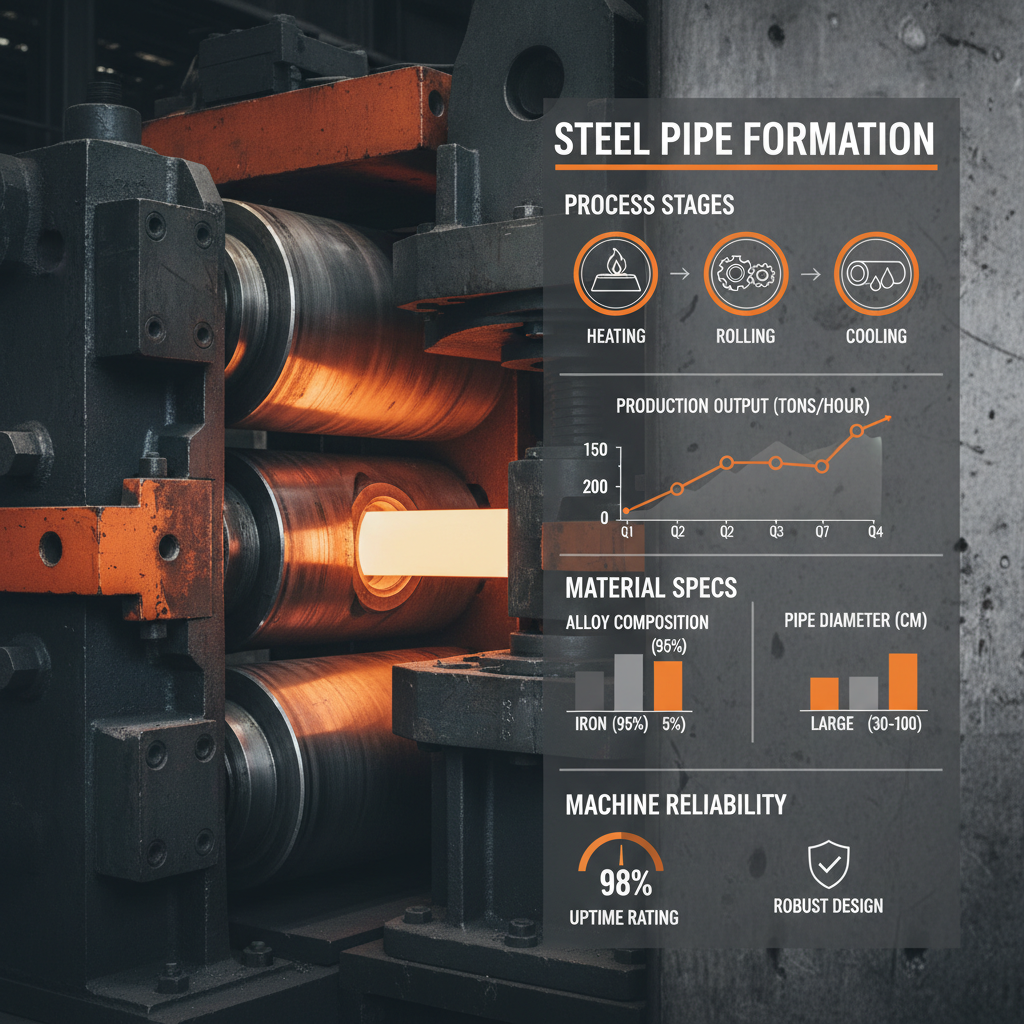
Steel Pipe Rolling Machine Performance Metrics
Global Applications and Industry Use Cases
You’ll find steel pipe rolling machines at work everywhere. In oil and gas, they’re essential for building pipelines that transport crude oil and natural gas. In construction, they're used for structural supports, handrails, and architectural features. In water treatment facilities, they create the piping networks for delivering clean water.
I've seen them utilized extensively in large-scale infrastructure projects in developing countries, where efficient and reliable pipe fabrication is crucial for meeting growing demand. They are also critical in the fabrication of specialized equipment for industries like aerospace and automotive, where precision bending is paramount.
Long-Term Value: Advantages and Benefits
The initial cost of a good steel pipe rolling machine isn't cheap, but the long-term benefits far outweigh the investment. Reduced labor costs, minimized material waste, and increased production speed all contribute to a significant return on investment. And, frankly, the peace of mind knowing you're delivering a high-quality, reliable product is priceless.
Beyond the financial benefits, there's the environmental aspect. By reducing waste and optimizing material usage, these machines contribute to more sustainable construction practices. It's a win-win.
Future Trends and Innovations in Steel Pipe Rolling
We're seeing a push towards automation and CNC control. Machines that can be programmed to perform complex bends with minimal operator intervention are becoming increasingly popular. This improves precision, reduces errors, and allows for greater flexibility in production.
Another trend is the development of machines that can handle higher-strength steels and larger pipe diameters. This is driven by the demand for more durable and efficient infrastructure. And, of course, there's a growing focus on energy efficiency and reducing the environmental impact of the rolling process.
I'm also seeing more integration with digital technologies, like data analytics and remote monitoring. This allows operators to track machine performance, identify potential issues, and optimize the bending process in real-time.
A Comparative Analysis of Steel Pipe Rolling Machine Features and Performance
| Machine Type |
Maximum Pipe Diameter (inches) |
Automation Level (1-5) |
Maintenance Frequency (months) |
| Manual 3-Roll |
12 |
1 |
6 |
| Hydraulic 2-Roll |
20 |
2 |
9 |
| CNC 3-Roll |
24 |
4 |
12 |
| Heavy-Duty Hydraulic |
36 |
3 |
9 |
| Automated Multi-Roll |
48 |
5 |
18 |
| Portable Pipe Bender |
6 |
1 |
3 |
FAQS
Safety is paramount. Always wear appropriate personal protective equipment (PPE) like safety glasses, gloves, and steel-toe boots. Ensure the machine is properly grounded and that all safety guards are in place. Never operate a machine you haven’t been trained on, and always follow the manufacturer's instructions. Regularly inspect the machine for any signs of wear or damage and address them immediately. Proper training is non-negotiable.
Start by identifying the pipe diameters, wall thicknesses, and bending radii you'll be working with. Consider the volume of production and the level of automation you require. Also, think about the space available in your workshop and the power supply requirements. Don’t hesitate to consult with a supplier to get their recommendation based on your specific application.
Regular maintenance is crucial for extending the lifespan and ensuring the reliable operation of your machine. This includes lubricating moving parts, inspecting rollers for wear, checking hydraulic fluid levels, and cleaning the machine regularly. Follow the manufacturer's maintenance schedule diligently. A little preventative maintenance can save you a lot of downtime and repair costs.
Common issues include roller wear, hydraulic leaks, and electrical malfunctions. Roller wear can be addressed by replacing worn rollers. Hydraulic leaks require identifying the source of the leak and replacing the damaged component. Electrical malfunctions should be handled by a qualified electrician. Always disconnect the power supply before performing any repairs.
Different steel alloys have varying levels of ductility and hardness, which affect how easily they can be bent. Higher-strength steels require more force and may necessitate the use of different rollers or bending techniques. Understanding the properties of the pipe material is crucial for achieving accurate and consistent bends without causing cracks or deformation.
Yes, many machines are manufactured to meet specific industry standards, such as ISO certifications. These standards ensure that the machines meet certain safety and performance requirements. Always verify that the machine you're considering complies with relevant standards and regulations in your region.
Conclusion
In short, a quality steel pipe rolling machine is a cornerstone of efficient and reliable construction, infrastructure development, and countless industrial processes. It's about more than just bending pipe; it's about building a stronger, more sustainable future. Investing in the right machine, prioritizing safety, and implementing proper maintenance are all essential for maximizing its long-term value.
Don't cut corners on this equipment. A well-chosen machine will pay for itself many times over in terms of reduced labor costs, minimized rework, and increased project efficiency. If you're serious about steel pipe fabrication, I encourage you to explore the options available and find a machine that meets your specific needs. Visit our website at www.xhequipment.com to learn more about our range of steel pipe rolling machines and how we can help you find the perfect solution for your project.