The world runs on pipelines. Seriously. Oil, gas, water, chemicals – it all moves through them. And a huge chunk of that infrastructure relies on stainless steel – SS – for its durability and corrosion resistance. But joining those SS pipes isn't just slapping them together. It demands skilled welders and reliable equipment. That’s where the ss pipe welding machine comes in. For years, I've been on sites watching crews wrestle with outdated methods, dealing with downtime and inconsistent welds. A good machine isn't just about making a joint; it’s about minimizing headaches, maximizing uptime, and ensuring a lasting, safe connection. It’s about getting the job done right the first time, on schedule, and within budget. ss pipe welding machine is vital for this.
The demand for robust pipeline infrastructure is growing globally, driven by population increases, industrial expansion, and the need for efficient resource transport. The UN projects a global population of nearly 10 billion by 2050, placing immense strain on existing infrastructure. The World Bank consistently prioritizes investments in water and sanitation, often requiring extensive pipeline networks. And ISO standards are continually evolving, demanding higher weld quality and traceability. This isn't just about building new pipelines either; it's about maintaining and repairing the existing ones – and that’s a huge part of the workload. I’ve seen aging pipelines cause significant disruptions, and a reliable ss pipe welding machine is key to preventative maintenance and quick repairs.
Simply put, an ss pipe welding machine is a specialized tool designed to fuse stainless steel pipes together, creating a strong, leak-proof joint. It’s not always a single ‘machine’ either. It can range from manual TIG (Tungsten Inert Gas) welders, favored for precision work, to semi-automatic and fully automated systems for larger-scale projects. The key difference between a standard welder and an SS-specific machine is the precise control needed to avoid damaging the stainless steel’s protective layer and the ability to achieve the required weld properties. It’s the difference between a quick fix and a connection that will last for decades. The need for these machines spans from humanitarian aid (delivering clean water) to complex industrial projects.
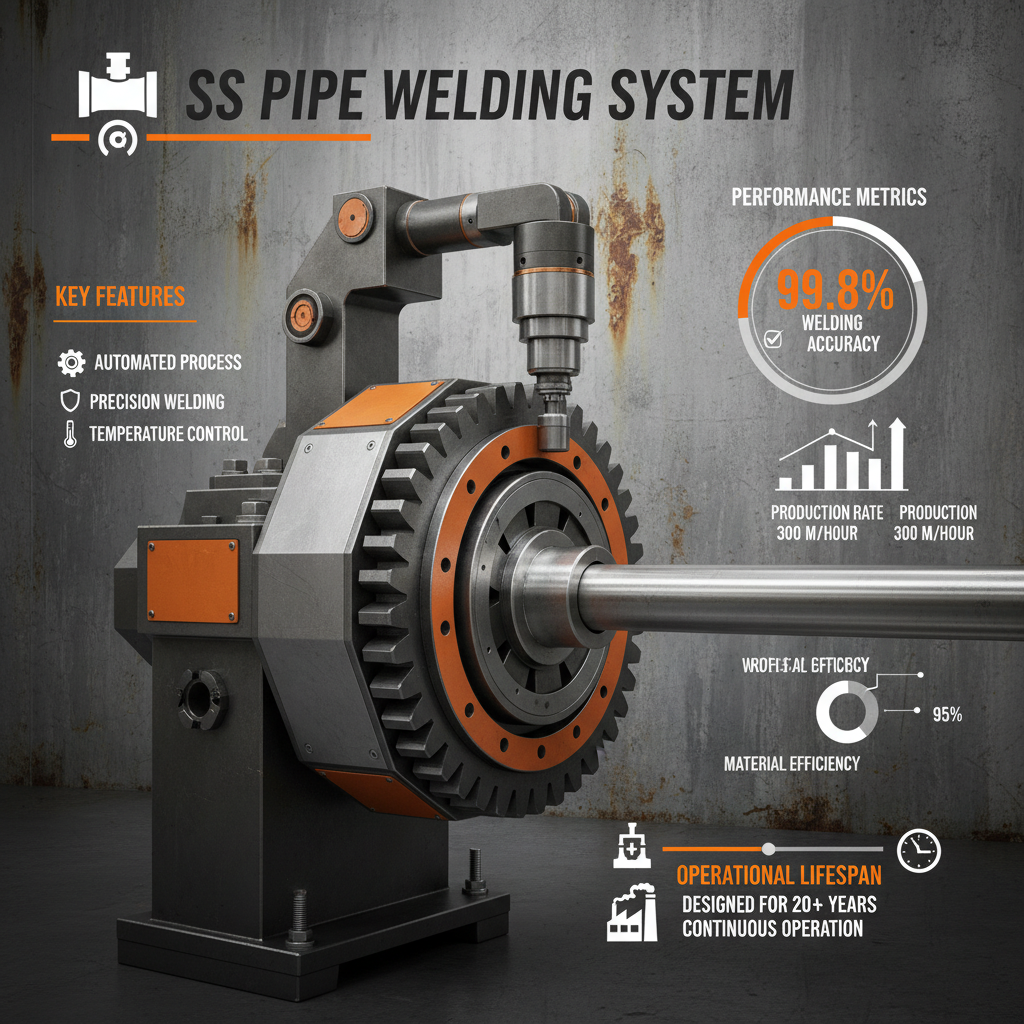
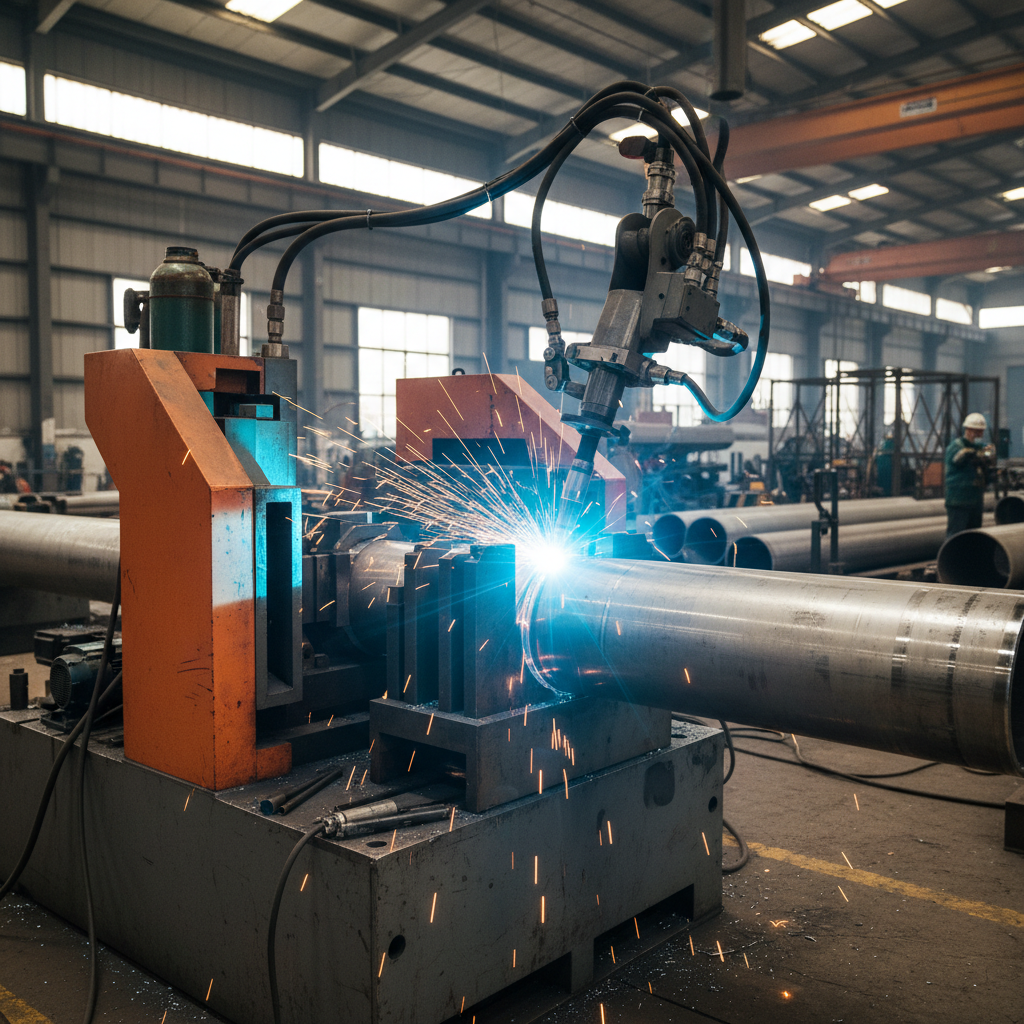
The need for reliable pipeline systems isn’t limited to developed nations. I’ve spent time in Southeast Asia and Africa, and the lack of clean water access is stark. SS pipe welding machines enable the construction of water distribution networks that directly impact public health. The same goes for sanitation systems – critical for preventing disease. The durability of stainless steel, combined with the precise welds these machines create, means lower maintenance costs and a longer lifespan, which is crucial where resources are limited. It's about building infrastructure that lasts. ss pipe welding machine is an essential part of this.
Furthermore, increasingly stringent environmental regulations are pushing industries toward SS pipelines. Unlike other materials, SS doesn't require extensive coatings or linings to prevent corrosion, reducing the risk of leaks and environmental contamination. That's a big deal. I’ve been on sites where environmental remediation costs stemming from pipeline failures were astronomical. Investing in quality SS pipe welding machines is preventative medicine, saving money and protecting the planet in the long run.
You’ll find these machines everywhere. In the oil and gas industry, they’re used to build and maintain pipelines that transport crude oil and natural gas. In the chemical processing industry, they’re essential for handling corrosive chemicals. And in the pharmaceutical industry, they ensure the purity of process fluids. I’ve spent weeks on offshore platforms, witnessing the critical role these machines play in keeping energy flowing.
Beyond those core industries, SS pipe welding is crucial in food and beverage processing, water treatment plants, and even architectural applications. Anywhere you need a durable, corrosion-resistant piping system, you’ll find SS and the machines that join it. And, as mentioned earlier, they’re vital in disaster relief efforts, providing access to clean water in crisis situations.
Investing in a quality ss pipe welding machine isn't just a cost; it's a long-term investment. The increased weld quality reduces the risk of costly repairs and downtime. The higher efficiency translates to lower labor costs and faster project completion. And the durability of the SS piping systems themselves means a longer lifespan and lower maintenance costs over time. I've seen companies save hundreds of thousands of dollars – even millions – by choosing the right equipment upfront.
There’s also the ethical component. Reliable pipelines mean safer operation, reduced environmental impact, and access to essential resources. It’s about building infrastructure that benefits communities and protects the planet. It’s about doing the job right and taking pride in your work. And a good ss pipe welding machine is a key tool in achieving that.
Furthermore, it builds trust – trust with clients, trust with regulators, and trust within your own team. Knowing you have the right equipment to deliver a high-quality product instills confidence and fosters long-term relationships.
The industry is changing rapidly. We're seeing a push towards automation and robotics, with machines that can weld autonomously or with minimal operator intervention. This is driven by the need for increased efficiency and reduced labor costs. Digitalization is also playing a huge role, with machines that collect and analyze data to optimize welding parameters and predict potential failures. I’ve been testing machines with AI-powered weld analysis – it’s a game changer.
Another trend is the development of new welding processes, like hybrid laser-arc welding, that combine the benefits of different techniques. And, of course, there's a growing focus on sustainability, with machines that are more energy-efficient and produce less waste. The demand for lightweight SS alloys is also driving innovation in welding technology.
Looking ahead, I expect to see even more integration of digital technologies, with machines that are connected to the cloud and can be remotely monitored and controlled. This will enable real-time diagnostics, predictive maintenance, and improved overall efficiency.
| Welding Process | Automation Level | Material Compatibility | Maintenance Requirements |
|---|---|---|---|
| TIG Welding | Manual/Semi-Automatic | 304, 316, Duplex SS | High – Requires skilled operator and regular electrode maintenance |
| MIG Welding | Semi-Automatic/Automatic | 304, 316 SS | Moderate – Regular wire feed adjustments and nozzle cleaning |
| SAW (Submerged Arc Welding) | Automatic | 304, 316, Duplex SS (Thicker Sections) | Low – Relatively simple process with minimal maintenance |
| Laser Beam Welding | Automatic | 304, 316, Specialized SS Alloys | Moderate to High - Requires precise alignment and cooling system maintenance |
| Plasma Arc Welding | Semi-Automatic | Various SS Alloys (Precise Control) | Moderate – Requires regular nozzle and electrode maintenance |
| Hybrid Laser-Arc Welding | Automatic | Wide Range of SS Alloys | High – Complex system requiring specialized maintenance |
For someone starting out, a TIG welder with AC/DC capability is a great choice. They offer a lot of control and are versatile enough for a variety of SS thicknesses. Don't go for the most expensive model right away – focus on learning the fundamentals. Remember to invest in quality safety gear, and take a welding course! A good foundation is way more important than a fancy machine at the beginning.
Regular maintenance is key. For TIG welders, clean the tungsten electrode and gas lens after every use. Check the gas lines for leaks. For MIG and SAW machines, inspect the wire feed mechanism and nozzle. Follow the manufacturer's recommendations for preventative maintenance – things like lubricating moving parts and checking electrical connections. A little upkeep goes a long way in preventing breakdowns and ensuring consistent weld quality.
Argon is the most common choice for shielding gas, especially for TIG welding. It provides excellent protection against oxidation. However, for thicker sections or when you need more heat input, you can add a small percentage of helium to the argon mix. The right gas flow rate is also crucial – too low, and you'll get contamination; too high, and you'll create turbulence.
Warpage is a common problem with SS. To minimize it, use a lower heat input, preheat the pipe (especially for thicker sections), and use intermittent welding techniques. Backstepping, where you weld a short section and then move back to let it cool, can help distribute the heat more evenly. Clamping the pipe during welding can also provide support and prevent distortion.
Safety first, always! Wear a welding helmet with the correct shade lens, gloves, and fire-resistant clothing. Ensure adequate ventilation to avoid inhaling fumes. Protect your eyes from UV radiation. Be aware of the risk of electrical shock and follow proper grounding procedures. And, of course, never weld near flammable materials.
For large-scale projects, consider automated welding systems. They offer higher productivity and more consistent weld quality. Think about the pipe diameter and wall thickness you'll be working with, and choose a machine that can handle those specifications. Also, consider the availability of spare parts and technical support. A reliable machine with good support is crucial for keeping your project on schedule.
The ss pipe welding machine is more than just a tool; it’s a cornerstone of modern infrastructure, enabling the safe and reliable transport of essential resources. From ensuring clean water access to supporting critical industries, its impact is far-reaching. Understanding the core components, applications, and future trends is vital for anyone involved in pipeline construction, maintenance, or operation. It’s about choosing the right technology, investing in proper training, and prioritizing safety. ss pipe welding machine is an investment in the future.
As technology continues to evolve, we can expect to see even more innovative ss pipe welding solutions emerge, driven by the need for increased efficiency, sustainability, and reliability. Embrace these advancements, prioritize ongoing training, and remember that a skilled workforce combined with the right equipment is the key to building a resilient and sustainable infrastructure for generations to come. Visit our website at www.xhequipment.com to learn more about our range of ss pipe welding machines and solutions.