0%

Table of Contents

Look, I’ve spent the last fifteen years knee-deep in concrete dust, wrangling steel, and trying to keep projects on schedule. What I’ve learned is simple: you need reliable equipment, and you need it to produce quality consistently. That’s where a good tube extrusion machine comes in. It’s not just about making tubes; it’s about building things that last, and building them efficiently. The modern construction landscape demands precision and speed, and frankly, hand-forming or relying on outdated methods just doesn’t cut it anymore.

We're seeing a huge shift towards prefabrication and modular construction, and that demand is only going to increase. A robust tube extrusion machine is central to that. It's not a luxury; it’s a necessity for scaling up production, controlling costs, and ensuring consistent quality, particularly when dealing with complex geometries or specialized materials. I've personally seen projects saved by having the right extrusion capability on-site.

And it's not just construction. From irrigation systems to medical devices, the need for precise, durable tubing is everywhere. Finding a machine that's versatile enough to handle a range of materials and diameters is key. We're talking about reducing waste, minimizing labor, and ultimately, delivering a better product to the client.
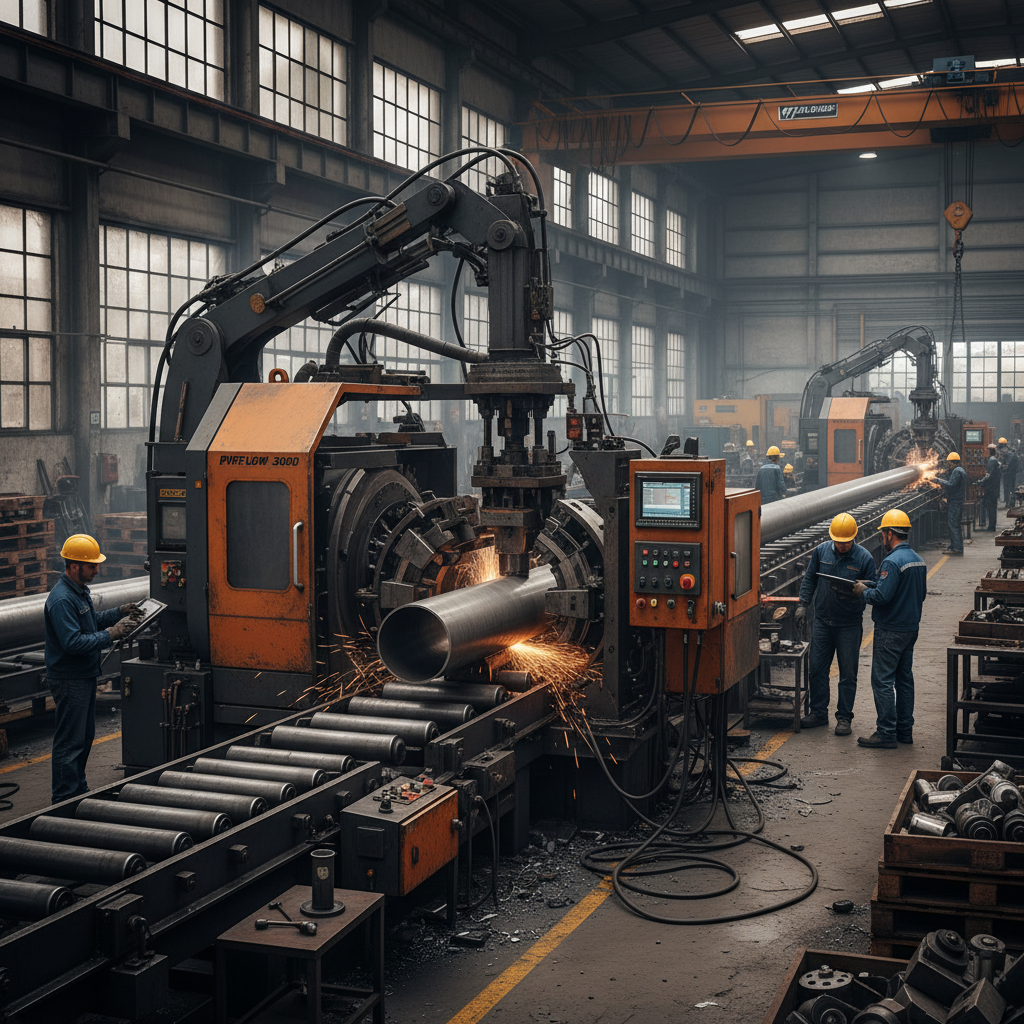
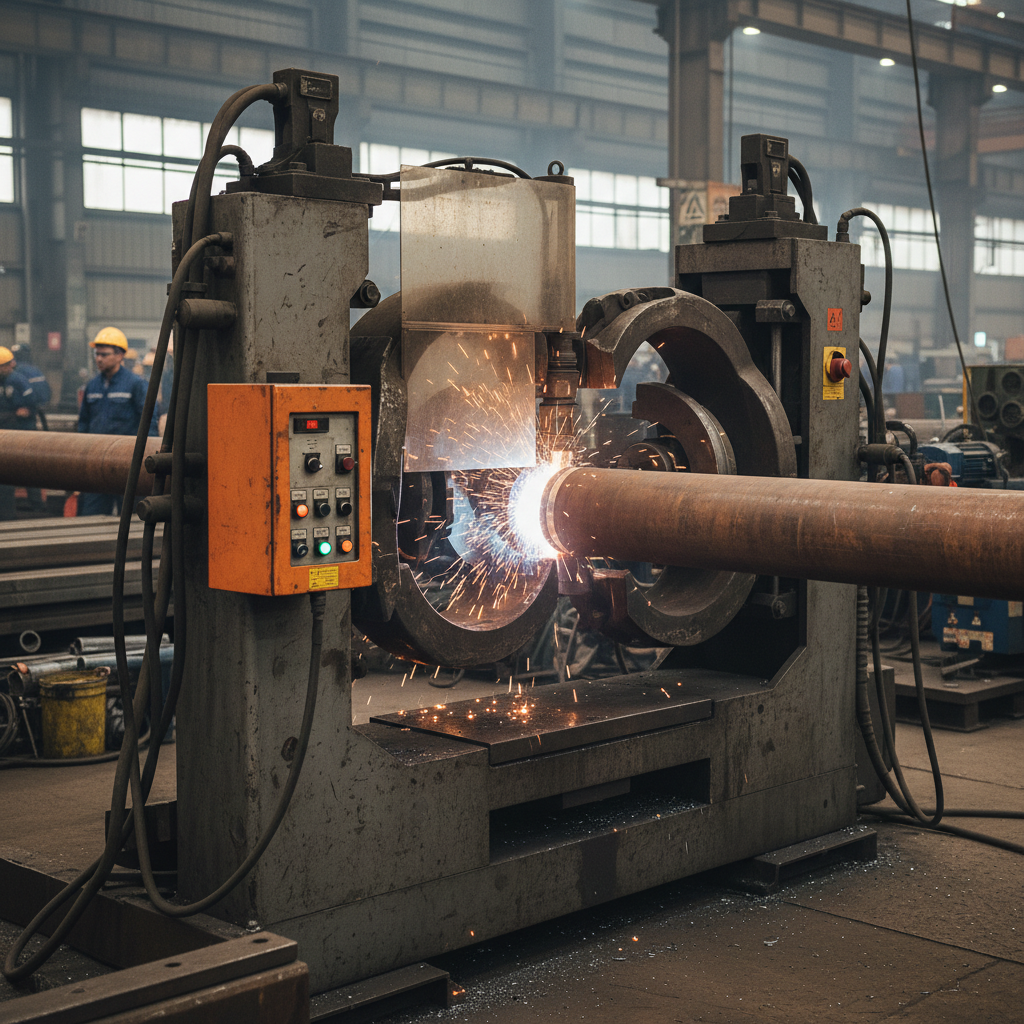
Reliable Tube Extrusion Machine Solutions for Modern Manufacturing Needs

The Core Principles of tube extrusion machine

Reliable Tube Extrusion Machine Solutions for Modern Manufacturing Needs

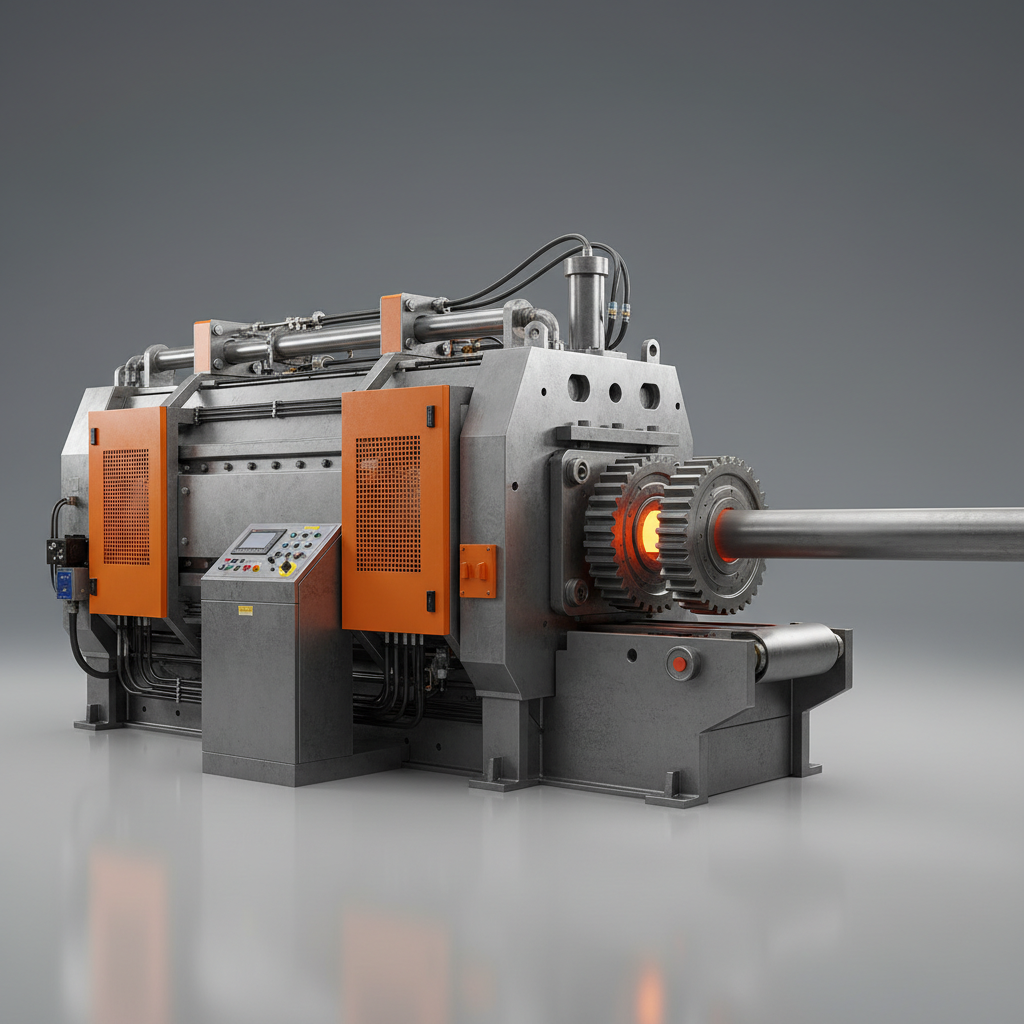
At its heart, a tube extrusion machine is about forcing material – plastic, metal, composite – through a die to create a continuous, consistent tube. The quality of that tube comes down to precision control of temperature, pressure, and feed rate. I’ve seen machines that jump around in temperature, and the results are…well, let's just say they're scrap. Consistency is king, and a reliable machine is the only way to get it.

It’s not just about the machine itself, either. It’s the entire process – material preparation, die design, cooling systems, and post-extrusion handling. A well-integrated system will give you a superior product and reduce wasted material. I always tell the guys, 'a machine is only as good as the operator and the setup.'

The Global Impact of tube extrusion machine

The demand for tubing is global, period. From the massive infrastructure projects in Asia to the intricate medical device manufacturing in Europe and the US, everyone needs it. The United Nations projects a continued increase in global infrastructure spending, particularly in developing nations, and a significant portion of that will rely on efficient tube extrusion machine technology.

The ISO standards for materials and manufacturing are getting stricter, which means the pressure is on to produce higher-quality tubing. Companies that can meet those standards will have a competitive edge. I've seen contracts lost over fractions of a millimeter in dimensional accuracy. It’s a demanding field, but the rewards are substantial.

And it's not just about big projects. Think about the need for irrigation in drought-stricken areas, or the replacement of aging pipelines in our own cities. These are all driving demand for reliable and cost-effective tubing solutions, and that translates to a growing market for tube extrusion machines.

Defining a tube extrusion machine

Simply put, a tube extrusion machine takes raw material and shapes it into a hollow tube using heat and pressure. There are different types - single-screw, twin-screw, even co-extrusion machines for multi-layered tubing. Each type has its strengths and weaknesses, depending on the material and the application. You wouldn't use a single-screw machine for a complex composite material, for instance.

The connection to modern industry is undeniable. Consider the automotive industry – fuel lines, brake lines, cooling systems – all rely on extruded tubing. Or medical devices – catheters, IV tubes, surgical implants. Even the humanitarian sector benefits; lightweight, durable tubing is crucial for providing clean water and sanitation in disaster relief situations.

It’s a foundational technology. We often take it for granted, but think about all the things you use every day that rely on extruded tubing. It's a silent workhorse behind countless industries, enabling innovation and progress.

Key Factors for Optimal Performance

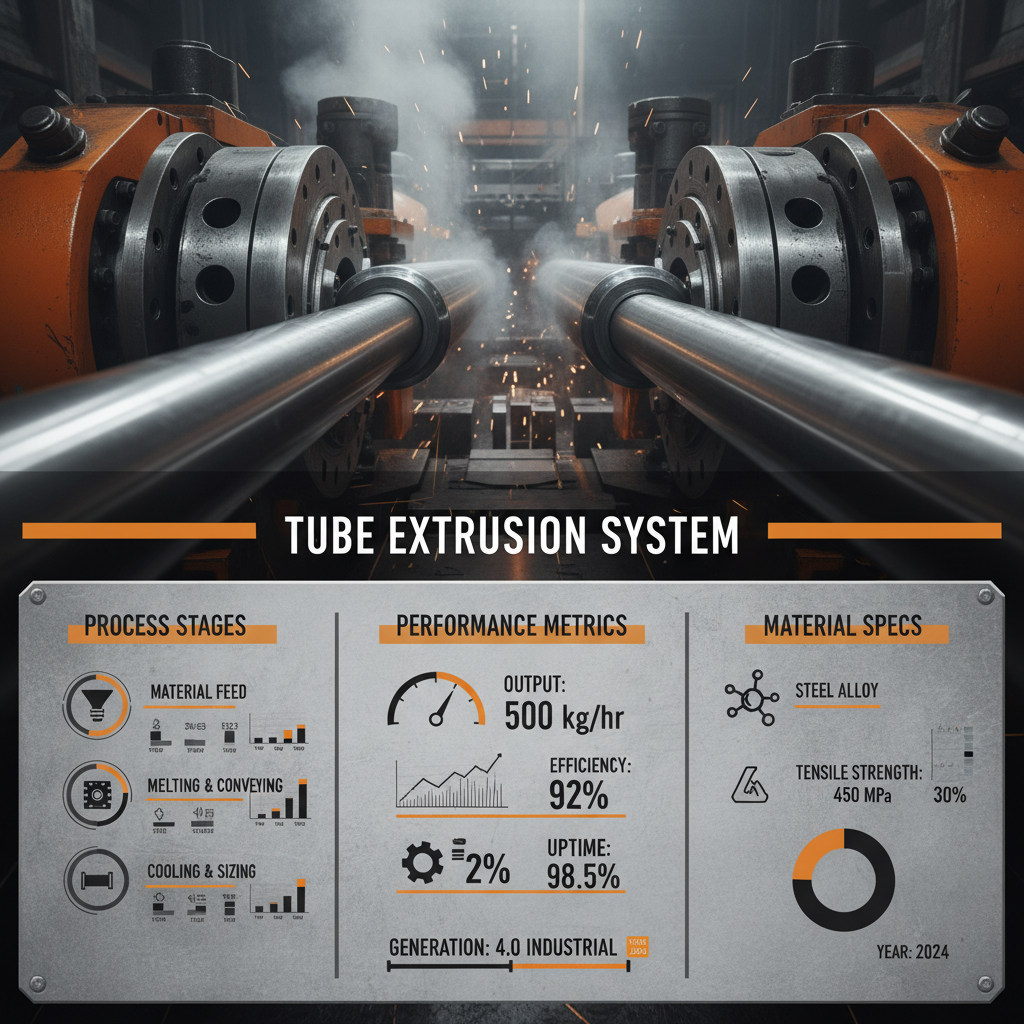
Let's talk brass tacks. First, Material Compatibility is huge. A machine that can handle a wide range of materials – PVC, polyethylene, polypropylene, even more exotic composites – gives you flexibility. Second, Precision Control – temperature, pressure, feed rate…you need to be able to dial these in with accuracy. I’ve seen projects derailed by machines that couldn’t hold a consistent diameter.

Then there’s Throughput. How much tubing can the machine produce in a given time? That directly impacts your project timelines and profitability. Die Design is also critical – a poorly designed die will create inconsistencies and waste material. And finally, Maintenance and Reliability. A machine that's constantly breaking down is just a headache.

Extrusion Performance Metrics


Real-World Applications and Use Cases

You’ll find tube extrusion machines in action everywhere. In the agricultural sector, they're producing irrigation tubing. In the automotive industry, they're making fuel lines and hydraulic hoses. In the construction industry, they're creating conduit for electrical wiring and plumbing.

I recently worked on a project installing a new water distribution system in a remote desert community. The tubing we used, produced by a high-output tube extrusion machine, was critical for delivering clean water to the residents. Without it, the project would have been significantly delayed and more expensive.

The Long-Term Value Proposition

Investing in a quality tube extrusion machine isn't just a cost; it’s an investment. Reduced waste, increased efficiency, and consistent product quality all translate to long-term cost savings. Plus, a reliable machine minimizes downtime and keeps your projects on schedule.

From a sustainability standpoint, efficient extrusion reduces material usage and energy consumption. That’s good for the environment and good for your bottom line. And let’s not forget the safety aspect – consistently produced, high-quality tubing reduces the risk of failures and potential hazards.

Future Trends and Innovations

We're seeing a move towards more sophisticated control systems – AI-powered adjustments to optimize temperature and pressure in real-time. There's also a growing demand for bio-based and recycled materials, which requires tube extrusion machines that can handle those materials without compromising quality.

Automation is another big trend. We’re starting to see machines that can automatically change dies and adjust settings, reducing the need for manual intervention. And with the rise of Industry 4.0, data analytics will play a crucial role in optimizing extrusion processes and predicting maintenance needs.

The future of tube extrusion machine technology is about smarter, more efficient, and more sustainable manufacturing.

Key Performance Indicators for tube extrusion machine Technology

Material Compatibility Production Rate (meters/hour) Dimensional Accuracy (mm) Maintenance Frequency (Months)
PVC 15 0.1 6
Polyethylene 20 0.08 8
Polypropylene 18 0.12 7
ABS 12 0.15 5
Composite Materials 10 0.2 4
Nylon 16 0.09 9

FAQS

What are the key factors to consider when selecting a tube extrusion machine?

When choosing a tube extrusion machine, consider material compatibility, production volume, desired tube dimensions, budget, and available space. Evaluate the machine’s control system, maintenance requirements, and the vendor's reputation for support. Don’t skimp on quality—a reliable machine will save you money in the long run by minimizing downtime and waste. Remember to think about future needs and choose a machine that can adapt to evolving requirements.

What is the typical lifespan of a well-maintained tube extrusion machine?

With proper maintenance and regular servicing, a quality tube extrusion machine can easily last 15-20 years, or even longer. Key to longevity is following the manufacturer’s recommended maintenance schedule, using genuine replacement parts, and training operators to identify and address potential issues early on. Regular cleaning, lubrication, and inspection are critical.

What types of materials can be extruded using these machines?

A wide variety of materials can be extruded, including PVC, polyethylene, polypropylene, ABS, nylon, and various composite materials. The specific materials a machine can handle depend on its design and capabilities. Some machines are specifically designed for certain materials, while others are more versatile. It's crucial to verify compatibility before attempting to extrude a new material.

What level of operator training is required to run a tube extrusion machine safely and efficiently?

Comprehensive operator training is essential. Operators should be thoroughly trained on machine operation, safety procedures, material handling, die changes, and troubleshooting. Training should cover both theoretical concepts and hands-on practice. Ongoing training and refresher courses are also recommended to ensure operators stay up-to-date on best practices and new technologies.

How can I minimize waste during the tube extrusion process?

Minimizing waste starts with careful material preparation and precise control of the extrusion process. Optimize temperature and pressure settings to reduce scrap. Implement a robust quality control system to identify and address defects early on. Recycle scrap material whenever possible. Invest in a machine with efficient cooling and cutting systems to minimize waste generation.

What are the common maintenance tasks for a tube extrusion machine?

Common maintenance tasks include regular cleaning of the die, screws, and barrel; lubrication of moving parts; inspection of heating elements and sensors; checking and replacing worn parts like bearings and seals; and calibrating control systems. Adhering to the manufacturer’s maintenance schedule is crucial for preventing breakdowns and ensuring optimal performance.

Conclusion

We’ve covered a lot of ground, but the bottom line is this: a tube extrusion machine is more than just a piece of equipment; it's a foundational element of modern manufacturing. From construction and automotive to medical and agriculture, it enables us to build, innovate, and improve lives. Choosing the right machine, understanding its capabilities, and investing in proper maintenance are critical for success.

Looking ahead, the future of tube extrusion is about smarter, more efficient, and more sustainable practices. By embracing new technologies and prioritizing quality, we can unlock even greater potential and drive further innovation in this vital industry. To learn more about our range of tube extrusion machines and how they can benefit your business, visit our website today: www.xhequipment.com
Robert Evans

Robert Evans

Robert Evans serves as the Lead Quality Control Inspector at Bazhou Xinghua. With a meticulous attention to detail, Robert ensures that all equipment leaving our facility meets the highest standards of performance and reliability. He is responsible for overseeing the implementation of our ISO9001 certified Quality Management System and has
Previous Reliable Tube Milling Machine Solutions for Enhanced Project Efficiency
Next Investing in a Reliable Steel Pipe Rolling Machine for Modern Infrastructure