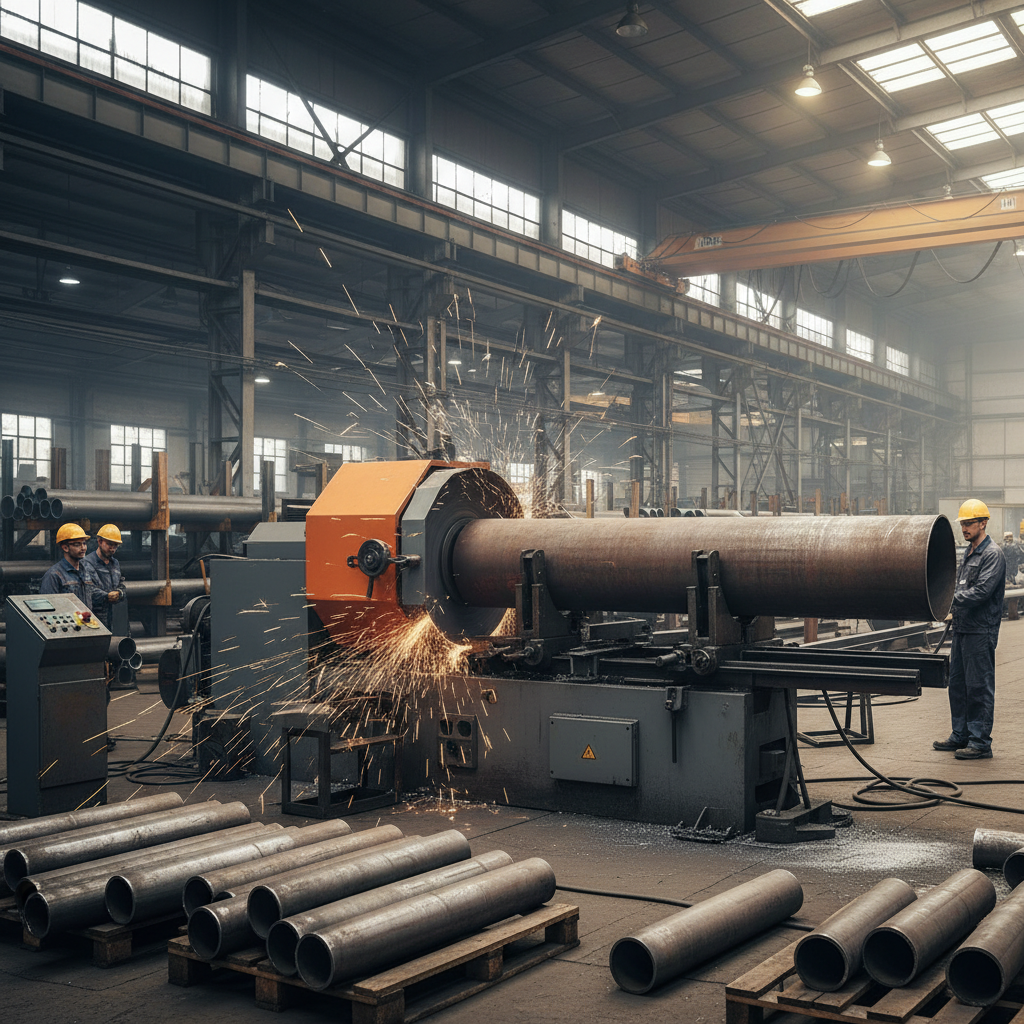
The global demand for high-integrity piping systems is constantly growing, driven by industries like oil and gas, petrochemicals, power generation, and water transportation. This demand necessitates advanced manufacturing techniques, and the seamless pipe making machine plays a critical role in meeting these needs. These machines produce pipes without any welding seams, offering superior strength, reliability, and safety, making them essential for critical applications worldwide.
The production of seamless pipes has evolved significantly, from early methods like rotary piercing to modern mandrel milling and extrusion processes. Understanding the capabilities and advancements in seamless pipe making machine technology is crucial for engineers, manufacturers, and policymakers alike. The increasing emphasis on safety regulations and material performance further fuels the need for sophisticated manufacturing solutions.
Investing in and understanding the principles of these machines allows for efficient and cost-effective production of essential infrastructure components, underpinning economic growth and societal wellbeing across the globe. The consistent quality and performance of seamless pipes ensure the long-term integrity of vital systems, minimizing risks and maximizing operational lifespans.
The Importance of Seamless Pipe Making Machine
A seamless pipe making machine is pivotal to numerous industries due to the superior qualities of the pipes it produces. The absence of a welded seam eliminates a potential point of failure, making these pipes ideal for high-pressure, high-temperature, and corrosive environments. This reliability translates directly into enhanced safety and reduced maintenance costs.
The ability to manufacture pipes to precise specifications, controlling diameter, wall thickness, and material composition, is another key advantage. This precision is essential for critical applications where consistent performance is paramount. Advanced control systems incorporated in modern machines further enhance this precision, ensuring consistent product quality.
Global Context and Industry Relevance
Globally, the demand for seamless pipes is significantly influenced by infrastructure development, particularly in emerging economies. Countries investing heavily in oil and gas pipelines, power plants, and water distribution systems drive a substantial portion of the market. According to the World Steel Association, global steel pipe production exceeded 130 million tonnes in 2023, with a considerable percentage dedicated to seamless pipe manufacturing.
The petrochemical industry remains a significant consumer of seamless pipes, utilizing them in cracking furnaces, heat exchangers, and process lines. Similarly, the power generation sector relies on these pipes for steam lines and boiler tubes. The escalating need for energy and the continuous expansion of these industries contribute to a sustained demand for seamless pipe making machine.
A current challenge lies in balancing increasing demand with sustainability concerns. Manufacturers are under pressure to adopt more energy-efficient processes and utilize environmentally friendly materials. This is driving innovation in machine design and manufacturing techniques, focusing on reducing waste and minimizing carbon footprint.
Defining Seamless Pipe Making Machine Technology
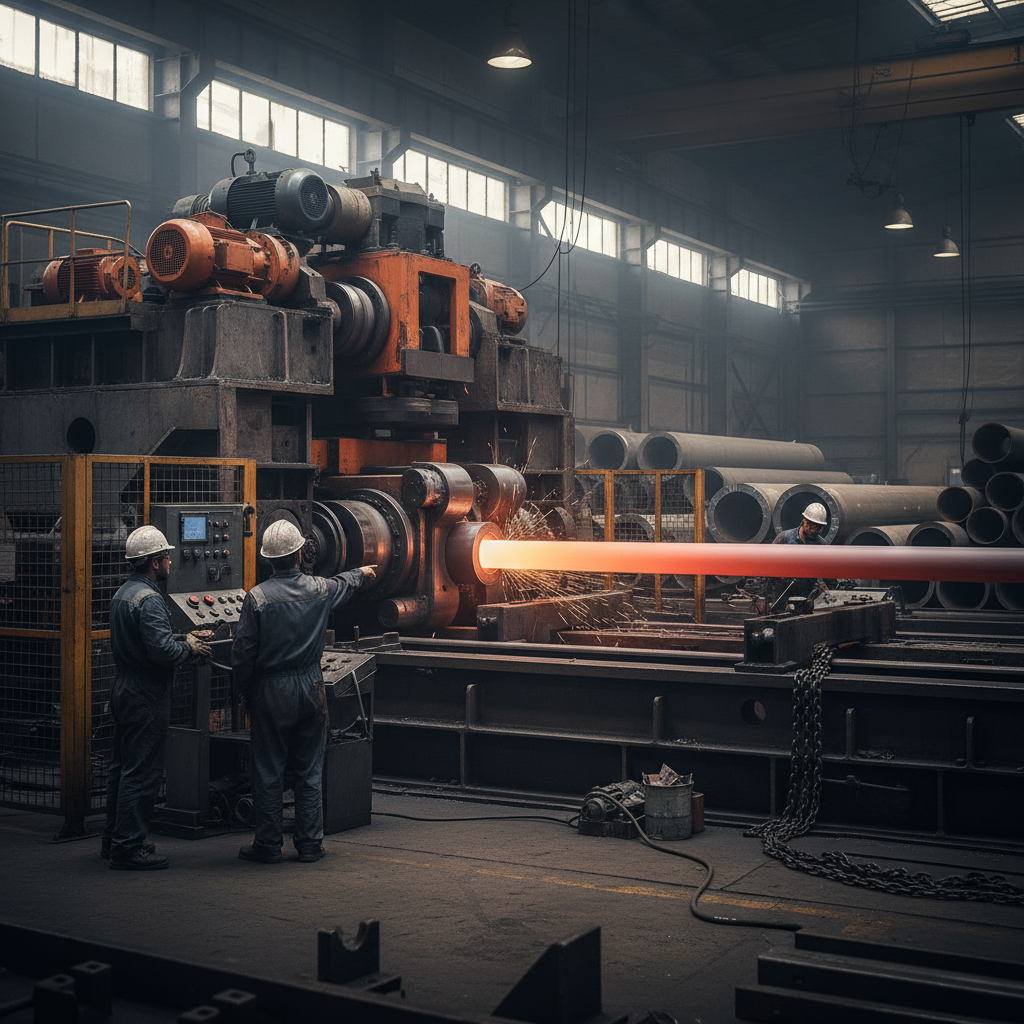
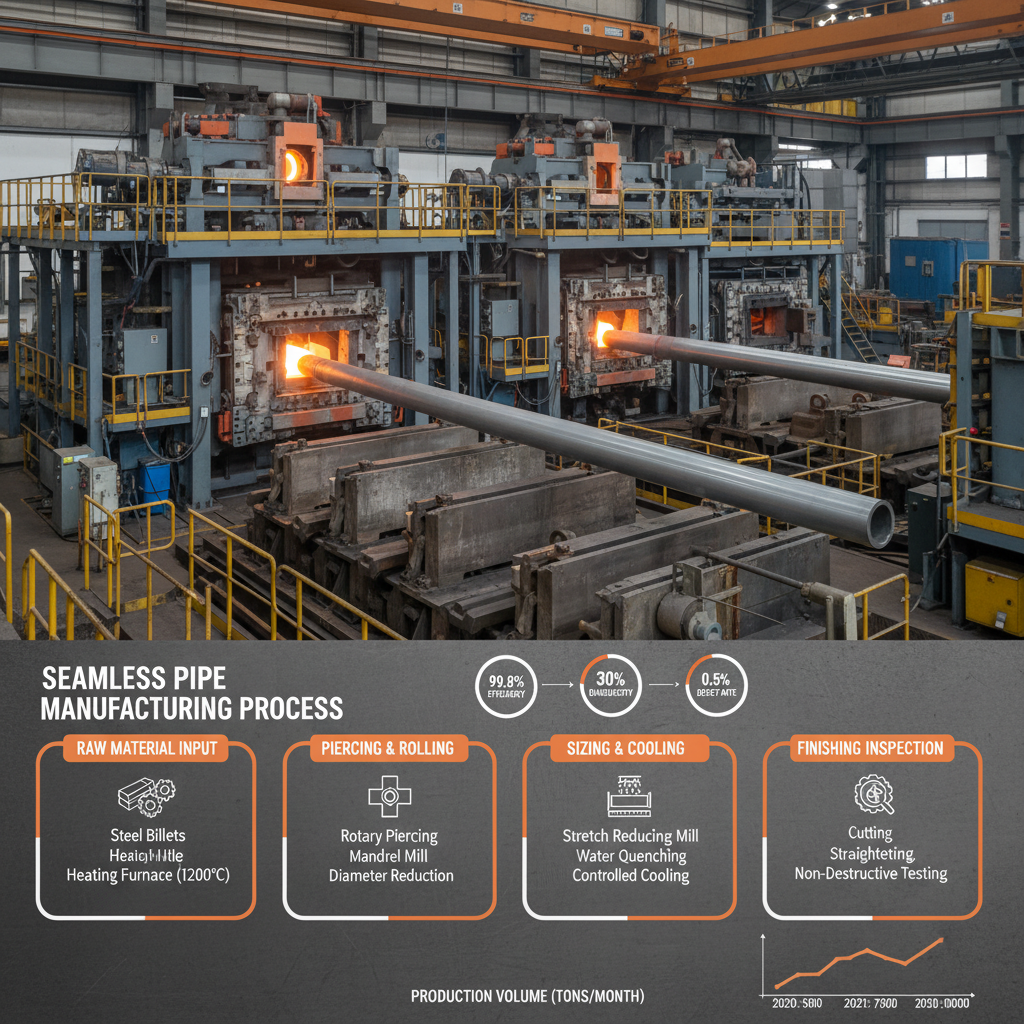
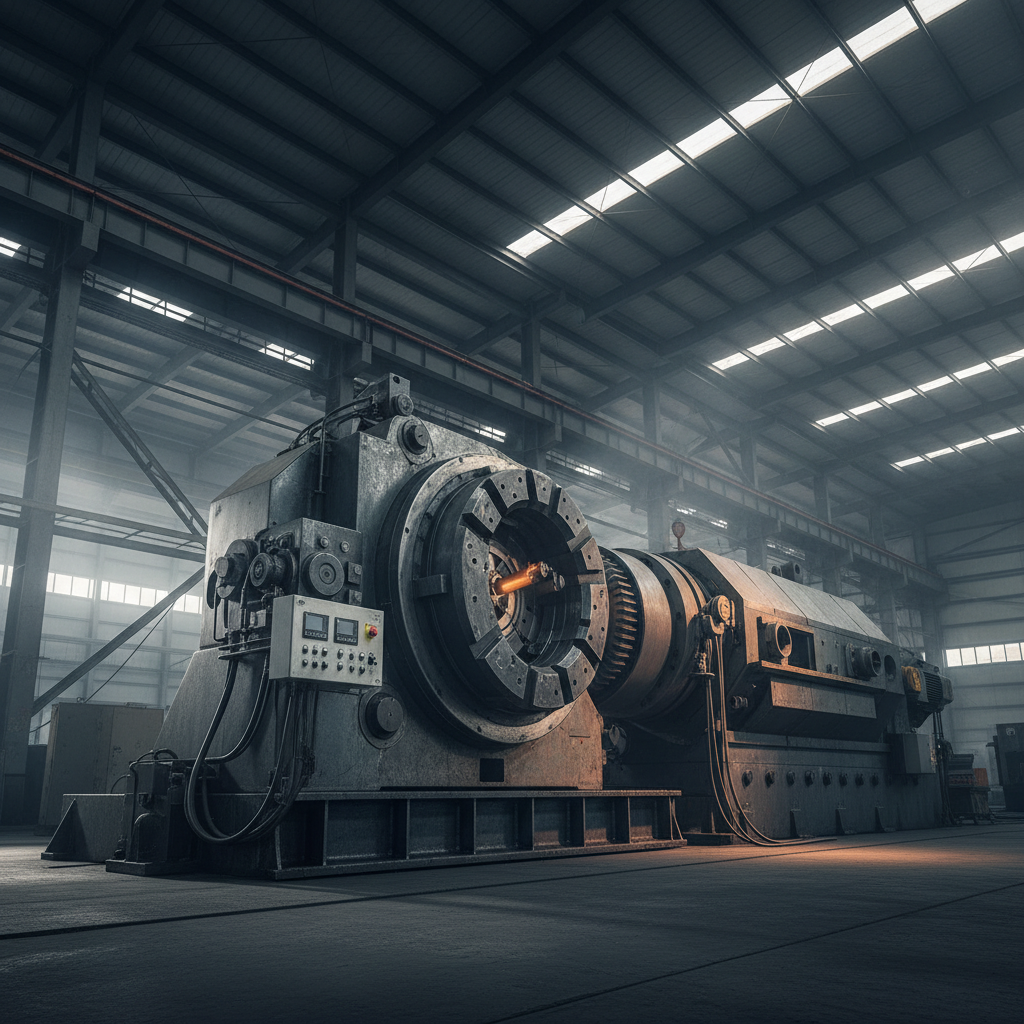
A seamless pipe making machine is a sophisticated piece of equipment used to create hollow cylindrical tubes from solid billets of steel or other metal alloys. Unlike welded pipes, these machines eliminate the need for joining processes, resulting in a pipe with uniform mechanical properties throughout its cross-section. The core principle typically involves hot working, where the billet is heated to a plastic state and then shaped through a combination of piercing and drawing operations.
Different methods exist for seamless pipe production, including rotary piercing, mandrel milling, and extrusion. Rotary piercing is a widely used technique where a mandrel is forced through a heated billet, creating the hollow interior. Mandrel milling utilizes a rotating cutter to gradually enlarge the internal diameter, while extrusion involves pushing the heated metal through a die. The choice of method depends on factors such as material type, pipe dimensions, and desired production rate.
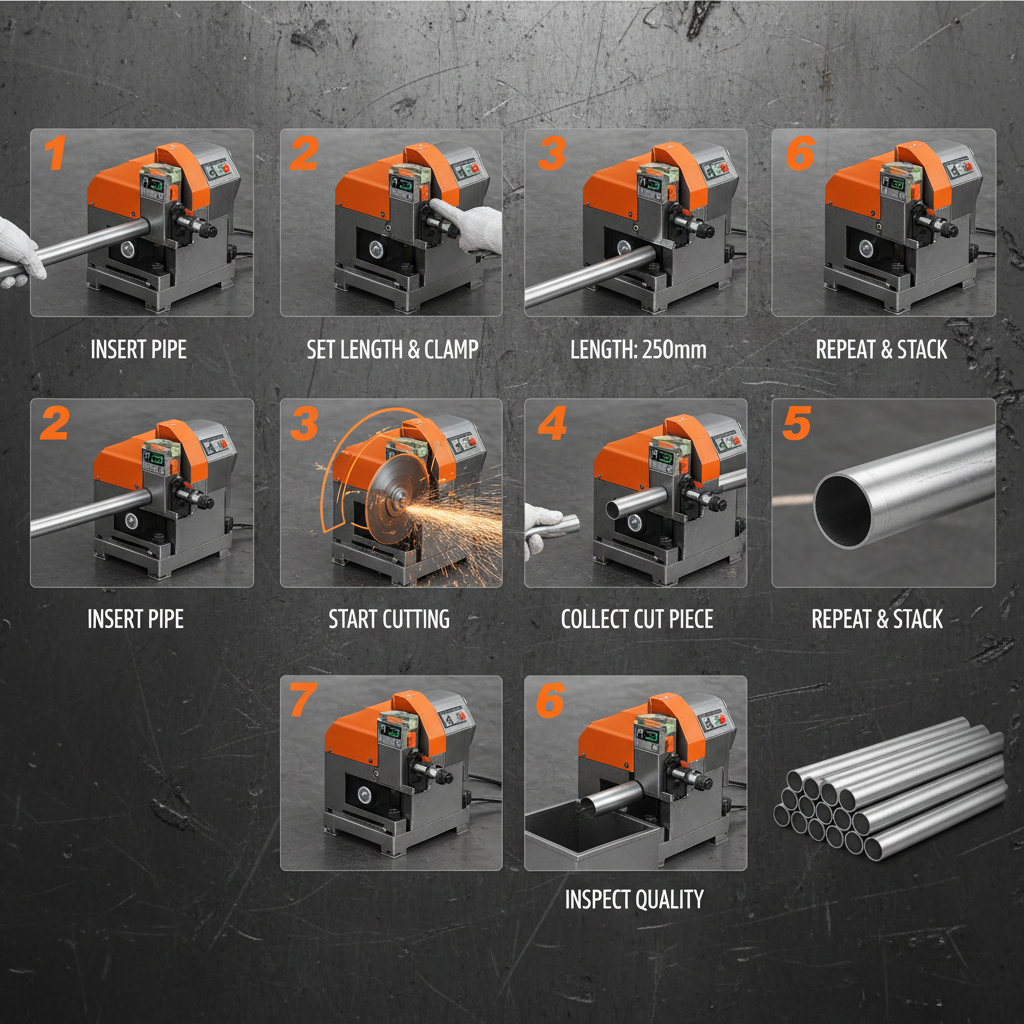
These machines are often equipped with advanced control systems that monitor and regulate critical parameters like temperature, pressure, and speed. Precise control is essential to achieve the desired pipe dimensions, wall thickness, and surface finish. Modern machines also incorporate automated features for billet loading, pipe cutting, and quality inspection, enhancing efficiency and reducing labor costs.
Key Factors Influencing Performance
The performance of a seamless pipe making machine is influenced by several key factors. Durability is paramount; the machine must withstand the extreme temperatures and pressures involved in the manufacturing process. Robust construction and high-quality materials are essential for ensuring a long operational lifespan and minimizing downtime.
Scalability is another important consideration. Manufacturers need machines that can adapt to changing production demands. Machines with adjustable parameters and the ability to handle different billet sizes offer greater flexibility. Cost efficiency is crucial for maintaining competitiveness; energy consumption, material waste, and labor costs must be optimized.
Seamless Pipe Making Machine Performance Metrics
Applications Across Diverse Sectors
Seamless pipes manufactured by a seamless pipe making machine find extensive application in the oil and gas industry, where they are used for pipelines transporting crude oil and natural gas. Their high strength and resistance to corrosion make them ideal for these demanding environments.
In the power generation sector, seamless pipes are critical components in boiler systems, steam lines, and turbine applications. Their ability to withstand high temperatures and pressures ensures reliable power production. Furthermore, the chemical and pharmaceutical industries rely on seamless pipes for transporting corrosive fluids and maintaining process integrity.
Long-Term Benefits and Value Proposition
Investing in high-quality seamless pipe making machine technology delivers substantial long-term benefits. Reduced maintenance costs stemming from the superior reliability of seamless pipes contribute significantly to operational savings. The enhanced safety profile minimizes the risk of catastrophic failures, protecting personnel and the environment.
From a sustainability standpoint, the durability of seamless pipes reduces the need for frequent replacements, conserving resources and minimizing waste. The ability to manufacture pipes with precise specifications reduces material usage and optimizes performance. The resulting increase in efficiency and reliability fosters trust and enhances the reputation of manufacturers and operators alike.
Finally, innovation in seamless pipe manufacturing allows for the development of specialized alloys and coatings, expanding application possibilities and driving progress across various industries.
Future Trends and Technological Advancements
The future of seamless pipe making machine technology is being shaped by several key trends. Automation and digitalization are becoming increasingly prevalent, with advanced sensors, data analytics, and machine learning being integrated into manufacturing processes. This allows for real-time monitoring, predictive maintenance, and optimized process control.
The development of new materials, such as high-strength alloys and corrosion-resistant coatings, is expanding the range of applications for seamless pipes. Furthermore, sustainable manufacturing practices are gaining prominence, with a focus on reducing energy consumption, minimizing waste, and utilizing recycled materials.
The integration of Industry 4.0 principles, including the Industrial Internet of Things (IIoT) and cloud computing, is enabling seamless data exchange and collaboration across the entire supply chain, driving efficiency and innovation in the seamless pipe manufacturing industry.
FAQS
Seamless pipes offer superior strength, reliability, and safety compared to welded pipes due to the absence of a weld seam, a potential point of failure. They exhibit more uniform mechanical properties and are better suited for high-pressure, high-temperature, and corrosive applications. The elimination of welding also reduces the risk of defects and inconsistencies, leading to longer service life.
Seamless pipe making machines can process a wide range of materials, including carbon steel, alloy steel, stainless steel, and non-ferrous metals like titanium and nickel alloys. The specific material capabilities depend on the machine's design and the chosen manufacturing process. Selection of the appropriate material is crucial for matching the pipe's properties to the intended application.
Automation significantly improves the efficiency of seamless pipe production by reducing labor costs, increasing production rates, and enhancing process control. Automated billet loading, cutting, inspection, and packaging systems minimize human intervention and the potential for errors. Real-time monitoring and data analytics enable predictive maintenance and optimized performance.
Regular maintenance is essential for ensuring the reliable operation of a seamless pipe making machine. This includes lubricating moving parts, inspecting bearings and seals, calibrating sensors, and cleaning critical components. Preventive maintenance schedules should be established based on the manufacturer's recommendations and operational conditions. Promptly addressing any identified issues is crucial for preventing costly downtime.
Rigorous quality control measures are implemented throughout the seamless pipe manufacturing process, including non-destructive testing (NDT) methods like ultrasonic testing, eddy current testing, and radiographic testing. Dimensional inspections, material composition analysis, and mechanical property testing are also performed to ensure compliance with industry standards and customer specifications. Traceability systems are often used to track each pipe throughout the production process.
The lifespan of a modern seamless pipe making machine typically ranges from 15 to 25 years, depending on factors such as machine quality, operational conditions, maintenance practices, and production volume. Regular maintenance, prompt repairs, and upgrades to key components can significantly extend the machine’s service life. Investing in robust and reliable equipment initially is crucial for maximizing long-term value.
Conclusion
In conclusion, the seamless pipe making machine is an indispensable tool for modern industry, providing the means to produce high-quality, reliable piping systems critical for a wide range of applications. The benefits extend beyond technical performance, encompassing cost savings, enhanced safety, and increased sustainability. Understanding the key factors influencing performance, embracing technological advancements, and addressing existing challenges are vital for maximizing the value of this essential technology.
Looking ahead, continued innovation in automation, materials science, and sustainable manufacturing practices will further enhance the capabilities and efficiency of these machines. Investing in advanced seamless pipe making machine technology is not merely a capital expenditure, but a strategic investment in long-term operational excellence, economic growth, and a more sustainable future. Visit our website at www.xhequipment.com to learn more.