Round pipe cutting is a fundamental process across numerous industries, from construction and manufacturing to oil and gas, and even increasingly in specialized applications like renewable energy infrastructure. The ability to precisely and efficiently cut round pipes is crucial for creating robust and reliable systems, impacting everything from structural integrity to fluid transport. Mastering this skill leads to reduced waste, optimized material usage, and enhanced project timelines.
Globally, demand for proficient round pipe cutting is consistently high, driven by continuous infrastructure development and industrial expansion. According to the World Steel Association, global steel demand remains strong, with pipelines representing a significant portion of this demand. Efficient pipe cutting directly contributes to cost-effective pipeline construction and maintenance, vital for delivering essential resources and supporting economic growth.
The increasing complexity of modern projects, coupled with stricter safety regulations, necessitate advanced techniques and equipment for round pipe cutting. This creates a growing need for skilled professionals and innovative solutions to address challenges related to pipe material, diameter, and cutting precision.
The Importance of Precision in round pipe cutting
Precision in round pipe cutting isn't merely about achieving a clean, straight edge; it’s fundamental to the integrity and longevity of the final product. Inaccurate cuts can lead to misaligned connections, increased stress points, and ultimately, system failures. This is particularly critical in high-pressure environments like oil and gas pipelines, where even minor imperfections can have catastrophic consequences. round pipe cutting demands attention to detail.
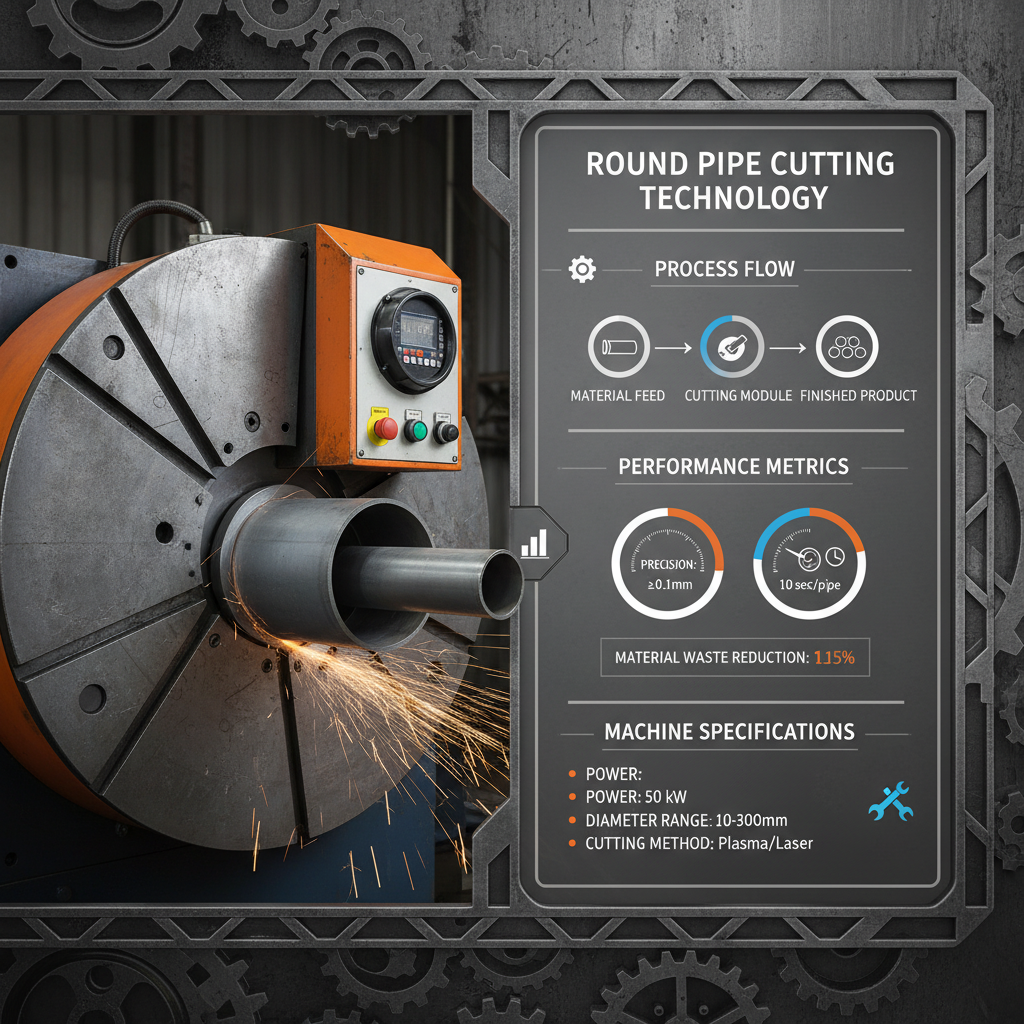
Furthermore, precise cutting minimizes material waste, contributing to cost savings and environmentally responsible practices. Utilizing advanced cutting technologies, like laser or orbital cutting systems, allows for tighter tolerances and reduced rework, streamlining project workflows and improving overall efficiency.
Defining Round Pipe Cutting
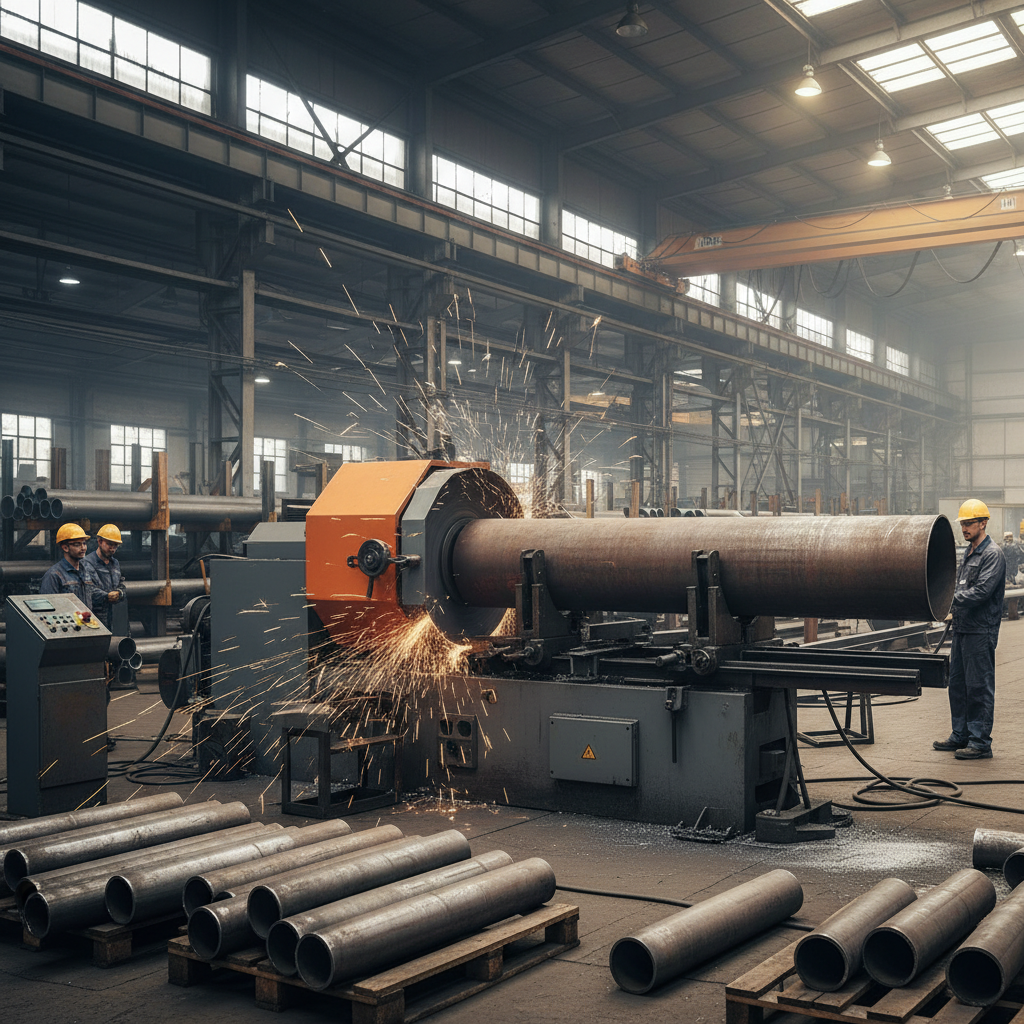
Round pipe cutting is the process of separating a circular pipe into desired lengths or creating angled or profiled ends for specific applications. This process goes beyond simply sawing through the material; it involves selecting the appropriate cutting method based on the pipe’s material (steel, stainless steel, plastic, etc.), diameter, wall thickness, and required precision.
This seemingly straightforward task connects directly to modern industry by enabling the construction of essential infrastructure. Pipelines for water, oil, gas, and chemical transport, as well as structural supports in buildings and bridges, all rely on accurately cut round pipes. In humanitarian efforts, mobile water purification systems and temporary shelters often utilize round pipe frameworks for rapid deployment.
The increasing demand for customized pipe configurations in specialized industries—such as aerospace, medical device manufacturing, and automotive—further highlights the importance of versatile and precise round pipe cutting capabilities.
Core Components of Effective Round Pipe Cutting
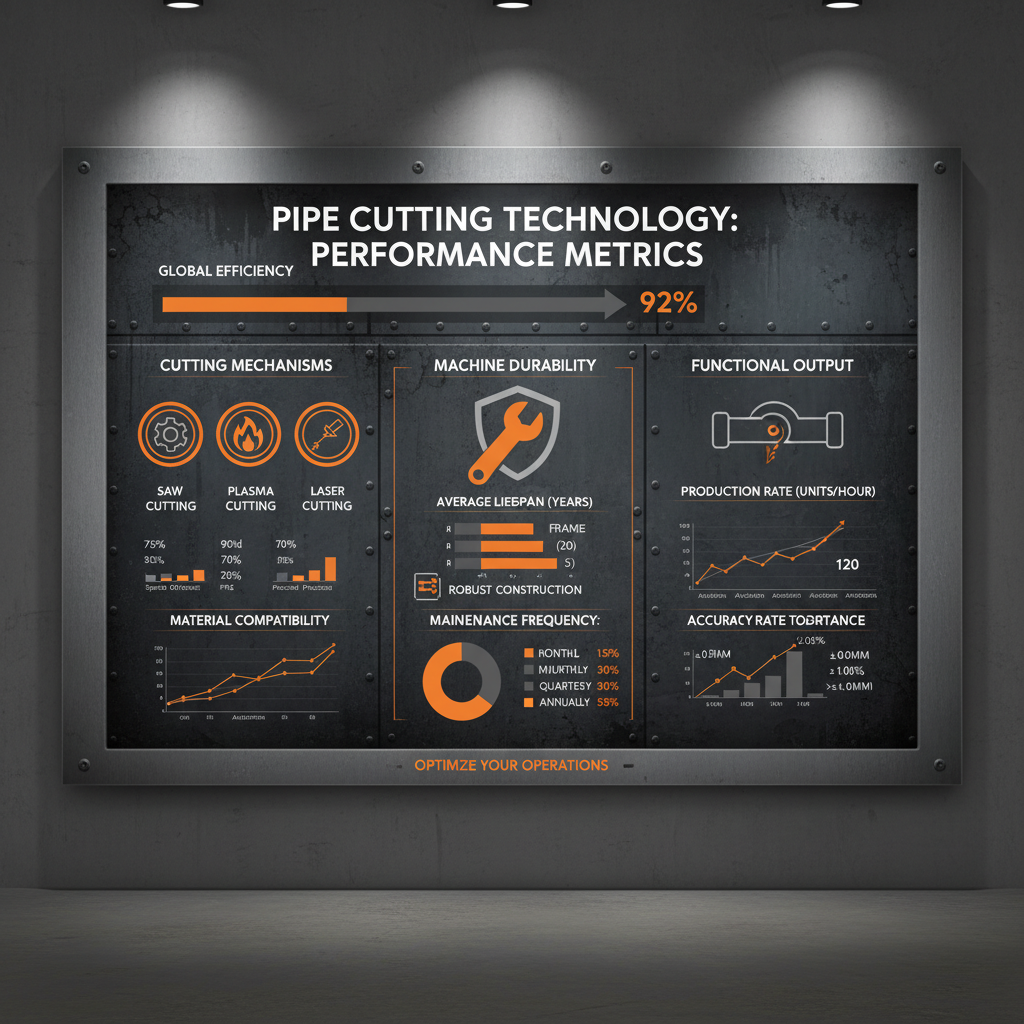
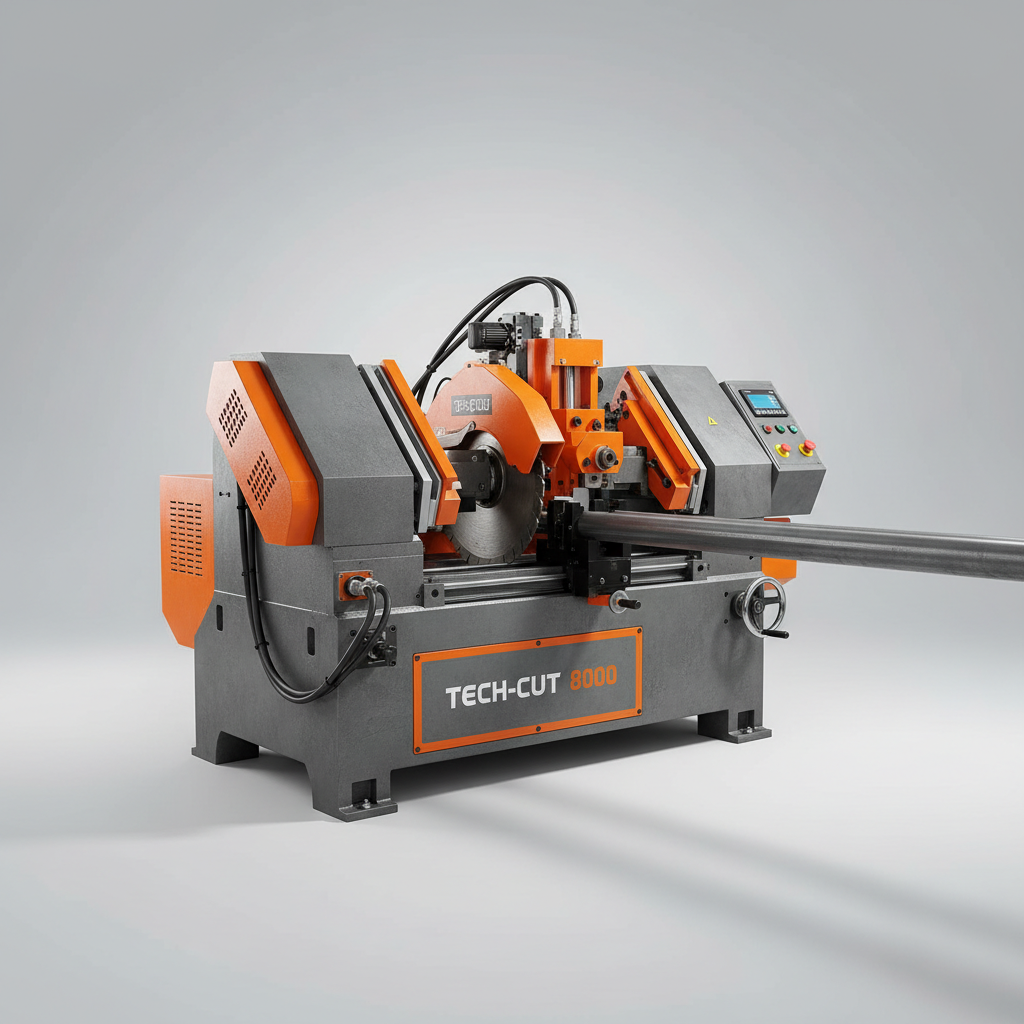
Effective round pipe cutting isn't just about the tool used, but a synergy of several key components. First, the selection of the right cutting method – be it manual sawing, abrasive cutting, plasma cutting, or laser cutting – must align with the pipe material and desired precision. Each method has its strengths and weaknesses concerning material suitability and cutting quality.
Secondly, proper pipe preparation is crucial. This includes cleaning the pipe surface to remove rust, scale, or debris, and ensuring accurate measurement and marking of the cutting line. Incorrect markings or a contaminated surface can lead to inaccurate cuts and require costly rework. Finally, operator skill and training are paramount. Even with advanced equipment, a skilled operator understands material properties, cutting techniques, and safety protocols.
These components, when combined, ensure a safe, efficient, and accurate round pipe cutting process, delivering consistent results and minimizing waste. Furthermore, regular equipment maintenance and calibration are critical to sustain optimal performance and prevent unexpected issues.
Key Factors Influencing Round Pipe Cutting Quality
Several factors significantly influence the quality of round pipe cutting. Material composition plays a huge role; harder alloys require more robust cutting tools and techniques. Pipe diameter and wall thickness also dictate the appropriate cutting method and power settings. Thicker walls and larger diameters generally demand slower cutting speeds and more powerful equipment.
Maintaining a stable cutting setup is essential. This includes ensuring the pipe is securely clamped or supported to prevent vibration during the cutting process. Vibration can lead to uneven cuts and compromised structural integrity.
Round Pipe Cutting Method Comparison
Global Applications of Round Pipe Cutting
The applications of round pipe cutting are incredibly diverse, spanning across multiple sectors. In the oil and gas industry, precise pipe cutting is vital for constructing pipelines that transport crude oil and natural gas across vast distances. The construction industry relies heavily on cut round pipes for structural support, scaffolding, and plumbing systems.
In post-disaster relief operations, portable round pipe cutting equipment is often deployed to quickly fabricate temporary shelters and water distribution systems. Similarly, in remote industrial zones, where infrastructure is limited, efficient pipe cutting is essential for establishing essential services. round pipe cutting facilitates these critical operations.
Advantages and Long-Term Value
Investing in high-quality round pipe cutting processes yields significant long-term advantages. Cost savings are realized through reduced material waste, minimized rework, and increased operational efficiency. Sustainability is enhanced by optimizing material usage and reducing the environmental impact of production.
Furthermore, precise round pipe cutting improves safety by ensuring the structural integrity of pipelines and support systems. The reliability of these systems contributes to trust and confidence in the infrastructure, benefiting both businesses and communities. Innovation in cutting technologies constantly drives improvements in quality, speed, and cost-effectiveness.
Future Trends in Round Pipe Cutting Technology
The future of round pipe cutting is poised for significant advancements, driven by trends like automation, digitalization, and sustainable practices. Robotic pipe cutting systems are gaining traction, offering increased precision, speed, and safety compared to manual methods. These systems can be programmed to perform complex cuts and adapt to varying pipe geometries.
Digital twins – virtual representations of physical assets – are enabling predictive maintenance and optimization of cutting processes. By simulating different cutting scenarios, operators can identify potential issues and fine-tune parameters for optimal performance. The adoption of greener cutting fluids and energy-efficient equipment aligns with the growing emphasis on environmental sustainability.
Finally, advancements in laser cutting technology are enabling even greater precision and versatility, opening up new possibilities for complex pipe configurations and specialized applications.
Round Pipe Cutting: Challenges and Potential Solutions
| Challenge |
Impact on Round Pipe Cutting |
Potential Solution |
Implementation Cost (1-10) |
| Material Hardness |
Increased tool wear and slower cutting speeds |
Utilize specialized cutting tools (e.g., diamond-tipped) |
7 |
| Pipe Diameter |
Challenges in maintaining cutting precision on large-diameter pipes |
Employ orbital cutting systems with automated guidance |
8 |
| Operator Skill Gap |
Increased risk of errors and inconsistent cut quality |
Invest in comprehensive training programs and certifications |
5 |
| Vibration During Cutting |
Uneven cuts and compromised structural integrity |
Securely clamp the pipe and use vibration-dampening materials |
4 |
| Waste Generation |
Environmental impact and increased material costs |
Optimize cutting parameters and explore material recycling options |
6 |
| Safety Concerns |
Risk of injuries from sparks, fumes, and sharp edges |
Implement strict safety protocols and provide appropriate PPE |
3 |
FAQS
The most frequently utilized methods include manual sawing, abrasive cutting, plasma cutting, laser cutting, and orbital cutting. The best choice depends on the pipe’s material, diameter, wall thickness, and the desired level of precision. Manual sawing is cost-effective for simple cuts, while laser and orbital cutting offer superior accuracy and are ideal for complex applications. Plasma cutting is versatile for various materials, and abrasive cutting is suitable for thicker pipes.
Selecting the appropriate cutting tool is crucial for achieving a clean and efficient cut. For steel pipes, abrasive blades or plasma cutters are common choices. Stainless steel often requires specialized stainless steel cutting blades or laser cutting. Plastic pipes are best cut with fine-tooth saw blades or specialized plastic cutting tools. Always consult material safety data sheets and manufacturer recommendations for specific guidance.
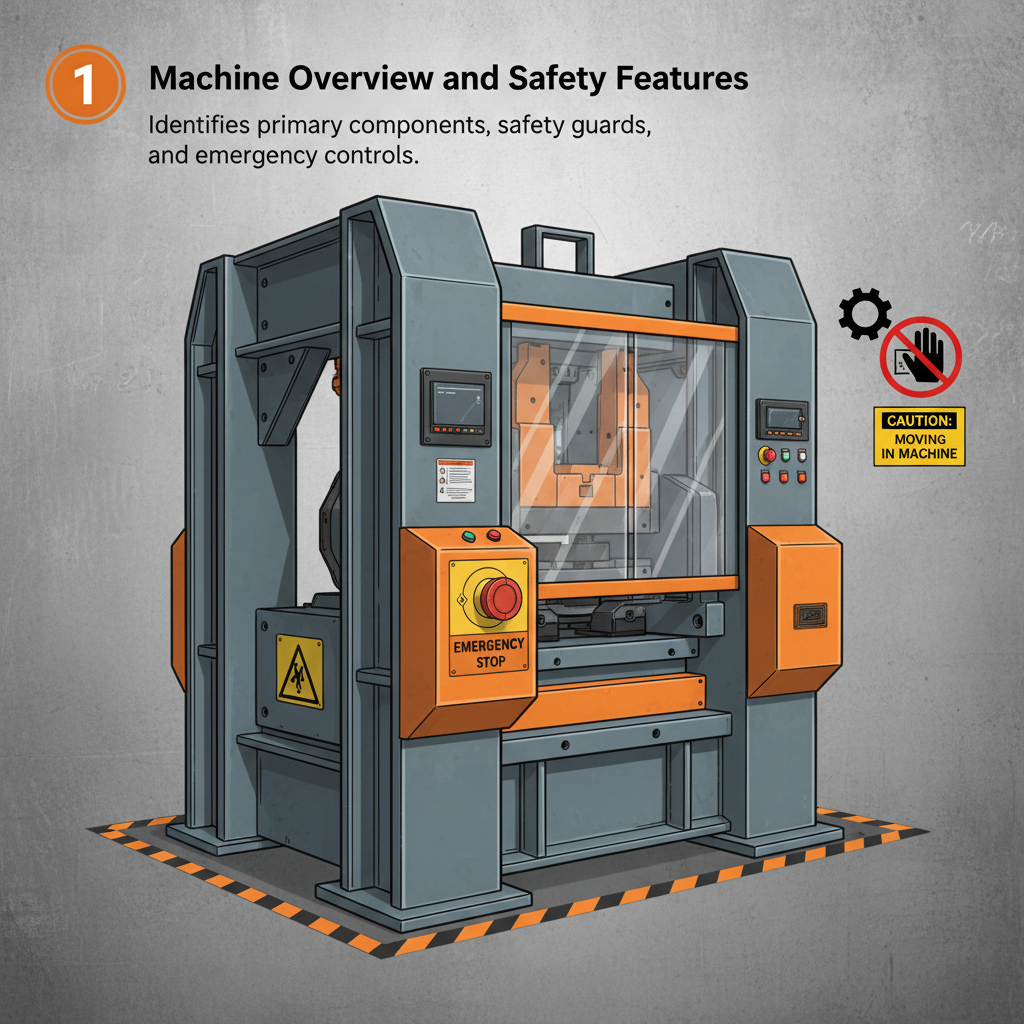
Safety is paramount. Always wear appropriate personal protective equipment (PPE), including safety glasses, gloves, and a respirator (when necessary). Ensure adequate ventilation to avoid inhaling fumes. Securely clamp the pipe to prevent movement during cutting. Be aware of potential hazards like sparks, hot metal, and sharp edges. Follow all manufacturer safety guidelines for the cutting equipment.
Careful planning and precise cutting are key to minimizing waste. Optimize cutting layouts to maximize material utilization. Use accurate measuring and marking tools. Consider using nesting software to efficiently arrange cuts on larger pipes. Properly dispose of or recycle any leftover material. Implementing these strategies will help reduce waste and lower costs.
Orbital cutting is a precise technique that uses a rotating cutting tool to create clean, bevelled edges on pipes. It's particularly well-suited for high-pressure pipelines and critical applications where weld preparation is essential. Orbital cutting minimizes the heat-affected zone and provides consistent, repeatable results. It’s preferred for stainless steel and other alloy pipes requiring high-quality welds.
Automated systems offer numerous advantages, including increased precision, speed, and consistency. They reduce operator fatigue and minimize the risk of errors. Automation can handle complex cuts and adapt to varying pipe geometries, improving overall efficiency and productivity. These systems also often integrate with CAD/CAM software for streamlined workflow and programming.
Conclusion
In conclusion, round pipe cutting is a critical process underpinning numerous industries, from infrastructure development to specialized manufacturing. Effective cutting requires a holistic understanding of material properties, cutting methods, safety protocols, and emerging technologies. Mastering these elements not only ensures structural integrity and efficiency but also contributes to sustainability and cost savings.
As technology continues to advance, embracing automation, digitalization, and environmentally friendly practices will be essential for maximizing the benefits of round pipe cutting. Investing in operator training, utilizing advanced cutting equipment, and prioritizing safety will pave the way for a more reliable, efficient, and sustainable future.