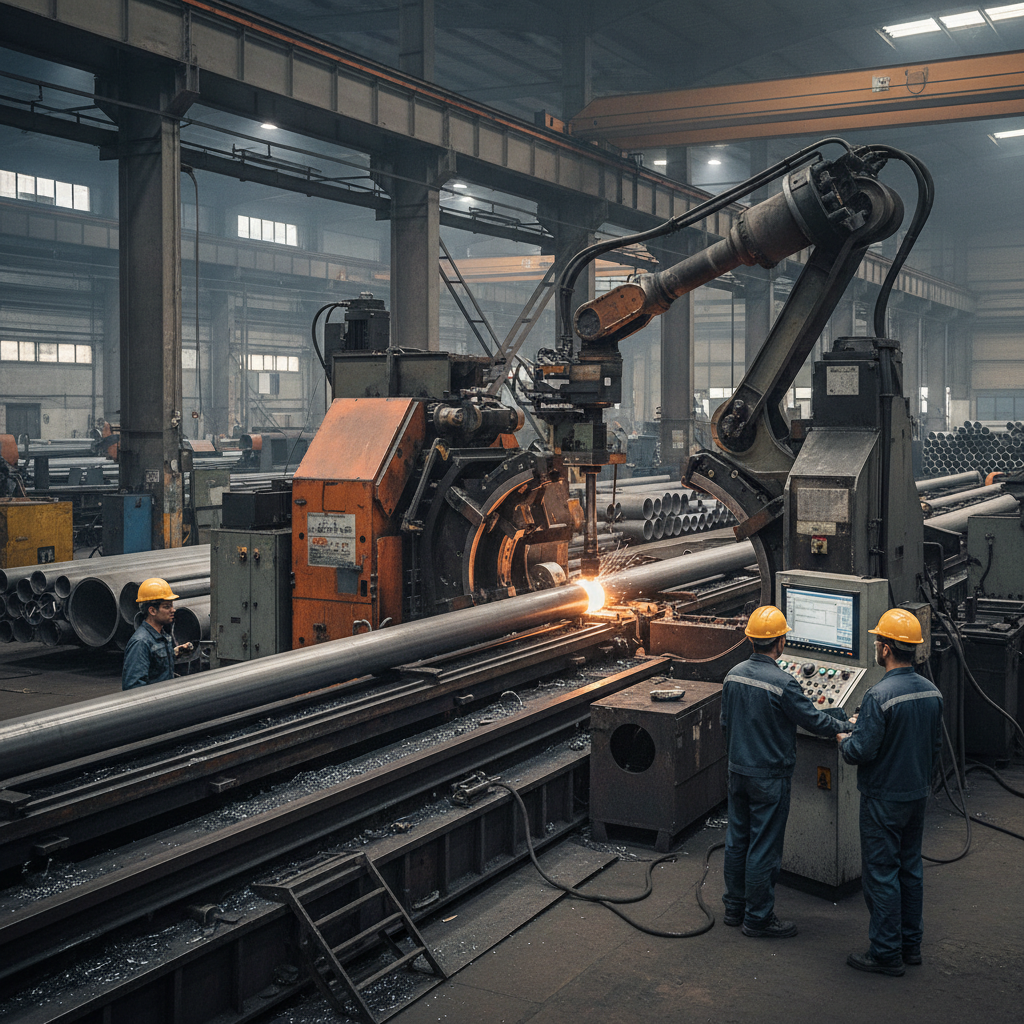
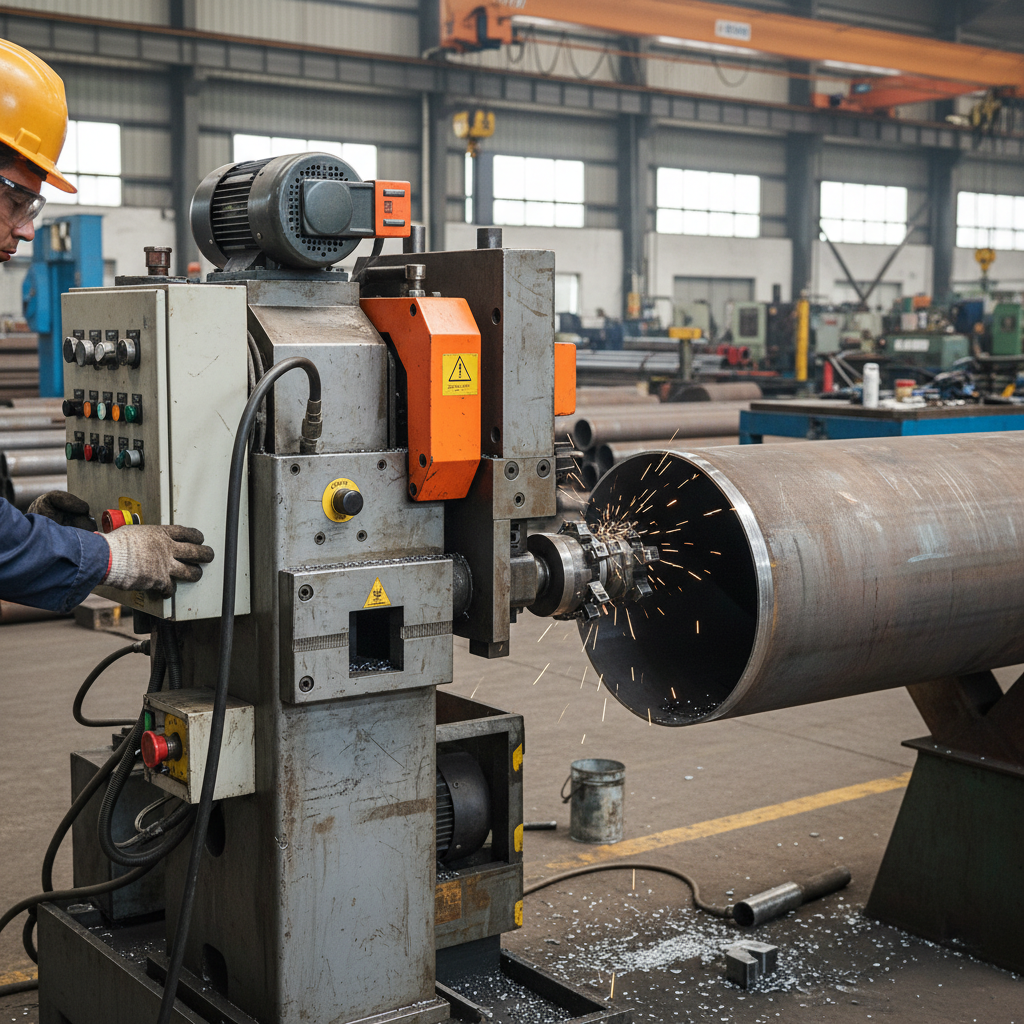
The global manufacturing landscape is increasingly reliant on precision and efficiency, and at the heart of many modern production lines lies the tube processing machine. These machines are pivotal in industries ranging from automotive and aerospace to construction and medical device manufacturing, ensuring the creation of high-quality, consistently formed tubular components. Understanding the nuances of tube processing is no longer a niche technical concern, but a strategic imperative for businesses seeking to remain competitive.
The demand for advanced tube processing machine technology is skyrocketing, driven by the need for lighter, stronger, and more complex designs. According to data from the International Organization for Standardization (ISO), the global tube and pipe market is projected to reach billions in the coming years, highlighting the critical role of efficient processing solutions. This growth is particularly significant in emerging economies, where infrastructure development and industrial expansion are driving demand.
The evolution of the tube processing machine directly addresses challenges related to material waste, labor costs, and production speed, offering manufacturers a pathway to optimized operations and enhanced profitability. It's a fundamental element in modern manufacturing and a key enabler of innovation across diverse sectors.
The Significance of Tube Processing Machines
The importance of tube processing machines extends far beyond simply shaping metal. They are crucial for producing components used in critical infrastructure, ensuring structural integrity and safety in applications like pipelines and bridges. These machines allow for the precise creation of complex geometries, which are increasingly demanded by modern engineering designs.
Furthermore, efficient tube processing machine operation reduces material waste and energy consumption, aligning with growing sustainability initiatives within the manufacturing sector. This makes them an environmentally responsible choice for companies looking to minimize their carbon footprint and optimize resource utilization.
Defining Tube Processing Machines
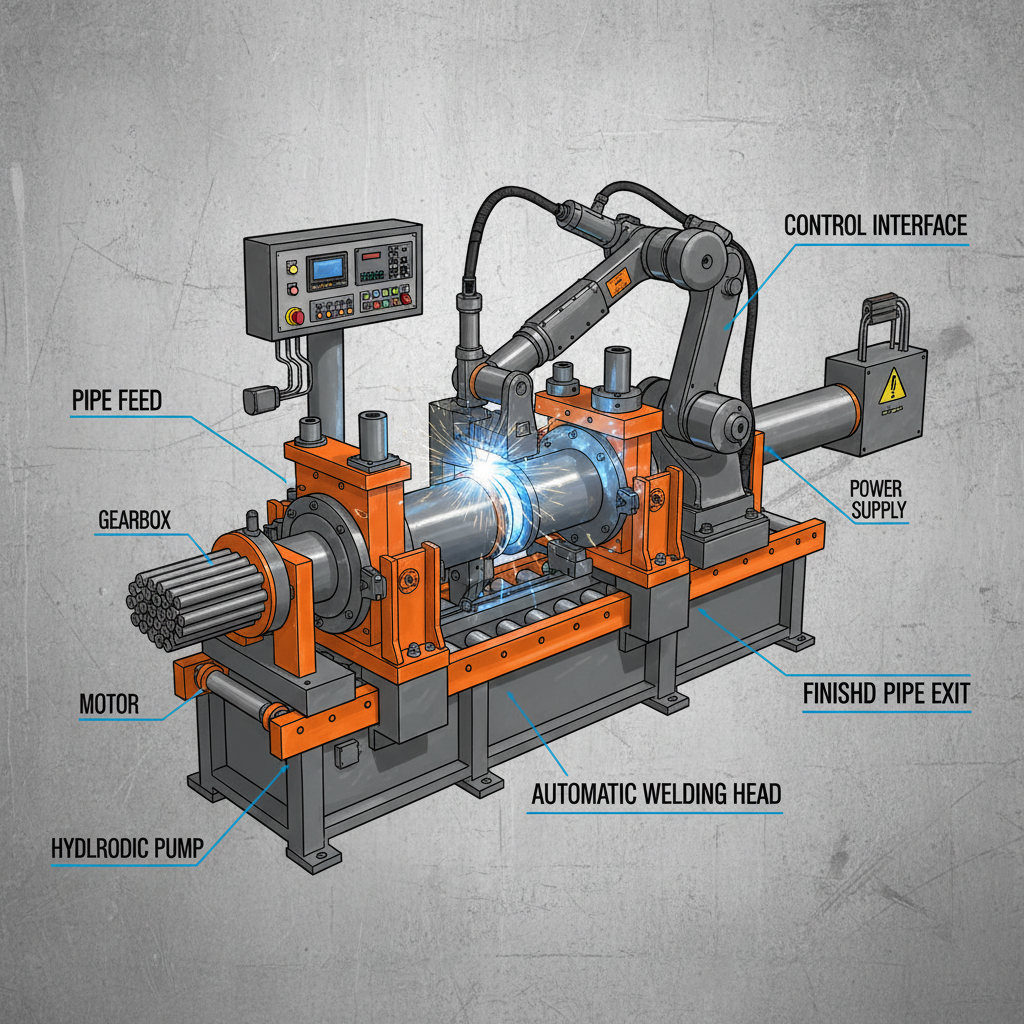
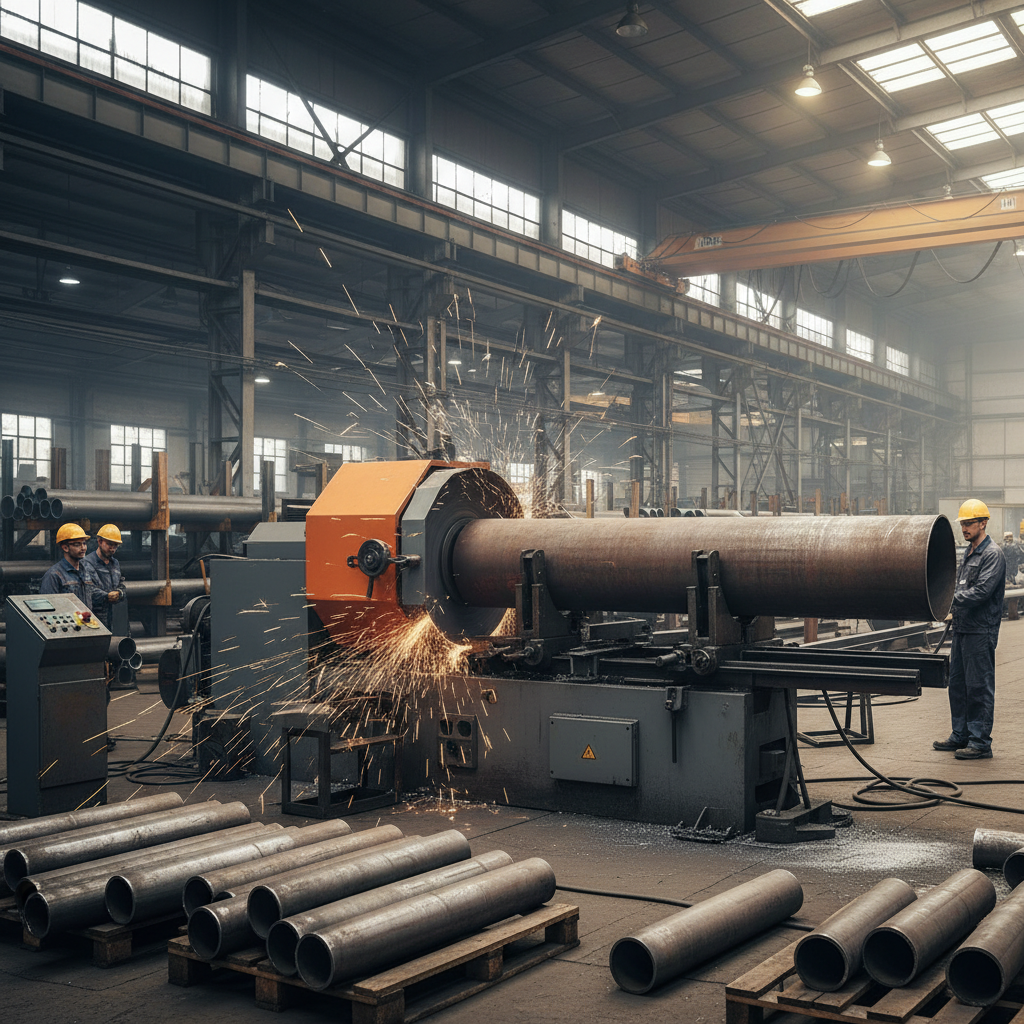
A tube processing machine is a specialized piece of equipment designed to manipulate tubular materials – typically metal, but also plastics and composites – into desired shapes and forms. This encompasses a wide range of operations, including cutting, bending, flaring, swaging, and more, all performed with a high degree of precision.
These machines are integral to the production of countless everyday products, from the exhaust systems in our cars and the frames of our bicycles to the medical implants that improve healthcare outcomes. The ability to efficiently and accurately process tubes is therefore fundamental to modern manufacturing.
At their core, tube processing machines bridge the gap between raw material and finished component, contributing directly to the functionality, durability, and aesthetics of a vast array of products that shape our world.
Key Features and Core Capabilities
Durability is paramount in a tube processing machine, as these machines are often subjected to rigorous, continuous operation in demanding industrial environments. Robust construction, high-quality materials, and reliable components are essential to ensure longevity and minimize downtime.
Precision is another key characteristic. Modern tube processing machines utilize advanced control systems and sensors to achieve tight tolerances and consistent results, critical for applications requiring high levels of accuracy. Automation also enhances precision and reduces the risk of human error.
Versatility is increasingly important, with machines capable of handling a wide range of tube sizes, materials, and geometries. Multi-functional tube processing machines that combine multiple operations into a single unit are becoming more prevalent, streamlining production processes and reducing costs.
Global Applications of Tube Processing
The applications of tube processing machines are incredibly diverse. In the automotive industry, they are used to manufacture exhaust systems, chassis components, and structural elements, contributing to vehicle safety and performance.
The aerospace sector relies heavily on precision tube processing for the creation of fuel lines, hydraulic systems, and structural components, where reliability and weight reduction are critical. Similarly, in the construction industry, tube processing is essential for creating pipelines, scaffolding, and structural supports.
In remote industrial zones, such as oil and gas fields, portable tube processing machines enable on-site fabrication and repair, reducing logistical challenges and minimizing downtime. These machines are even used in the medical device industry to create precise, biocompatible components for implants and surgical instruments.
Tube Processing Machine Methods - Efficiency Comparison
Advantages and Long-Term Value Proposition
Investing in a high-quality tube processing machine delivers significant cost savings through reduced material waste, increased production speed, and minimized labor requirements. This translates into a faster return on investment and improved profitability.
Beyond economics, these machines contribute to enhanced product quality and consistency, building trust with customers and strengthening brand reputation. Sustainable operation, reduced energy consumption, and minimized waste align with corporate social responsibility goals, attracting environmentally conscious clients.
Emerging Trends in Tube Processing Technology
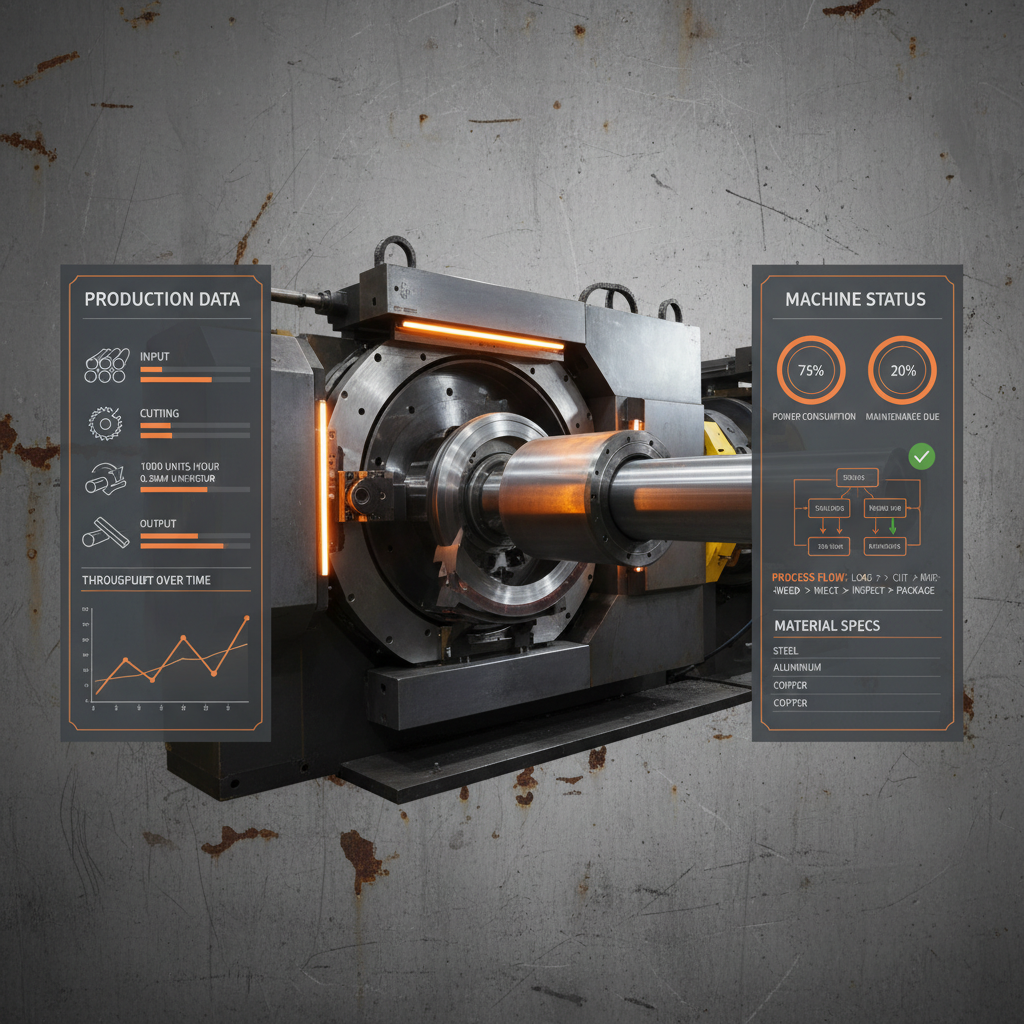
Automation is revolutionizing the tube processing machine industry, with robotic systems taking on repetitive tasks, increasing efficiency, and improving safety. The integration of Industry 4.0 principles, such as real-time data analysis and predictive maintenance, is also gaining traction.
The development of new materials, including advanced alloys and composites, is driving the demand for more versatile and adaptable tube processing machines capable of handling a wider range of material properties. Laser-based processing technologies are also becoming increasingly sophisticated, offering unparalleled precision and control.
Challenges and Innovative Solutions
One common challenge is maintaining precision when processing tubes with varying wall thicknesses or complex geometries. Innovative solutions include adaptive control systems that automatically adjust machine parameters based on real-time feedback.
Another challenge is dealing with material defects, which can lead to production delays and quality issues. Advanced sensors and inspection systems are being developed to detect and reject defective materials before they can cause problems.
Furthermore, the need for skilled operators remains a concern. Manufacturers are investing in training programs and user-friendly interfaces to simplify machine operation and reduce the learning curve.
Summary of Common Tube Processing Machine Challenges and Solutions
| Challenge |
Impact on Production |
Proposed Solution |
Implementation Cost (1-10) |
| Variable Wall Thickness |
Reduced Precision, Material Waste |
Adaptive Control Systems |
7 |
| Material Defects |
Production Delays, Quality Issues |
Advanced Sensor Integration |
8 |
| Skilled Operator Shortage |
Reduced Efficiency, Increased Errors |
Improved User Interface & Training |
6 |
| Complex Geometries |
Increased Processing Time |
5-Axis Processing Capabilities |
9 |
| Machine Downtime |
Lost Production, Increased Costs |
Predictive Maintenance Systems |
7 |
| Material Compatibility |
Limited Processing Capabilities |
Multi-Material Processing Heads |
8 |
FAQS
When choosing a tube processing machine, consider factors such as the range of materials you'll be processing, the types of operations required (bending, cutting, flaring, etc.), production volume, and budget. Automation level and required precision are also crucial, alongside the availability of maintenance and support services.
Automation significantly boosts efficiency by reducing manual labor, minimizing errors, and increasing production speed. Automated tube processing machines can operate continuously with minimal intervention, resulting in higher throughput and lower operating costs. They also improve consistency and repeatability.
Regular maintenance is vital for ensuring the longevity and optimal performance of your tube processing machine. This includes routine lubrication, cleaning, inspection of wear parts, and calibration of sensors. Following the manufacturer's recommended maintenance schedule is essential.
Safety is paramount. Always wear appropriate personal protective equipment (PPE), such as safety glasses and gloves. Ensure the machine's safety guards are in place and functioning correctly. Follow all operating procedures and receive proper training before operating the machine.
To improve accuracy in tube bending, ensure proper material preparation, use high-quality tooling, and calibrate the machine regularly. Control bending speed and force precisely. Employing a closed-loop control system can provide real-time feedback and adjustments for optimal results.
Laser technology offers exceptional precision, speed, and versatility in tube processing. It allows for intricate cuts and complex shapes with minimal material waste. Laser processing also reduces the need for secondary operations and improves overall product quality.
Conclusion
The tube processing machine stands as a cornerstone of modern manufacturing, enabling the creation of essential components across a vast spectrum of industries. Its ability to deliver precision, efficiency, and versatility makes it an indispensable tool for businesses seeking to thrive in a competitive global market. Embracing the latest technological advancements and prioritizing sustainable practices will further enhance the value and impact of this critical technology.
Looking ahead, continued innovation in automation, materials science, and data analytics will unlock even greater potential for tube processing machines. Investing in robust and adaptable solutions today will position companies for long-term success and enable them to meet the evolving demands of a rapidly changing world. Visit our website at www.xhequipment.com to learn more about how we can help optimize your tube processing operations.