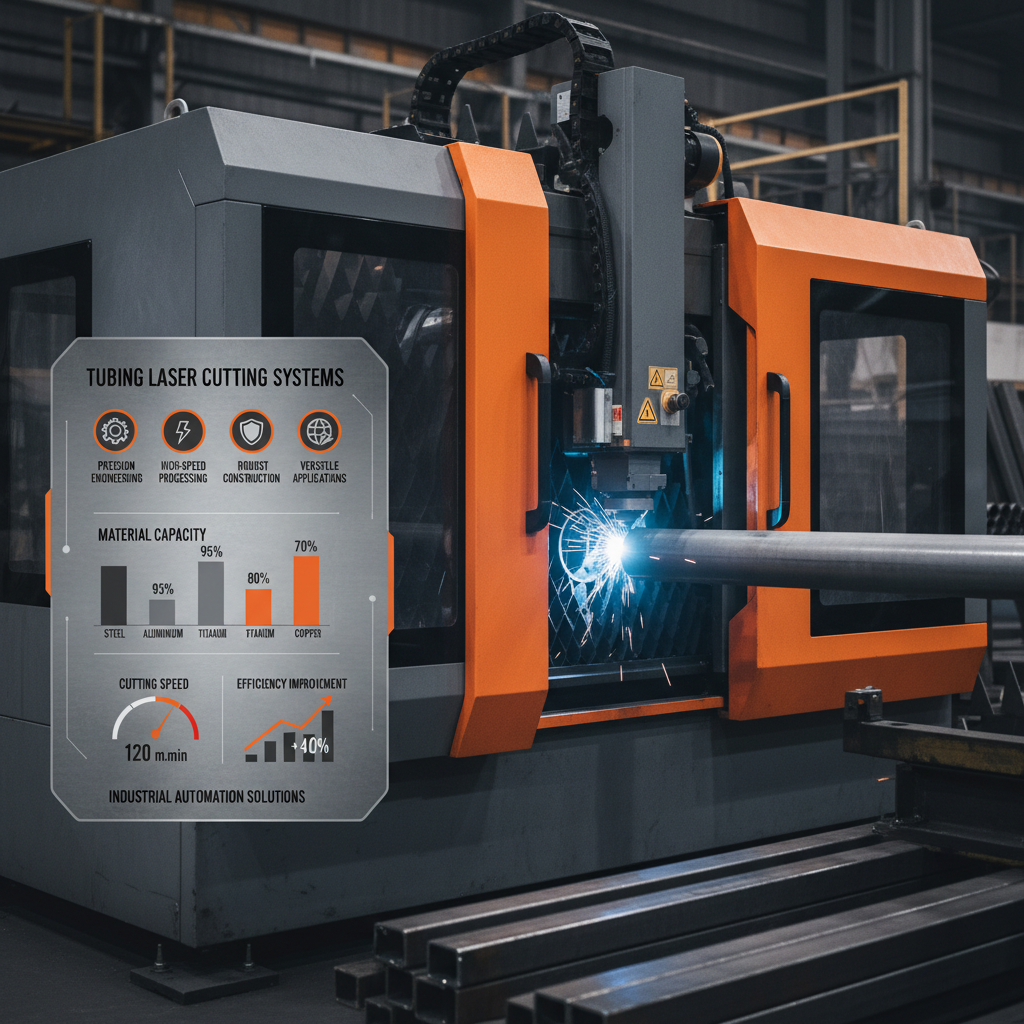
In the modern landscape of precision manufacturing, tubing laser cutting machines have emerged as a cornerstone technology, redefining how industries approach the fabrication of hollow profiles. By utilizing high-energy coherent light beams, these systems eliminate the need for traditional tooling and manual drilling, offering an unprecedented level of accuracy and flexibility for complex geometries.
The shift toward automation in the metalworking sector has amplified the demand for these machines, as they significantly reduce lead times and material waste. From automotive chassis components to intricate architectural fixtures, the ability to execute precise cuts on round, square, and rectangular tubing with minimal heat-affected zones has made this technology indispensable for maintaining a competitive edge.
Understanding the nuances of tubing laser cutting machines is no longer just for specialists; it is essential for any business looking to scale its production while enhancing product quality. This guide explores the global impact, technical foundations, and future trajectories of laser tube processing to help manufacturers optimize their operational efficiency.
Global Industry Context of Tube Laser Processing
The global manufacturing sector is currently undergoing a digital transformation, often referred to as Industry 4.0, where the integration of tubing laser cutting machines plays a pivotal role. According to industrial growth trends observed by ISO standards and global trade data, the precision machining market is shifting away from traditional mechanical sawing and punching toward laser-based solutions due to the need for tighter tolerances and faster turnaround times.
Historically, manufacturers struggled with the inefficiency of multiple setups required to cut holes and notches in tubes. This fragmented process led to cumulative errors and significant material scrap. The introduction of CNC-driven laser systems solved this by allowing a single machine to perform complex cutting, beveling, and profiling in one continuous operation, directly addressing the global challenge of production bottlenecks in heavy equipment manufacturing.
Defining Tubing Laser Cutting Machines
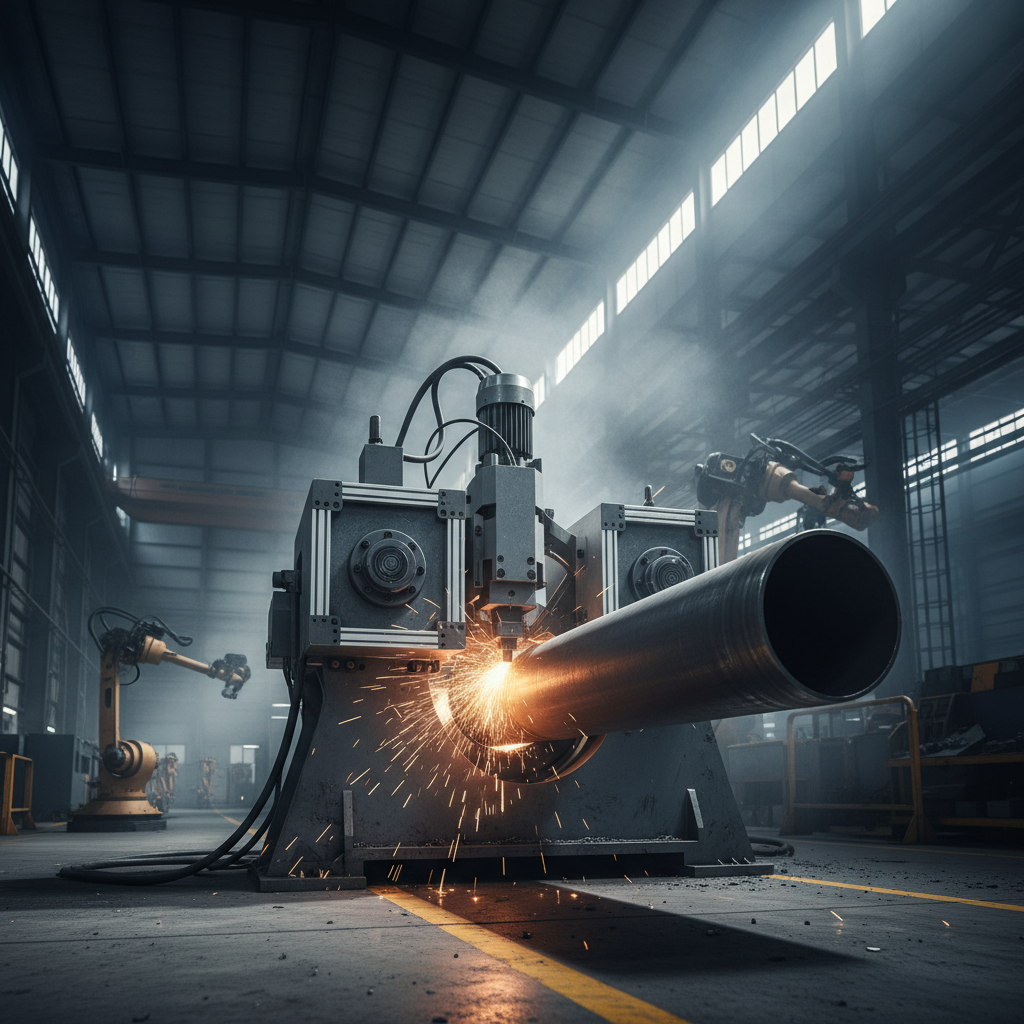
At its core, tubing laser cutting machines are specialized CNC systems designed to cut hollow metal profiles using a focused beam of light. Unlike sheet laser cutters, these machines feature a rotating chuck and a feeding mechanism that allows the tube to rotate 360 degrees while moving linearly, enabling the laser head to trace intricate paths across the entire circumference of the material.
This technology bridges the gap between raw material and a finished component by integrating software-driven design with high-power fiber or CO2 lasers. By translating a CAD drawing directly into a cutting path, these machines ensure that every piece is identical, which is crucial for industries where safety and structural integrity are paramount, such as aerospace and medical device manufacturing.
In a broader humanitarian and industrial sense, these machines enable the rapid prototyping of essential infrastructure. Whether it is creating lightweight frames for emergency shelters or precise components for water filtration systems in remote areas, the efficiency of laser cutting allows for the deployment of high-quality metal structures in a fraction of the time previously required.
Core Components and Technical Factors
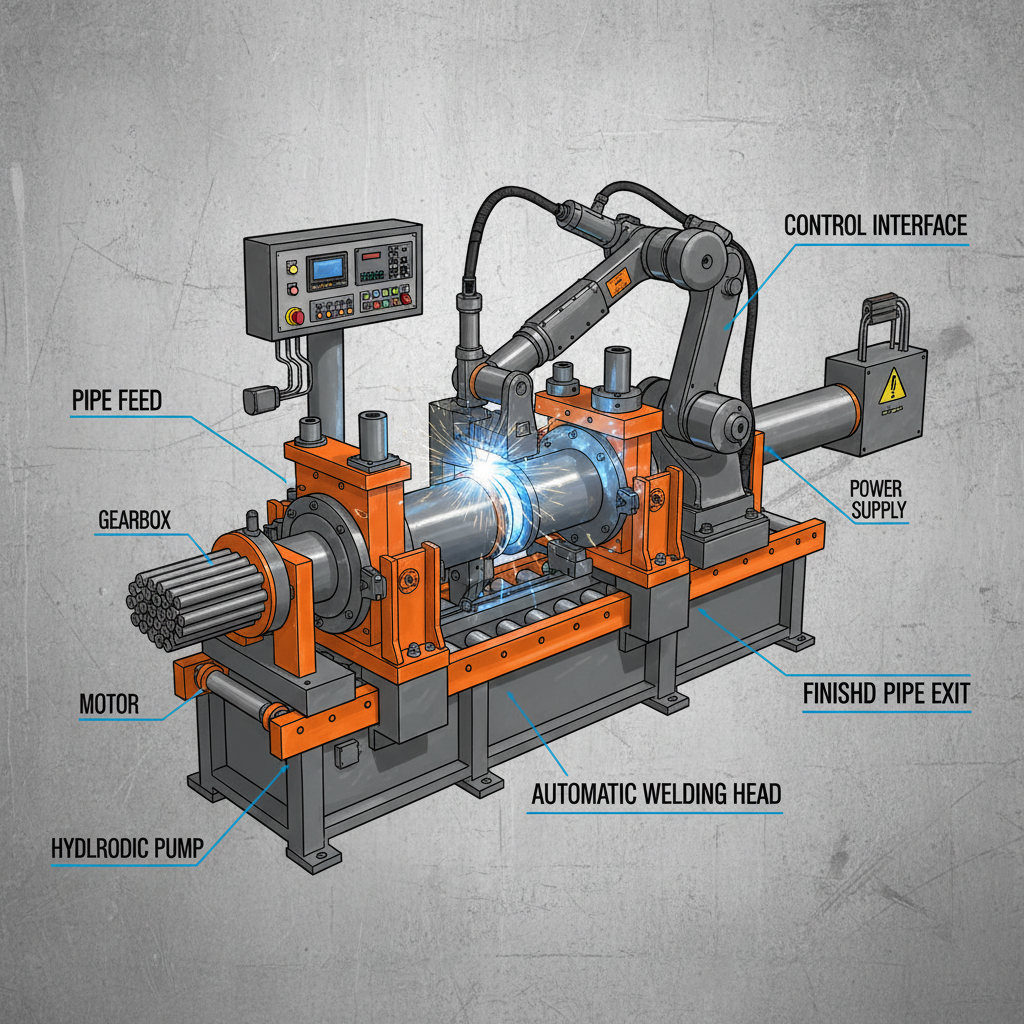
The operational excellence of tubing laser cutting machines depends heavily on the synergy between the laser source and the motion control system. Fiber lasers have become the industry standard due to their superior energy efficiency and ability to cut thinner materials with extreme speed, while the CNC controller ensures that the synchronization between the axis movement and the beam is perfect.
Precision clamping and feeding are equally critical; the machine must hold the tube securely to prevent vibration, yet move it smoothly to maintain cutting speed. Advanced tubing laser cutting machines often incorporate automatic loading systems and sensors that detect the center of the tube, ensuring that the laser path is perfectly aligned regardless of minor material inconsistencies.
Durability and scalability are the final key factors. Industrial-grade machines are built with heavy-duty frames to dampen vibrations and are designed for 24/7 operation. As a business grows, the ability to upgrade the laser source or integrate a robotic arm for part removal allows these systems to scale alongside the company's production needs.
Practical Applications and Global Use Cases
The versatility of tubing laser cutting machines is evident across various sectors. In the automotive industry, they are used to create lightweight chassis and exhaust systems, where precise notches are required for perfect welding fits. In the furniture and architectural sectors, these machines allow for the creation of organic, complex patterns in metal railings and frames that would be impossible to achieve with traditional tools.
Beyond commercial use, we see these systems being applied in critical infrastructure projects. In remote industrial zones, such as mining sites in Australia or oil rigs in the North Sea, the ability to precision-cut customized piping on-site or in regional hubs reduces the reliance on long supply chains and minimizes downtime during repairs.
Performance Comparison of Tube Processing Methods
Tangible Advantages and Long-Term Value
The most immediate benefit of implementing tubing laser cutting machines is the drastic reduction in operational costs. By combining cutting, drilling, and milling into one process, companies eliminate the need for multiple machines and the labor costs associated with moving parts between workstations. Furthermore, the precision of the laser ensures that parts fit together perfectly during assembly, reducing the need for costly rework or grinding.
From a sustainability perspective, laser cutting is far more eco-friendly than traditional methods. It produces significantly less waste due to optimized nesting software that maximizes the use of every tube. Additionally, the high reliability of these machines fosters a sense of trust and stability in the production cycle, allowing manufacturers to commit to tighter deadlines with the confidence that quality will remain consistent.
Future Innovations in Laser Tube Technology
The future of tubing laser cutting machines is intrinsically linked to the rise of Artificial Intelligence and Machine Learning. We are seeing the development of "smart" lasers that can automatically adjust their power and focus in real-time based on sensor feedback, detecting material thickness variations or surface imperfections and correcting them on the fly to maintain a perfect edge.
Digital transformation is also pushing these machines toward full cloud integration. Engineers can now send designs from a remote office directly to the machine floor, with the system automatically calculating the most efficient cutting path. This seamless connectivity reduces the risk of human error and allows for "lights-out" manufacturing, where machines operate autonomously overnight.
Moreover, the push for green energy is driving the adoption of ultra-efficient fiber sources that consume a fraction of the electricity required by older CO2 systems. As policies regarding carbon footprints become stricter, the energy-efficient profile of modern laser systems makes them the only viable choice for the sustainable factory of the future.
Overcoming Challenges in Tube Fabrication
Despite the advantages, users of tubing laser cutting machines often face challenges such as the high initial capital investment and the need for skilled operators. Many small-to-medium enterprises find the entry cost daunting; however, the long-term ROI is usually realized quickly through the elimination of secondary processing and reduced labor costs.
Another common issue is the management of heat-affected zones (HAZ) in very thick materials, which can lead to slight warping. Experts suggest using optimized assist gases—such as nitrogen for stainless steel—and implementing a strategic cutting sequence to distribute heat evenly across the part, ensuring structural integrity.
To overcome the skill gap, the industry is moving toward more intuitive, "no-code" software interfaces. By simplifying the programming process, manufacturers can empower a wider range of employees to operate the machines, reducing the dependency on a few highly specialized technicians and increasing overall plant flexibility.
Comparative Analysis of Laser Tube Cutting Solutions
|
Technology Type
|
Precision Level
|
Operating Cost
|
Production Speed
|
| Fiber Laser (Standard) |
High (±0.1mm) |
Low |
Very Fast |
| CO2 Laser (Heavy) |
Medium (±0.2mm) |
Medium |
Moderate |
| Mechanical Sawing |
Low (±0.5mm) |
Low |
Slow |
| Plasma Tube Cutting |
Medium (±0.8mm) |
Medium |
Fast |
| Waterjet Cutting |
Very High (±0.05mm) |
High |
Very Slow |
| CNC Punching |
Medium (±0.3mm) |
Medium |
Moderate |
FAQS
Fiber lasers are generally faster, more energy-efficient, and have lower maintenance costs compared to CO2 lasers. Fiber lasers excel at cutting thinner to medium-thickness metals and provide a smaller focal spot for higher precision. CO2 lasers, while slower and more expensive to run, are sometimes preferred for specific non-metal materials or very thick specialized alloys where a different beam characteristic is required.
Yes, modern tubing laser cutting machines are designed to handle a wide variety of shapes, including square, rectangular, oval, and even complex custom-extruded profiles. The clamping system adjusts to the shape of the tube, and the CNC software calculates the rotation and movement required to ensure the laser maintains the correct angle and distance from the material surface.
To minimize the HAZ, it is recommended to optimize your assist gas settings; for instance, using high-pressure nitrogen prevents oxidation and cools the cut more effectively. Additionally, increasing the cutting speed and ensuring the laser focus is precisely tuned to the material thickness will reduce the amount of heat that penetrates the surrounding metal, resulting in a cleaner edge.
While the upfront cost is higher than traditional saws or drills, the investment is typically justified by the elimination of secondary operations. A small shop can replace three or four manual machines with one laser system, reducing labor hours and material waste. The ability to offer complex, high-precision designs also allows small shops to bid on higher-value contracts that were previously only accessible to large corporations.
These machines are highly compatible with most conductive metals, including carbon steel, stainless steel, aluminum, copper, and brass. Fiber lasers are particularly effective for reflective metals like brass and copper, which were previously difficult to cut with CO2 lasers. The choice of assist gas (oxygen, nitrogen, or compressed air) typically determines the final quality and speed for each specific material.
Integration usually begins with a CAD file (like .DXF or .STEP), which is then imported into specialized CAM software for tube cutting. The software allows the operator to define the tube's dimensions, nesting patterns for efficiency, and specific cutting parameters. Once optimized, the software generates the G-code that controls the machine's axes and laser power, ensuring a seamless transition from design to finished part.
Conclusion
In summary, tubing laser cutting machines represent a paradigm shift in metal fabrication, blending extreme precision with high-speed automation. By consolidating multiple manufacturing steps into a single, software-driven process, these systems significantly lower production costs, minimize material waste, and unlock new design possibilities that were previously unattainable. From the technical core of fiber laser sources to the operational advantages of CNC integration, the value proposition is clear: efficiency, scalability, and superior quality.
As we look toward the future, the integration of AI and green energy will only further solidify the role of laser technology in the global supply chain. For manufacturers aiming to stay relevant in an increasingly competitive market, adopting these advanced cutting solutions is no longer an option but a necessity for survival and growth. We encourage you to explore how this technology can transform your production line and enhance your product offerings. Visit our website: www.xhequipment.com