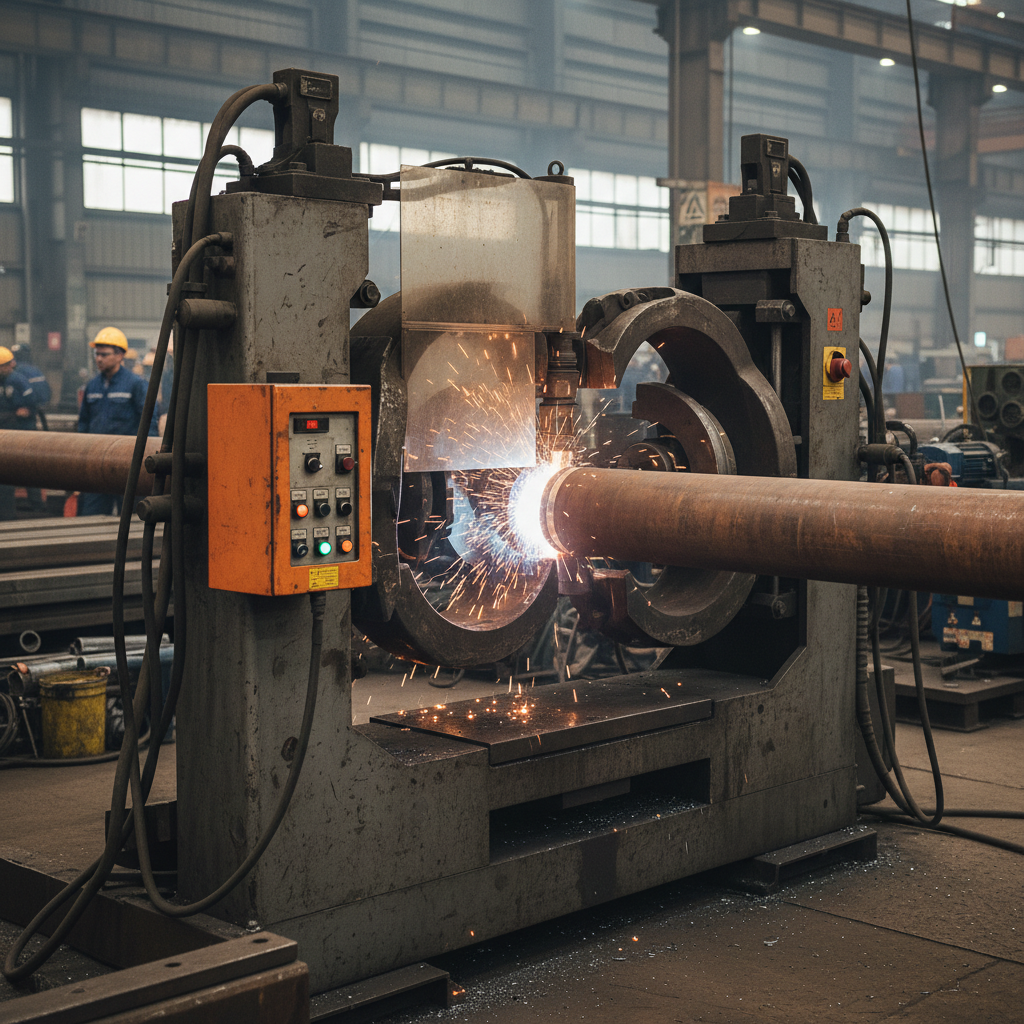
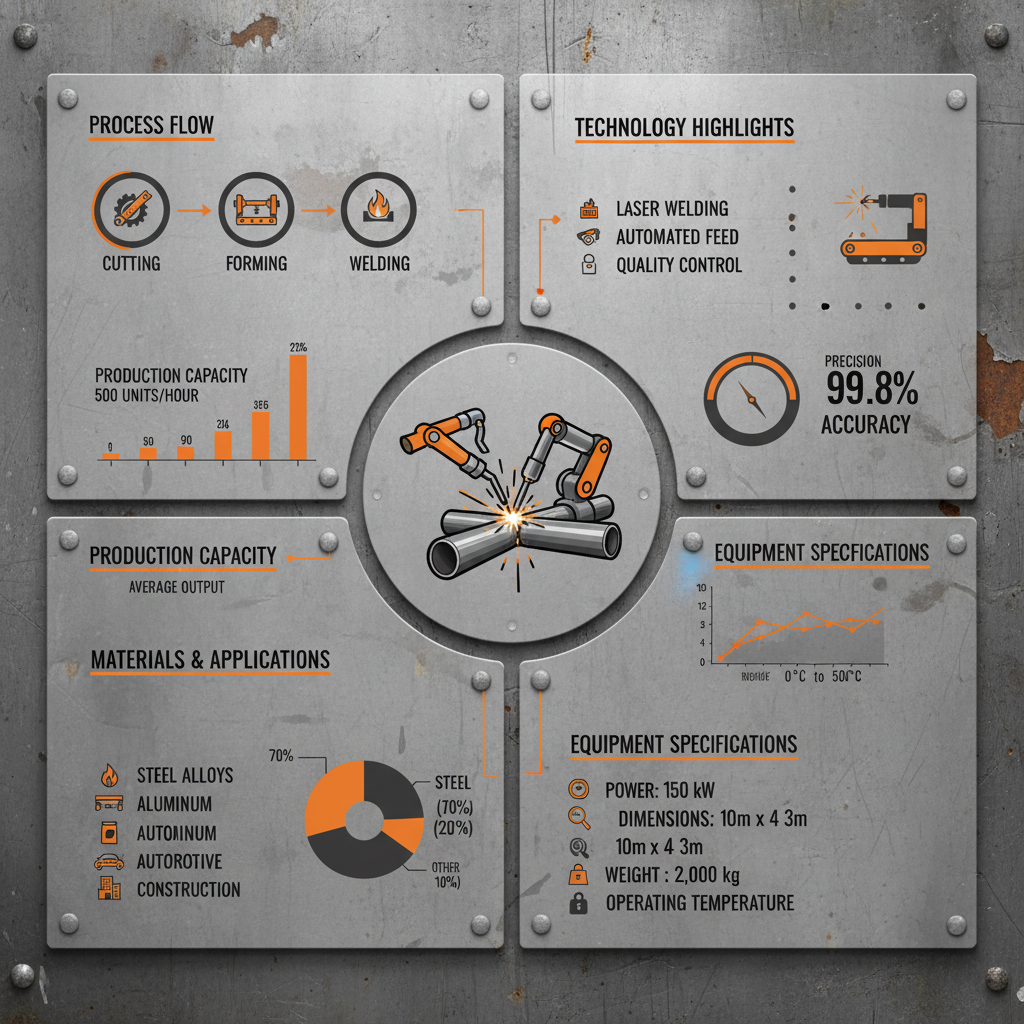
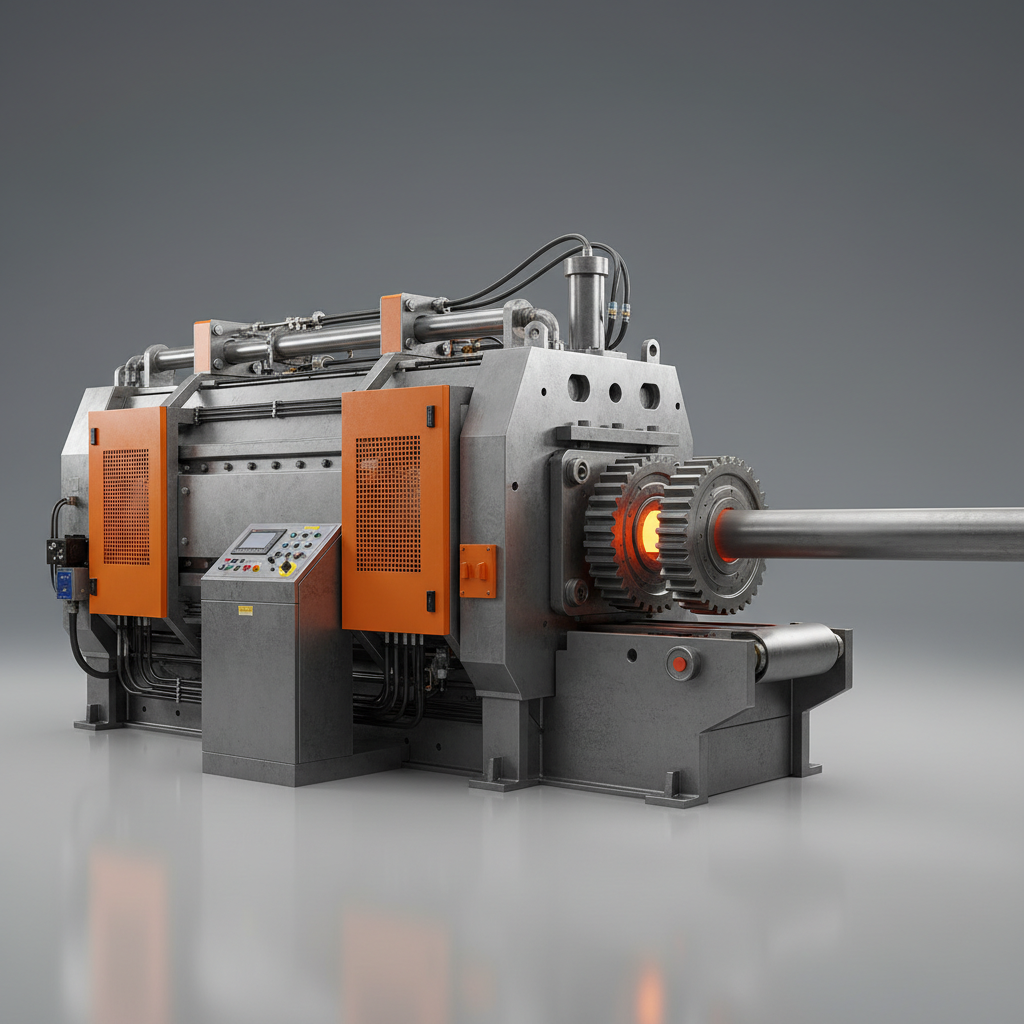
Tube welding equipment is fundamental to modern manufacturing, particularly within the metalworking industry. Its significance stems from its ability to create strong, durable, and precise joints in tubular components, essential for a vast range of applications. From constructing complex machinery to building robust infrastructure, the quality of tube welding directly impacts the performance and longevity of finished products. Understanding the intricacies of this equipment is crucial for optimizing production processes and achieving high levels of structural integrity.
Globally, the demand for high-quality welded tubes is consistently increasing, driven by growth in sectors like automotive, aerospace, oil and gas, and construction. This escalating demand necessitates continuous innovation in tube welding equipment, focusing on efficiency, automation, and precision. Addressing challenges like material compatibility, weld defects, and energy consumption are paramount concerns for manufacturers worldwide.
The versatility of tube welding equipment allows for the fabrication of components in diverse materials, including carbon steel, stainless steel, aluminum, and various alloys. This flexibility ensures it remains a cornerstone technology for addressing evolving industrial requirements, supporting infrastructure development, and enabling progress across numerous vital sectors.
The Core Principles of Tube Welding Equipment
At its core, tube welding equipment relies on a principle of fusing two or more pieces of tubular material together, creating a permanent bond. This is achieved through various methods, including shielded metal arc welding (SMAW), gas metal arc welding (GMAW), gas tungsten arc welding (GTAW), and laser beam welding (LBW). Each method utilizes a different heat source and shielding mechanism to ensure a strong and clean weld. The selection of the appropriate technique depends on the material being welded, the desired weld quality, and the application requirements.
Proper control of welding parameters—such as voltage, amperage, travel speed, and shielding gas flow—is paramount. Deviations from optimal settings can lead to weld defects like porosity, cracking, or incomplete fusion, compromising the structural integrity of the final product. Modern tube welding equipment incorporates advanced control systems and monitoring features to help operators maintain consistent and precise welding conditions.
The Global Landscape of Tube Welding
The global tube welding market is substantial and consistently growing, valued at billions of dollars annually. Key regions driving demand include Asia-Pacific, North America, and Europe, with China being a dominant force in both production and consumption. The automotive industry represents a significant consumer of welded tubes, utilizing them in exhaust systems, chassis components, and structural elements. The construction sector also heavily relies on welded steel tubes for pipelines, scaffolding, and structural support.
According to reports from the World Steel Association, demand for steel tubes is projected to increase steadily in the coming years, particularly in developing economies undergoing rapid infrastructure development. The need for robust and reliable infrastructure to support population growth and economic expansion is a primary driver of this trend. Furthermore, the oil and gas industry’s ongoing need for pipelines and drilling equipment ensures a consistent demand for high-quality tube welding solutions.
Competition within the tube welding equipment market is fierce, with established players and emerging manufacturers vying for market share. Innovation in welding technology, particularly in automation and digital control, is crucial for maintaining a competitive edge. Manufacturers are continually seeking ways to improve weld quality, increase productivity, and reduce costs.
Defining Tube Welding Equipment
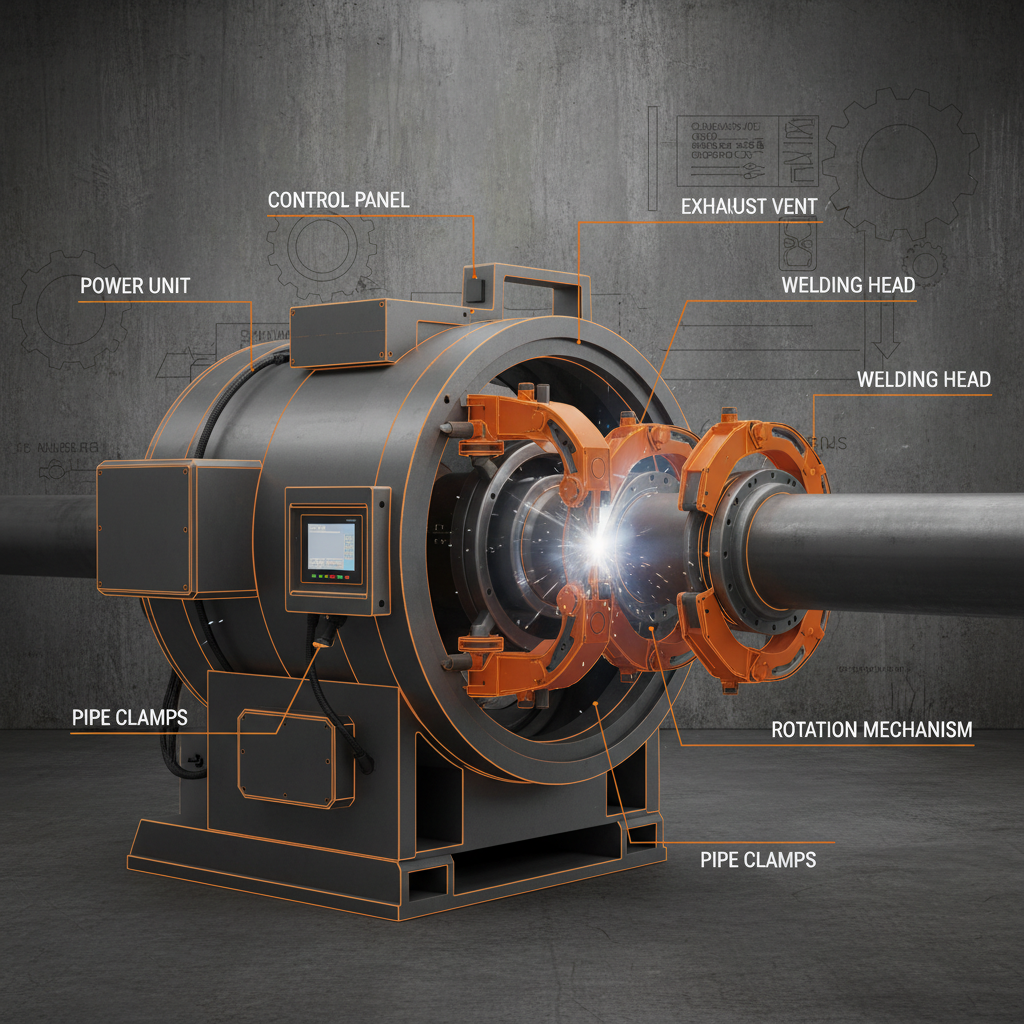
Tube welding equipment encompasses a broad range of machinery and tools used to join tubular metal components. This includes power sources (welding machines), welding torches or heads, wire feeders, shielding gas systems, control panels, and safety equipment. Depending on the welding process employed, the specific configuration of the equipment will vary. For example, a GMAW system requires a wire feeder and shielding gas supply, while a GTAW system relies on a tungsten electrode and inert gas shielding.
The term "tube welding equipment" extends beyond the core welding machine itself. It includes essential accessories like welding helmets, gloves, aprons, and fume extraction systems, all designed to protect the operator and maintain a safe working environment. Increasingly, sophisticated equipment incorporates robotic arms and automated control systems to enhance precision, repeatability, and efficiency. This is particularly crucial for high-volume production environments.
Understanding the specific requirements of the application is critical when selecting tube welding equipment. Factors like the material type, tube diameter, weld position, and production volume all influence the choice of equipment and welding process. For instance, welding thin-walled tubes requires a different approach than welding thick-walled pipes, and automated systems are often preferred for large-scale production runs.
Key Factors Influencing Tube Welding Performance
Several key factors significantly influence the quality and reliability of tube welding. Material Compatibility is paramount; different metals require specific welding techniques and filler materials to achieve a sound weld. Welding Process Selection is equally critical, as each process (SMAW, GMAW, GTAW, LBW) has its strengths and weaknesses. Operator Skill remains a crucial element, as experienced welders can consistently produce high-quality welds.
Equipment Maintenance directly impacts performance; regular inspection and maintenance ensure optimal functionality and prevent costly downtime. Environmental Conditions like temperature, humidity, and air flow can also affect weld quality, requiring careful control. Finally, Joint Preparation – ensuring clean, properly fitted edges – is fundamental for achieving a strong and durable weld.
Performance Metrics of Common Tube Welding Equipment Methods
Global Applications and Use Cases of Tube Welding Equipment
Tube welding equipment finds applications across a vast spectrum of industries. In the automotive sector, it is indispensable for manufacturing exhaust systems, fuel lines, and chassis components. The aerospace industry relies on precision tube welding for creating lightweight and high-strength structural parts. The oil and gas industry utilizes robust tube welding for constructing pipelines and offshore platforms, ensuring safe and reliable energy transportation.
Within the construction industry, welded tubes are fundamental for scaffolding, structural supports, and plumbing systems. The food and beverage industry employs sanitary tube welding for manufacturing processing equipment and storage tanks. Furthermore, in remote industrial zones, portable tube welding equipment enables on-site repairs and fabrication, minimizing downtime and transportation costs.
The Advantages and Long-Term Value of Investing in Quality Tube Welding Equipment
Investing in high-quality tube welding equipment offers numerous tangible benefits. Cost Efficiency is a primary advantage, as reliable equipment minimizes downtime, reduces scrap rates, and lowers maintenance expenses. Enhanced Productivity is another key benefit, achieved through faster welding speeds, automated processes, and consistent weld quality. Improved Product Quality translates to increased customer satisfaction and brand reputation.
Beyond the immediate financial gains, quality tube welding equipment offers long-term value through increased durability and reliability. Robust equipment withstands demanding operating conditions, reducing the need for frequent replacements. It also enhances worker safety by providing advanced control systems and safety features. Ultimately, it fosters innovation and allows manufacturers to meet evolving industry standards.
Future Trends and Challenges in Tube Welding Technology
The future of tube welding technology is characterized by several key trends. Automation and Robotics are poised to revolutionize the industry, increasing efficiency and reducing labor costs. Digitalization and Data Analytics will enable real-time monitoring, predictive maintenance, and process optimization. Advanced Materials Welding will focus on developing techniques for joining new and challenging materials like high-strength alloys and composites.
However, several challenges remain. Skilled Labor Shortages pose a significant hurdle, requiring investment in training and education. Energy Efficiency and Sustainability are increasingly important concerns, driving the development of more eco-friendly welding processes. Maintaining Weld Quality in Complex Geometries presents ongoing engineering challenges that require innovative solutions.
Addressing these challenges will require collaboration between equipment manufacturers, researchers, and industry professionals. The integration of artificial intelligence (AI) and machine learning (ML) into tube welding equipment is expected to play a crucial role in optimizing processes and enhancing performance.
Summary of Key Challenges and Potential Solutions in Tube Welding
| Challenge |
Impact on Tube Welding |
Potential Solution |
Implementation Difficulty (1-5, 5=High) |
| Skilled Welder Shortage |
Reduced weld quality, increased training costs |
Increased Automation & Robotics |
3 |
| Energy Consumption |
Higher operational costs, environmental impact |
Development of energy-efficient welding processes |
4 |
| Material Compatibility Issues |
Weld defects, reduced structural integrity |
Advanced filler metal selection, process optimization |
2 |
| Maintaining Weld Quality |
Risk of failure, increased inspection costs |
Real-time monitoring & control systems |
3 |
| Complexity of Tube Geometries |
Difficulty in achieving consistent weld penetration |
Adaptive welding systems & advanced torch designs |
4 |
| Integration of New Materials |
Requires specialized welding techniques |
Research and development of new welding processes |
5 |
FAQS
GMAW (Gas Metal Arc Welding), also known as MIG welding, is faster and more efficient, making it ideal for high-volume production. It’s generally easier to learn and uses a continuously fed wire electrode. GTAW (Gas Tungsten Arc Welding), or TIG welding, offers superior precision and control, resulting in cleaner, higher-quality welds, particularly crucial for critical applications and exotic materials. It's a slower process and requires more skill.
Shielding gas protects the weld pool from atmospheric contamination. Argon is commonly used for GTAW and stainless steel GMAW, providing excellent arc stability and weld quality. CO2 is often used for carbon steel GMAW due to its cost-effectiveness. Mixtures of argon and CO2 can offer a balance of performance and cost. The specific gas chosen depends on the material being welded and the desired weld characteristics.
Common defects include porosity (small holes in the weld), cracking, and incomplete fusion. These can be prevented through proper joint preparation, correct welding parameters (voltage, amperage, travel speed), appropriate shielding gas coverage, and maintaining a clean welding environment. Regular inspection and quality control are also crucial.
Preventative maintenance is absolutely critical. Regular inspection of components like welding cables, torches, and gas lines can identify and address potential issues before they lead to downtime or weld defects. Cleaning the equipment, lubricating moving parts, and replacing worn components are essential for ensuring reliable performance and extending the lifespan of the equipment.
Welding produces harmful fumes, ultraviolet radiation, and spatter. Always wear appropriate personal protective equipment (PPE), including a welding helmet with auto-darkening lens, welding gloves, a fire-resistant apron, and safety glasses. Ensure adequate ventilation to remove fumes, and be aware of fire hazards in the work area.
Automation significantly enhances efficiency, precision, and consistency in tube welding. Robotic welding systems can perform repetitive tasks with greater speed and accuracy than manual welders. Automated processes reduce labor costs, minimize weld defects, and improve overall productivity, particularly in high-volume manufacturing environments.
Conclusion
In conclusion, tube welding equipment is a cornerstone technology for modern manufacturing, offering essential capabilities across diverse industries. Understanding the core principles, advancements, and challenges within this field is critical for optimizing production processes, ensuring product quality, and driving innovation. Investing in high-quality equipment and fostering skilled personnel remains paramount for success in today's competitive landscape.
Looking ahead, the integration of automation, digitalization, and advanced materials will shape the future of tube welding. Manufacturers who embrace these trends and prioritize sustainability will be well-positioned to thrive in the evolving market. For cutting-edge tube welding equipment and solutions tailored to your specific needs, visit our website today: tube welding equipment.