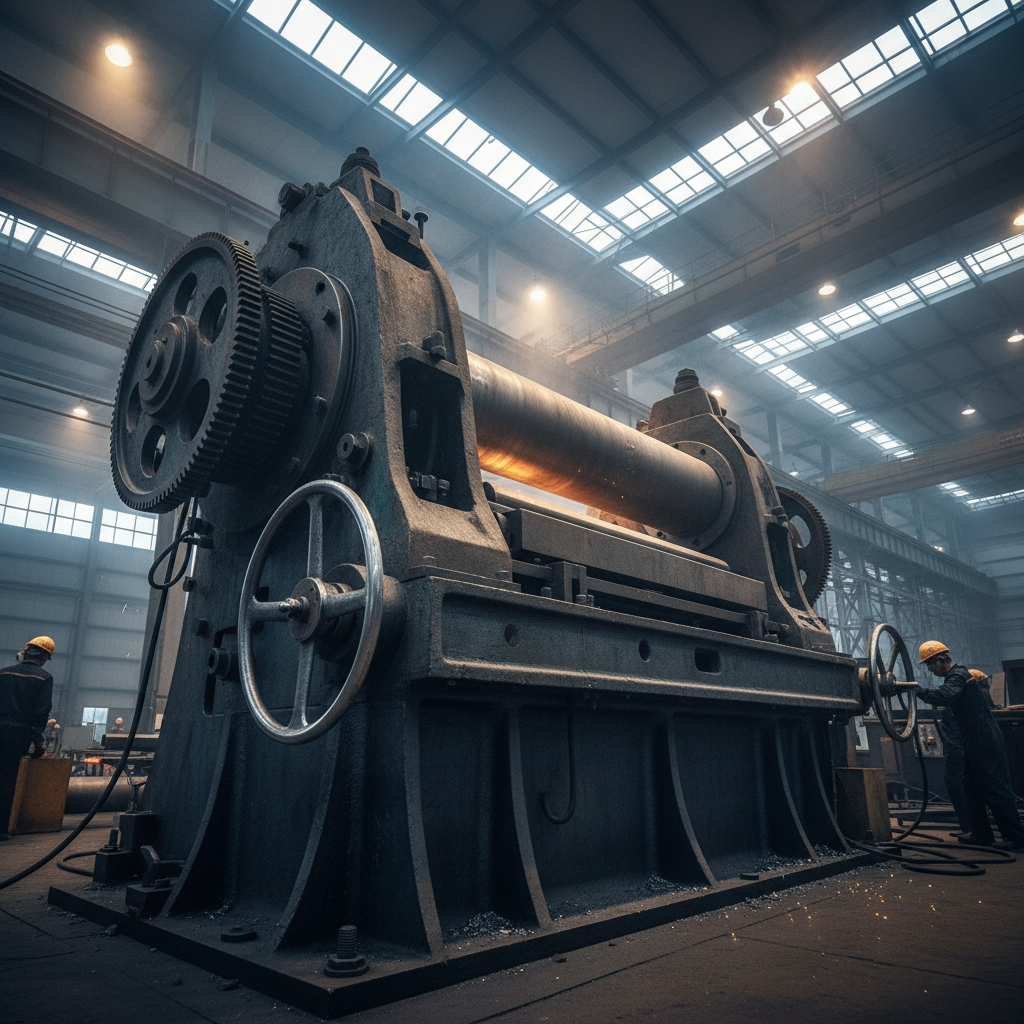
Investing in a used pvc pipe making machine offers a strategic gateway for emerging manufacturers to enter the plastics industry without the prohibitive upfront costs of brand-new equipment. By leveraging pre-owned machinery, businesses can rapidly scale their production capacities while maintaining a lean capital expenditure profile, allowing for a faster return on investment in competitive markets.
Across the globe, the demand for PVC piping—essential for irrigation, electrical conduit, and urban plumbing—continues to rise, driven by rapid urbanization and infrastructure development. The availability of high-quality used machinery allows smaller enterprises in developing regions to implement industrial-grade extrusion processes, bridging the gap between manual labor and fully automated production.
Understanding the nuances of sourcing, refurbishing, and operating a used pvc pipe making machine is critical for ensuring long-term operational stability. When selected with a focus on the E-E-A-T principles (Experience, Expertise, Authoritativeness, and Trustworthiness), these machines provide a sustainable and economically viable alternative to new hardware, promoting a circular economy within the heavy machinery sector.
Global Market Context of Used PVC Equipment
The global industrial landscape is currently witnessing a significant shift toward the procurement of refurbished capital goods. According to industrial trends aligned with ISO standards for machinery remanufacturing, the second-hand market for extrusion lines has grown as companies seek to mitigate financial risk during economic volatility. A used pvc pipe making machine represents more than just a cost-saving measure; it is a strategic asset for regions experiencing a construction boom, such as Southeast Asia and Sub-Saharan Africa.
The primary challenge addressed by these machines is the high barrier to entry in the plastics manufacturing sector. By utilizing high-performance used equipment, startups can bypass the steep depreciation curve associated with new machinery while still achieving the precision and output required for commercial-grade PVC piping.
Defining the Used PVC Pipe Making Machine
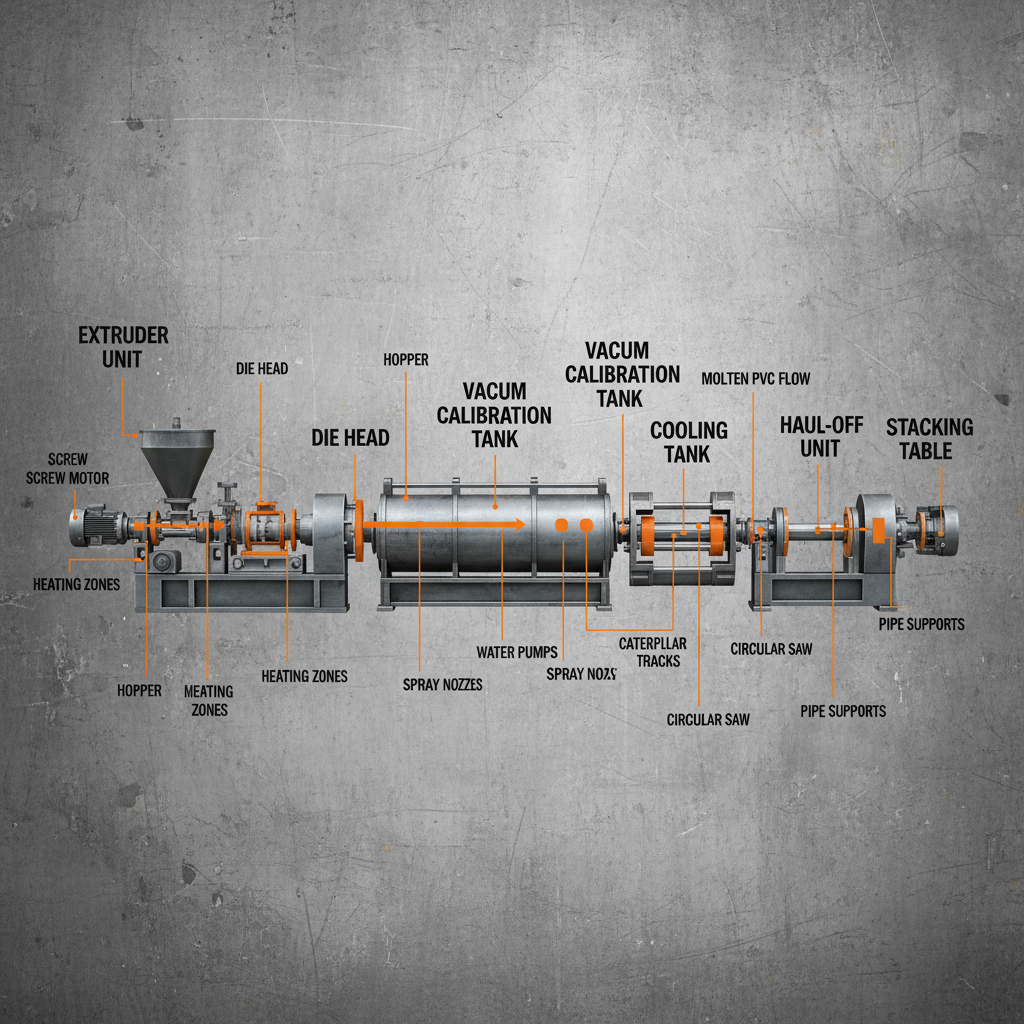
In simple technical terms, a used pvc pipe making machine is a secondary-market extrusion system designed to melt PVC resin and force it through a shaped die to create continuous piping. These systems typically comprise a hopper, a heated barrel with a screw extruder, a vacuum sizing tank, and a hauling unit. While "used" implies prior ownership, the value of such a machine is determined by its maintenance history and the quality of its core mechanical components.
Beyond the hardware, these machines are deeply connected to modern humanitarian and industrial needs. In many developing nations, the ability to produce affordable, durable piping locally is the difference between having a sustainable clean water delivery system and relying on expensive imports. Consequently, the availability of reliable used machinery directly supports global goals for sanitation and infrastructure.
From a manufacturing perspective, these machines are often categorized by their output capacity and screw diameter. Whether it is a small-scale line for electrical conduits or a heavy-duty system for sewage pipes, the essence of the used pvc pipe making machine remains its ability to deliver consistent wall thickness and diameter, ensuring the final product meets international safety standards.
Core Components and Technical Factors
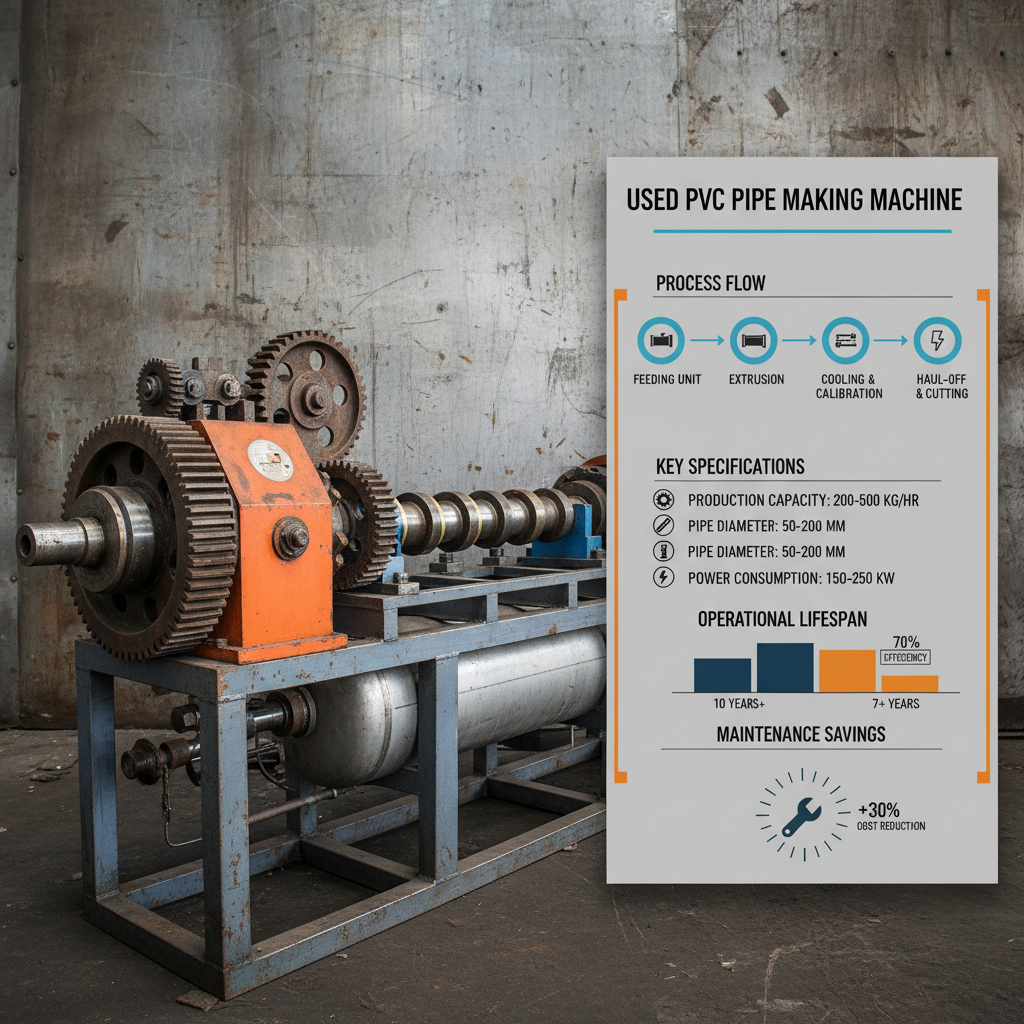
When evaluating a used pvc pipe making machine, the first factor to consider is Mechanical Durability. The extruder screw and barrel are the heart of the operation; signs of excessive wear or pitting can lead to inconsistent flow and material degradation, which compromises the structural integrity of the resulting PVC pipes.
Energy Efficiency and Control Systems play a pivotal role in operational costs. Older used pvc pipe making machine models may utilize outdated heating elements or manual controls. Upgrading these to modern PLC (Programmable Logic Controller) systems can significantly reduce energy waste and increase the precision of the extrusion process, effectively "modernizing" the second-hand asset.
Finally, Scalability and Versatility are essential for long-term growth. A versatile used pvc pipe making machine should allow for the easy exchange of dies and molds, enabling the manufacturer to switch between different pipe diameters and wall thicknesses to meet fluctuating market demands without requiring entirely new production lines.
Global Applications and Real-World Use Cases
The application of used extrusion technology is diverse, spanning from heavy industrial zones to small-scale local enterprises. In many remote industrial zones, companies deploy a used pvc pipe making machine to produce specialized conduits for mining operations, where the cost of transporting finished pipes from distant cities would be prohibitively expensive.
In post-disaster relief operations or rapid urban reconstruction, these machines are often deployed in temporary manufacturing hubs to quickly create water distribution networks. By utilizing refurbished equipment, NGOs and government agencies can maximize their budgets, producing thousands of meters of piping to restore essential services to affected populations in record time.
Operational Efficiency Comparison for Used PVC Equipment
Tangible Advantages and Long-Term Value
The most immediate advantage of a used pvc pipe making machine is the dramatic reduction in initial capital expenditure. This allows business owners to allocate funds toward high-quality raw materials or skilled labor, which are often the real drivers of product quality. From a logical angle, the slower depreciation of used assets means the equipment can often be resold later with minimal loss in value.
Beyond the financial metrics, there is a significant sustainability angle. Reusing industrial machinery prevents the environmental cost associated with smelting new steel and manufacturing new components. This commitment to a circular economy builds trust with environmentally conscious clients and partners, positioning the manufacturer as an innovative and responsible player in the global supply chain.
Future Trends in Extrusion Technology
The future of the used pvc pipe making machine market is being reshaped by the digital transformation of industry, often referred to as Industry 4.0. We are seeing a trend where older mechanical lines are being retrofitted with IoT (Internet of Things) sensors to monitor temperature and pressure in real-time, transforming a "dumb" used machine into a "smart" production asset.
Sustainability is also driving a shift toward machines that can handle recycled PVC blends. Future modifications to used equipment will likely focus on improving the mixing stages to allow for a higher percentage of regrind material without sacrificing the tensile strength of the pipe. This will further enhance the eco-friendly profile of the extrusion industry.
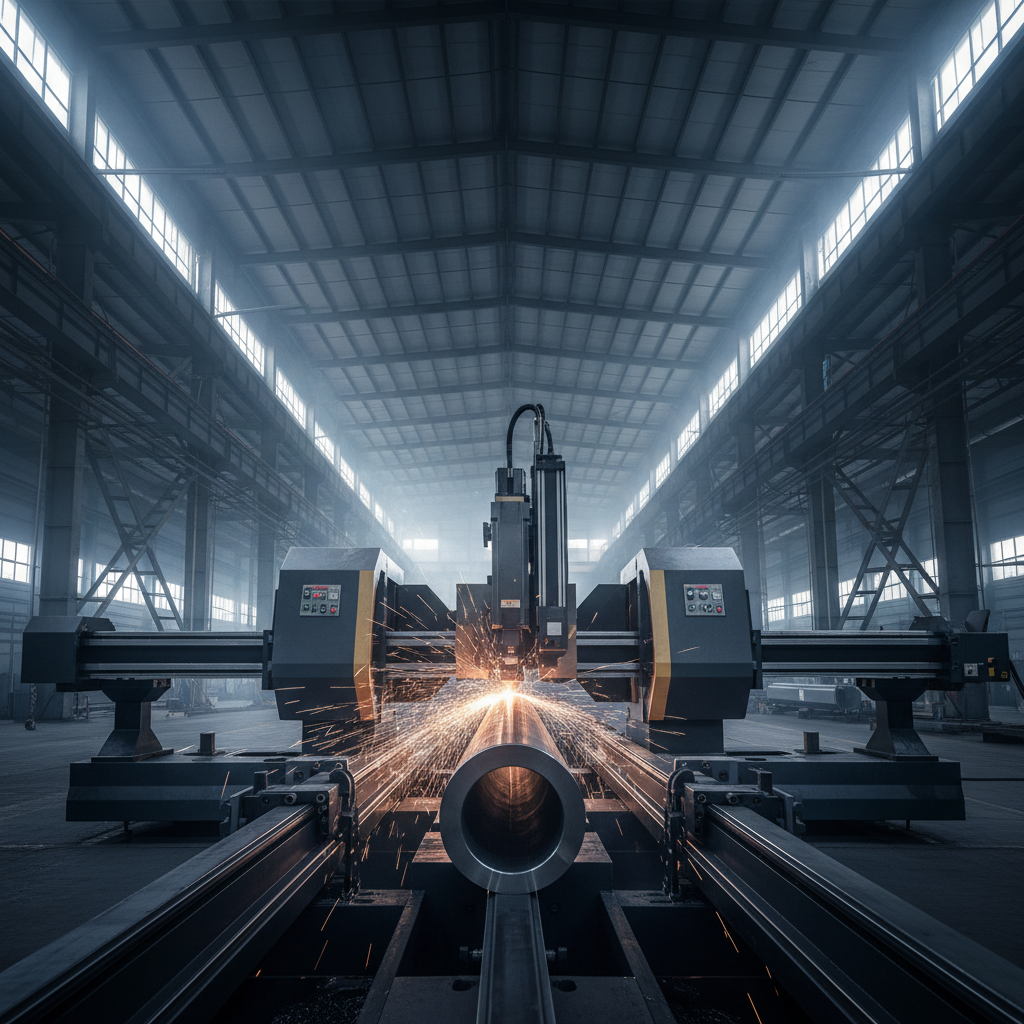
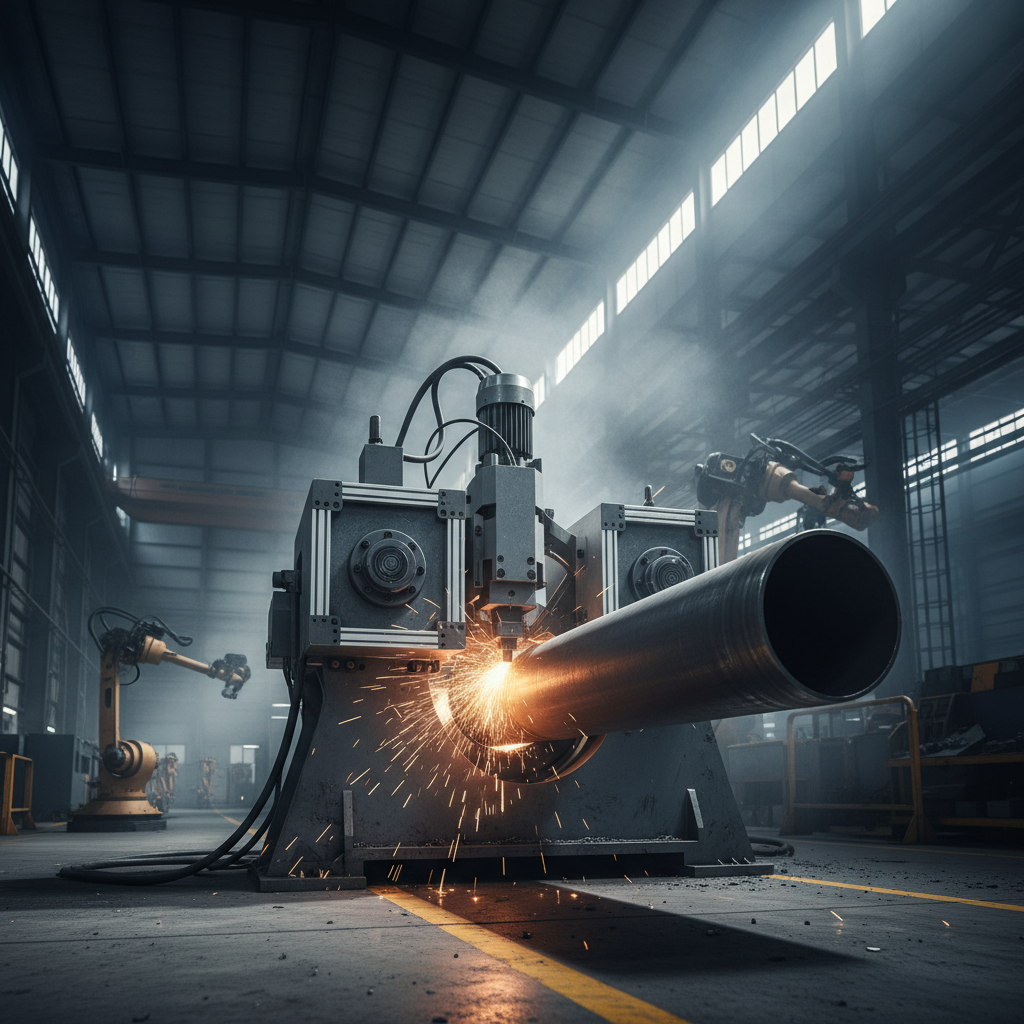
Automation is the final frontier. Even for used machinery, the integration of automatic cutting and stacking systems is becoming more accessible. These modular additions allow manufacturers to increase throughput without replacing the core extruder, ensuring that the long-term value of the equipment continues to grow alongside technological advancements.
Overcoming Operational Challenges
One of the primary limitations of a used pvc pipe making machine is the potential for unpredictable downtime due to component fatigue. To overcome this, expert operators implement a "predictive maintenance" schedule, replacing critical wear parts like heater bands and thermocouples before they fail, rather than reacting to a breakdown.
Another common challenge is the lack of original documentation and technical support for older models. The solution lies in the creation of a localized knowledge base and the procurement of universal spare parts. By diversifying their supplier network, manufacturers can ensure that a broken belt or a failed sensor doesn't halt production for weeks.
Finally, achieving consistent quality with older machinery requires a higher level of operator expertise. Training staff in the subtle art of temperature regulation and screw speed adjustment is essential. When the human element is synchronized with the mechanical capabilities of the machine, the output quality of a used line can rival that of a new one.
Analysis of Operational Parameters for Used PVC Extrusion Lines
| Machine Condition |
Maintenance Cost |
Output Consistency |
ROI Period |
| Refurbished (Grade A) |
Low |
9/10 |
6-12 Months |
| Well-Maintained Used |
Medium |
8/10 |
12-18 Months |
| Standard Used |
Medium-High |
7/10 |
18-24 Months |
| Economy/Basic Used |
High |
6/10 |
24-36 Months |
| Upgraded Hybrid |
Low-Medium |
9.5/10 |
8-14 Months |
| Legacy Industrial |
High |
5/10 |
36+ Months |
FAQS
While a new machine offers the latest energy-saving technology, a high-quality used machine can achieve 80-90% of the efficiency if it has been properly refurbished. The key is to check the screw wear and upgrade the heating elements. For many manufacturers, the slight trade-off in efficiency is far outweighed by the massive reduction in initial investment cost.
Verification should involve three steps: first, requesting a comprehensive maintenance log; second, performing a "dry run" to check for unusual vibrations or noises in the motor and gearbox; and third, conducting a sample production run to measure the dimensional accuracy and wall thickness of the output pipes. Professional third-party inspections are highly recommended.
The most frequent replacements include the extruder screw and barrel (due to abrasive wear), heating bands, thermocouples, and vacuum pump seals. Additionally, the hauling unit belts and the water cooling system filters often require renewal to ensure the machine operates at peak performance and avoids unexpected downtime.
Yes, most used pvc pipe making machines can be upgraded. By installing modern PLC control panels and precision temperature controllers, you can achieve the stability required for ISO certification. Additionally, adding a laser-diameter gauge at the end of the line allows for the real-time quality monitoring required by international standards.
Shipping requires specialized heavy-lift logistics and secure crating to prevent misalignment of the extrusion line. Installation should be handled by experienced technicians who can calibrate the machine to the local power grid and ensure the vacuum and cooling systems are properly integrated into the factory's infrastructure.
Buying a used machine provides full ownership and a lower total cost of ownership over time. Leasing a new machine may offer tax advantages and the latest tech, but the long-term payments can be a burden. For startups with limited cash flow but strong technical skills, a used machine is typically the more sustainable and profitable choice.
Conclusion
In summary, the strategic acquisition of a used pvc pipe making machine provides a powerful combination of affordability, sustainability, and industrial capability. By focusing on the core mechanical health of the equipment and implementing modern control upgrades, manufacturers can effectively lower their entry barriers while producing high-quality piping that meets global infrastructure needs. The key to success lies in rigorous due diligence and a commitment to predictive maintenance.
Looking ahead, the integration of smart sensors and recycled materials will further elevate the value of refurbished machinery. We suggest that emerging manufacturers not only view used equipment as a budget option, but as a flexible foundation for an evolving business. As the industry moves toward a more circular economy, those who master the art of utilizing and upgrading pre-owned industrial assets will hold a significant competitive edge in the global market. Visit our website: www.xhequipment.com